
Selecting the right centrifugal pump for your industrial application is a critical decision that impacts both operational efficiency and long-term costs. As a leading manufacturer with over 20 years of experience in the fluid equipment industry, Depamp Pump Technology understands the complexities involved in pump selection. This comprehensive guide will walk you through the essential factors to consider when choosing a centrifugal pump, drawing on our expertise in serving diverse industries including petroleum refining, chemical processing, power generation, and water treatment.
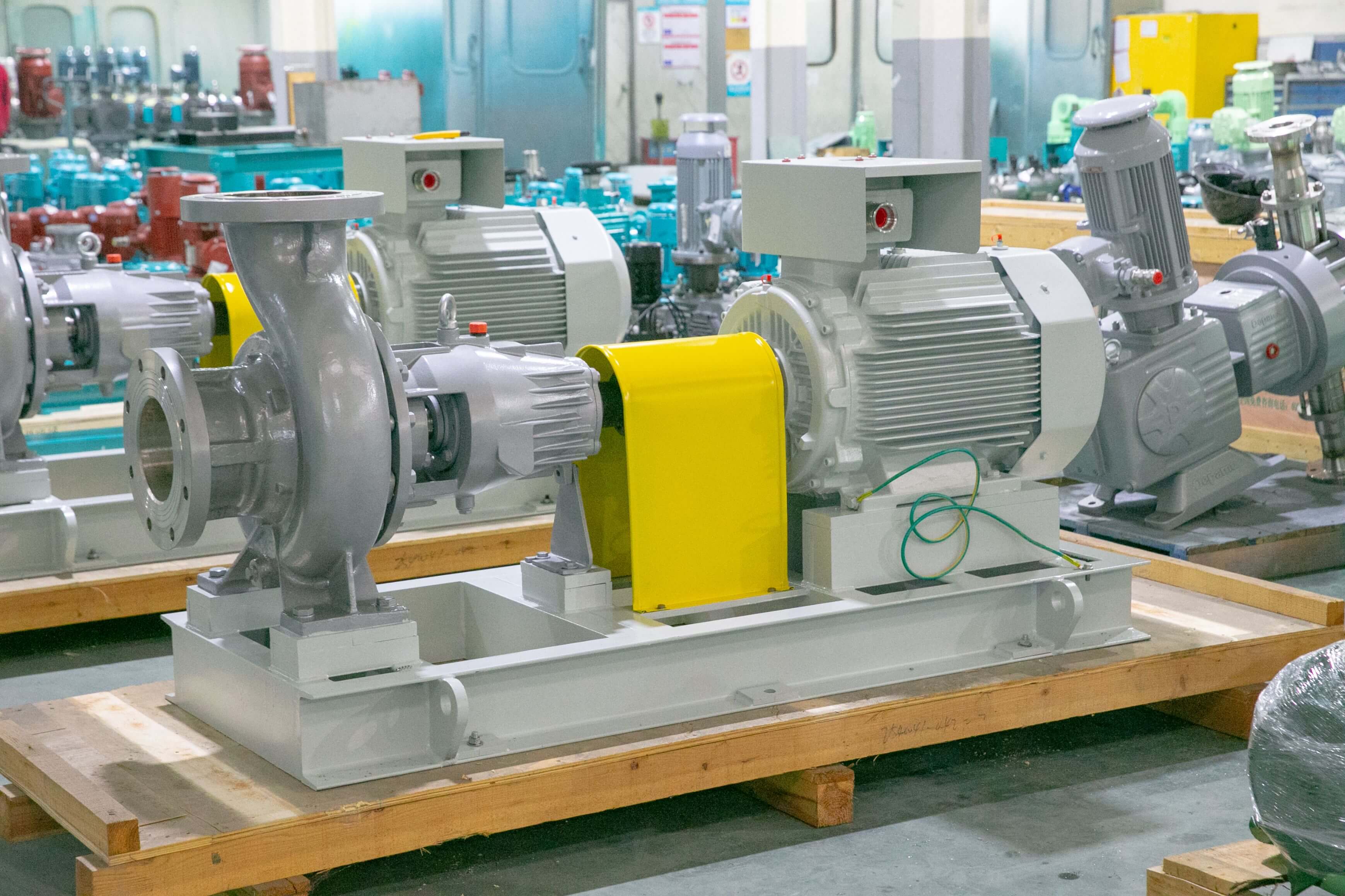
Understanding Your Application Requirements
The foundation of proper pump selection begins with a thorough understanding of your specific application needs. At Depamp, we recommend starting with these key parameters:
Flow Rate Requirements: Determine the required volume of liquid that needs to be moved per unit of time. This is typically measured in gallons per minute (GPM) or liters per second (L/s). Our engineering team has developed pumps ranging from small, precise dosing applications to large-scale industrial processes handling thousands of GPM.
Pressure Conditions: Identify both the inlet and outlet pressures your system requires. This includes understanding the total dynamic head (TDH) – the combination of elevation head, pressure head, and friction loss. Our high-pressure process reciprocating pumps, for example, can handle pressures up to 35MPa, making them ideal for demanding applications like oilfield injection.
Temperature Range: The operating temperature significantly impacts pump material selection and design. Our pumps are engineered to handle temperatures from sub-zero conditions in cryogenic applications to high-temperature processes in power plants and chemical refining.
Liquid Characteristics: The nature of the fluid being pumped is perhaps the most critical factor. Key considerations include:
- Viscosity – affects pump type and sizing
- Corrosiveness – determines material selection
- Abrasiveness – impacts wear resistance requirements
- Solid content – dictates whether you need a slurry pump
- Vapor pressure – influences NPSH requirements
Our chemical dosing pumps, for instance, feature hydraulic diaphragm designs that provide completely leak-free operation even with highly corrosive or volatile chemicals. The diaphragm acts as a barrier between the process fluid and the hydraulic oil, ensuring safe and reliable operation.
Key Factors in Centrifugal Pump Selection
With your application requirements clearly defined, you can now evaluate specific pump characteristics. Here are the most important factors to consider:
Pump Type Selection: While this guide focuses on centrifugal pumps, it’s important to understand when they’re the best choice versus other pump types. Centrifugal pumps excel in applications requiring:
- High flow rates at moderate pressures
- Handling of clean or slightly contaminated liquids
- Low to medium viscosity fluids
- Applications where pulsation needs to be minimized
For applications with very high pressures, high viscosity fluids, or precise metering requirements, our other product lines like reciprocating pumps or gear pumps might be more suitable. Our engineering team can help you evaluate the best pump type for your specific needs.
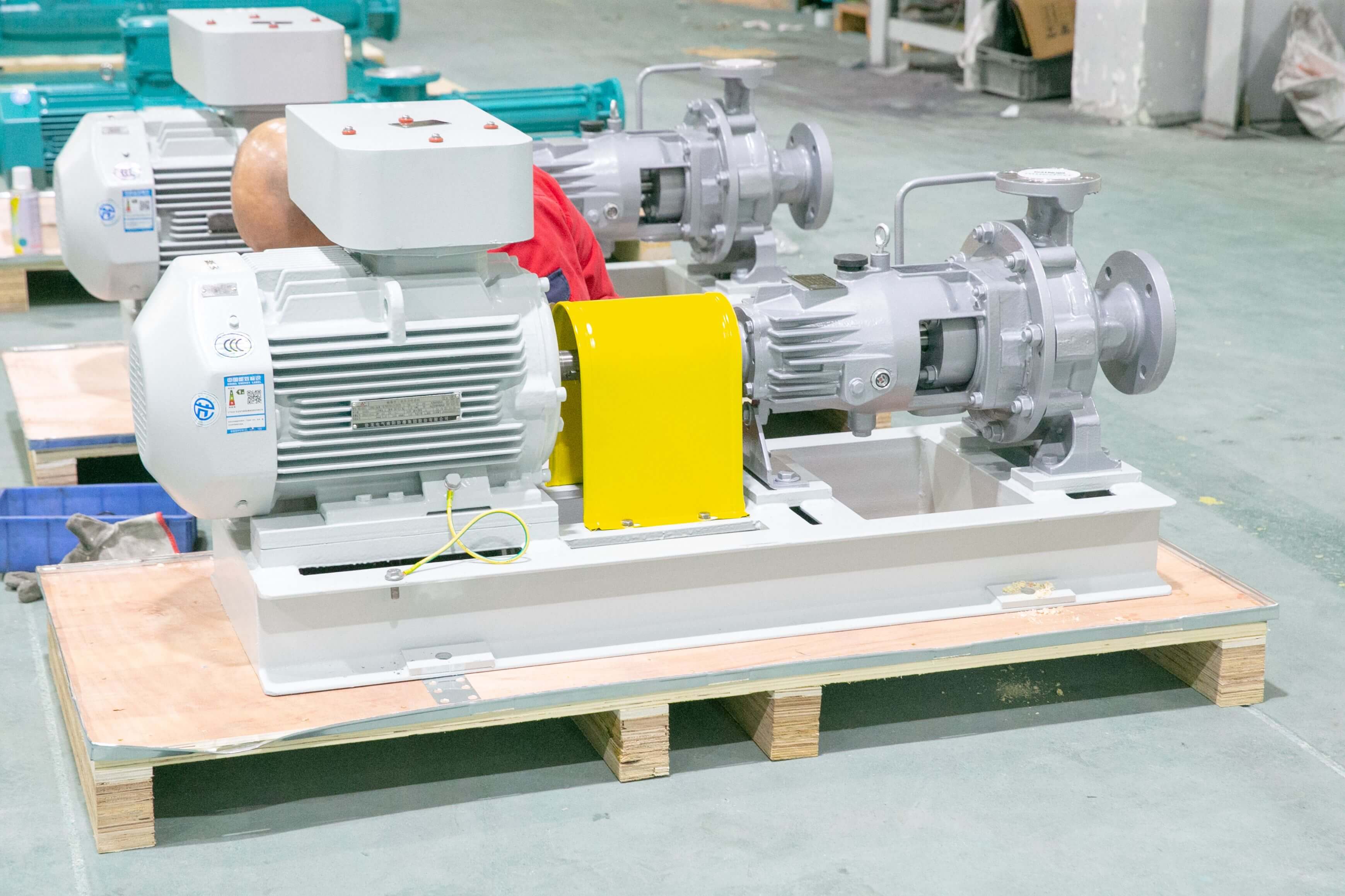
Material Construction: The pump materials must be compatible with the process fluid to prevent corrosion, erosion, or chemical reaction. Common materials include:
- Cast iron – for water and mild chemicals
- Stainless steel (304, 316, duplex) – for corrosive applications
- Alloy steels – for high-temperature applications
- Non-metallic materials – for very corrosive fluids
At Depamp, we maintain strict quality control in our 35,000 square meter manufacturing facility to ensure all materials meet international standards. Our material selection process considers not just the primary fluid but also any cleaning agents or secondary chemicals that may come into contact with the pump.
Efficiency Considerations: Pump efficiency directly impacts energy consumption and operating costs. Look for pumps with:
- Optimized hydraulic designs
- Precision-machined components
- Proper impeller selection
- Variable speed drives for fluctuating demands
Our automatic chemical dosing systems incorporate energy-efficient pumps with intelligent control systems that adjust operation based on real-time demand, reducing energy consumption by up to 30% compared to traditional systems.
Specialized Solutions for Challenging Applications
Some industrial applications present unique challenges that require specialized pump solutions. Here are a few examples from our experience:
High-Temperature Applications: In power plants and chemical processing, we often encounter fluids at elevated temperatures. Our high-temperature pumps feature:
- Specialized gasket materials
- Expanded clearances to accommodate thermal expansion
- Cooling jackets for critical components
- High-temperature bearings and seals
Corrosive Environments: For chemical processing and water treatment applications, we offer pumps with:
- All-stainless steel construction
- Non-metallic wet ends (PVDF, PTFE, etc.)
- Double mechanical seals with seal flush systems
- Leak detection sensors
Slurry Handling: When pumping liquids with high solid content, our slurry pumps feature:
- Hardened materials for wear resistance
- Large internal passages to prevent clogging
- Replaceable liners for easy maintenance
- Special impeller designs for efficient solids handling
Our ability to provide both standard products and customized solutions has made us a preferred supplier for complex industrial applications across 41 countries worldwide.
| Selection Factor | Importance | Depamp Solution |
|---|---|---|
| Flow Rate | Critical for system performance | Wide range of sizes from 0.1 to 5000 m³/h |
| Pressure | Affects pump type and materials | Up to 35MPa in our reciprocating pumps |
| Temperature | Determines material selection | -50°C to +350°C range |
| Fluid Composition | Primary selection criterion | Comprehensive material compatibility database |
| Efficiency | Impacts operating costs | Up to 85% efficiency in our latest designs |
FAQ
What are the main differences between centrifugal and positive displacement pumps?
Centrifugal pumps are best for high flow rates at moderate pressures with clean or slightly contaminated liquids. They create flow by converting rotational kinetic energy to hydrodynamic energy. Positive displacement pumps (like our reciprocating or gear pumps) move a fixed amount of fluid with each revolution, making them better for high pressure, low flow, or viscous fluid applications.
How do I determine the right pump size for my application?
Proper sizing requires calculating your required flow rate and total dynamic head (TDH). Our engineering team can assist with these calculations, considering factors like pipe friction, elevation changes, and required pressure. Undersizing leads to poor performance while oversizing wastes energy and increases costs.
What maintenance is required for industrial centrifugal pumps?
Regular maintenance includes checking mechanical seals, monitoring bearing temperature, inspecting for leaks, and verifying proper alignment. Our pumps are designed for easy maintenance with features like cartridge seals and accessible components. We also offer preventive maintenance programs tailored to your operating conditions.
How does Depamp ensure pump quality and reliability?
Quality is our top priority. We implement strict quality control throughout our 35,000 m² manufacturing facility, including: material verification, precision machining, assembly checks, and comprehensive testing before shipment. All pumps meet international standards like API 610, ISO, and CE requirements.
Summary
Selecting the right centrifugal pump requires careful consideration of your specific application requirements, including flow rate, pressure, temperature, and fluid characteristics. As a manufacturer with over 20 years of experience serving diverse industries, Depamp Pump Technology offers both standard products and customized solutions to meet your unique needs. Our comprehensive approach includes:
1. Detailed application analysis to understand your specific requirements
2. Material selection based on fluid compatibility and operating conditions
3. Efficient hydraulic designs to minimize energy consumption
4. Customization options for challenging applications
5. Rigorous quality control throughout the manufacturing process
6. Comprehensive after-sales support and maintenance programs
With our technical expertise, manufacturing capabilities, and commitment to customer service, we’ve become a trusted partner for industrial pump solutions across 41 countries worldwide. Whether you need a standard centrifugal pump or a fully customized solution for a complex application, our team is ready to assist you in selecting the optimal pump for your needs.