
When it comes to industrial fluid handling, selecting the right electric diaphragm pump is crucial for ensuring reliable performance, precise metering, and safe operation with corrosive or hazardous chemicals. As a leading manufacturer specializing in high-end positive displacement pumps and fluid equipment since 2003, Depamp (Hangzhou) Pump Technology Co., Ltd. offers comprehensive solutions for diverse industrial applications through our three brands: Depamp, Knirova, and Dailup. This guide will walk you through the essential factors to consider when choosing an electric diaphragm pump and highlight our specialized solutions for various industries.
Understanding Electric Diaphragm Pump Fundamentals
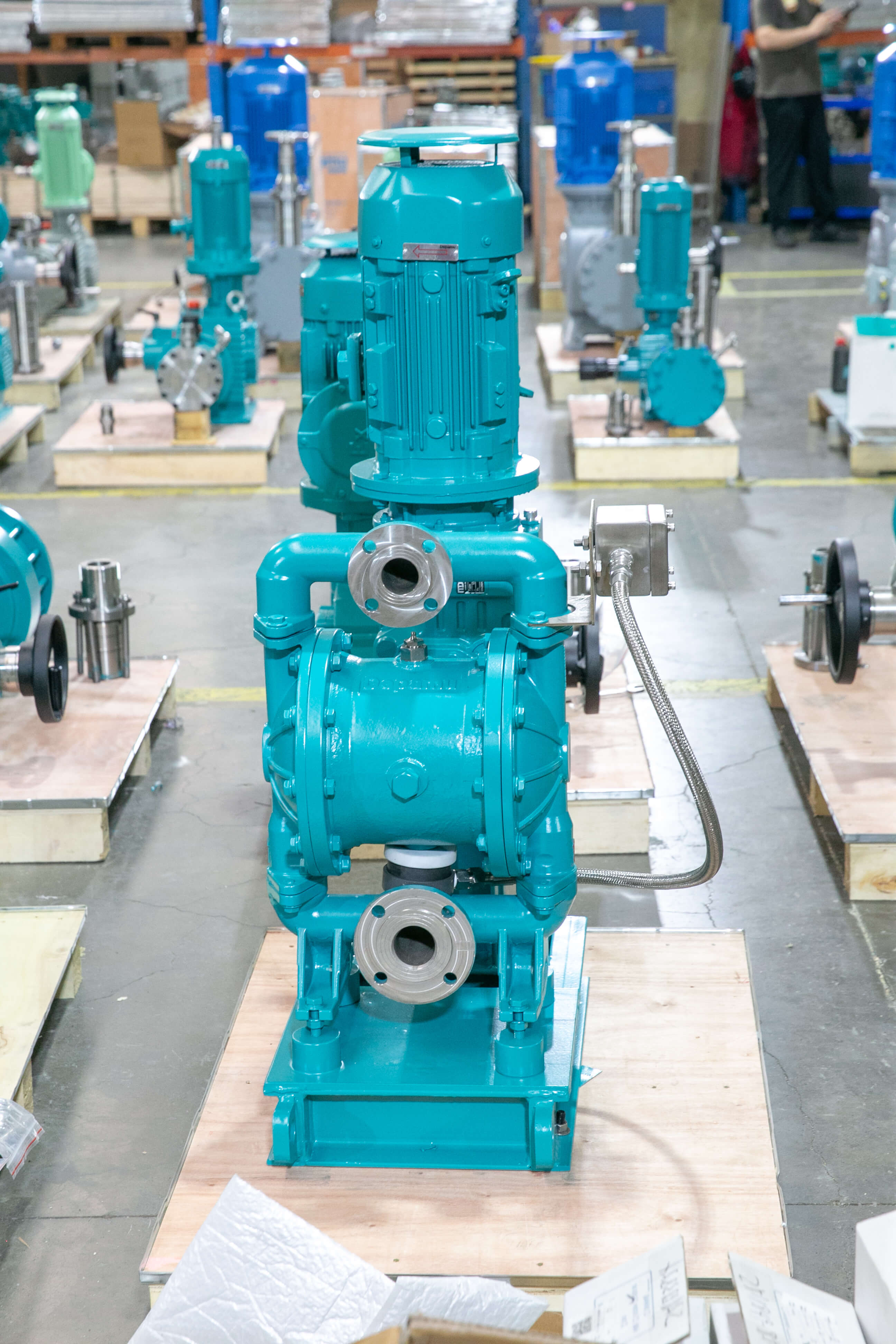
Electric diaphragm pumps operate using a reciprocating diaphragm mechanism driven by an electric motor. This design creates pressure differentials that move fluids through the system while maintaining complete separation between the pump mechanism and the process fluid. The hydraulic diaphragm configuration, particularly in our hydraulic diaphragm metering pumps, offers distinct advantages for industrial applications requiring precise control and leak-free operation.
The core working principle involves an electric motor driving a crankshaft mechanism that flexes the diaphragm back and forth. This movement creates suction on the intake stroke and pressure on the discharge stroke, enabling consistent fluid transfer. Our pumps feature advanced hydraulic systems that amplify this motion, allowing for precise adjustment of flow rates through stroke length modification and frequency control.
Compared to other pump types, electric diaphragm pumps excel in applications requiring:
- Precise metering of chemicals (±1% accuracy)
- Handling of corrosive, abrasive, or viscous fluids
- Self-priming capabilities (up to 8 meters)
- Dry run protection without damage
- Variable flow control without pressure loss
Key Selection Criteria for Industrial Diaphragm Pumps
Choosing the right electric diaphragm pump requires careful evaluation of several critical parameters that align with your specific application requirements. Based on our 20+ years of experience serving petroleum refining, chemical processing, nuclear power, and other demanding industries, we’ve identified these essential selection factors:
1. Flow Rate Requirements
Determine your required flow rate range (L/h or GPH) based on process demands. Our metering pumps offer adjustable flow rates from 0.5 L/h up to 20,000 L/h, accommodating both small-scale laboratory applications and large industrial processes. Consider future scalability needs when selecting your pump’s capacity.
2. Pressure Rating
Evaluate the system pressure requirements, including discharge pressure and suction lift. Our high-pressure process reciprocating pumps can handle pressures up to 35MPa (5,076 psi), making them ideal for demanding applications like oilfield water injection and pipeline boosting. For standard chemical dosing, our metering pumps typically operate at 0-10MPa (0-1,450 psi).
3. Material Compatibility
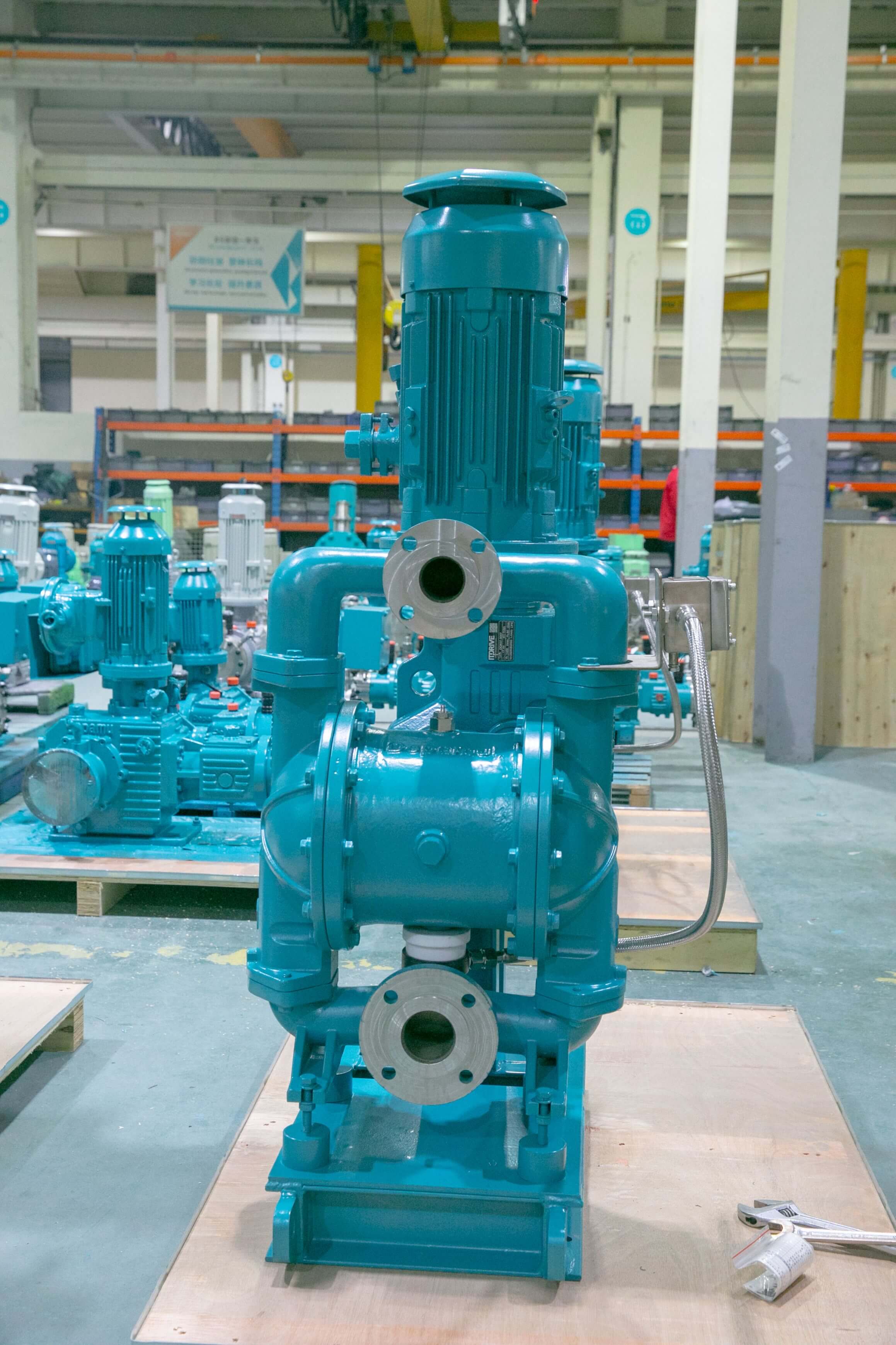
The wetted parts material must resist corrosion from the processed fluids. We offer diaphragm materials including PTFE, PVDF, and stainless steel, with options for Hastelloy, titanium, and other special alloys for extreme conditions. Our pump bodies come in cast iron, stainless steel, or engineered plastics depending on the application.
4. Viscosity Handling
For viscous fluids (above 500 cSt), select pumps specifically designed for high-viscosity applications. Our screw pumps and specialized diaphragm pump configurations can handle viscosities up to 1,000,000 cSt, making them suitable for heavy oils, polymers, and slurries.
5. Control Options
Modern industrial processes demand precise control capabilities. Our electric diaphragm pumps feature:
- Manual stroke adjustment
- Variable frequency drives (VFD) for electronic speed control
- 4-20mA signal input for process automation
- PLC integration capabilities
- Remote monitoring and control systems
Specialized Solutions for Different Industries
As a comprehensive fluid equipment provider, we’ve developed specialized diaphragm pump solutions tailored to specific industry requirements:
Chemical Processing Industry
Our hydraulic diaphragm metering pumps provide leak-free operation for injecting acids, bases, and other hazardous chemicals. Features include:
- Double diaphragm with diaphragm rupture detection
- PTFE or PVDF wetted parts for chemical resistance
- Explosion-proof motor options for hazardous areas
- ATEX and CE certifications
Oil & Gas Sector
For upstream and downstream applications, our high-pressure reciprocating pumps deliver reliable performance in:
- Well stimulation and cementing
- Chemical injection for enhanced oil recovery
- Pipeline pressure testing
- Crude oil transfer
Water Treatment Applications
Our automatic chemical dosing systems integrate seamlessly into water treatment processes:
- pH adjustment and coagulation
- Disinfection with chlorine or ozone
- Corrosion inhibition
- Scale prevention
| Industry | Application | Recommended Pump Type |
|---|---|---|
| Petrochemical | Catalyst injection | Hydraulic diaphragm metering pump |
| Power Generation | Boiler water treatment | Automatic chemical dosing system |
| Oil & Gas | Wellhead chemical injection | High-pressure process pump |
| Food & Beverage | Flavor additive dosing | Sanitary diaphragm pump |
Customization Capabilities for Unique Requirements
With our comprehensive in-house capabilities covering R&D, manufacturing, and system integration, we specialize in developing customized diaphragm pump solutions for challenging applications. Our customization services include:
1. Material Selection
We offer an extensive range of materials for wetted parts and pump construction to match your specific fluid properties and environmental conditions. Our material selection process considers:
- Chemical compatibility charts
- Temperature resistance
- Pressure ratings
- Abrasion resistance
- Certification requirements (FDA, NSF, etc.)
2. Mechanical Modifications
Our engineering team can modify standard pump designs to accommodate:
- Special port configurations
- Custom mounting arrangements
- Extended shaft options for motor coupling
- Special seals for high-temperature applications
- Explosion-proof motor enclosures
3. Control System Integration
For automated processes, we develop complete control solutions that include:
- PLC programming
- HMI interfaces
- Remote monitoring capabilities
- Fail-safe mechanisms
- Data logging and reporting
FAQ
What makes hydraulic diaphragm metering pumps suitable for chemical injection?
Hydraulic diaphragm metering pumps use a hydraulic system to amplify diaphragm movement, enabling precise flow control (typically ±1% accuracy) while maintaining complete separation between the process fluid and pump mechanism. This design prevents leaks and allows safe handling of corrosive, toxic, or hazardous chemicals.
How do I determine the correct pump size for my application?
To select the right pump size, calculate your maximum required flow rate and system pressure, then add safety margins (typically 10-20%). Consider future process changes that might increase demand. Our application engineers can assist with detailed sizing calculations based on your specific process parameters.
What maintenance is required for electric diaphragm pumps?
Regular maintenance includes checking diaphragm condition, inspecting seals, verifying lubrication levels, and calibrating flow rates. Our pumps feature easy access for maintenance, with modular designs that allow quick replacement of wear parts. We recommend following the maintenance schedule outlined in your pump’s operation manual.
Can your pumps handle viscous fluids?
Yes, we offer specialized pumps for viscous applications. Our screw pumps can handle viscosities up to 1,000,000 cSt, while our modified diaphragm pumps can process fluids up to 50,000 cSt. For extremely viscous fluids, we recommend heating the fluid or reducing the pump speed.
What certifications do your pumps have?
Our products comply with international standards including CE, ATEX, ISO 9001, and API 675 (for metering pumps). We can provide pumps with specific certifications required for your industry or region, including explosion-proof certifications for hazardous areas.
Summary
Selecting the right electric diaphragm pump requires careful consideration of your specific application requirements, including flow rate, pressure, fluid properties, and control needs. As a comprehensive fluid equipment provider with over two decades of industry experience, Depamp (Hangzhou) Pump Technology Co., Ltd. offers a wide range of standardized and customized solutions to meet your most demanding industrial challenges. Our commitment to quality is demonstrated by our 35,000m² manufacturing facility, 400+ skilled employees, and continuous investment in R&D and advanced production equipment.
Whether you need a standard hydraulic diaphragm metering pump for chemical dosing, a high-pressure process pump for oilfield applications, or a fully integrated chemical dosing system, our team of experts will work with you to develop the optimal solution. Contact us today to discuss your specific requirements and discover how our innovative pump technologies can enhance your industrial processes.