
When it comes to industrial fluid handling, selecting the right metering pump is crucial for ensuring precise chemical injection, reliable operation, and cost-effective performance. Piston diaphragm metering pumps, known for their accuracy and durability, have become essential equipment in various industries including petrochemical, water treatment, and pharmaceutical manufacturing. This comprehensive guide will walk you through the key considerations for selecting the ideal piston diaphragm metering pump for your specific application needs.
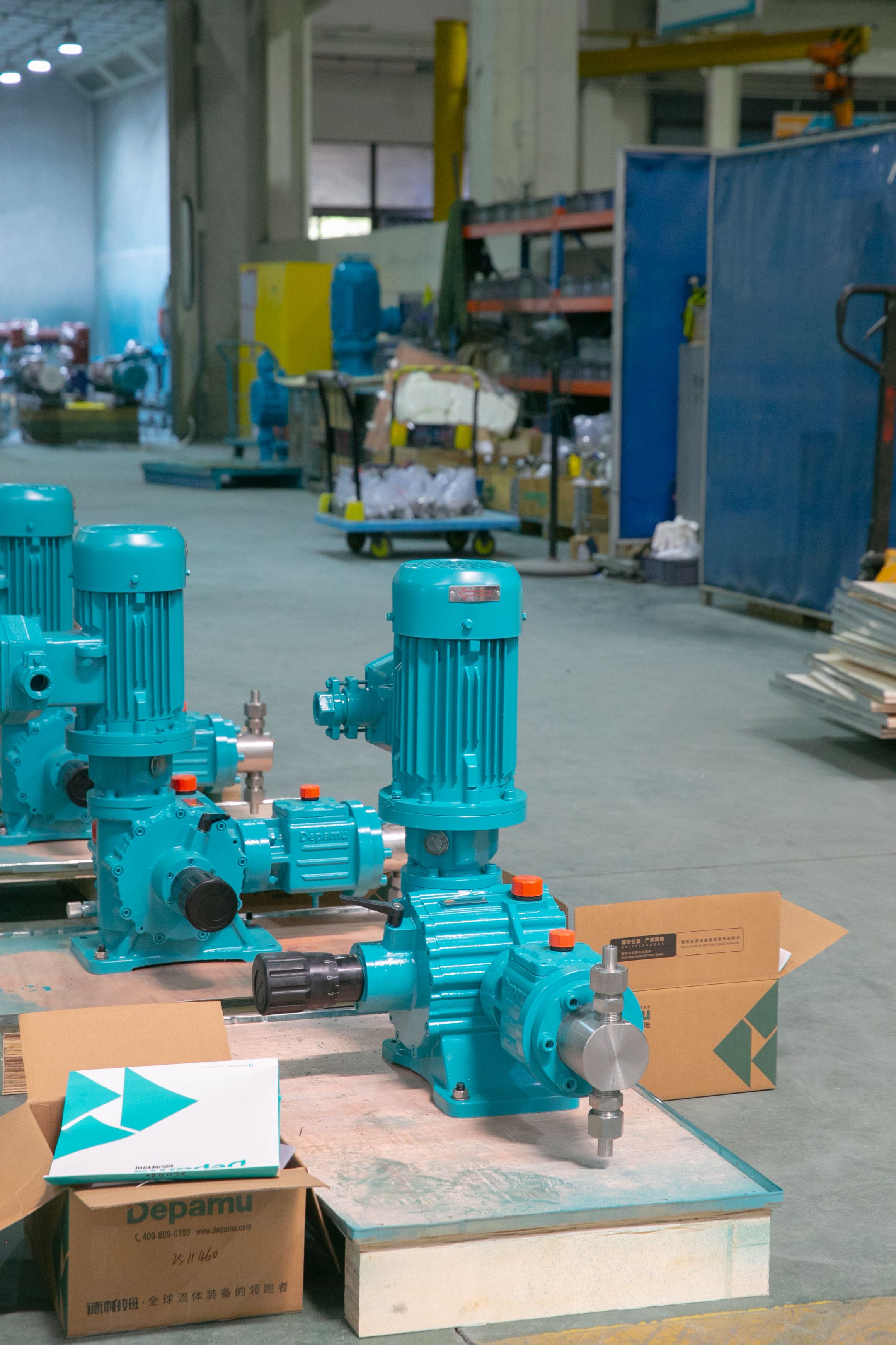
Understanding Piston Diaphragm Metering Pumps
Piston diaphragm metering pumps combine the precision of piston metering with the safety of diaphragm technology, making them ideal for handling corrosive, abrasive, or hazardous chemicals. These pumps operate through a reciprocating piston that drives a flexible diaphragm, creating a sealed chamber that prevents leakage while maintaining accurate flow rates. The hydraulic diaphragm design ensures complete separation between the process fluid and the pump mechanism, eliminating contamination risks and extending equipment life.
Depamp (Hangzhou) Pump Technology, a leading manufacturer with over 20 years of experience in fluid equipment, offers a comprehensive range of piston diaphragm metering pumps under its “Depamp” brand. Our pumps are engineered to meet the most demanding industrial requirements, featuring precision-machined components, advanced materials, and intelligent control systems.
Key Selection Criteria for Piston Diaphragm Metering Pumps
Choosing the right metering pump requires careful evaluation of several critical factors that impact performance, reliability, and total cost of ownership. Here are the essential considerations when selecting a piston diaphragm metering pump:
1. Flow Rate Requirements
The first step in pump selection is determining your required flow rate range. Piston diaphragm pumps typically offer flow rates from 0.1 L/h up to 50,000 L/h, depending on the model and configuration. Consider both your minimum and maximum flow needs, as well as any potential future expansion requirements. Depamp’s pumps can be customized to meet specific flow parameters while maintaining ±1% accuracy.
2. Pressure Capabilities
Different applications require varying pressure levels. Our piston diaphragm pumps can handle pressures up to 35MPa (5,000 psi), making them suitable for high-pressure applications like oilfield injection, reverse osmosis systems, and chemical processing. Always select a pump with a maximum pressure rating higher than your system’s operating pressure to ensure safety margins.
3. Chemical Compatibility
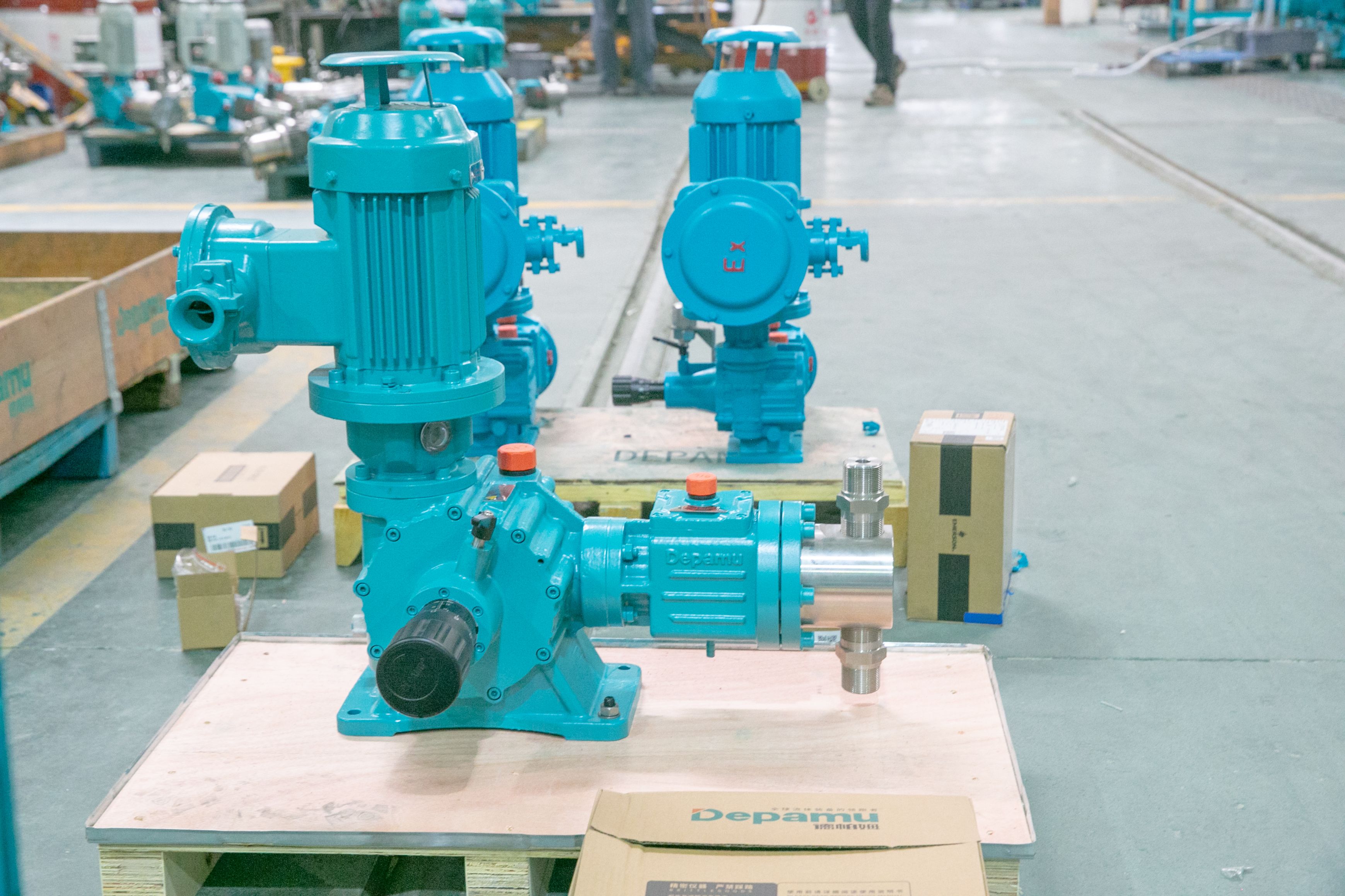
The materials of construction must be compatible with the chemicals being pumped to prevent corrosion and ensure long service life. Depamp offers pumps with various wetted parts materials including stainless steel 316L, Hastelloy, PTFE, and PVC, capable of handling acids, alkalis, solvents, and other aggressive fluids. Our engineers can help select the optimal material combination based on your specific chemical properties.
4. Viscosity Considerations
While piston diaphragm pumps excel at handling low to medium viscosity fluids, some applications involve high-viscosity substances. Depamp’s pumps can be equipped with specialized valves and heating jackets to accommodate viscosities up to 10,000 cP, making them suitable for pumping polymers, resins, and other thick substances.
5. Control and Automation
Modern industrial processes demand precise control and integration capabilities. Our metering pumps feature advanced control options including:
- Variable speed drives for proportional control
- 4-20mA signal input for process automation
- Digital displays with batch control functions
- Remote monitoring and diagnostic capabilities
- Integration with SCADA and DCS systems
6. Safety Features
Safety is paramount when handling hazardous chemicals. Depamp’s pumps incorporate multiple safety features such as:
- Diaphragm rupture detection systems
- Pressure relief valves
- Leak detection sensors
- Explosion-proof motor options
- Double mechanical seals
Application Scenarios for Piston Diaphragm Metering Pumps
The versatility of piston diaphragm metering pumps makes them suitable for a wide range of industrial applications. Here are some typical use cases where Depamp’s pumps deliver exceptional performance:
1. Water Treatment Industry
In municipal and industrial water treatment plants, precise chemical dosing is essential for processes like coagulation, flocculation, disinfection, and pH adjustment. Our pumps accurately inject chemicals such as chlorine, sodium hypochlorite, alum, and polyelectrolytes, ensuring optimal water quality while minimizing chemical waste.
2. Petroleum and Chemical Processing
The petrochemical industry relies on metering pumps for various applications including catalyst injection, corrosion inhibitors, scale inhibitors, and demulsifiers. Our high-pressure pumps are designed to withstand harsh environments and handle aggressive chemicals commonly found in refineries and chemical plants.
3. Pharmaceutical Manufacturing
Pharmaceutical production demands the highest standards of accuracy and cleanliness. Depamp’s hygienic metering pumps meet stringent requirements for GMP compliance, featuring sanitary connections, electropolished surfaces, and materials approved for pharmaceutical use. These pumps are ideal for injecting active ingredients, solvents, and other critical components.
4. Food and Beverage Industry
Our food-grade metering pumps are designed for safe handling of ingredients and additives in food processing applications. With materials certified to FDA standards and designs that prevent product contamination, these pumps accurately dose flavors, colors, preservatives, and vitamins in various food and beverage production lines.
5. Power Generation
In power plants, metering pumps play vital roles in boiler water treatment, cooling water treatment, and flue gas desulfurization (FGD) systems. Our pumps reliably inject chemicals like ammonia, lime slurry, and antiscale agents to maintain equipment efficiency and comply with environmental regulations.
| Parameter | Depamp Piston Diaphragm Pump Range | Industry Standard |
|---|---|---|
| Flow Rate | 0.1-50,000 L/h | 0.5-20,000 L/h |
| Pressure | Up to 35MPa | Up to 25MPa |
| Accuracy | ±1% | ±2% |
| Viscosity | Up to 10,000 cP | Up to 1,000 cP |
| Temperature | -20°C to +150°C | -10°C to +120°C |
Customized Solutions from Depamp Pump Technology
At Depamp, we understand that standard products may not always meet the unique requirements of every application. That’s why we offer comprehensive customization services to design and manufacture piston diaphragm metering pumps tailored to your specific needs. Our capabilities include:
- Material selection based on chemical compatibility
- Specialized valve designs for high-viscosity fluids
- Custom pressure and flow rate configurations
- Explosion-proof and ATEX-certified designs
- Skid-mounted and containerized dosing systems
- Integration with existing process control systems
Our engineering team works closely with clients to understand their process requirements, operational constraints, and performance expectations. From initial concept to final installation, we provide end-to-end support to ensure your customized solution delivers optimal performance and reliability.
FAQ
What makes piston diaphragm metering pumps different from other types?
Piston diaphragm pumps combine the precision of piston metering with the safety of diaphragm technology. The hydraulic diaphragm design creates a sealed chamber that prevents leakage while maintaining accurate flow rates, making them ideal for handling corrosive or hazardous chemicals without contamination risks.
How do I determine the right flow rate for my application?
To select the appropriate flow rate, calculate your maximum chemical consumption rate under normal operating conditions, then add a safety margin (typically 10-20%). Consider both instantaneous flow requirements and daily dosing volumes. Our engineers can help you perform these calculations accurately.
What maintenance is required for piston diaphragm pumps?
Regular maintenance includes checking diaphragm condition, inspecting valves for wear, verifying pressure settings, and lubricating moving parts as needed. Depamp’s pumps are designed for easy maintenance with quick-access components and wear parts that can be replaced without specialized tools.
Can these pumps handle abrasive fluids?
Yes, Depamp offers pumps with hardened materials and specialized valve designs that can handle abrasive slurries and suspensions. For extremely abrasive applications, we recommend pumps with ceramic-lined components or tungsten carbide valves to maximize service life.
What control options are available for process automation?
Our pumps support various control methods including pulse input, 4-20mA analog signals, Profibus/Modbus communication, and batch control functions. We can integrate pumps with your existing DCS or SCADA system for complete process automation and remote monitoring capabilities.
Summary
Selecting the right piston diaphragm metering pump requires careful consideration of flow rate, pressure, chemical compatibility, and application requirements. Depamp (Hangzhou) Pump Technology offers a comprehensive range of high-precision metering pumps designed to meet the most demanding industrial needs. With over two decades of experience in fluid equipment manufacturing, our expertise spans petrochemical, water treatment, pharmaceutical, food processing, and power generation industries.
Our commitment to quality is reflected in our ISO 9001 certification, advanced manufacturing facilities, and rigorous testing procedures. Each pump undergoes comprehensive performance testing before delivery to ensure reliability in real-world operations. Whether you need a standard product or a customized solution, our engineering team is ready to provide expert guidance and support throughout your project lifecycle.
Contact Depamp Pump Technology today to discuss your specific requirements and discover how our piston diaphragm metering pumps can optimize your chemical dosing processes while reducing operating costs and improving system reliability.