
When it comes to industrial fluid handling, selecting the right pump technology is crucial for operational efficiency, reliability, and cost-effectiveness. Metal rotor pumps, also known as rotary lobe pumps or cam pumps, have emerged as a preferred solution for demanding applications across various industries. This comprehensive guide explores everything you need to know about metal rotor pumps, from selection criteria to leading manufacturers and real-world applications.
Understanding Metal Rotor Pumps: Technology and Advantages
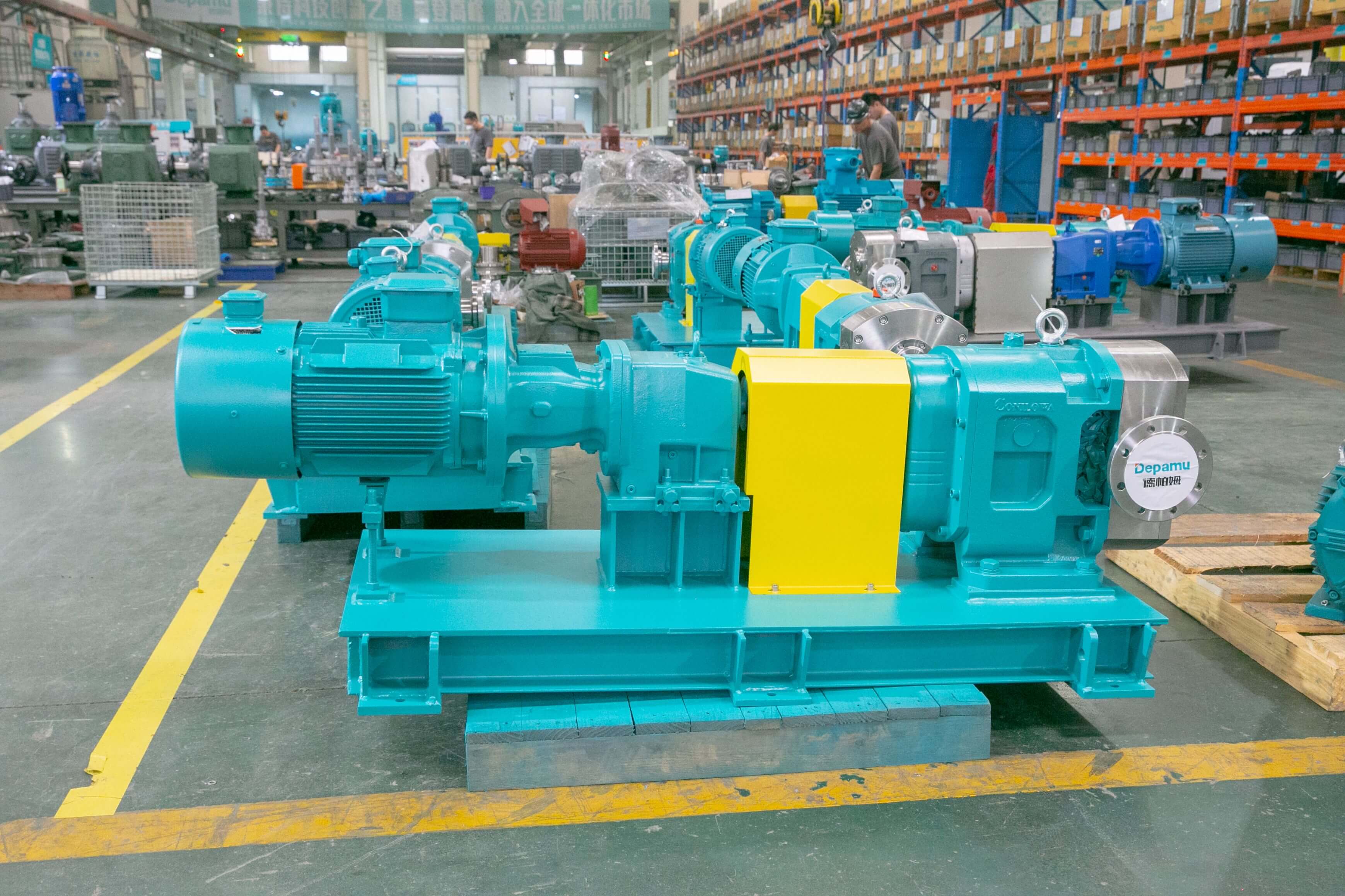
Metal rotor pumps belong to the positive displacement pump family, characterized by their ability to move precise volumes of fluid with each revolution. These pumps feature two or more lobed rotors that rotate in opposite directions within a pump casing, creating suction on the intake side and discharging fluid through the outlet.
The key advantages of metal rotor pumps include:
- Gentle handling: Ideal for shear-sensitive fluids as the pumping action minimizes fluid degradation
- Versatility: Can handle a wide range of viscosities from thin liquids to thick slurries
- Solid handling: Capable of passing solids without clogging or damage
- Reversible flow: Fluid direction can be easily reversed by changing rotor rotation
- Dry running capability: Some models can operate briefly without fluid
- Low maintenance: Fewer moving parts compared to other pump types
These characteristics make metal rotor pumps particularly valuable in applications where product integrity, reliability, and operational flexibility are paramount.
How to Select the Right Metal Rotor Pump for Your Application
Choosing the optimal metal rotor pump requires careful consideration of several critical factors:
1. Fluid Characteristics
Analyze your fluid’s properties including viscosity, temperature, corrosiveness, abrasiveness, and the presence of solids. For example, Depump’s hydraulic diaphragm metering pumps excel with corrosive chemicals, while their high-pressure process reciprocating pumps handle viscous fluids up to 35MPa.
2. Flow Rate Requirements
Determine your required flow rate in liters per minute (LPM) or gallons per minute (GPM). Metal rotor pumps typically range from 1 LPM to over 1,000 LPM, with some specialized models exceeding this range.
3. Pressure Considerations
Evaluate your system’s pressure requirements. While metal rotor pumps generally operate at moderate pressures (up to around 15 bar), specialized models like Depump’s high-pressure process pumps can reach 35MPa for demanding applications.
4. Material Compatibility
Select pump materials based on fluid compatibility. Common options include stainless steel for corrosive fluids, cast iron for general industrial use, and specialized alloys for extreme conditions. Depump offers custom material selection based on your specific media requirements.
5. Sealing Options
Choose appropriate sealing methods to prevent leaks. Mechanical seals are common, but for particularly hazardous fluids, Depump’s hydraulic diaphragm design offers completely leak-free operation.
6. Drive Configuration
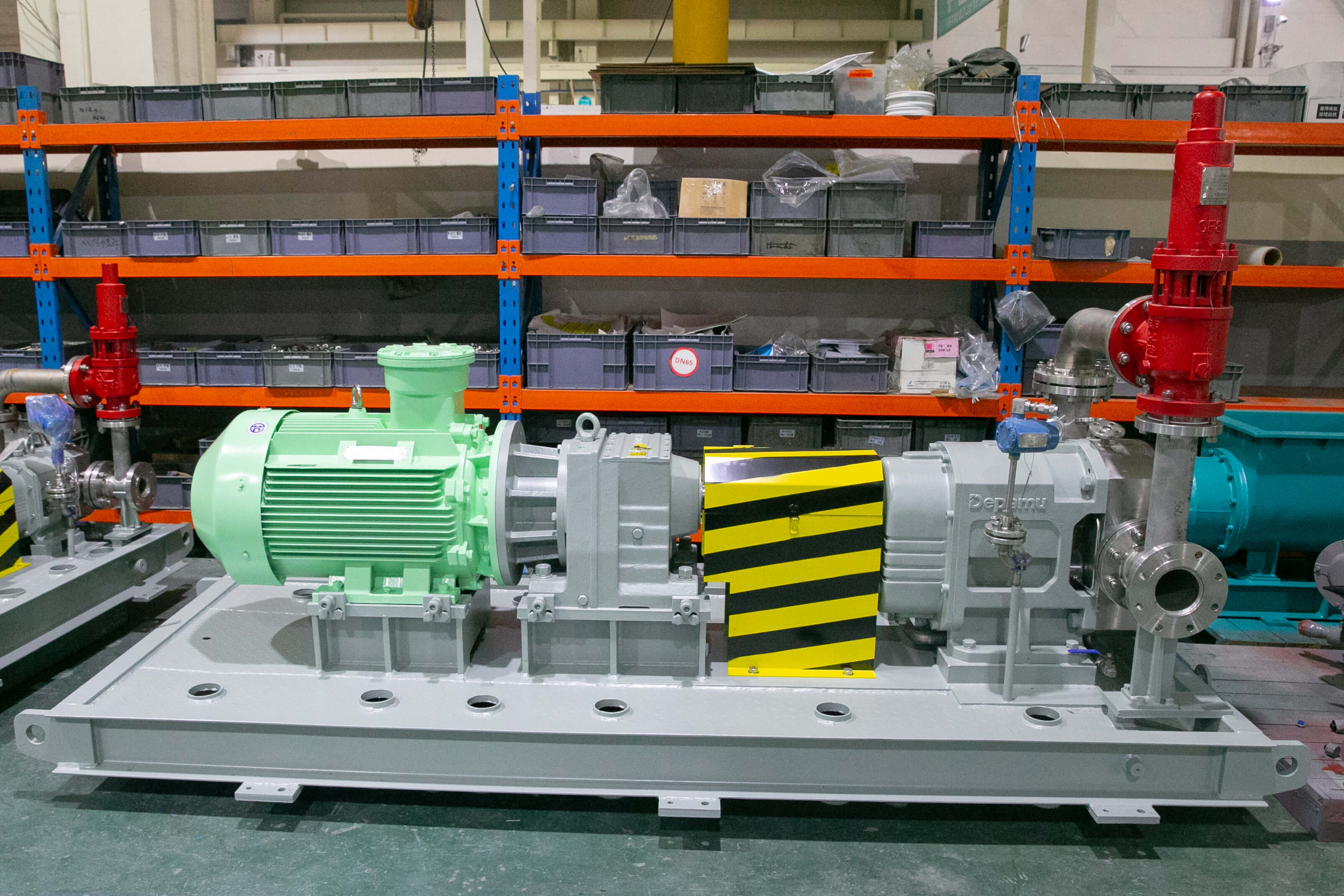
Consider whether you need direct drive, gear reduction, or variable speed drives. Variable frequency drives (VFDs) offer precise flow control and energy savings by adjusting pump speed to match demand.
7. Sanitary Requirements
For food, beverage, or pharmaceutical applications, select pumps with sanitary designs featuring polished surfaces, easy disassembly for cleaning, and FDA-compliant materials. Depump’s pumps meet stringent hygiene standards for these industries.
Top Metal Rotor Pump Manufacturers and Their Offerings
When sourcing metal rotor pumps, partnering with reputable manufacturers ensures quality, reliability, and support. Here are some leading global manufacturers to consider:
1. Depump (Hangzhou) Pump Industry Science & Technology Co., Ltd.
A Chinese manufacturer with 20+ years of experience in high-end positive displacement pumps, Depump offers:
- Rotary lobe pumps: Ideal for viscous fluids, slurries, and applications requiring gentle handling
- Hydraulic diaphragm metering pumps: Precision chemical dosing with zero leakage
- High-pressure process reciprocating pumps: Up to 35MPa for demanding industrial applications
- Custom solutions: Tailored designs based on your specific process requirements
Depump’s strength lies in its comprehensive capabilities from R&D to complete system delivery, serving industries like petrochemicals, power generation, and water treatment.
2. Other Global Manufacturers
While Depump offers excellent value with its combination of German-influenced technology and Chinese manufacturing efficiency, other notable international manufacturers include:
- Boerger: German manufacturer known for its BioCell rotary lobe pumps
- Alfa Laval: Swedish company offering a wide range of rotary lobe pumps for various industries
- Vogelsang: German specialist in rotary lobe pumps for wastewater and biogas applications
- Netzsch: German manufacturer providing progressive cavity pumps alongside rotary lobe models
When comparing manufacturers, consider factors like product range, customization capabilities, after-sales support, and overall value proposition.
Real-World Applications of Metal Rotor Pumps
Metal rotor pumps find application across numerous industries due to their versatility and reliability:
1. Oil and Gas Industry
In upstream operations, rotary lobe pumps transfer drilling muds and cement slurries. Downstream, they handle crude oil transfer and refinery processes. Depump’s high-pressure models excel in these demanding environments.
2. Chemical Processing
For chemical transfer and dosing applications, metal rotor pumps provide precise, reliable operation with corrosive fluids. Depump’s hydraulic diaphragm metering pumps offer an ideal solution with their leak-free design.
3. Food and Beverage
Sanitary rotary lobe pumps gently transfer products like yogurt, peanut butter, and chocolate without altering their texture or composition. Depump’s food-grade models meet strict hygiene standards.
4. Wastewater Treatment
Metal rotor pumps efficiently handle sludge, screenings, and various wastewater treatment chemicals. Depump’s complete chemical dosing systems automate this critical process.
5. Pharmaceutical Industry
For sterile product transfer and CIP (Clean-in-Place) systems, sanitary rotary lobe pumps provide the necessary precision and cleanability. Depump offers models compliant with pharmaceutical industry regulations.
Comparing Metal Rotor Pumps with Alternative Technologies
Understanding how metal rotor pumps compare with other pump types helps in making informed decisions:
| Feature | Metal Rotor Pump | Centrifugal Pump | Gear Pump |
|---|---|---|---|
| Flow Type | Positive displacement | Kinetic | Positive displacement |
| Viscosity Handling | Excellent (high to very high) | Poor (low viscosity only) | Good (medium to high) |
| Solid Handling | Excellent | Poor | Limited |
| Pressure Capability | Moderate (up to ~15 bar) | Variable (depends on design) | High (up to several hundred bar) |
| Flow Pulsation | Low (with proper design) | None (steady flow) | High (noticeable pulsation) |
| Efficiency | Good (especially with viscous fluids) | Excellent (with low viscosity fluids) | Good (with proper viscosity) |
FAQ
What are the main differences between rotary lobe pumps and gear pumps?
Rotary lobe pumps and gear pumps are both positive displacement pumps, but they differ in several key aspects. Rotary lobe pumps use two or more lobed rotors that don’t touch each other or the pump casing, making them ideal for handling solids and shear-sensitive fluids. Gear pumps use meshing gears to move fluid, which makes them more compact but less suitable for fluids containing solids. Additionally, rotary lobe pumps typically generate less pulsation and can handle higher viscosities more effectively than gear pumps.
How do I determine the right size of metal rotor pump for my application?
Sizing a metal rotor pump involves considering both flow rate and pressure requirements. Start by calculating your required flow rate in liters per minute (LPM) or gallons per minute (GPM) based on your process needs. Then determine the pressure your system requires. Consult with a reputable manufacturer like Depump, who can analyze your specific application parameters including fluid viscosity, temperature, and system layout to recommend the optimal pump size and configuration.
Can metal rotor pumps handle abrasive fluids?
Yes, metal rotor pumps can handle abrasive fluids when properly specified. The key is selecting appropriate materials for the pump components that will be in contact with the abrasive media. Hardened stainless steel or specialized coatings can significantly extend pump life in abrasive applications. Additionally, some manufacturers offer replaceable liners or rotors that can be easily maintained or replaced as they wear, reducing long-term operating costs.
What maintenance is required for metal rotor pumps?
Metal rotor pumps generally require less maintenance than many other pump types due to their simple design with fewer moving parts. Typical maintenance includes periodic inspection of seals and bearings, lubrication of moving parts, and checking for wear on rotors and liners. Many modern designs feature easy disassembly for quick maintenance access. Following the manufacturer’s recommended maintenance schedule, such as Depump’s guidelines, ensures optimal performance and longevity.
How do metal rotor pumps compare in energy efficiency to other pump types?
The energy efficiency of metal rotor pumps depends on the application. For high-viscosity fluids, they often outperform centrifugal pumps in energy efficiency because positive displacement pumps maintain their efficiency across a wide viscosity range. However, for low-viscosity applications, centrifugal pumps may be more energy-efficient. Variable speed drives can significantly improve the energy efficiency of metal rotor pumps by matching pump speed to actual demand rather than running at full speed continuously.
Summary
Metal rotor pumps offer a versatile and reliable solution for demanding industrial fluid handling applications. Their ability to gently transfer shear-sensitive fluids, handle solids, and accommodate a wide range of viscosities makes them invaluable across industries from food processing to chemical manufacturing.
When selecting a metal rotor pump, consider factors like fluid characteristics, flow requirements, pressure needs, and material compatibility. Partnering with experienced manufacturers like Depump ensures access to high-quality equipment, custom solutions, and comprehensive support.
As industries continue to demand more efficient, reliable, and flexible pumping solutions, metal rotor pumps are well-positioned to meet these challenges. Their combination of robust design, gentle handling capabilities, and adaptability to various process conditions makes them an excellent choice for many industrial applications.