
In the realm of industrial fluid handling, external gear pumps stand as essential components for precise and reliable liquid transfer. As global industries demand increasingly specialized solutions, selecting the right external gear pump manufacturer becomes critical for operational success. This comprehensive guide explores the landscape of top external gear pump manufacturers, focusing on technical capabilities, industry applications, and customized solutions that meet modern industrial challenges.
Understanding External Gear Pump Technology
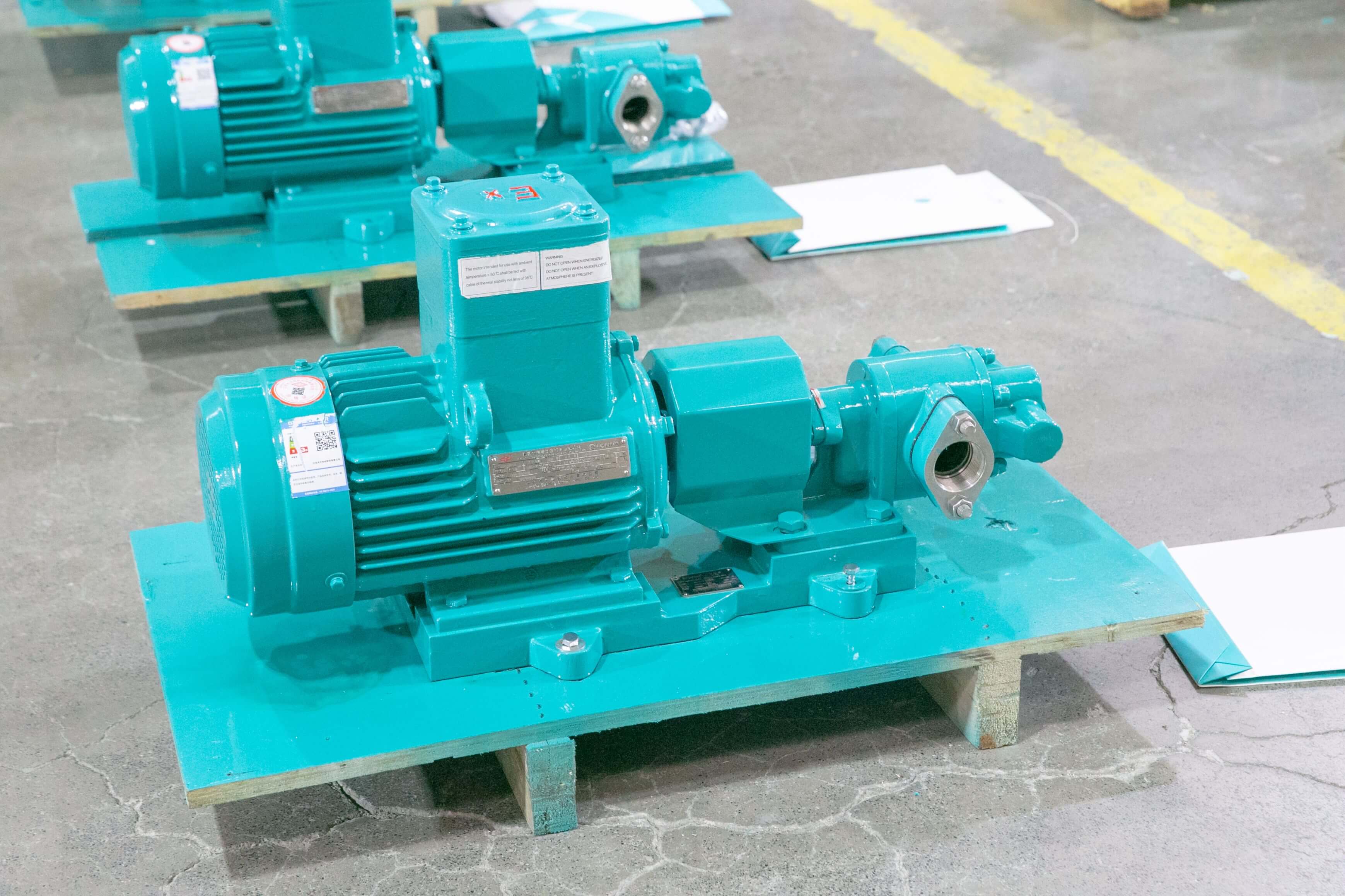
External gear pumps operate through the meshing of two gears—one driving and one driven—to create suction and discharge pressures. This positive displacement mechanism ensures consistent flow rates regardless of system pressure variations, making them ideal for precise metering applications. The external configuration (gears mounted outside the casing) enables easy maintenance and reduces contamination risks compared to internal gear designs.
Key technical advantages include:
- High volumetric efficiency (typically 85-95%)
- Ability to handle viscous fluids up to 1,000,000 cSt
- Self-priming capability up to 20 feet of lift
- Pressure capabilities exceeding 300 bar (4,350 psi)
- Compact design with minimal moving parts
These characteristics make external gear pumps indispensable in applications requiring precise flow control, such as chemical dosing, lubrication systems, and hydraulic power units. The technology’s versatility extends across industries from food processing to petrochemical refining.
Key Selection Criteria for Gear Pump Manufacturers
When evaluating external gear pump suppliers, several critical factors determine long-term operational success:
1. Material Construction Expertise
Leading manufacturers offer comprehensive material options including stainless steel (316/316L), duplex steel, Hastelloy, and titanium for corrosive environments. Specialized coatings like PTFE, ceramic, or nickel-based alloys extend pump life in abrasive applications. The ability to select optimal materials based on fluid properties (pH, temperature, viscosity) ensures reliable performance and reduced maintenance costs.
2. Customization Capabilities
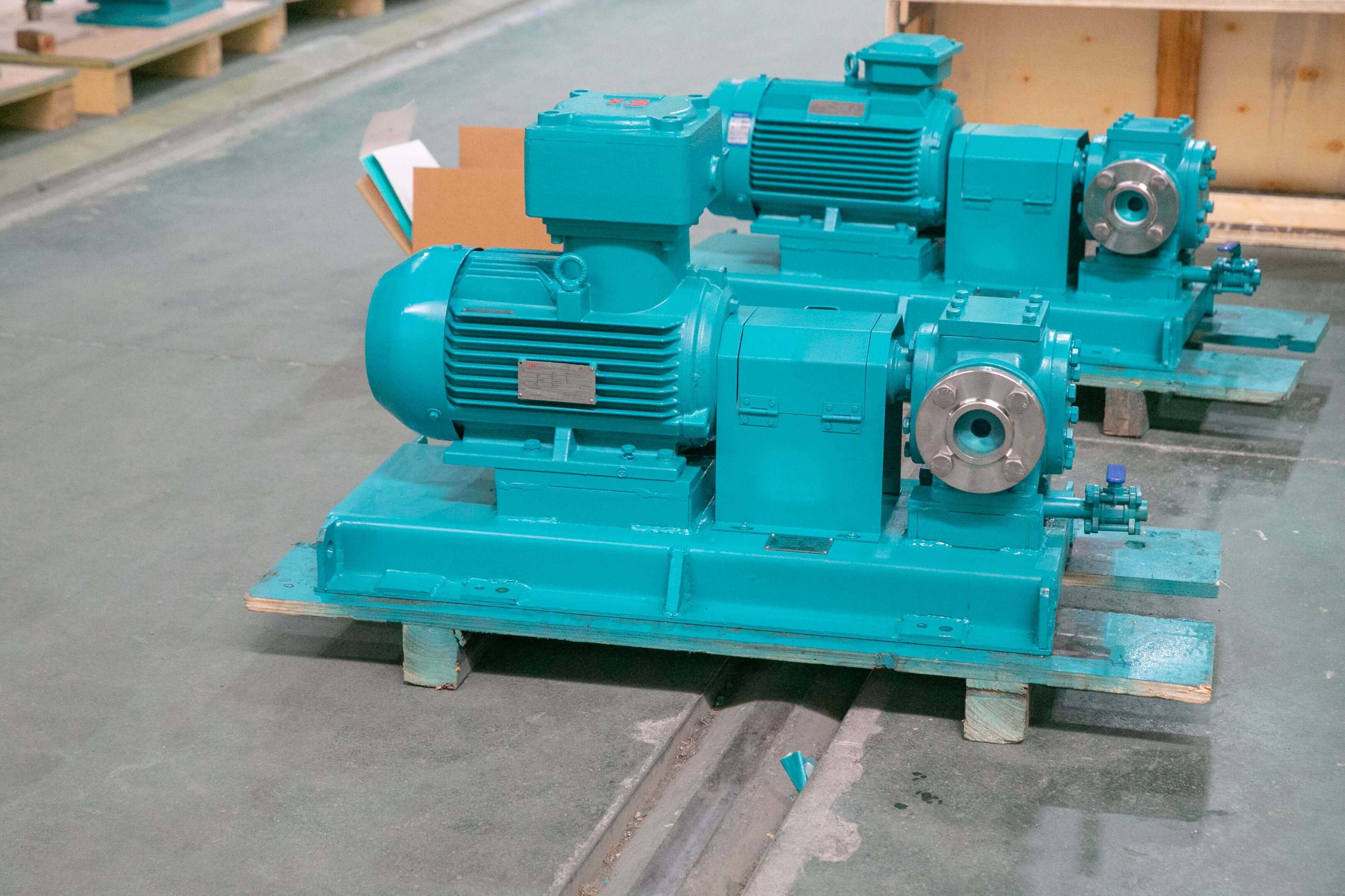
Advanced manufacturers provide engineering support for non-standard configurations. This includes modifications to port sizes, shaft materials, mounting flanges, and pressure ratings. Custom seals (mechanical, lip, or magnetic) address specific leakage requirements, while jacketed designs maintain fluid temperatures in sensitive processes.
3. Quality Certification Standards
Reputable manufacturers maintain ISO 9001:2015 certification with additional industry-specific approvals such as ATEX for explosive environments, API 676 for petrochemical applications, and 3-A Sanitary Standards for food processing. These certifications validate manufacturing processes and material traceability.
4. Global Service Network
International suppliers with regional service centers provide faster spare parts delivery and on-site technical support. Look for manufacturers offering 24/7 emergency assistance and preventive maintenance programs to minimize downtime.
Industry-Specific Gear Pump Solutions
Different sectors impose unique demands on fluid handling equipment. Top manufacturers develop specialized product lines for key industries:
Chemical Processing Applications
For corrosive chemical transfer, manufacturers offer pumps with PVDF or PTFE-lined casings and ANSI/DIN flange compatibility. These units handle aggressive media like sulfuric acid, sodium hydroxide, and chlorine solutions at temperatures up to 180°C (356°F). Double mechanical seals with external flush systems prevent process contamination.
Oil & Gas Sector Requirements
In upstream and midstream operations, gear pumps must withstand harsh conditions including H2S exposure, sand contamination, and pressure surges. Manufacturers provide API 676-compliant pumps with hardened gear faces, tungsten carbide bushings, and pressure ratings exceeding 1,000 bar (14,500 psi) for high-pressure injection applications.
Food & Beverage Industry
Hygienic design requirements mandate 3-A Sanitary Standard compliance with crevice-free construction, electropolished finishes (Ra ≤ 0.8μm), and FDA-approved elastomers. Tri-clamp connections and CIP/SIP capabilities simplify cleaning validation while maintaining product purity.
Comparative Analysis of Leading Manufacturers
The following table highlights key differentiators among top external gear pump suppliers:
| Manufacturer | Core Competencies | Industry Focus | Global Presence |
|---|---|---|---|
| Depamp Pump Technology | Custom engineering, API 676 compliance, 35,000m² manufacturing | Petrochemical, nuclear, renewable energy | 40+ countries, 15 service centers |
| Maag Pump Systems | Polymer processing expertise, ATEX certification | Plastics, chemicals, food | Global distribution network |
| Viking Pump | Universal seal technology, 3-A certification | Sanitary, chemical, industrial | North American focus |
FAQ
What maintenance intervals are recommended for external gear pumps?
Typical maintenance schedules range from 5,000 to 8,000 operating hours, depending on application severity. Critical components requiring regular inspection include mechanical seals, bushings, and gear wear. Depamp Pump Technology provides predictive maintenance programs using vibration analysis and thermal imaging to optimize service intervals.
How do manufacturers ensure material compatibility with corrosive fluids?
Leading suppliers conduct extensive material testing using ASTM standards like G31 (immersion testing) and G48 (pitting resistance). Depamp maintains a comprehensive corrosion database covering over 200 chemicals at various concentrations and temperatures, enabling precise material selection for each application.
What are the advantages of magnetic drive gear pumps?
Magnetic drive designs eliminate shaft seals, preventing leakage of hazardous fluids. These hermetically sealed pumps suit applications requiring zero emissions, such as toxic chemical transfer or flammable liquids. Depamp’s magnetic drive series offers pressure capabilities up to 50 bar (725 psi) with flow rates to 100 m³/h.
Can gear pumps handle shear-sensitive fluids?
Yes, when properly specified. Low-speed gear pumps (below 600 rpm) minimize fluid degradation for shear-sensitive media like polymers, food emulsions, and biological samples. Depamp offers variable speed drives and gear profile optimizations to maintain fluid integrity in sensitive processes.
Summary
Selecting the right external gear pump manufacturer requires evaluating technical capabilities, industry expertise, and global support infrastructure. Depamp Pump Technology stands out with its 35,000m² manufacturing facility, 400+ engineering team, and comprehensive product range covering standard to API 676-compliant designs. The company’s ability to deliver customized solutions within 4-6 weeks—supported by 15 global service centers—makes it a preferred partner for complex industrial applications. For projects requiring precision, reliability, and long-term cost efficiency, Depamp offers proven solutions across petrochemical, nuclear, and renewable energy sectors.