
In modern industrial processes, the reliable delivery of fluids under high pressure conditions remains a critical challenge. High pressure process diaphragm reciprocating pumps have emerged as essential equipment across multiple sectors, from petrochemical refining to nuclear power generation. Depamump (Hangzhou) Pump Technology Co., Ltd., established in 2003, has positioned itself as a global leader in developing and manufacturing these sophisticated pumping systems, serving clients in over 50 countries with our advanced technology and customized solutions.
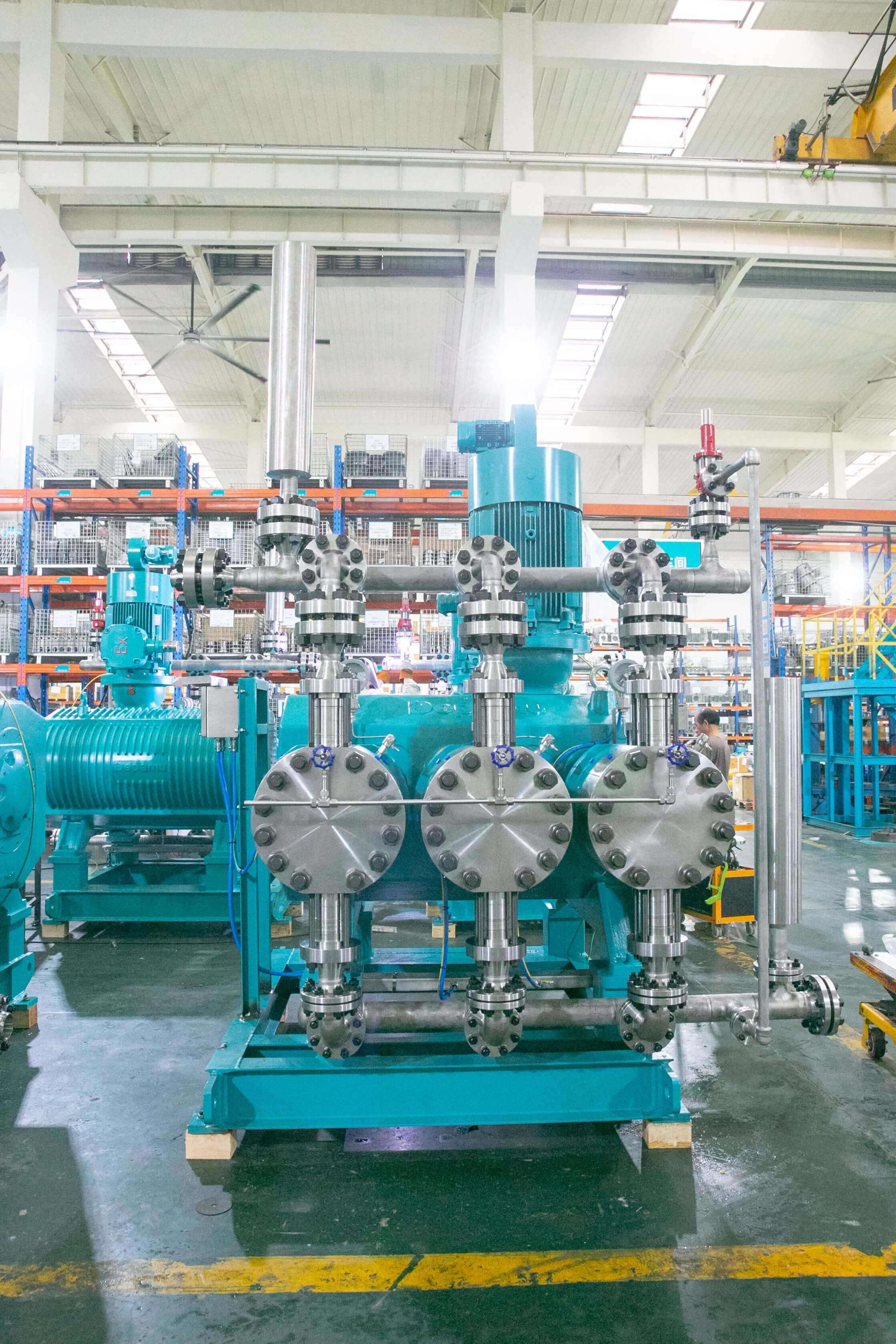
Understanding High Pressure Process Diaphragm Reciprocating Pumps
These specialized pumps represent the pinnacle of industrial fluid handling technology, combining precise metering capabilities with robust pressure generation. The core design features a reciprocating mechanism that drives a diaphragm through hydraulic or mechanical means, creating a hermetically sealed pumping chamber. This configuration offers several distinct advantages over traditional pump designs:
First, the diaphragm isolation completely separates the process fluid from the pump’s mechanical components, eliminating contamination risks and enabling handling of highly corrosive, abrasive, or toxic substances. Second, the reciprocating action provides exceptional pressure capabilities, with some models achieving over 35MPa (5,000 psi) output pressures. Third, the positive displacement principle ensures consistent flow rates regardless of system pressure variations, making these pumps ideal for precise chemical dosing applications.
Depamump’s engineering team has refined these basic principles through continuous innovation. Our latest generation pumps incorporate advanced materials science, with diaphragms made from PTFE composites, Hastelloy alloys, or other specialized polymers depending on the application requirements. The hydraulic end designs feature self-adjusting compensation systems that maintain optimal diaphragm tension throughout the pump’s operational life, significantly reducing maintenance needs and extending service intervals.
Key Applications Across Industrial Sectors
The versatility of high pressure process diaphragm reciprocating pumps makes them indispensable in numerous industrial scenarios. In the petrochemical industry, these pumps play vital roles in catalyst injection, polymer production, and refinery process streams where precise chemical addition is critical to product quality. Our clients in this sector report up to 98% dosing accuracy, with some installations maintaining this precision over continuous 24/7 operation for more than five years.
The nuclear power industry presents particularly demanding requirements, where our pumps handle radioactive fluid transfer and chemical dosing in primary and secondary cooling circuits. The hermetic sealing and zero-leakage design have made Depamump’s products the preferred choice for nuclear facilities worldwide, with several units operating reliably for over a decade in harsh radiation environments.
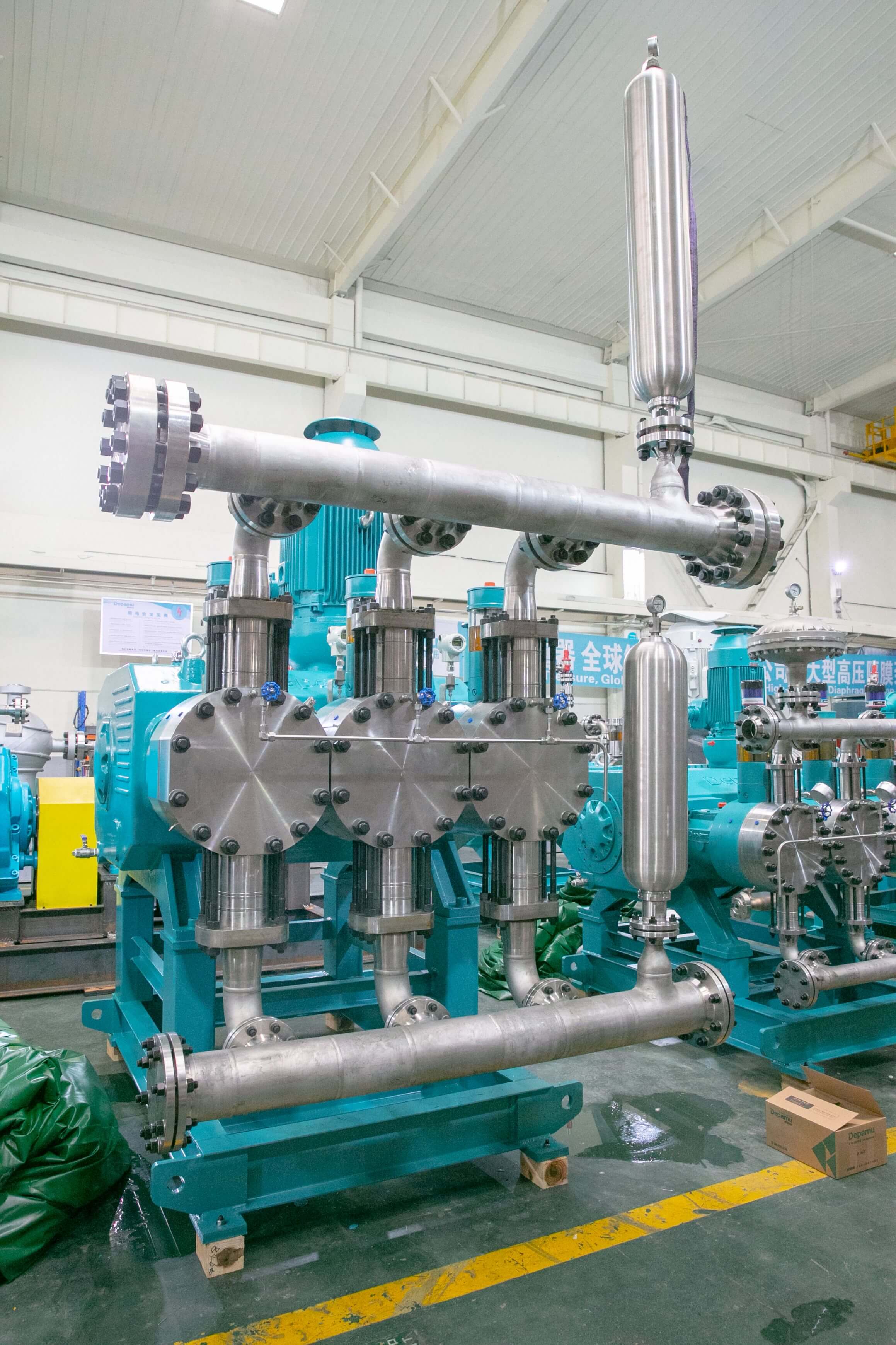
Water treatment applications benefit from the pumps’ ability to handle aggressive chemicals like chlorine dioxide, ozone, and various flocculants. Municipal water authorities and industrial wastewater treatment plants use our systems for precise pH adjustment, disinfection, and coagulation processes. The modular design allows easy integration with existing control systems, while the stainless steel construction ensures long-term corrosion resistance in wet environments.
In the food and beverage sector, our pumps meet stringent hygiene standards while delivering precise ingredient dosing. From flavoring addition in beverage production to enzyme injection in dairy processing, the pumps maintain consistent performance while withstanding frequent cleaning cycles. The smooth internal surfaces and FDA-compliant materials prevent bacterial growth and product contamination.
Technical Specifications Comparison
When selecting a high pressure process diaphragm reciprocating pump, several critical parameters require evaluation:
| Parameter | Standard Range | Depamump Advanced Models |
|---|---|---|
| Flow Rate | 0.1-500 L/h | 0.05-2,000 L/h (customizable) |
| Pressure Rating | Up to 250 bar | Up to 400 bar (special designs) |
| Temperature Range | -20°C to +150°C | -40°C to +200°C (optional) |
| Viscosity Handling | Up to 500 cP | Up to 10,000 cP (with special valves) |
| Material Options | PVC, PVDF, SS316 | Hastelloy, Titanium, Alloy C-276 |
Custom Engineering Solutions
What truly distinguishes Depamump in the global market is our commitment to customized engineering solutions. Recognizing that no two industrial processes are identical, we’ve developed a comprehensive approach to system design that begins with detailed consultation with our clients’ engineering teams. Our process starts with analyzing the specific fluid characteristics – including viscosity, corrosivity, temperature, and abrasiveness – along with the required flow rates, pressure profiles, and control precision.
For a recent project in the Middle East’s petrochemical sector, we engineered a complete chemical injection system for a new polyethylene plant. The client required precise injection of catalyst precursors at varying rates during different production phases, with absolute zero leakage to prevent catalyst contamination. Our solution combined multiple high pressure diaphragm pumps with a sophisticated control system that adjusted injection rates based on real-time production data from the plant’s DCS.
The system featured redundant pump configurations with automatic failover, ensuring continuous operation during maintenance. We incorporated special diaphragm materials resistant to the specific catalyst compounds while maintaining flexibility at low temperatures. The entire system was pre-assembled and tested at our factory, reducing installation time at the client site by 60% compared to traditional field-assembled systems.
Maintenance and Operational Excellence
While Depamump’s pumps are designed for minimal maintenance, proper operational practices significantly extend service life and ensure consistent performance. Our field service engineers have developed a comprehensive maintenance protocol based on thousands of installations worldwide:
Daily checks should focus on visual inspection for leaks, monitoring pressure gauges for abnormal fluctuations, and verifying control system readings. Monthly maintenance includes lubricating moving parts, checking diaphragm condition through pressure decay tests, and inspecting valve assemblies for wear. Annual overhauls typically involve replacing diaphragms, seals, and valves, along with thorough cleaning of the fluid end.
We’ve developed specialized diagnostic tools that connect to our pumps’ control interfaces, enabling remote monitoring and predictive maintenance. These systems analyze vibration patterns, pressure profiles, and operational hours to predict component wear before failure occurs. Several clients have reported reducing unplanned downtime by over 80% after implementing our predictive maintenance programs.
FAQ
What makes diaphragm pumps suitable for high pressure applications?
Diaphragm pumps achieve high pressure capabilities through their positive displacement design combined with robust hydraulic or mechanical actuation systems. The diaphragm itself acts as a flexible barrier that separates the process fluid from the pump’s mechanical components, allowing the use of strong materials for pressure generation without exposing them to corrosive substances. Depamump’s advanced designs incorporate multi-layer diaphragms with reinforced edges that can withstand pressures exceeding 400 bar in specialized applications.
How do you ensure zero leakage in your high pressure pumps?
Our zero-leakage design relies on three key elements: primary diaphragm sealing, secondary containment systems, and advanced material selection. The primary diaphragm forms a complete barrier between the process fluid and atmosphere, while secondary diaphragms or containment chambers provide redundancy. We use specialized materials like PTFE composites with embedded fabric reinforcement that maintain flexibility while preventing permeation, even with aggressive chemicals at high pressures.
What maintenance is required for high pressure diaphragm pumps?
Maintenance frequency depends on the application severity, but typically includes monthly diaphragm integrity checks, quarterly valve inspections, and annual overhauls. Depamump’s pumps feature modular designs that allow quick replacement of wear components without specialized tools. Our predictive maintenance systems analyze operational data to optimize service intervals, with some clients extending diaphragm life to over 24,000 operational hours through proper maintenance practices.
Can these pumps handle viscous fluids?
Yes, our high pressure diaphragm pumps can handle viscosities up to 10,000 cP with proper valve selection and speed adjustment. For highly viscous applications, we recommend larger pump heads with specialized valves that prevent fluid trapping and ensure complete discharge during each stroke. Our engineering team can provide viscosity correction factors to maintain accurate flow rates across different fluid consistencies.
Summary
Depamump’s high pressure process diaphragm reciprocating pumps represent the convergence of precision engineering and industrial robustness. With over two decades of experience serving global clients across diverse sectors, we’ve developed a comprehensive approach to fluid handling that addresses the most demanding challenges in modern industrial processes. Our commitment to continuous innovation, combined with a client-centric approach to customization, ensures that each pumping system delivers optimal performance, reliability, and cost-effectiveness.
From nuclear power plants requiring absolute containment to petrochemical facilities demanding precise chemical injection, our solutions have proven their value in the most critical applications. The combination of advanced materials, intelligent control systems, and comprehensive service support positions Depamump as the preferred partner for companies seeking to optimize their fluid handling operations while reducing total cost of ownership.