
In modern industrial processes, precise fluid handling under high pressure conditions is crucial for maintaining operational efficiency and product quality. High pressure process diaphragm reciprocating pumps have become indispensable equipment across various sectors including petrochemical, oilfield, nuclear power, and environmental protection. This comprehensive guide will help you understand the key selection criteria, application scenarios, and customization options for these specialized pumps, drawing on Depamp (Hangzhou) Pump Technology’s 20+ years of expertise in industrial fluid equipment.
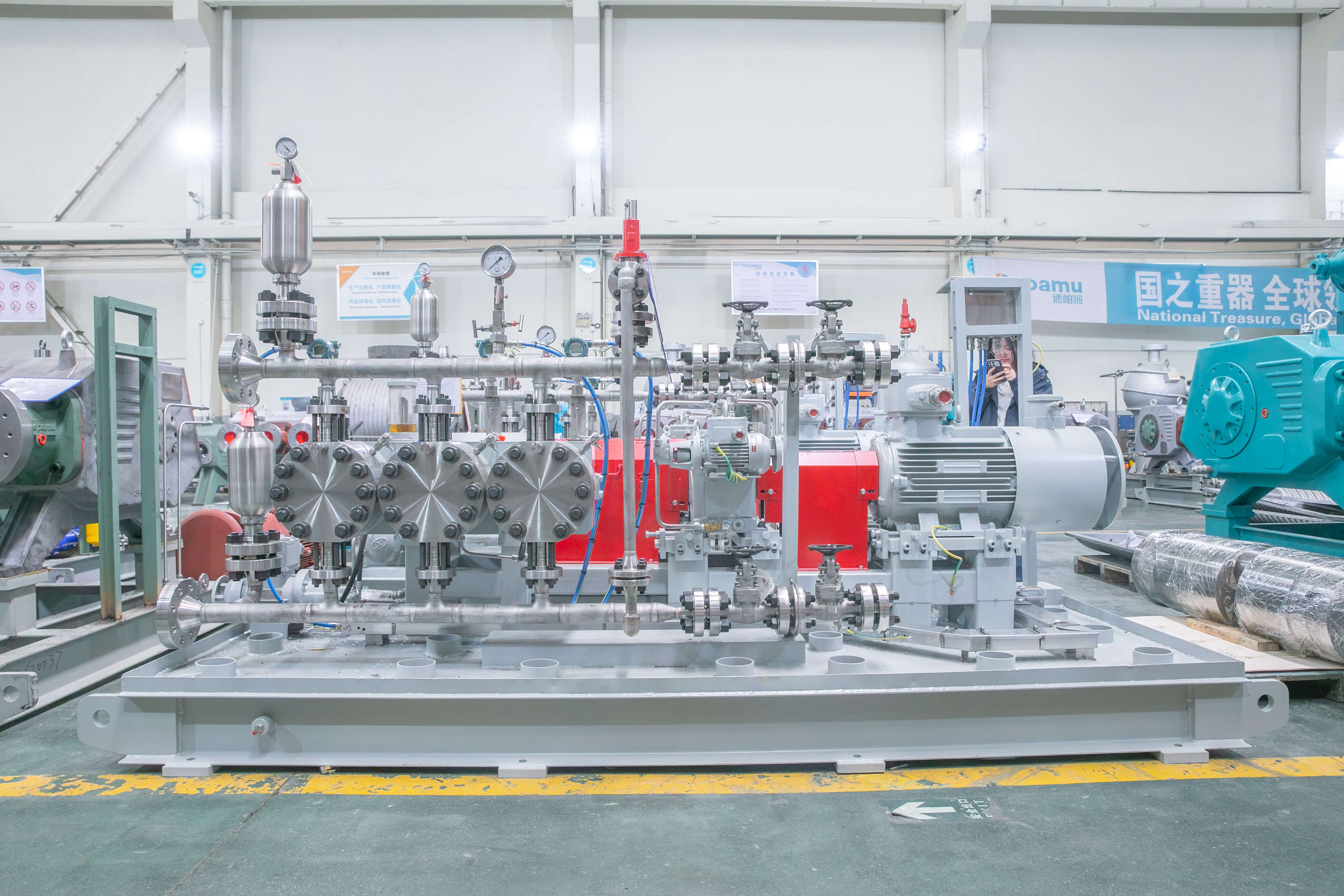
Understanding High Pressure Process Diaphragm Reciprocating Pumps
These specialized pumps combine the pressure generation capability of reciprocating pumps with the chemical resistance and leak-proof characteristics of diaphragm technology. The core working principle involves a reciprocating plunger that creates pressure changes, which are then transferred through a hydraulic system to flex a diaphragm. This diaphragm movement effectively pumps the process fluid without any contact between the pump mechanism and the transported medium.
The hydraulic diaphragm design offers several critical advantages:
- 100% leak-proof operation – essential for handling hazardous chemicals
- Ability to handle corrosive, abrasive, and volatile fluids
- Precise flow control through stroke length adjustment
- High pressure capabilities (up to 35MPa and beyond)
- Long service life with minimal maintenance requirements
Depamp’s engineering team has optimized these pumps through continuous innovation since 2003, incorporating German technology with local manufacturing expertise to create reliable, high-performance equipment tailored for global industrial applications.
Key Selection Criteria for Industrial Applications
Choosing the right high pressure diaphragm reciprocating pump requires careful consideration of several technical parameters and operational requirements:
1. Pressure Requirements
The pump’s maximum discharge pressure must exceed your system’s operating pressure by at least 20% to ensure reliable performance. Depamp offers models ranging from 10MPa to 35MPa+, with custom designs available for ultra-high pressure applications in specialized industries like geothermal energy and supercritical fluid extraction.
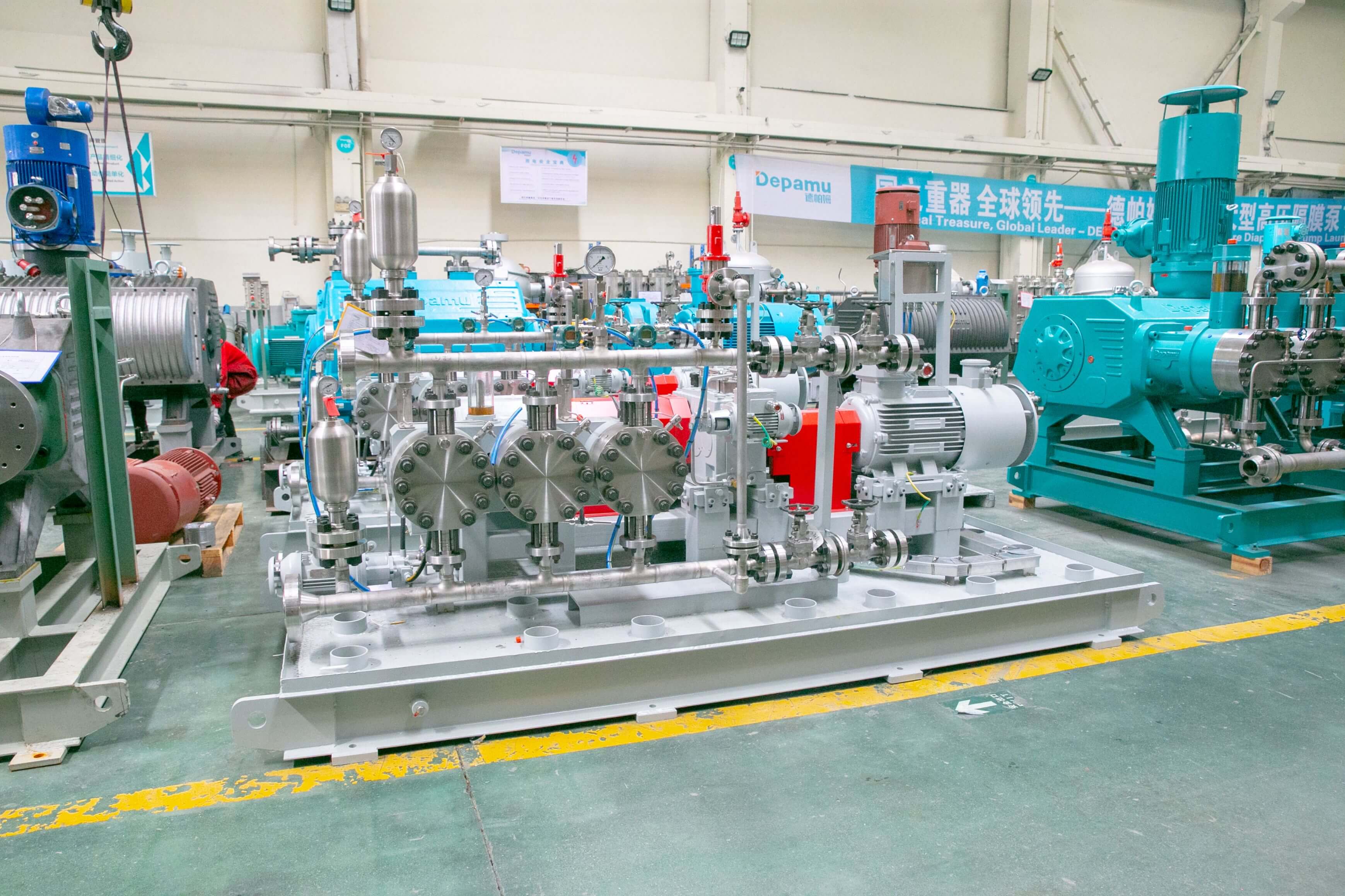
2. Flow Rate Capacity
Determine your required flow rate in liters per hour (L/h) or gallons per minute (GPM). Depamp’s standard models cover 5-50,000 L/h, with parallel pump configurations available to achieve higher capacities without compromising pressure stability. For applications requiring variable flow, consider pumps with frequency conversion drives.
3. Material Compatibility
The wetted parts must resist corrosion from your process fluids. Depamp offers multiple material options:
| Material | Suitable For |
|---|---|
| 316L Stainless Steel | General chemical applications, seawater |
| Hastelloy C-276 | Highly corrosive acids, chlorides |
| PTFE/PFA | Ultra-pure fluids, aggressive chemicals |
| Duplex Stainless Steel | High-pressure saltwater applications |
4. Temperature Range
Ensure the pump can handle your fluid’s operating temperature. Depamp’s pumps are rated for -20°C to +180°C, with special designs available for cryogenic or superheated applications. The hydraulic system’s temperature control is crucial for maintaining diaphragm life in extreme conditions.
Industry-Specific Solutions from Depamp
With over 400 employees and 35,000㎡ manufacturing facilities, Depamp has developed specialized solutions for diverse industries:
1. Petroleum Refining & Chemical Industry (41% of sales)
Our hydraulic diaphragm metering pumps provide precise chemical injection for:
- Catalyst activation in cracking units
- Corrosion inhibitors in pipelines
- Neutralizing agents in wastewater treatment
- Polymer additives in petrochemical production
A major refinery in the Middle East reported 30% reduction in chemical overuse after switching to Depamp’s intelligent control pumps with real-time flow monitoring.
2. Oilfield Applications (23% of sales)
Our high pressure reciprocating pumps excel in:
- Water injection for pressure maintenance
- Fracturing fluid delivery
- Acidizing treatments
- Cementing operations
For a North Sea platform, Depamp engineered a custom solution combining three 2000kW pumps with redundant control systems, achieving 99.8% uptime over 18 months of continuous operation.
3. Nuclear Power & Energy Sector (15% combined)
Our pumps meet stringent nuclear industry standards for:
- Primary coolant circulation
- Boron injection systems
- Waste treatment processes
- Steam generator chemical dosing
Depamp holds multiple nuclear safety certifications and has supplied equipment to 12 nuclear power plants worldwide, including AP1000 and Hualong One projects.
Customization Capabilities: Beyond Standard Products
Understanding that no two industrial processes are identical, Depamp offers comprehensive customization services:
1. Modular Design Approach
Our pumps feature standardized components that can be combined in different configurations to meet specific requirements. This approach reduces lead times while maintaining reliability – 85% of custom orders are delivered within 6 weeks.
2. ATEX & API Certifications
For hazardous environments, we provide explosion-proof designs compliant with:
- ATEX Zone 1/2, Zone 20/21/22
- API 674/675 standards
- NEMA 7/9 enclosures
- SIL2/SIL3 safety integrity levels
3. Smart Control Integration
All our pumps can be equipped with:
- 4-20mA or PROFIBUS/Modbus communication
- Remote monitoring and diagnostics
- Automatic flow compensation
- Predictive maintenance alerts
A food processing client reduced downtime by 40% after implementing our IoT-enabled pumps with real-time performance analytics.
FAQ
What makes hydraulic diaphragm pumps superior for chemical handling?
The hydraulic diaphragm design completely isolates the process fluid from the pump mechanism using a hydraulic oil cushion. This provides absolute leak-proof operation even with highly corrosive, toxic, or volatile chemicals, while maintaining precise flow control through hydraulic amplification of the diaphragm movement.
How to determine the required pressure rating for my application?
Calculate your system’s maximum operating pressure including all potential pressure drops, then add a 20-30% safety margin. For example, if your pipeline requires 20MPa at the furthest point, select a pump rated for at least 24-26MPa. Depamp’s engineers can perform detailed pressure calculations based on your process diagrams.
What maintenance is required for high pressure diaphragm pumps?
Regular maintenance includes: monthly diaphragm condition checks, quarterly hydraulic oil replacement, annual plunger seal inspection, and biennial pressure vessel testing. Depamp’s pumps feature modular designs that allow quick replacement of wear parts without specialized tools, reducing maintenance time by up to 60% compared to traditional designs.
Can these pumps handle viscous fluids or slurries?
Yes, with proper configuration. For viscosities above 500cP or slurries containing up to 15% solids by volume, we recommend: hardened plungers, special valve designs, and increased power ratings. Our engineering team has successfully delivered pumps for applications handling drilling mud (viscosity 2000cP) and limestone slurry (30% solids).
How does Depamp ensure product quality for international markets?
We implement a 5-stage quality control system: 1) Raw material inspection with spectral analysis, 2) Component machining tolerance checks (±0.01mm), 3) Assembly line functional testing, 4) 24-hour pressure endurance testing, and 5) final inspection before packaging. All pumps are CE certified and comply with ASME B73.3, ISO 2858, and API 675 standards as applicable.
Summary
Selecting the right high pressure process diaphragm reciprocating pump requires careful evaluation of your specific process requirements, fluid characteristics, and operational environment. Depamp (Hangzhou) Pump Technology combines two decades of industrial experience with advanced German engineering to deliver reliable, high-performance pumping solutions across petrochemical, oilfield, nuclear power, and environmental protection sectors. Our comprehensive product range, customization capabilities, and global service network make us a preferred partner for companies seeking to optimize their fluid handling processes while ensuring operational safety and compliance with international standards.