
In modern industrial processes, the precise and reliable delivery of various fluids stands as a cornerstone for operational efficiency and product quality. Electric double diaphragm pumps have emerged as indispensable equipment across numerous sectors, particularly in scenarios demanding high-precision chemical dosing, corrosion resistance, and customized solutions. Depamp Pump Technology, established in 2003 with over 400 employees and a 35,000㎡ production facility, has dedicated two decades to perfecting diaphragm pump technology. This guide explores the critical factors in selecting electric double diaphragm pumps, drawing on Depamp’s expertise in serving petrochemical, oil & gas, nuclear power, and other demanding industries.
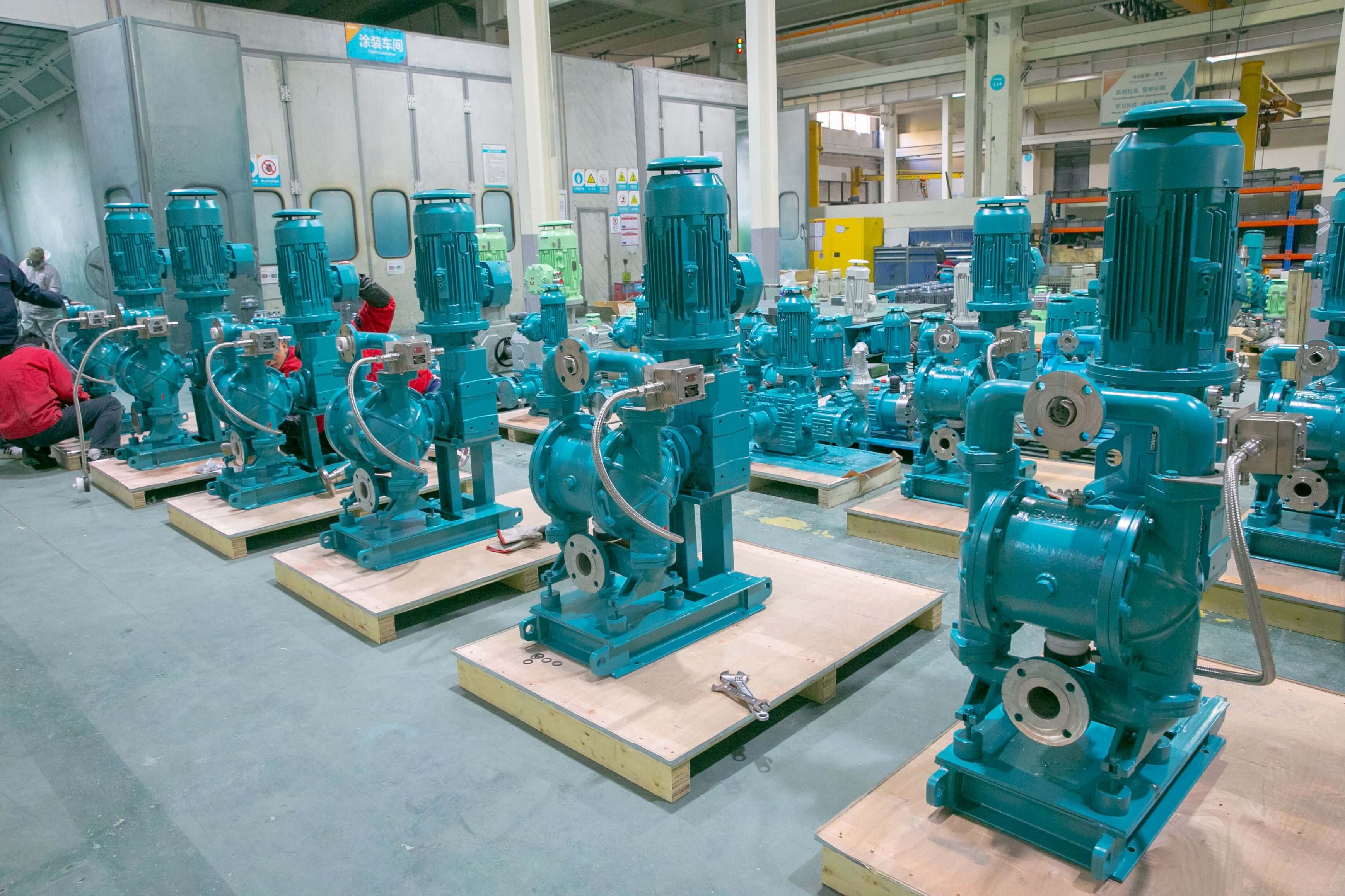
Understanding Electric Double Diaphragm Pump Technology
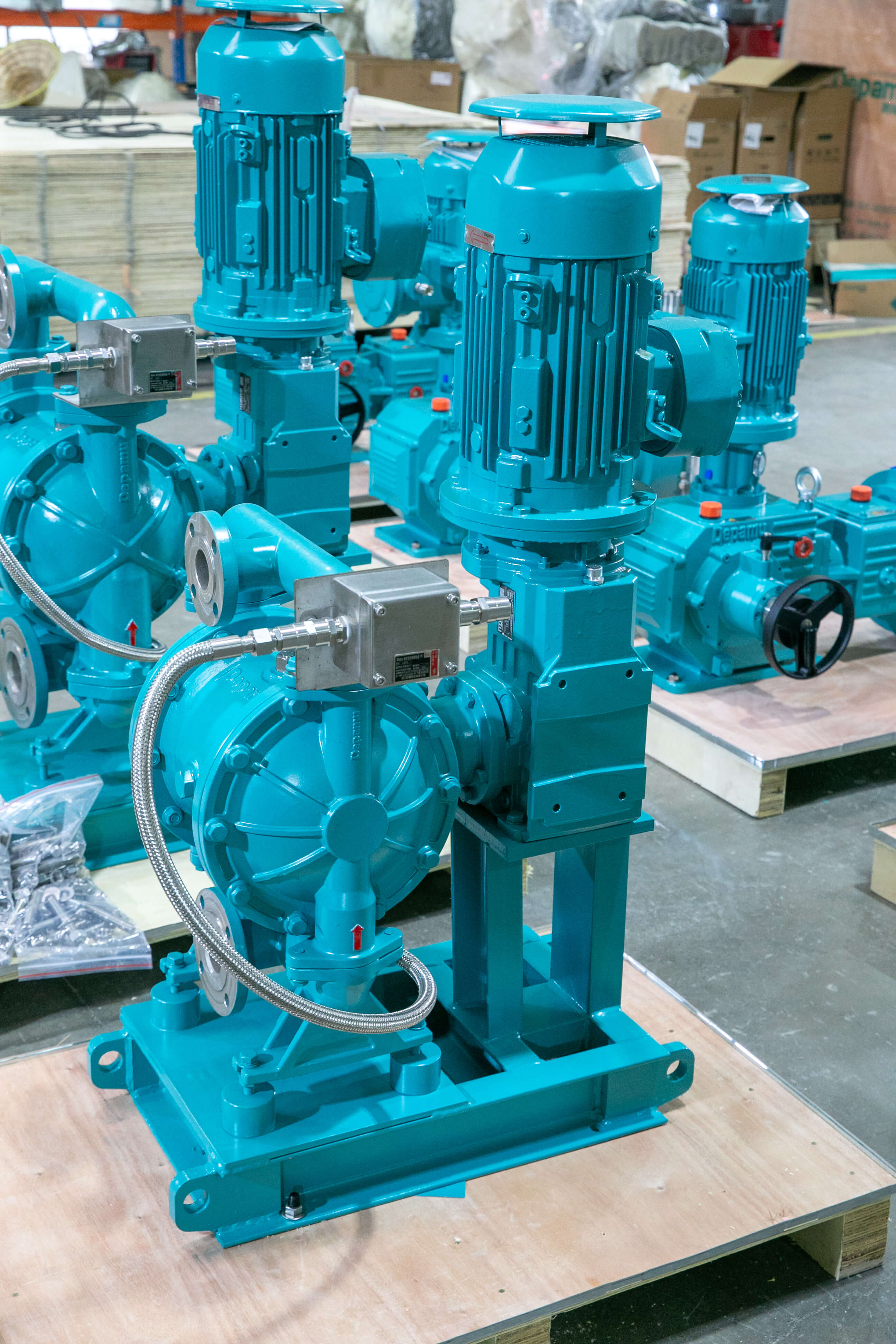
Electric double diaphragm pumps operate through reciprocating diaphragm movement driven by an electric motor, creating alternating suction and discharge cycles. This design enables them to handle diverse fluids including corrosive chemicals, viscous slurries, and abrasive media without contamination risks. Depamp’s hydraulic diaphragm pumps achieve zero leakage through a unique dual-diaphragm structure with pressure monitoring, ensuring absolute safety when handling hazardous substances.
The pumps’ modular construction allows for rapid component replacement, minimizing downtime during maintenance. Depamp’s R&D team has developed specialized diaphragm materials including PTFE, Hastelloy, and ceramic-lined options to withstand temperatures from -40℃ to 200℃ and pressures up to 35MPa. This technological edge explains why 41% of Depamp’s sales come from petrochemical applications requiring such extreme performance.
Key Selection Criteria for Industrial Applications
When evaluating electric double diaphragm pumps, five core parameters demand careful consideration:
1. Material Compatibility
The pump’s wetted parts must resist chemical attack from the conveyed fluid. Depamp maintains a comprehensive material database covering over 2,000 industrial chemicals, enabling precise material selection. For example, their PP-lined pumps excel in hydrochloric acid delivery, while stainless steel 316L models handle 30% sodium hydroxide solutions effectively.
2. Flow and Pressure Requirements
Industrial processes often demand precise flow control within ±1% accuracy. Depamp’s metering pumps achieve this through micro-step motor drives and stroke length adjustment mechanisms. For high-pressure applications like oilfield fracturing, their triplex plunger pumps deliver up to 35MPa pressure with 200m³/h flow rates.
3. Viscosity Handling Capacity
Viscous fluids create significant resistance during pumping. Depamp’s gear pumps feature helical gear designs that maintain consistent flow even with viscosities exceeding 1,000,000cSt. Their screw pumps excel in transferring lubricating oils without shear degradation, preserving fluid properties.
4. Automation Integration
Modern factories require seamless equipment interconnection. Depamp’s smart dosing systems incorporate PLC controls with Modbus/Profibus communication protocols. The DCS-5000 series supports remote monitoring via 4G/5G networks, enabling real-time parameter adjustment from control centers.
5. Certification Standards
Global markets demand compliance with diverse regulations. Depamp’s products carry CE, ATEX, and API 675 certifications, with nuclear-grade pumps meeting RCC-M standards. Their quality system is ISO 9001 and ISO 14001 certified, ensuring consistent performance across all production batches.
Industry-Specific Application Solutions
Depamp’s engineering team has developed specialized pump configurations for key industries:
- Petrochemical: Explosion-proof electric pumps with stainless steel construction handle benzene, toluene, and other VOCs safely. The integrated pulse dampener reduces flow fluctuations by 90% during polymer additive injection.
- Nuclear Power: Redundant diaphragm monitoring systems provide triple safety protection for primary circuit chemical dosing. The pumps maintain performance during LOCA (Loss of Coolant Accident) scenarios as verified through rigorous testing.
- Water Treatment: UV-resistant polypropylene pumps deliver sodium hypochlorite solutions without metal contamination. The self-priming design enables operation even with 8m suction lifts.
- Food & Beverage:
- Hygienic pumps with EHEDG certification transfer edible oils at 180℃ without product degradation. The crevice-free design prevents bacterial growth during CIP/SIP cleaning cycles.
| Industry | Key Requirement | Depamp Solution |
|---|---|---|
| Chemical | Corrosion resistance | Hastelloy C-276 wetted parts |
| Oil & Gas | High pressure | 40MPa rated triplex pumps |
| Pharmaceutical | Sterility | Electropolished 316L stainless steel |
Maintenance Best Practices for Longevity
Proper maintenance extends pump service life by 3-5 times. Depamp recommends:
1. Preventive Maintenance Schedule
Implement a 2,000-hour maintenance cycle for critical components. The diaphragm position sensor in Depamp’s smart pumps provides real-time wear monitoring, predicting replacement needs with 95% accuracy.
2. Lubrication Management
Use food-grade lubricants for applications involving edible products. Depamp’s gear pumps feature self-lubricating carbon bearings that eliminate external lubrication requirements in many cases.
3. Spare Parts Inventory
Maintain a 6-month stock of critical components like diaphragms and seals. Depamp’s global distribution centers ensure 48-hour delivery of standard spare parts to most regions.
4. Operator Training
Depamp provides free online training modules covering operation, safety procedures, and troubleshooting. Their mobile app includes AR-based maintenance guides showing component disassembly steps.
FAQ
What makes electric double diaphragm pumps suitable for corrosive chemicals?
The dual-diaphragm design with pressure monitoring ensures zero leakage even when handling aggressive media. Depamp’s pumps use chemically resistant materials like PTFE and Hastelloy for all wetted parts, with third-party certification for over 2,000 industrial chemicals.
How does Depamp ensure precise flow control in their dosing pumps?
Our metering pumps combine micro-step motor drives with stroke length adjustment mechanisms to achieve ±1% flow accuracy. The integrated pulse dampener reduces flow fluctuations by 90%, critical for polymer additive injection in petrochemical processes.
What safety features do Depamp’s nuclear-grade pumps include?
Our nuclear pumps feature triple safety protection: redundant diaphragm monitoring, mechanical pressure relief valves, and electronic overpressure shutdown. They maintain performance during LOCA scenarios as verified through rigorous testing.
Can Depamp customize pumps for viscous fluids above 100,000cSt?
Absolutely. Our gear pumps with helical gear designs maintain consistent flow even with viscosities exceeding 1,000,000cSt. The screw pumps excel in transferring lubricating oils without shear degradation, preserving fluid properties.
What certifications do Depamp’s products carry for global markets?
Our products comply with CE, ATEX, and API 675 standards, with nuclear-grade pumps meeting RCC-M requirements. The quality system is ISO 9001 and ISO 14001 certified, ensuring consistent performance across all production batches.
Summary
Selecting the right electric double diaphragm pump requires careful evaluation of material compatibility, flow requirements, viscosity handling, automation needs, and certification standards. Depamp Pump Technology’s 20+ years of experience in serving demanding industries like petrochemical, nuclear power, and food processing provides valuable insights into optimal pump selection and application. Their commitment to R&D investment (8% of annual revenue) ensures continuous technological advancement, while the global service network supports customers in over 60 countries. For projects requiring precision, reliability, and customization, Depamp’s comprehensive product range and engineering expertise make them a trusted partner in industrial fluid handling.