
When it comes to industrial fluid handling, selecting the right pump is crucial for ensuring efficient and reliable operation. External gear pumps have emerged as a popular choice across various industries due to their robust design, precise metering capabilities, and ability to handle a wide range of fluids. In this comprehensive guide, we’ll explore everything you need to know about external gear pumps – from their working principle and key applications to selection criteria and maintenance best practices.
Understanding External Gear Pumps: Working Principle & Design
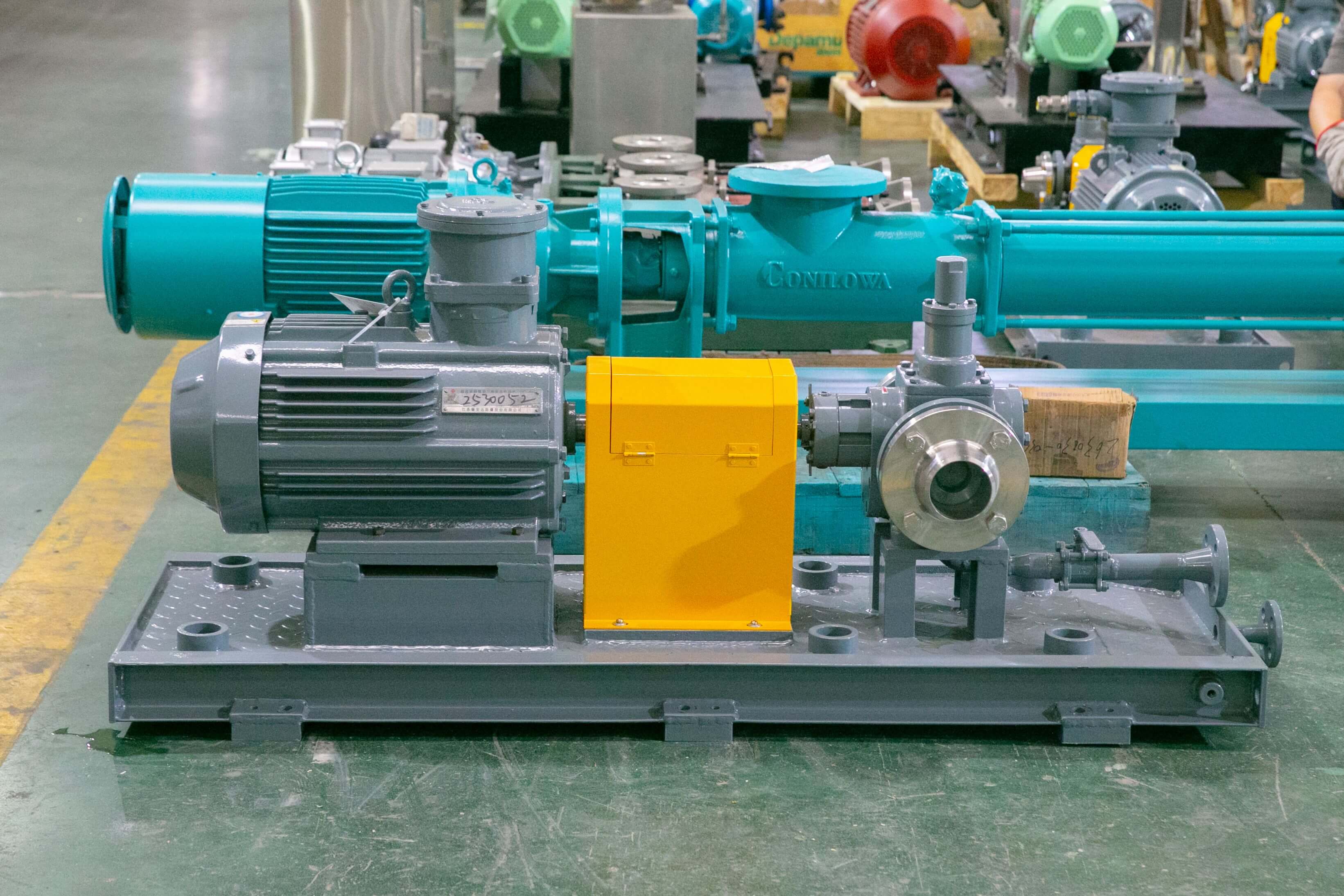
External gear pumps belong to the positive displacement pump family and operate through the meshing of two external gears – typically a driver gear and an idler gear. As these gears rotate, fluid is trapped between the gear teeth and the pump casing, then transported from the inlet to the outlet side of the pump. This design offers several advantages over internal gear pumps:
The primary components of an external gear pump include the pump housing, two gears (one driven by a motor), bearings, and seals. The gears are precision-machined to ensure tight tolerances between the teeth and casing, which is critical for maintaining volumetric efficiency and preventing leakage. Most external gear pumps feature a simple, compact design that makes them easy to install and maintain.
One key characteristic of external gear pumps is their ability to generate high pressures while maintaining consistent flow rates. This makes them particularly suitable for applications requiring precise metering or transfer of viscous fluids under pressure. The pump’s flow rate is directly proportional to its speed, allowing for easy adjustment through variable speed drives.
Key Applications of External Gear Pumps Across Industries
External gear pumps find extensive use in various industrial sectors due to their versatility and reliability. At Depamp (Hangzhou) Pump Technology Co., Ltd., we’ve supplied our high-quality external gear pumps to numerous applications across different industries:
1. Petroleum Refining & Chemical Processing: These pumps excel at transferring crude oil, refined products, and various chemicals. Their ability to handle corrosive fluids and maintain precise flow control makes them ideal for chemical dosing applications.
2. Oil & Gas Production: External gear pumps are widely used for crude oil transfer, wellhead injection, and produced water handling. Their robust construction can withstand harsh operating conditions commonly found in oilfields.
3. Power Generation: In power plants, these pumps are employed for boiler feedwater, fuel oil transfer, and lubrication systems. Their high-pressure capabilities ensure reliable operation in critical power generation processes.
4. Food & Beverage Industry: When equipped with food-grade materials and seals, external gear pumps can safely transfer viscous food products like syrups, chocolate, and peanut butter while maintaining product integrity.
5. Pharmaceutical Manufacturing: The precise metering capabilities of external gear pumps make them valuable for transferring active pharmaceutical ingredients (APIs) and other sensitive fluids in sterile environments.
Specialized Applications for External Gear Pumps
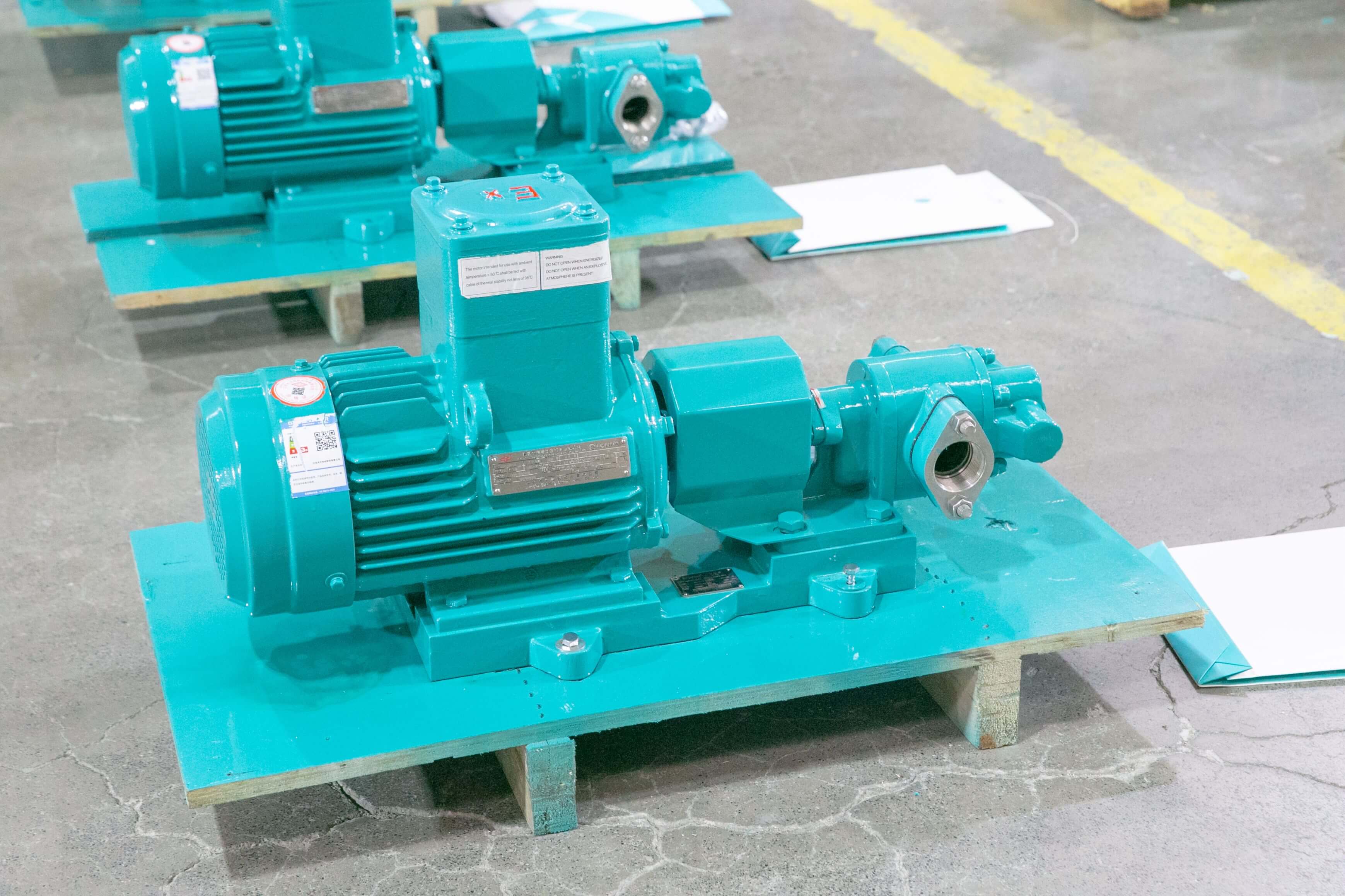
Beyond these primary industries, external gear pumps serve several specialized applications:
- High-Viscosity Fluid Transfer: Their ability to generate sufficient suction lift makes them suitable for pumping thick fluids like asphalt, tar, and adhesives.
- Shear-Sensitive Fluid Handling: The gentle pumping action minimizes shear forces, making these pumps ideal for polymers, slurries, and other shear-sensitive materials.
- Abrasive Slurry Pumping: When constructed with hardened materials, external gear pumps can handle abrasive slurries found in mining and mineral processing applications.
- Lubrication Systems: Their precise flow control makes them valuable for delivering consistent lubricant volumes to machinery and equipment.
Advantages of External Gear Pumps Over Other Pump Types
When comparing external gear pumps to alternative pumping technologies, several key advantages become apparent:
1. Precise Flow Control: External gear pumps offer excellent volumetric efficiency, typically maintaining 90-95% efficiency across various operating conditions. This makes them ideal for applications requiring accurate metering.
2. Versatile Fluid Handling: These pumps can handle fluids ranging from thin solvents to highly viscous materials (up to 1,000,000 cSt). They’re also effective with fluids containing up to 30% suspended solids.
3. High-Pressure Capability: External gear pumps can generate pressures up to 35 MPa (5,000 psi), making them suitable for demanding industrial applications that require significant pressure boosting.
4. Compact Design: Their simple, space-saving design makes external gear pumps easy to integrate into existing systems or skid-mounted packages.
5. Durability & Reliability: With fewer moving parts than many other pump types, external gear pumps offer long service life with minimal maintenance requirements when properly maintained.
6. Reversible Flow: By simply reversing the direction of rotation, these pumps can change the flow direction, providing operational flexibility.
7. Cost-Effectiveness: When considering total cost of ownership, external gear pumps often prove more economical than alternative solutions due to their efficiency, reliability, and low maintenance needs.
| Feature | External Gear Pump | Internal Gear Pump | Centrifugal Pump |
|---|---|---|---|
| Flow Control | Excellent (positive displacement) | Good (positive displacement) | Poor (flow varies with pressure) |
| Viscosity Range | 1-1,000,000 cSt | 1-500,000 cSt | Best below 500 cSt |
| Pressure Capability | Up to 35 MPa | Up to 17 MPa | Typically below 2 MPa |
| Efficiency | 90-95% | 85-90% | 50-85% (varies widely) |
| Solid Handling | Up to 30% solids | Up to 15% solids | Not recommended |
Selecting the Right External Gear Pump: Key Considerations
Choosing the optimal external gear pump for your application requires careful evaluation of several factors. At Depamp Pump Technology, our experts consider these critical parameters when recommending pumps to our clients:
1. Fluid Characteristics: Analyze the fluid’s viscosity, temperature, corrosiveness, and abrasiveness. For corrosive fluids, select pumps constructed with appropriate materials like stainless steel or special alloys. High-temperature applications may require special seals and bearings.
2. Flow Rate Requirements: Determine your required flow rate in liters per minute (LPM) or gallons per minute (GPM). Remember that external gear pumps provide consistent flow across varying pressures, unlike centrifugal pumps.
3. Pressure Requirements: Calculate the system’s maximum operating pressure, including any pressure drops through piping and equipment. Select a pump that can comfortably handle your peak pressure requirements with a safety margin.
4. Temperature Range: Consider both the fluid temperature and ambient operating temperature. Ensure the pump’s materials and seals can withstand these temperatures without degradation.
5. NPSH Requirements: For low-viscosity fluids or applications with significant suction lift, evaluate the pump’s Net Positive Suction Head (NPSH) requirements to prevent cavitation.
6. Material Compatibility: Choose pump materials that are compatible with your fluid to prevent corrosion or contamination. Common materials include cast iron, stainless steel, and various specialized alloys.
7. Seal Options: Select appropriate shaft seals based on your application’s requirements. Options include mechanical seals, lip seals, or packing glands, each with different leakage characteristics and maintenance needs.
8. Installation Configuration: Determine whether a horizontal or vertical pump orientation best suits your space constraints and piping layout. Vertical pumps can be more space-efficient in some installations.
9. Regulatory Compliance: For food, pharmaceutical, or other regulated industries, ensure the pump meets relevant standards like 3A, FDA, or ATEX certifications as required.
FAQ
What factors should I consider when selecting an external gear pump for high-viscosity applications?
For high-viscosity fluids (above 1,000 cSt), focus on pumps with larger gear tooth profiles and slower operating speeds to maintain efficient pumping. Consider heated pump housings for very viscous materials that may solidify at lower temperatures. Also evaluate the pump’s ability to generate sufficient suction lift for your specific fluid viscosity.
How do external gear pumps handle corrosive chemicals compared to other pump types?
External gear pumps excel at handling corrosive chemicals when constructed with appropriate materials like stainless steel, Hastelloy, or other corrosion-resistant alloys. Their simple design with fewer wetted parts reduces potential leak points compared to some other pump types. The positive displacement nature ensures consistent flow even with varying fluid properties.
Can external gear pumps be customized for specific industrial requirements?
Absolutely. At Depamp Pump Technology, we specialize in customizing external gear pumps to meet unique application requirements. This includes material selection, port configurations, seal options, mounting arrangements, and even complete skid-mounted systems with integrated controls. Our engineering team works closely with clients to develop optimal solutions for their specific needs.
What maintenance is required to ensure long service life for external gear pumps?
Regular maintenance includes monitoring bearing temperatures, checking seal leakage, and verifying proper lubrication. For most applications, annual inspection and potential replacement of wear parts like seals and bearings is sufficient. Following the manufacturer’s recommended maintenance schedule and using genuine replacement parts helps maximize pump life and reliability.
How do external gear pumps compare to peristaltic pumps for shear-sensitive applications?
While both pump types can handle shear-sensitive fluids, external gear pumps generally offer better flow control and higher pressure capabilities. Peristaltic pumps excel with very low flows and when complete containment of the fluid is critical (no seals). However, external gear pumps provide more consistent flow rates over time and can handle higher viscosities more efficiently.
Summary
External gear pumps represent a versatile and reliable solution for industrial fluid handling applications requiring precise metering, high-pressure capabilities, and the ability to handle a wide range of fluid viscosities. Their robust design, combined with the ability to customize materials and configurations, makes them suitable for diverse industries from petroleum refining to food processing.
When selecting an external gear pump, careful consideration of fluid characteristics, flow and pressure requirements, temperature range, and material compatibility is essential. Partnering with an experienced manufacturer like Depamp Pump Technology ensures access to high-quality pumps, expert selection guidance, and comprehensive after-sales support.
With proper selection and maintenance, external gear pumps can provide years of reliable service, helping optimize your industrial processes while minimizing downtime and operating costs. Whether you need a standard pump for common applications or a customized solution for unique challenges, external gear pumps offer a compelling combination of performance, efficiency, and versatility.