
In industrial fluid handling applications, selecting the right pump technology is crucial for ensuring reliable operation, maintaining process efficiency, and minimizing maintenance costs. High pressure process diaphragm pumps have emerged as a preferred solution for demanding applications across various industries due to their unique combination of performance characteristics. This comprehensive guide explores the key features, selection criteria, and industrial applications of these specialized pumps, drawing on Depamp (Hangzhou) Pump Technology’s 20+ years of expertise in developing customized fluid handling solutions.
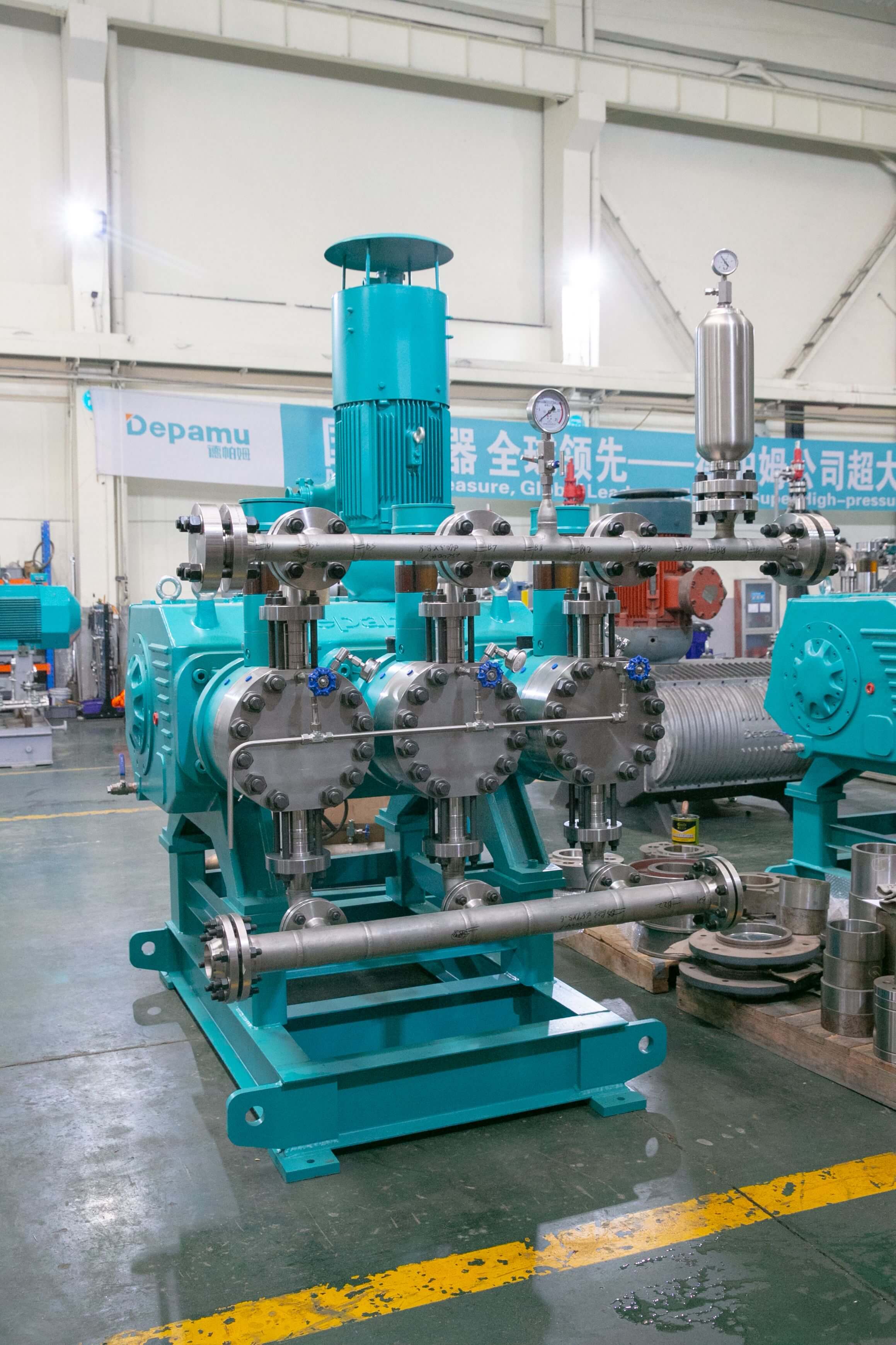
Understanding High Pressure Process Diaphragm Pumps
High pressure process diaphragm pumps represent a specialized category of positive displacement pumps that combine the pressure generation capabilities of reciprocating pumps with the leak-proof operation of diaphragm technology. These pumps feature a unique design where a flexible diaphragm separates the fluid chamber from the mechanical components, eliminating the need for dynamic seals that could potentially leak.
The working principle involves reciprocating motion of a diaphragm that creates pressure variations in the fluid chamber. During the suction stroke, the diaphragm moves away from the fluid chamber, creating a vacuum that draws fluid in through the inlet valve. During the compression stroke, the diaphragm moves toward the fluid chamber, increasing pressure and forcing fluid out through the outlet valve. This reciprocating action enables precise metering and high-pressure fluid transfer.
Depamp’s process diaphragm pumps incorporate advanced hydraulic actuation systems that enhance performance and reliability. The hydraulic diaphragm design provides superior pressure handling capabilities compared to mechanically actuated diaphragm pumps, making them suitable for applications requiring pressures up to 35MPa (5,000 psi) or higher.
Key Features of Depamp’s High Pressure Diaphragm Pumps
Depamp (Hangzhou) Pump Technology has developed a comprehensive range of high pressure process diaphragm pumps with several distinguishing features that make them ideal for demanding industrial applications:
1. Zero Leakage Design
The hydraulic diaphragm configuration completely isolates the process fluid from the pump’s mechanical components, eliminating any possibility of leakage. This makes them particularly suitable for handling hazardous, toxic, or expensive chemicals where even minor leaks could create safety hazards or financial losses.
2. Corrosion Resistance
Depamp’s pumps are available with diaphragms and wetted parts constructed from a variety of corrosion-resistant materials including PTFE, PVDF, 316L stainless steel, Hastelloy, and other specialty alloys. This enables reliable operation with aggressive chemicals such as acids, alkalis, solvents, and oxidizers.
3. High Pressure Capability
With pressure ratings up to 35MPa and beyond, Depamp’s hydraulic diaphragm pumps can handle the most demanding high-pressure applications found in oilfield injection, chemical processing, and power generation industries.
4. Precise Flow Control
The positive displacement design combined with variable speed drives allows for precise flow rate control from 0-100% of rated capacity. This enables accurate dosing and metering of chemicals in process applications.
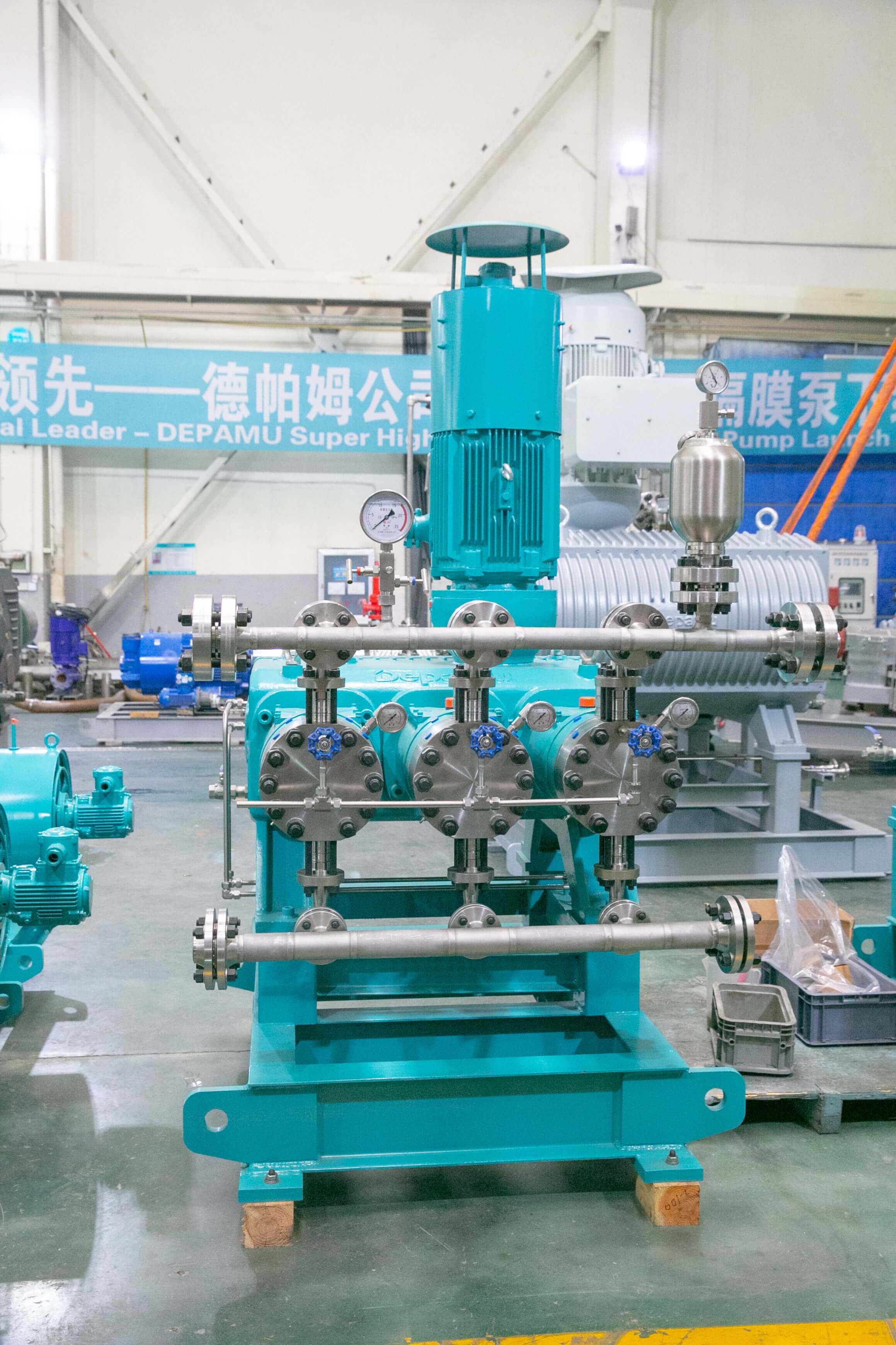
5. Versatile Material Options
Beyond standard materials, Depamp offers customized solutions with specialized coatings and elastomers to handle specific process fluids and operating conditions. This includes food-grade materials for pharmaceutical and food processing applications.
6. Modular Design
The pumps feature a modular construction that simplifies maintenance and enables quick replacement of wear parts. This reduces downtime and extends the service life of the pumps.
Industrial Applications of High Pressure Diaphragm Pumps
Depamp’s high pressure process diaphragm pumps find application across a wide range of industries where reliable, leak-proof fluid handling is critical. Some of the key application areas include:
1. Oilfield Chemical Injection
In upstream oil and gas operations, these pumps are used for injecting corrosion inhibitors, scale inhibitors, biocides, and other chemicals into wellbores or production pipelines. The high pressure capability allows injection at pressures exceeding formation pressures, while the zero-leakage design prevents contamination of produced fluids.
2. Petrochemical Processing
In refineries and chemical plants, diaphragm pumps handle the transfer and metering of various chemicals used in catalytic processes, sulfur recovery units, and other process streams. Their ability to handle hot, corrosive, and abrasive slurries makes them ideal for these applications.
3. Power Generation
In power plants, these pumps are used for boiler water treatment chemical injection, condensate polishing chemical feed, and other applications requiring precise dosing of chemicals under high pressure conditions.
4. Water Treatment
Municipal and industrial water treatment facilities use diaphragm pumps for injecting chlorine, fluoride, coagulants, and other treatment chemicals. The leak-proof design is particularly valuable when handling hazardous disinfectants.
5. Pharmaceutical Manufacturing
The pharmaceutical industry requires pumps that can handle sterile fluids without contamination. Depamp’s sanitary-grade diaphragm pumps meet these stringent requirements while providing precise flow control for batch processing applications.
6. Food Processing
In food and beverage production, these pumps transfer ingredients, additives, and preservatives while maintaining product purity. The ability to handle viscous fluids and shear-sensitive products makes them valuable in this industry.
| Application | Key Requirements | Pump Solution |
|---|---|---|
| Oilfield Injection | High pressure (up to 10,000 psi), corrosion resistance, zero leakage | Hydraulic diaphragm pump with Hastelloy wetted parts |
| Petrochemical Processing | High temperature, abrasion resistance, precise metering | PTFE-lined diaphragm pump with hardened valves |
| Power Plant Chemical Feed | High pressure, continuous operation, accurate dosing | Stainless steel diaphragm pump with variable speed drive |
Selection Criteria for High Pressure Diaphragm Pumps
Choosing the right high pressure process diaphragm pump requires careful consideration of several factors to ensure optimal performance and reliability in your specific application. Depamp’s engineers recommend evaluating the following criteria:
1. Pressure Requirements
Determine the maximum system pressure the pump will need to overcome, including any pressure drops in piping and valves. Select a pump with a pressure rating that exceeds your maximum operating pressure by at least 20% to ensure reliable operation and account for potential pressure surges.
2. Flow Rate Requirements
Calculate the required flow rate based on your process needs, considering both average and peak demands. Diaphragm pumps can typically operate at any flow rate between 0-100% of their rated capacity, but ensure the pump’s minimum continuous flow rate is below your application’s needs to prevent overheating at low flows.
3. Fluid Characteristics
Analyze the properties of the fluid being pumped, including:
- Chemical composition and corrosion potential
- Viscosity (higher viscosity fluids reduce pump efficiency)
- Temperature (both operating and ambient)
- Particle size and concentration (for slurries)
- Vapor pressure (to prevent cavitation)
Select pump materials and designs that can withstand these conditions without degradation.
4. Process Control Requirements
Determine if you need precise flow control for metering applications or if simple on/off operation is sufficient. For metering applications, consider pumps with variable speed drives or stroke length adjustment capabilities.
5. Environmental and Safety Considerations
Evaluate any environmental or safety regulations that may impact pump selection, such as emissions standards for volatile organic compounds (VOCs) or requirements for explosion-proof equipment in hazardous locations.
6. Installation and Maintenance Requirements
Consider the available space for installation, ease of access for maintenance, and any special foundation or mounting requirements. Modular designs with quick-disconnect features can simplify maintenance and reduce downtime.
FAQ
What makes diaphragm pumps suitable for high pressure applications?
Diaphragm pumps achieve high pressure capabilities through their positive displacement design combined with hydraulic actuation systems. The hydraulic diaphragm configuration allows for greater force transmission to the diaphragm compared to mechanically actuated designs, enabling pressure generation up to 35MPa and beyond. The absence of dynamic seals in the fluid path also prevents pressure loss through leakage.
How do I select the right diaphragm material for my application?
The diaphragm material selection depends on your fluid’s chemical properties and operating temperature. For corrosive chemicals, PTFE or PVDF diaphragms offer excellent chemical resistance. For abrasive slurries, rubber-lined diaphragms provide better wear resistance. Depamp’s engineers can recommend the optimal material based on your specific process conditions and provide material compatibility testing if needed.
What maintenance is required for high pressure diaphragm pumps?
Regular maintenance includes checking and replacing diaphragms and valves as needed (typically every 6-24 months depending on application), inspecting seals and gaskets, and verifying hydraulic fluid levels in hydraulic-actuated pumps. Depamp’s modular pump design simplifies maintenance by allowing quick replacement of wear parts without specialized tools.
Can diaphragm pumps handle viscous fluids?
Yes, diaphragm pumps can handle viscous fluids up to several thousand centipoise (cP), but the viscosity affects pump performance. Higher viscosity reduces flow rate and increases power consumption. For very viscous fluids, Depamp recommends selecting a pump with a larger chamber size and slower operating speed to maintain efficiency.
What safety features should I look for in high pressure pumps?
Key safety features include pressure relief valves to protect against overpressure situations, leak detection sensors for hazardous fluids, and explosion-proof motor options for hazardous locations. Depamp’s pumps can be equipped with various safety accessories based on your application requirements and local regulations.
Summary
High pressure process diaphragm pumps from Depamp (Hangzhou) Pump Technology offer a reliable, leak-proof solution for demanding industrial fluid handling applications. Their unique combination of zero-leakage operation, corrosion resistance, and high pressure capability makes them ideal for oilfield injection, petrochemical processing, power generation, and other critical applications. By carefully considering factors such as pressure requirements, fluid characteristics, and process control needs, you can select the optimal pump configuration for your specific application.
Depamp’s 20+ years of experience in developing customized fluid handling solutions, combined with their state-of-the-art manufacturing facility and comprehensive quality control systems, ensure that you receive a high-performance pump that meets your exact specifications. Whether you need a standard product or a fully customized solution, Depamp’s team of engineers can work with you to develop the optimal pump system for your application.