
In modern industrial processes, the reliable transfer of fluids under high pressure conditions is crucial for maintaining operational efficiency and product quality. High pressure process reciprocating pumps have emerged as essential equipment across various industries, from petrochemical refining to nuclear power generation. This comprehensive guide explores the technical characteristics, application scenarios, and selection criteria for these specialized pumps, drawing on Depampe (Hangzhou) Pump Technology Co., Ltd.’s 20+ years of expertise in fluid equipment manufacturing.
Understanding High Pressure Process Reciprocating Pumps
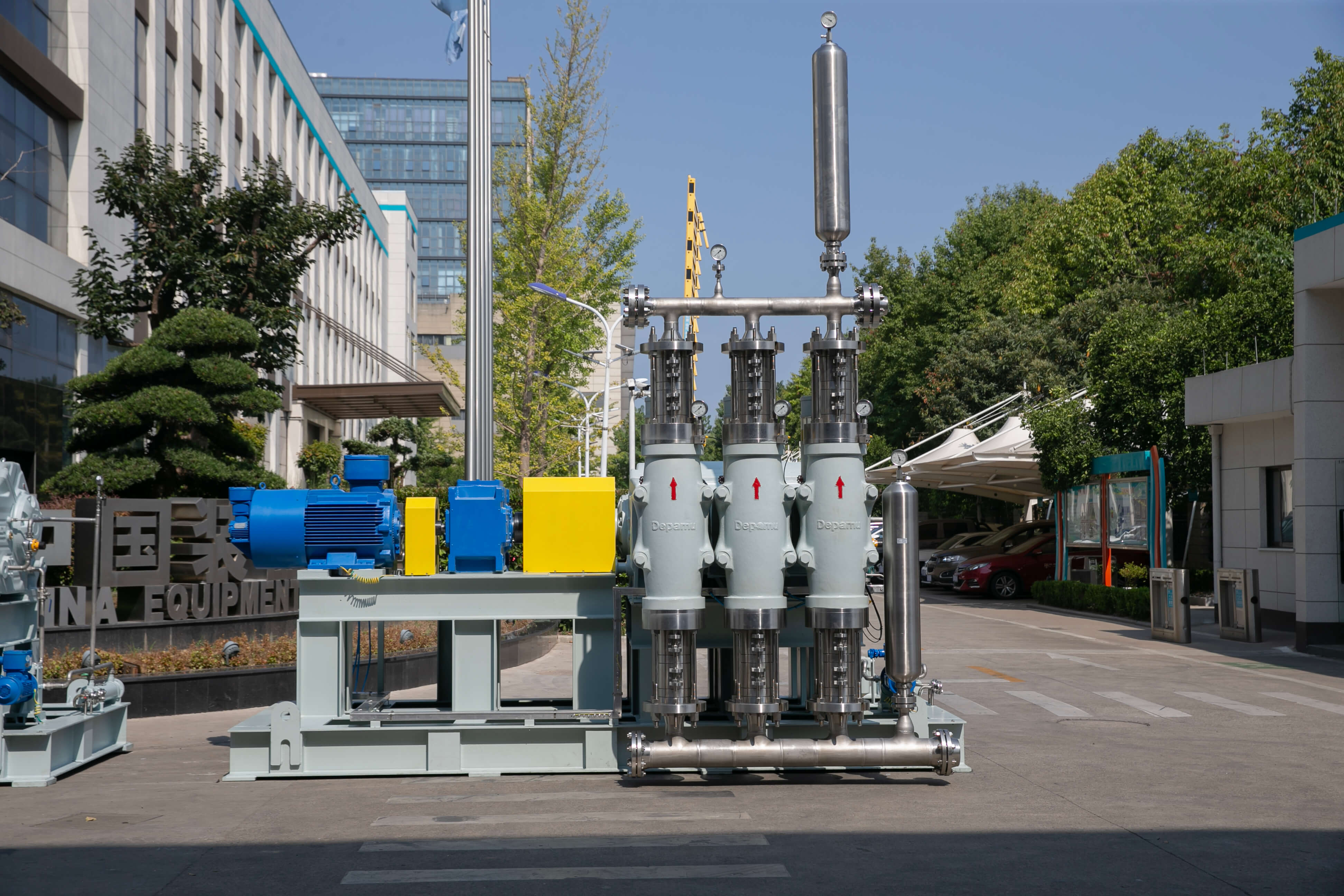
High pressure process reciprocating pumps operate through the reciprocating motion of plungers or pistons to move fluids. Unlike centrifugal pumps that rely on rotational energy, these positive displacement pumps generate pressure through mechanical compression, making them ideal for applications requiring consistent flow rates under varying pressure conditions. The core components include a power end (crankshaft, connecting rods) and a fluid end (cylinders, plungers, valves), with materials carefully selected based on the processed media’s properties.
Depampe’s reciprocating pumps feature pressure ratings up to 35MPa and beyond, with flow capacities ranging from 0.5m³/h to 200m³/h depending on model specifications. The hydraulic-driven diaphragm structure in our metering pump variants ensures completely leak-free operation, even when handling highly corrosive or volatile chemicals. This design principle extends to our entire product line, with special materials like duplex stainless steel, Hastelloy, and PTFE coatings available for demanding applications.
Key Technical Specifications & Performance Parameters
When evaluating high pressure process reciprocating pumps, several critical parameters determine their suitability for specific applications:
| Parameter | Specification Range | Application Impact |
|---|---|---|
| Pressure Rating | Up to 35MPa+ | Determines suitability for high-pressure injection applications |
| Flow Rate | 0.5-200m³/h | Affects process throughput and system sizing |
| Temperature Range | -40°C to +350°C | Critical for thermal stability in extreme conditions |
| Viscosity Handling | Up to 50,000cP | Enables transfer of high-viscosity substances |
| Material Options | SS304, SS316, Hastelloy, PTFE | Provides chemical resistance for various media |
Depampe’s engineering team pays particular attention to valve design in our reciprocating pumps. The suction and discharge valves must withstand repeated impact while maintaining tight sealing under high pressure differentials. Our proprietary valve materials and surface treatments have demonstrated 30% longer service life compared to standard components in field tests, reducing maintenance frequency and operational costs for clients.
Primary Application Scenarios
The versatility of high pressure process reciprocating pumps makes them indispensable across multiple industrial sectors:
1. Oil & Gas Industry Applications
In upstream operations, these pumps handle water injection tasks to maintain reservoir pressure, with models capable of delivering 500m³/day at 25MPa pressure. For midstream applications, our pumps transfer crude oil through pipelines with elevation changes, overcoming friction losses and maintaining consistent flow. In downstream refining, specialized configurations handle catalyst injection and chemical treatment processes at precise dosages.
2. Chemical Processing Industry
The chemical-resistant construction of Depampe’s reciprocating pumps enables safe handling of aggressive media like sulfuric acid, sodium hydroxide, and various organic solvents. In polymerization processes, our pumps maintain stable flow rates for precise monomer addition, while in wastewater treatment, they deliver flocculants and coagulants with ±1% accuracy, improving treatment efficiency by 15-20%.
3. Power Generation Sector
Nuclear power plants utilize our high pressure pumps for boron injection systems critical to reactor safety. In thermal power stations, the pumps transfer boiler feedwater at 18MPa pressure, with special materials selected to withstand the corrosive effects of deaerated water. For renewable energy applications, our pumps support geothermal power generation by injecting water into high-temperature reservoirs.
4. Metallurgical Industry
In steel production, our pumps deliver hydraulic fluid at 31MPa to operate blast furnace valves, with special seals preventing oil leakage into the high-temperature environment. For non-ferrous metal smelting, the pumps transfer molten salt mixtures at 450°C, requiring specialized heating jackets and thermal insulation materials to maintain process temperatures.
Selection Criteria for Industrial Pumps
Choosing the right high pressure process reciprocating pump requires comprehensive evaluation of multiple factors:
- Media Characteristics: Chemical composition, viscosity, temperature, and presence of solids determine material selection and seal type. For example, handling 30% sulfuric acid at 80°C requires Hastelloy C-276 construction with Viton seals, while abrasive slurries need hardened stainless steel plungers with ceramic-lined cylinders.
- Process Parameters: Required flow rate, pressure, and temperature must align with the pump’s performance curve. Depampe provides customized speed reduction gearboxes when standard motor speeds cannot achieve the desired flow-pressure combination.
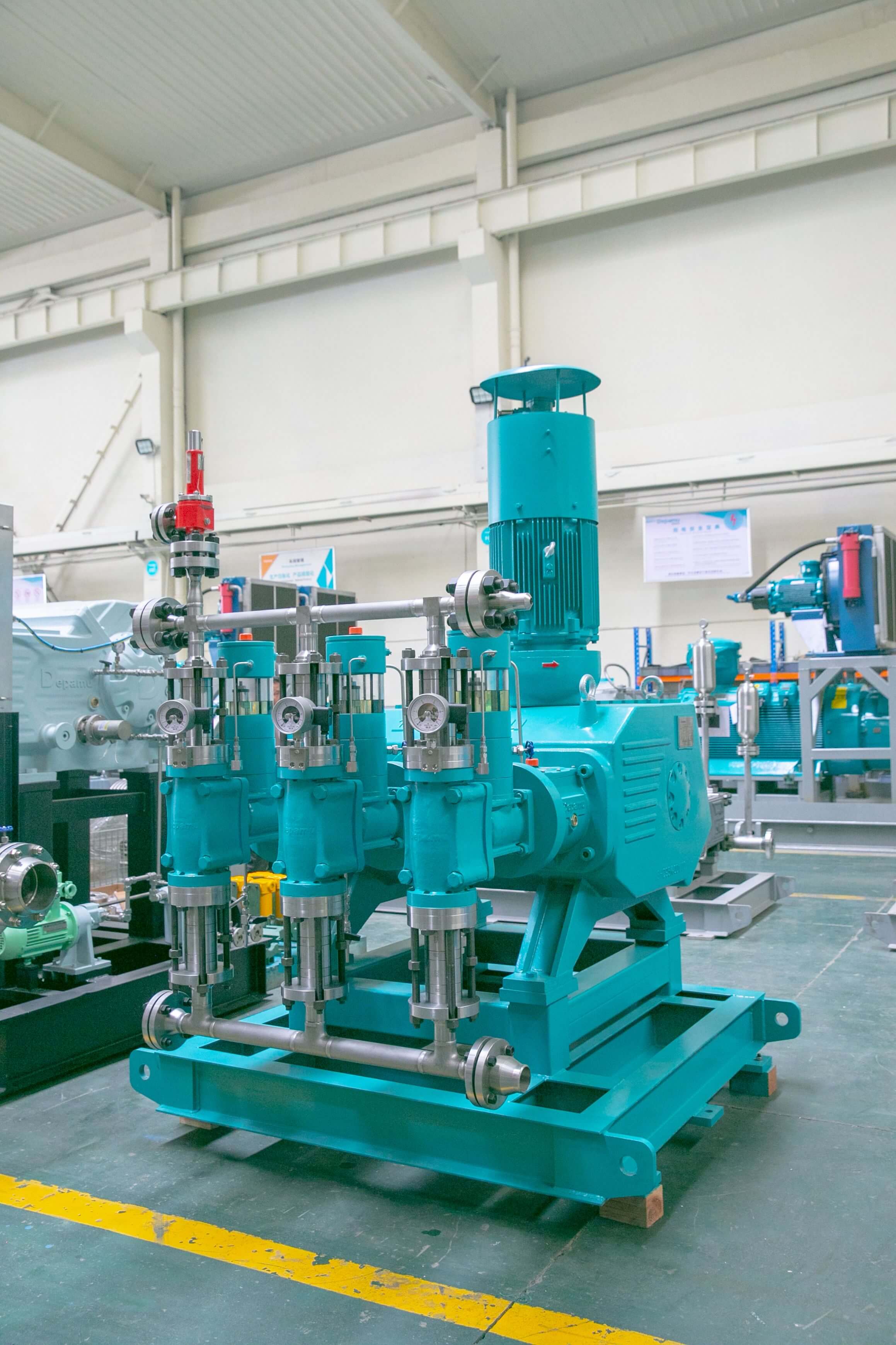
- Operational Environment: Explosion-proof motors are essential for hazardous areas, while compact designs benefit installations with limited space. Our modular pump skids integrate all components on a single baseplate, reducing installation time by 40%.
- Maintenance Requirements:
- Easy access to wear parts like valves and seals minimizes downtime. Depampe’s design features quick-opening covers and tool-free disassembly, enabling component replacement in under 2 hours versus 6+ hours for traditional designs.
- Energy Efficiency: Variable frequency drives (VFDs) can reduce energy consumption by 30-50% in variable load applications. Our pumps are compatible with all major VFD brands, with optimized hydraulic profiles to prevent cavitation during speed changes.
Customization Capabilities & Solution Integration
Depampe distinguishes itself through comprehensive customization services that address unique client requirements. Our engineering team follows a structured approach:
- Needs Analysis: Detailed discussion of process parameters, media properties, and spatial constraints
- Concept Design: 3D modeling of proposed solutions with flow simulation analysis
- Prototype Testing: Performance verification in our R&D center’s test rigs
- Production & QA: ISO 9001-certified manufacturing with 100% pressure testing before shipment
- Installation Support: On-site commissioning and operator training services
A recent project for a Middle Eastern oil company exemplifies our capabilities. The client required a pump system to inject polymer solutions into oil wells at 15MPa pressure, with flow rates adjustable from 5-50m³/h. Our solution combined a triplex reciprocating pump with a VFD-controlled motor, special polymer-compatible valves, and a skid-mounted control panel. The system achieved ±2% flow accuracy and has operated continuously for 18 months without maintenance, reducing the client’s operational costs by $120,000 annually.
Maintenance Best Practices & Service Life Extension
Proper maintenance extends pump service life and maintains performance. Depampe recommends:
- Daily Checks: Monitor pressure gauges, temperature readings, and lubricant levels
- Weekly Inspections: Examine seals for leakage and check valve operation
- Monthly Maintenance: Replace lubricants, clean filters, and inspect plunger surfaces
- Annual Overhaul: Disassemble pump, measure wear parts, and replace as needed
Our predictive maintenance program uses IoT sensors to monitor vibration, temperature, and pressure parameters in real-time. Data analytics identify emerging issues before they cause failures, enabling scheduled maintenance instead of emergency repairs. Clients participating in this program have reduced unplanned downtime by 65% and extended mean time between failures (MTBF) to over 8,000 operating hours.
FAQ
What factors determine the pressure rating of a reciprocating pump?
The maximum pressure depends on plunger/piston diameter, material strength, and seal design. Depampe calculates pressure ratings using ANSI/HI 9.6.8 standards, with safety factors incorporated based on application severity. Our standard models offer up to 35MPa, with custom designs available for higher pressures.
How do you select materials for chemical-resistant pumps?
Material selection considers chemical compatibility, concentration, temperature, and exposure duration. We reference the ASM Handbook and NACE MR0175 standard, conducting laboratory tests when data is unavailable. For example, handling 50% caustic soda at 90°C requires 316L stainless steel with electroless nickel plating.
What maintenance is required for high pressure seals?
Seal maintenance frequency depends on media aggressiveness and operating pressure. Depampe’s mechanical seals with silicon carbide faces and Viton elastomers typically last 4,000-6,000 hours in standard applications. We recommend monthly inspections and replacement every 12 months or when leakage exceeds 5ml/h.
Can reciprocating pumps handle viscous fluids?
Yes, our pumps can transfer viscosities up to 50,000cP with proper configuration. For high-viscosity applications, we increase plunger diameter, reduce operating speed, and use heated pump heads to maintain fluid flowability. A recent project successfully pumped 10,000cP asphalt at 180°C using a specialized configuration.
What safety features are included in your pumps?
All Depampe pumps comply with API 674 standards and include pressure relief valves, rupture discs, and mechanical safety interlocks. For hazardous areas, we offer ATEX/IECEx certified explosion-proof motors and static grounding systems. Our control panels feature emergency stop buttons and alarm outputs for abnormal conditions.
Summary
Selecting the right high pressure process reciprocating pump requires careful consideration of technical specifications, application requirements, and long-term operational costs. Depampe (Hangzhou) Pump Technology Co., Ltd. offers a comprehensive range of standardized and customized solutions, backed by 20+ years of industrial experience and 400+ skilled professionals. Our 35,000m² manufacturing facility produces pumps that meet stringent international standards while delivering exceptional reliability in demanding environments.
With applications spanning petrochemical, power generation, metallurgy, and environmental protection sectors, Depampe has established itself as a trusted partner for global industrial clients. Our commitment to continuous innovation ensures that our pumps incorporate the latest materials science and hydraulic engineering advancements, helping customers improve process efficiency and reduce total cost of ownership.