
Selecting the right high pressure reciprocating plunger pump for your industrial application requires careful consideration of multiple factors. As a leading manufacturer with over 20 years of experience in the fluid equipment industry, Depamp (Hangzhou) Pump Technology Co., Ltd. understands the complexities involved in this selection process. Our company, established in 2003 with 400+ employees and a 35,000㎡ manufacturing facility, specializes in developing customized solutions for diverse industrial needs.
High pressure reciprocating plunger pumps play a crucial role in various industrial processes, from chemical dosing to oil and gas extraction. These pumps are designed to handle demanding applications where precise flow control and reliable operation under high pressure are essential. The right selection can significantly impact your operational efficiency, product quality, and overall equipment lifespan.
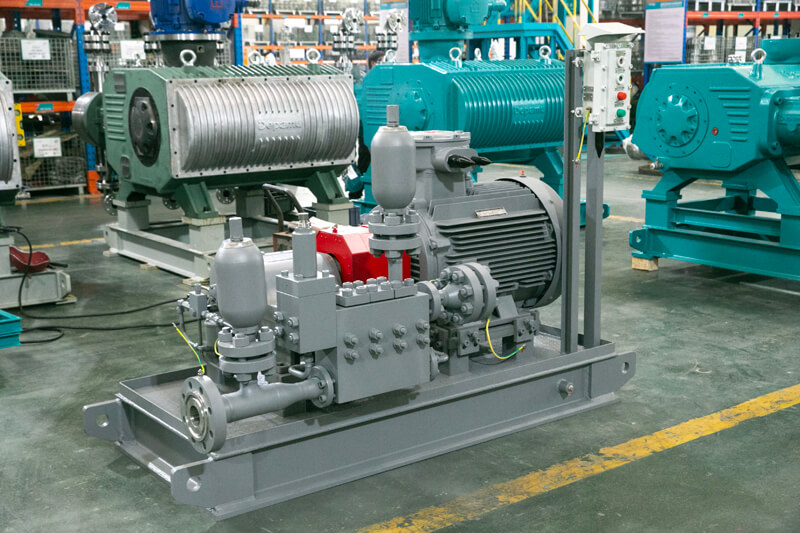
Understanding High Pressure Reciprocating Plunger Pumps
High pressure reciprocating plunger pumps operate through the reciprocating motion of plungers within cylinders, creating pressure to move fluids through the system. These pumps are distinguished by their ability to generate extremely high pressures (up to 35MPa or more) while maintaining precise flow control. The hydraulic diaphragm structure, a key innovation in our product line, ensures completely leak-free operation even with corrosive, volatile, or high-pressure media.
The core advantage of reciprocating plunger pumps lies in their versatility. They can handle a wide range of media types including viscous fluids, high-temperature liquids, and those containing solid particles. This makes them ideal for applications where other pump types might fail or require frequent maintenance. Our pumps are designed with robust materials and precision engineering to withstand the most challenging industrial environments.
At Depamp, we offer three main brands – Depamp, Knirova, and Dailupu – each with specific design features optimized for different applications. This multi-brand strategy allows us to provide tailored solutions that precisely match our customers’ requirements while maintaining consistent quality standards across all product lines.
Key Selection Criteria for High Pressure Reciprocating Pumps
When selecting a high pressure reciprocating plunger pump, several critical factors must be evaluated to ensure optimal performance and reliability in your specific application. The first consideration is pressure requirements – different models offer varying maximum pressure capabilities, and selecting a pump with appropriate pressure rating is essential for both safety and efficiency.
Flow rate requirements are equally important. Our pumps offer adjustable flow rates through stroke length modification and frequency control, allowing precise matching to your process needs. This adjustability provides operational flexibility and helps optimize energy consumption. The viscosity of the media being pumped also affects pump selection, as higher viscosity fluids require more powerful drive mechanisms.
Material compatibility is another crucial factor. Our pumps feature construction materials carefully selected based on the chemical properties of the media. For corrosive applications, we offer specialized coatings and material options including stainless steel, duplex steel, and various alloy compositions. Temperature resistance is equally important, with our pumps capable of handling media temperatures up to 350°C depending on the model.
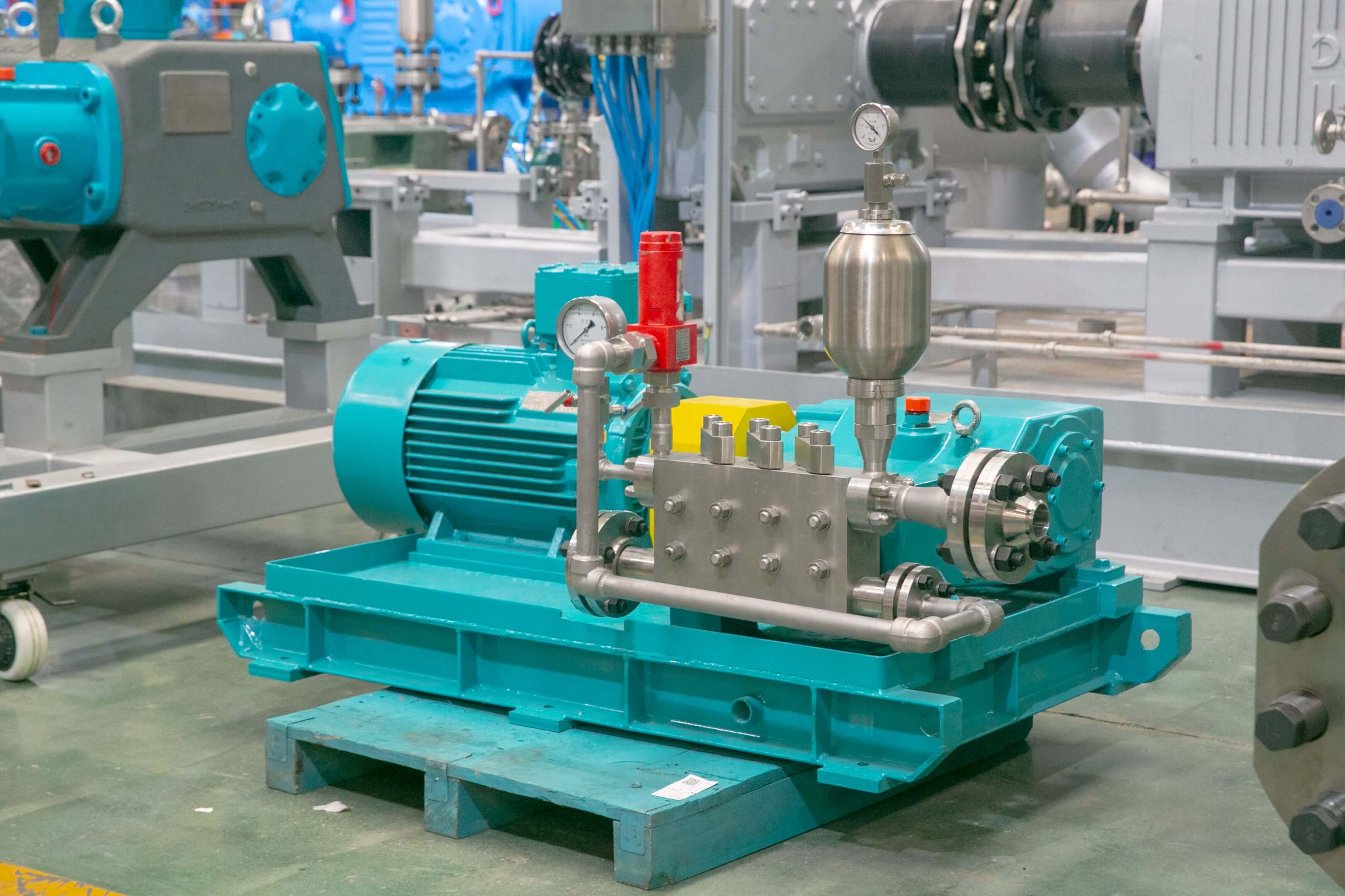
Application-Specific Considerations
Different industries have unique requirements that influence pump selection. In the oil and gas sector, which accounts for 23% of our business, pumps must handle abrasive media and withstand harsh environmental conditions. Our solutions for this industry feature reinforced seals, hardened components, and specialized materials to ensure reliable operation in drilling, cementing, and fracturing applications.
The chemical processing industry (41% of our business) demands pumps that can handle aggressive chemicals while maintaining precise dosing accuracy. Our hydraulic diaphragm计量泵 (metering pumps) excel in these applications, offering leak-free operation and ±1% dosing accuracy. These pumps are widely used in pharmaceuticals, food processing, and water treatment where product purity is critical.
For nuclear power applications, we provide specially certified pumps that meet stringent safety and reliability standards. These pumps feature redundant safety systems, radiation-resistant materials, and advanced monitoring capabilities to ensure safe operation in nuclear facilities. Our experience in this sector demonstrates our ability to meet the most demanding industry requirements.
Customization Options for Specialized Needs
One of our core strengths at Depamp is our ability to provide customized solutions tailored to specific customer requirements. Our engineering team works closely with clients to understand their unique process challenges and develop pumps that precisely match their needs. This customization capability extends beyond basic specifications to include integration with complete fluid handling systems.
Our fully automated chemical dosing systems exemplify this approach. These turnkey solutions integrate storage, dissolution, mixing, metering, and control functions into a single skid-mounted system. Pre-assembled and tested in our factory, these systems reduce installation time and ensure reliable operation from startup. Customization options include multiple dosing points, automatic sequencing, and remote monitoring capabilities.
For applications requiring non-standard configurations, we offer modifications to plunger sizes, stroke lengths, and materials of construction. Our modular design approach allows for easy adaptation of existing pump models to meet specific flow, pressure, or media compatibility requirements. This flexibility has made us a preferred supplier for complex industrial projects worldwide.
| Selection Factor | Importance | Depamp Solution |
|---|---|---|
| Pressure Rating | Critical for safety and performance | Up to 35MPa models available |
| Flow Accuracy | Essential for process control | ±1% metering accuracy |
| Media Compatibility | Determines material selection | Wide range of material options |
| Temperature Range | Affects component selection | -30°C to 350°C capability |
| Customization | Meets unique requirements | Full engineering support |
FAQ
What makes high pressure reciprocating plunger pumps suitable for corrosive applications?
Our hydraulic diaphragm structure completely isolates the process fluid from the pump’s mechanical components, preventing corrosion of critical parts. Additionally, we offer specialized material options including Hastelloy, titanium, and PTFE-lined components for maximum chemical resistance in aggressive environments.
How do you ensure precise flow control in your reciprocating pumps?
Precision is achieved through two main mechanisms: adjustable stroke length and variable frequency drive. The stroke length can be manually set or automatically adjusted, while the frequency control allows fine-tuning of the pumping cycles per minute. This combination provides ±1% flow accuracy in our metering pump models.
What maintenance is required for high pressure reciprocating pumps?
Regular maintenance includes checking and replacing worn seals, lubricating moving parts, and inspecting for leaks. Our pumps are designed with easy access to critical components to simplify maintenance. We recommend a preventive maintenance schedule based on operating hours and process conditions to maximize equipment lifespan.
Can your pumps handle viscous fluids?
Yes, our reciprocating pumps are well-suited for viscous applications. The positive displacement design provides consistent flow regardless of viscosity changes. For extremely high viscosity fluids, we offer specialized valve designs and increased power ratings to ensure reliable operation.
What safety features are included in your high pressure pumps?
Safety is a top priority in our designs. Standard features include pressure relief valves, rupture discs, and leak detection systems. For nuclear applications, we provide redundant safety systems and certification to meet stringent industry standards. All our pumps comply with relevant international safety regulations.
Summary
Selecting the right high pressure reciprocating plunger pump requires thorough evaluation of your specific application requirements. Key factors include pressure and flow specifications, media characteristics, temperature range, and environmental conditions. As a manufacturer with comprehensive capabilities from R&D to complete system integration, Depamp offers solutions that address all these considerations while providing exceptional reliability and performance.
Our experience across diverse industries including oil and gas, chemical processing, nuclear power, and water treatment has given us deep insight into the varying demands of different applications. This expertise enables us to recommend the most suitable pump model or develop customized solutions when standard products don’t meet specific needs.
With a commitment to continuous innovation and quality, we maintain strict manufacturing standards and invest in advanced testing facilities to ensure every pump meets our performance specifications. Our global service network provides timely support and spare parts availability, minimizing downtime and protecting your investment over the equipment’s lifespan.