
Selecting the right industrial mono pump requires comprehensive understanding of process requirements, medium characteristics, and operational conditions. As a leading manufacturer with 21 years of experience in fluid handling equipment, Depamump (Hangzhou) Pump Technology Co., Ltd. provides this professional guide to help you make informed decisions when choosing mono pumps for your specific applications.
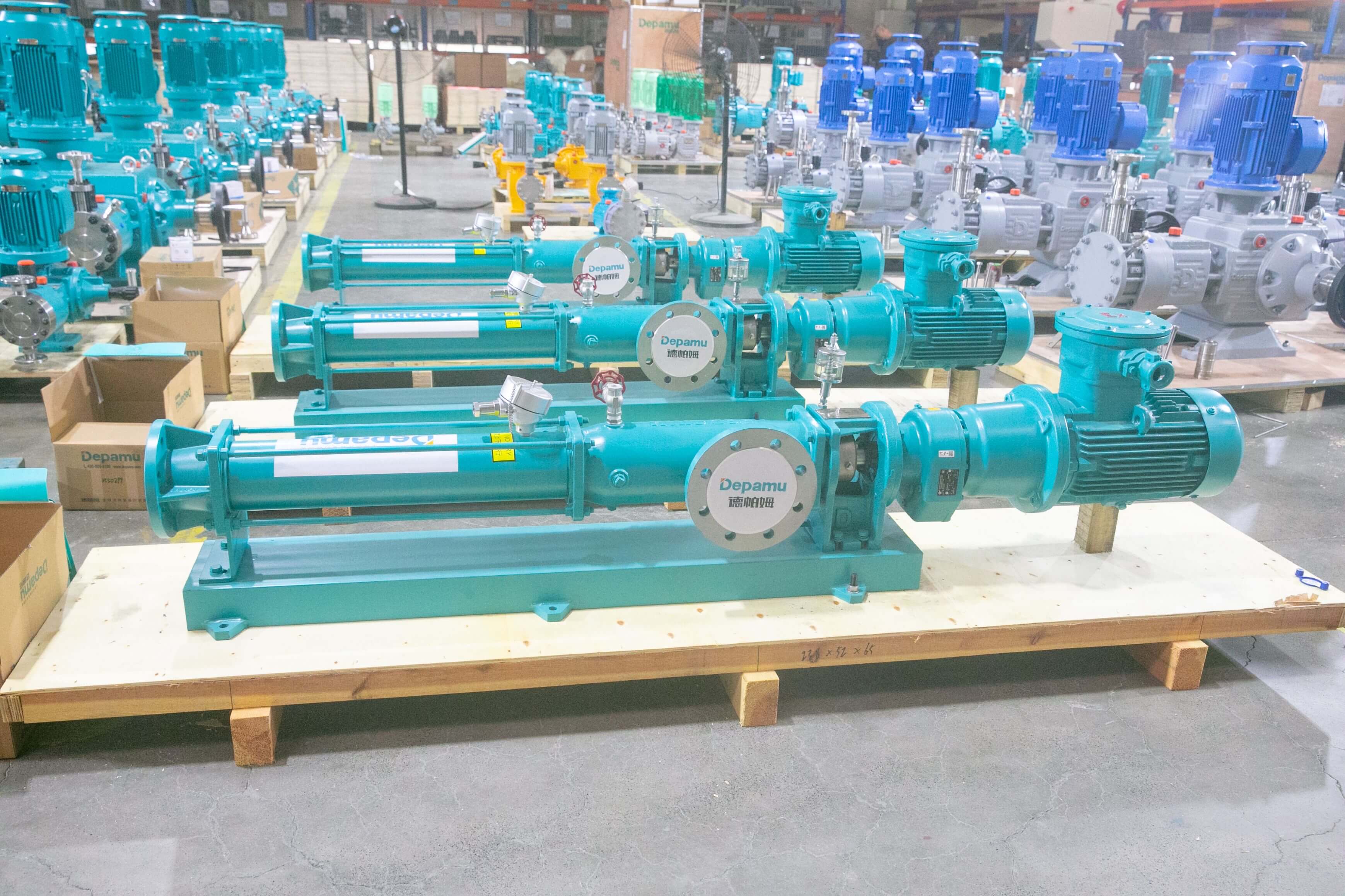
Understanding Mono Pump Fundamentals
Mono pumps, also known as positive displacement pumps, operate through the reciprocating motion of pistons or plungers to move fluids. These pumps excel in applications requiring precise flow control, high-pressure delivery, and handling of viscous or abrasive media. At Depamump, our mono pump range includes hydraulic diaphragm metering pumps, high-pressure process reciprocating pumps, and specialized chemical dosing systems.
The core advantage of our hydraulic diaphragm metering pumps lies in their zero-leakage design. Using hydraulic pressure to actuate the diaphragm, these pumps can safely handle corrosive, toxic, or volatile chemicals without any external leakage. This makes them ideal for applications in petrochemical refining, pharmaceutical production, and nuclear power plants where safety and precision are paramount.
Key Selection Criteria for Industrial Mono Pumps
When evaluating mono pumps for your industrial applications, several critical factors must be considered to ensure optimal performance and reliability:
1. Medium Characteristics Analysis
The chemical composition, viscosity, temperature, and corrosiveness of the fluid significantly impact pump selection. For highly corrosive media like sulfuric acid or chlorine solutions, we recommend our stainless steel or Hastelloy-lined mono pumps with PTFE diaphragms. For viscous fluids above 1000 cSt, our specialized screw pumps with variable speed drives offer superior performance.
2. Flow Rate Requirements
Accurate flow control is essential in chemical dosing applications. Our hydraulic diaphragm metering pumps achieve ±1% flow accuracy through adjustable stroke length and frequency control. For processes requiring variable flow rates, we offer pumps with motor-driven variable speed drives or by-pass valves to maintain precise control across different operating conditions.
3. Pressure Capacity Needs
Different applications demand varying pressure capabilities. Our high-pressure process reciprocating pumps can generate up to 35MPa (5000 psi) pressure, making them suitable for oilfield injection, hydraulic fracturing, and pipeline增压 applications. For lower pressure requirements (below 10MPa), our standard chemical dosing pumps provide reliable performance with simpler designs.
4. Material Compatibility
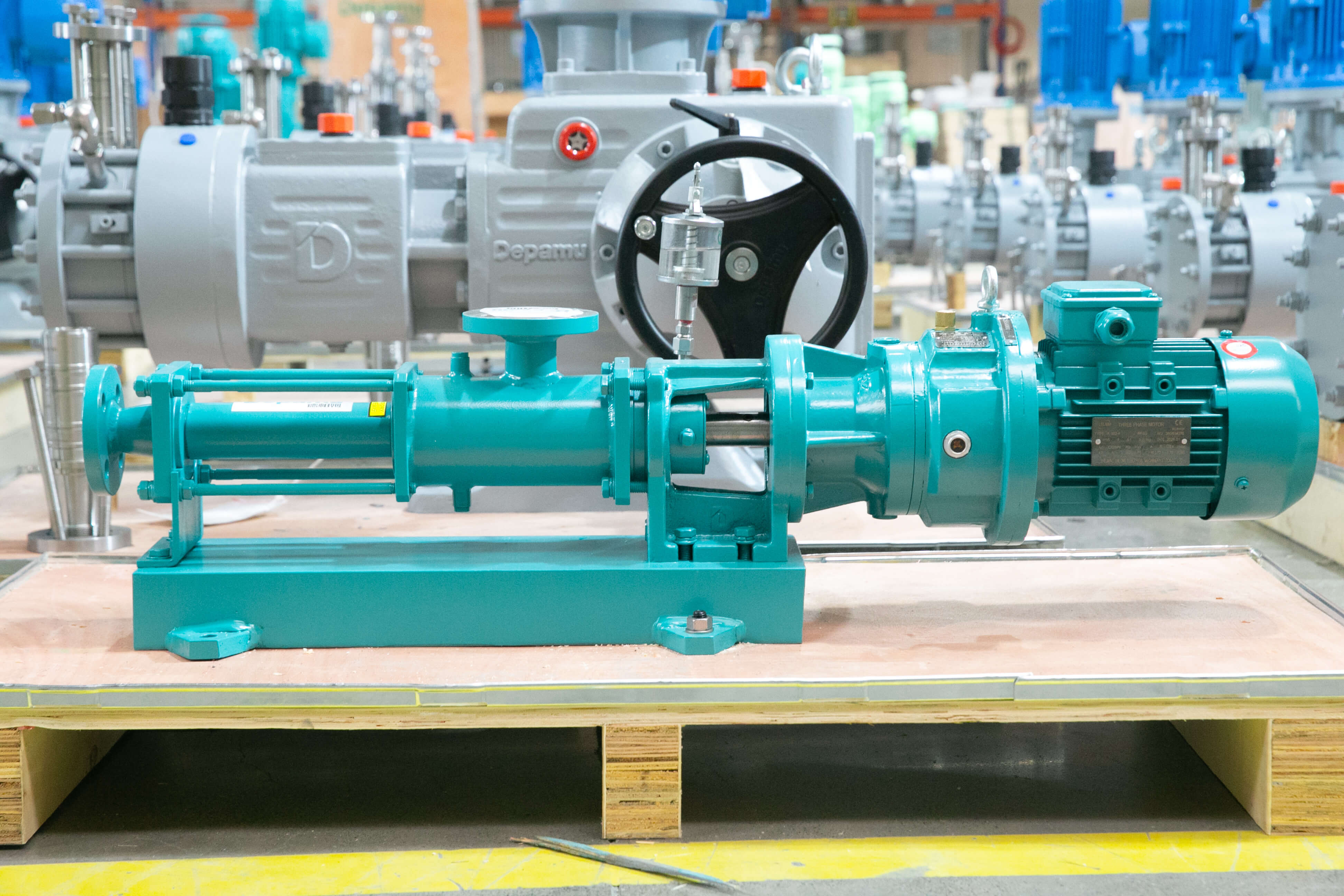
Selecting appropriate materials ensures pump longevity and prevents contamination. We offer comprehensive material options including:
- Wetted parts: 316L stainless steel, Hastelloy C-276, PVDF, PTFE
- Diaphragm materials: PTFE, FEP, PFA, rubber-lined
- Seal options: mechanical seals, packing seals, diaphragm seals
- External components: carbon steel with epoxy coating, stainless steel 304
5. Automation and Control Requirements
Modern industrial processes demand intelligent control systems. Our automatic chemical dosing systems integrate:
- PLC control with HMI interface
- 4-20mA signal input for remote control
- Flow and pressure sensors with alarm functions
- Dry-running protection and automatic shutdown
- Data logging and remote monitoring capabilities
Application-Specific Pump Recommendations
Based on our extensive experience across industries, we recommend specific pump models for common applications:
| Application | Recommended Pump Model | Key Features |
|---|---|---|
| Petrochemical refining | DMH series hydraulic diaphragm metering pump | Hastelloy construction, PTFE diaphragm, ±0.5% accuracy |
| Oilfield injection | DHP series high-pressure reciprocating pump | 35MPa pressure, duplex stainless steel, 24-hour continuous operation |
| Wastewater treatment | DSC series automatic chemical dosing system | Integrated solution tank, PLC control, multi-point dosing |
| Food processing | DSS series sanitary screw pump | 316L stainless steel, hygienic design, CIP cleaning compatible |
Customization Capabilities for Special Requirements
Understanding that standard products may not meet all customer needs, Depamump offers comprehensive customization services:
Our engineering team works closely with clients to analyze specific requirements including:
- Special material requirements for extreme corrosion resistance
- Custom pressure ratings for unique applications
- Explosion-proof designs for hazardous environments
- Mobile skid-mounted systems for temporary installations
- Redundant pump systems for critical applications
With our 35,000㎡ manufacturing facility and 400+ skilled technicians, we can deliver customized solutions within 4-8 weeks for most projects. Our prototype testing lab ensures all custom designs meet performance requirements before shipment.
FAQ
What factors determine the service life of a hydraulic diaphragm metering pump?
The service life primarily depends on diaphragm material selection, operating pressure, and medium characteristics. For corrosive media, we recommend PTFE or Hastelloy-lined diaphragms. Proper pressure setting within the pump’s rated range and regular maintenance can extend service life to 8-10 years under normal operating conditions.
How does Depamump ensure zero leakage in its chemical dosing pumps?
Our hydraulic diaphragm metering pumps use a two-layer diaphragm design with leak detection sensors. The primary diaphragm handles the process fluid while the secondary diaphragm provides backup protection. Any leakage triggers an alarm and automatic pump shutdown to prevent environmental contamination.
What maintenance is required for high-pressure reciprocating pumps?
Regular maintenance includes: 1) Daily inspection of lubrication oil level and pressure gauges; 2) Weekly checking of packing gland tightness; 3) Monthly replacement of lubrication oil and inspection of valves; 4) Annual overhaul of plunger surfaces and valve seats. We provide detailed maintenance manuals with each pump.
Can your automatic chemical dosing systems handle multiple chemicals simultaneously?
Yes, our standard systems support up to 4 different chemicals with independent metering pumps. For larger-scale applications, we offer modular designs that can be expanded to handle 8-12 chemicals with centralized control through a single HMI interface.
What certifications do your industrial pumps have for international markets?
Our products comply with major international standards including ATEX (Explosion-proof), CE (European Conformity), API675 (Metering Pumps), and ISO9001 (Quality Management). For specific market requirements, we can obtain additional certifications like EAC (Eurasian Conformity) or CSA (Canadian Standards Association).
Summary
Selecting the right industrial mono pump requires careful evaluation of process requirements, medium characteristics, and operational conditions. Depamump’s comprehensive product range covers hydraulic diaphragm metering pumps for precise chemical dosing, high-pressure reciprocating pumps for demanding industrial applications, and automatic chemical dosing systems for integrated solutions.
With 21 years of experience in fluid handling equipment manufacturing, we understand the challenges across different industries. Our engineering team provides professional consultation to help you select the most suitable pump model or develop customized solutions. All our products come with 12-month warranty and lifetime technical support to ensure your operations run smoothly.