
Selecting the right lobe rotor pump for your industrial application is crucial for ensuring efficient and reliable operation. Lobe rotor pumps, also known as rotary lobe pumps or rotary vane pumps, are versatile positive displacement pumps that excel in handling a wide range of fluids, including viscous, abrasive, and corrosive media. In this comprehensive guide, we’ll explore the key factors to consider when selecting a lobe rotor pump, its common applications across various industries, and how to choose a reputable supplier.
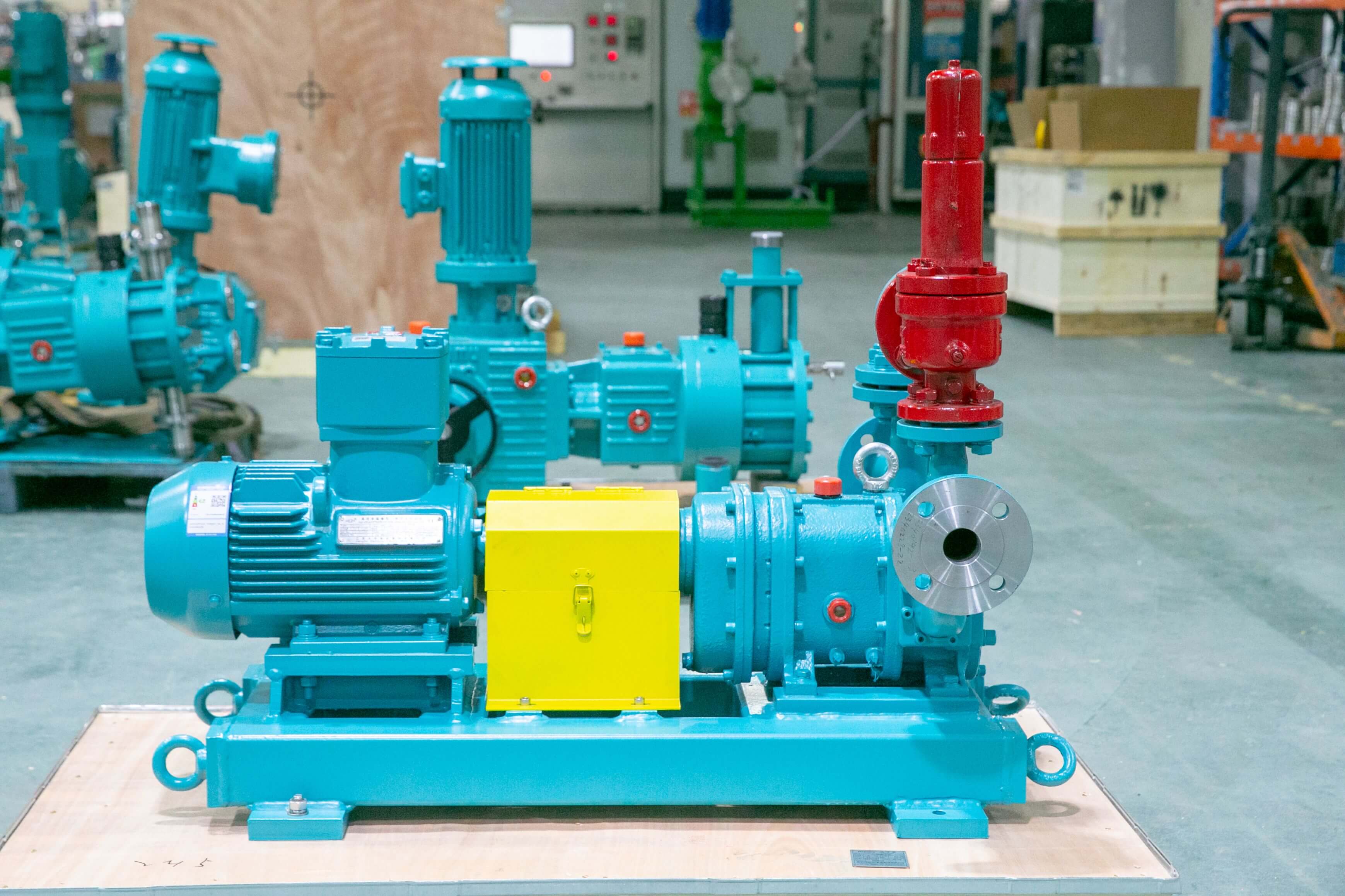
Understanding Lobe Rotor Pumps
Lobe rotor pumps operate by using two or more lobes that rotate in opposite directions within a pump casing. As the lobes rotate, they create expanding chambers on the suction side, drawing fluid into the pump. The fluid is then transported through the pump and discharged on the other side as the chambers contract. This design allows lobe rotor pumps to handle fluids with varying viscosities and solid content without damaging the product or the pump itself.
One of the key advantages of lobe rotor pumps is their ability to maintain a consistent flow rate regardless of pressure changes. This makes them ideal for applications where precise metering or dosing is required. Additionally, lobe rotor pumps are known for their gentle pumping action, which minimizes shear forces and prevents product degradation.
Key Factors in Lobe Rotor Pump Selection
When selecting a lobe rotor pump for your specific application, several factors must be considered to ensure optimal performance and longevity. Here are the most important criteria to evaluate:
1. Fluid Characteristics
The properties of the fluid being pumped play a significant role in pump selection. Consider the following:
- Viscosity: Lobe rotor pumps can handle fluids ranging from thin liquids to highly viscous materials. However, the pump’s design and speed may need to be adjusted based on viscosity to ensure proper flow.
- Corrosiveness: For corrosive fluids, select a pump constructed from materials that are resistant to chemical attack, such as stainless steel or special alloys.
- Abrasiveness: If the fluid contains abrasive particles, choose a pump with hardened lobes and liners to withstand wear and extend service life.
- Temperature: Ensure the pump can operate within the temperature range of your application without compromising performance or safety.
2. Flow Rate and Pressure Requirements
Determine the required flow rate (volume per unit time) and pressure (head) for your application. Lobe rotor pumps are available in various sizes and configurations to meet different flow and pressure demands. It’s essential to select a pump that can deliver the necessary performance without operating at extreme ends of its capacity range, which can reduce efficiency and increase wear.
3. Pump Construction and Materials
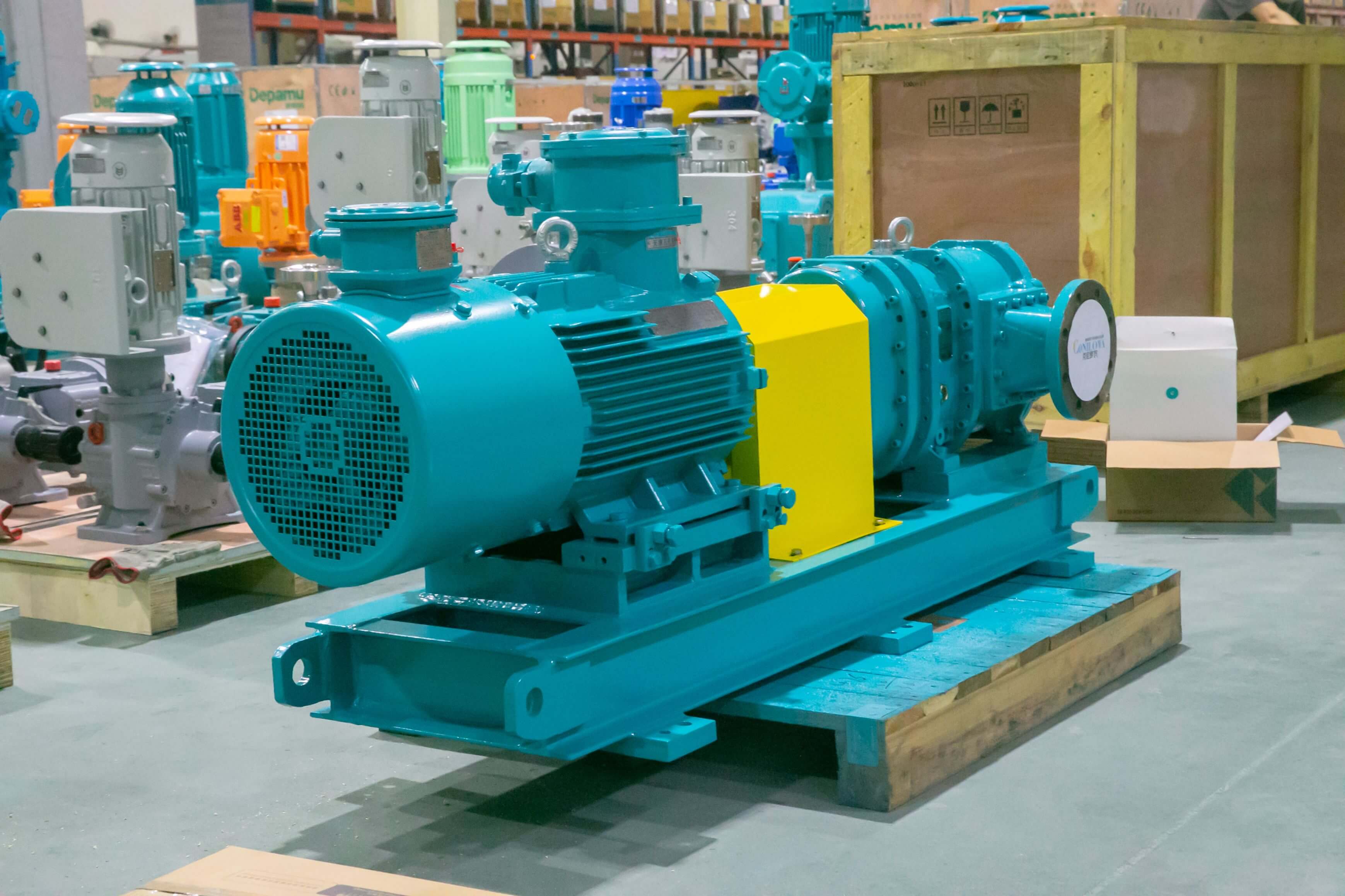
The construction and materials of the lobe rotor pump should align with your application’s demands. Common materials include cast iron, stainless steel, and duplex stainless steel, each offering different levels of corrosion resistance and strength. Additionally, consider the design of the lobes and casing—some pumps feature replaceable liners and lobes for easier maintenance and reduced downtime.
4. Sealing Options
Proper sealing is critical to prevent leaks and maintain pump efficiency. Lobe rotor pumps offer various sealing options, including mechanical seals, packing glands, and lip seals. The choice depends on the fluid’s properties, operating conditions, and maintenance preferences. For example, mechanical seals are often preferred for corrosive or abrasive fluids, while packing glands may be suitable for less demanding applications.
5. Drive and Control Systems
Consider the drive system (e.g., direct drive, gearbox, or variable speed drive) and control options (e.g., manual, automatic, or remote monitoring) that best suit your operation. Variable speed drives allow for precise flow control and energy savings by adjusting the pump’s speed to match demand. Automated control systems can enhance process efficiency and reduce manual intervention.
Common Applications of Lobe Rotor Pumps
Lobe rotor pumps are widely used across various industries due to their versatility and reliability. Here are some typical applications:
1. Chemical Processing
In the chemical industry, lobe rotor pumps handle corrosive chemicals, solvents, and viscous materials. They are used for transferring raw materials, blending ingredients, and dosing additives in processes such as polymerization, distillation, and reaction vessels.
2. Oil and Gas
Lobe rotor pumps play a vital role in the oil and gas sector, particularly in upstream and midstream operations. They are used for crude oil transfer, well stimulation, and chemical injection. Their ability to handle abrasive slurries and high-pressure conditions makes them ideal for these demanding applications.
3. Food and Beverage
The food and beverage industry relies on lobe rotor pumps for their hygienic design and gentle pumping action. These pumps transfer products like yogurt, sauces, and beverages without altering their texture or consistency. They are also used for CIP (clean-in-place) systems to ensure sanitary conditions.
4. Pharmaceuticals
In pharmaceutical manufacturing, lobe rotor pumps handle sensitive and high-value products with precision. They are used for transferring active pharmaceutical ingredients (APIs), excipients, and final formulations. The pumps’ cleanability and sterile design comply with strict regulatory requirements.
5. Water and Wastewater Treatment
Lobe rotor pumps are essential in water and wastewater treatment plants for pumping sludge, flocculants, and chemicals. Their ability to handle thick slurries and resist clogging makes them suitable for dewatering, thickening, and digestion processes.
| Industry | Application | Key Requirement |
|---|---|---|
| Chemical Processing | Transferring corrosive chemicals | Corrosion resistance |
| Oil and Gas | Crude oil transfer | High-pressure capability |
| Food and Beverage | Transferring viscous products | Gentle pumping action |
| Pharmaceuticals | Dosing APIs | Precision metering |
| Water Treatment | Pumping sludge | Abrasion resistance |
Choosing a Reputable Lobe Rotor Pump Supplier
Selecting a reliable supplier is as important as choosing the right pump. A reputable supplier will offer high-quality products, technical expertise, and excellent after-sales support. Here are some tips for finding the best lobe rotor pump supplier:
1. Experience and Expertise
Look for a supplier with extensive experience in designing and manufacturing lobe rotor pumps for your specific industry. An experienced supplier will understand the unique challenges of your application and recommend the most suitable pump solution.
2. Product Quality and Certification
Ensure the supplier’s pumps meet international quality standards, such as ISO 9001, and comply with industry-specific regulations (e.g., ATEX for explosive environments, FDA for food contact). High-quality materials and precision engineering are essential for pump reliability and longevity.
3. Customization Capabilities
Choose a supplier that offers customization options to tailor the pump to your exact requirements. This includes selecting materials, seals, drives, and control systems that align with your process conditions and performance goals.
4. After-Sales Support
Reliable after-sales support is crucial for minimizing downtime and ensuring optimal pump performance. Look for a supplier that provides comprehensive services, including installation, commissioning, maintenance, spare parts availability, and technical training.
5. Customer Reviews and References
Research the supplier’s reputation by reading customer reviews and requesting references from clients in similar industries. Positive feedback and testimonials indicate a supplier’s commitment to customer satisfaction and product excellence.
FAQ
What is the typical lifespan of a lobe rotor pump?
The lifespan of a lobe rotor pump depends on factors such as the fluid being pumped, operating conditions, maintenance practices, and the quality of components. With proper care and regular maintenance, a well-designed lobe rotor pump can last 10 years or more in many applications.
Can lobe rotor pumps handle shear-sensitive fluids?
Yes, lobe rotor pumps are known for their gentle pumping action, which minimizes shear forces. This makes them ideal for handling shear-sensitive fluids like polymers, emulsions, and food products without altering their consistency or quality.
How do I maintain a lobe rotor pump?
Regular maintenance is essential for ensuring the longevity and performance of a lobe rotor pump. Key maintenance tasks include inspecting and replacing worn lobes and liners, checking and adjusting seals, lubricating bearings, and monitoring vibration levels. Following the manufacturer’s maintenance guidelines and scheduling routine service intervals can help prevent unexpected breakdowns.
What are the advantages of using a variable speed drive with a lobe rotor pump?
A variable speed drive (VSD) allows you to adjust the pump’s speed to match the process demand, providing several benefits. These include energy savings by avoiding constant operation at full speed, precise flow control for metering applications, and reduced wear on pump components by avoiding unnecessary high-speed operation.
Are lobe rotor pumps suitable for pumping slurries with high solid content?
Yes, lobe rotor pumps can handle slurries with high solid content, making them suitable for applications like mining, wastewater treatment, and food processing. However, it’s important to select a pump with hardened lobes and liners to withstand abrasion from solid particles and ensure proper sizing to prevent clogging.
Summary
Selecting the right lobe rotor pump for your industrial application requires careful consideration of fluid characteristics, flow and pressure requirements, pump construction, sealing options, and drive systems. By understanding these factors and evaluating reputable suppliers, you can choose a pump that delivers reliable performance, efficiency, and longevity. Whether you’re in the chemical processing, oil and gas, food and beverage, pharmaceutical, or water treatment industry, a well-selected lobe rotor pump can meet your specific needs and contribute to the success of your operations.