
When it comes to industrial fluid handling, triple screw pumps stand out as reliable workhorses for high-pressure applications requiring precise metering and continuous operation. As a leading manufacturer with over two decades of expertise in high-end positive displacement pumps, Depamp (Hangzhou) Pump Technology Co., Ltd. has helped hundreds of clients across petrochemical, oil and gas, nuclear power, and environmental protection sectors implement optimal screw pump solutions. This comprehensive guide explores everything you need to know about selecting, applying, and maintaining triple screw pumps for your specific industrial needs.
Understanding Triple Screw Pump Technology
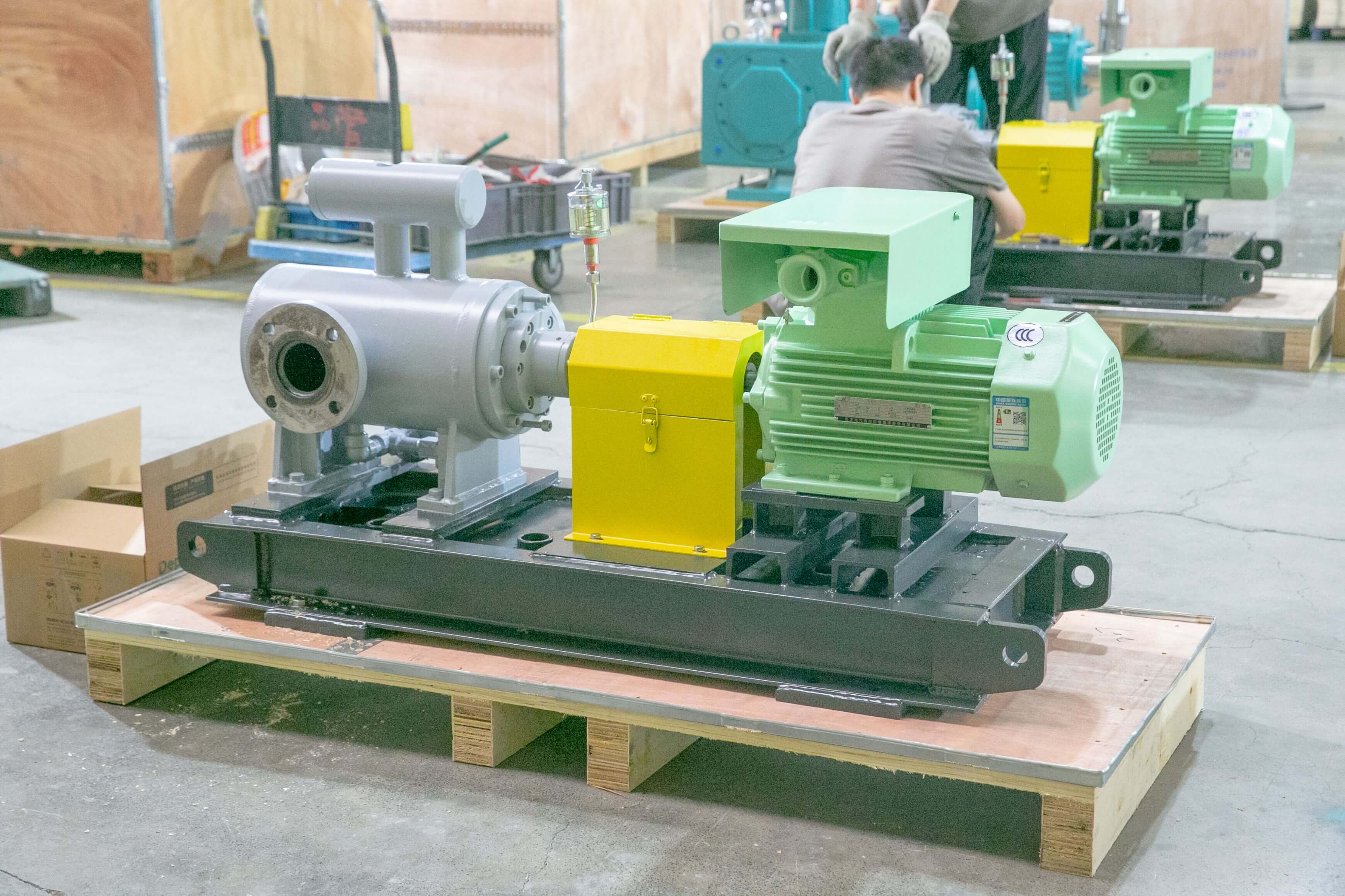
Triple screw pumps operate on a simple yet effective principle: three intermeshing screws rotate within a precision-machined housing to create sealed chambers that move fluid from inlet to outlet. The central rotor drives two outer rotors, creating balanced forces that minimize vibration and wear. This design enables smooth, pulse-free flow even at high pressures, making them ideal for applications requiring consistent fluid delivery without pulsation.
Compared to single or twin screw pumps, triple screw configurations offer superior mechanical balance and longer service life. The three-screw arrangement distributes forces more evenly across the pump body, reducing stress on individual components. This mechanical advantage translates to lower maintenance requirements and higher operational reliability – critical factors for continuous process industries.
Depamp’s triple screw pumps feature advanced hydraulic designs optimized for specific applications. Our engineering team selects materials and surface treatments based on the fluid properties, temperature ranges, and pressure requirements of each project. From standard carbon steel to duplex stainless steel and special alloys, we ensure compatibility with even the most challenging process fluids.
Key Applications Across Industries
The versatility of triple screw pumps makes them valuable assets across multiple industrial sectors. In petrochemical plants, these pumps handle everything from crude oil transfer to polymer processing, where their ability to maintain consistent flow under varying pressures proves invaluable. Our pumps have been successfully implemented in refinery catalytic cracking units, where they transport high-temperature slurries with minimal downtime.
The oil and gas industry relies heavily on triple screw pumps for wellhead injection, chemical dosing, and pipeline transfer applications. Their compact design and ability to handle viscous fluids make them perfect for offshore platforms where space is limited. One notable project involved supplying customized screw pumps for a deep-sea drilling operation, where our pumps maintained reliable performance despite extreme pressure differentials.
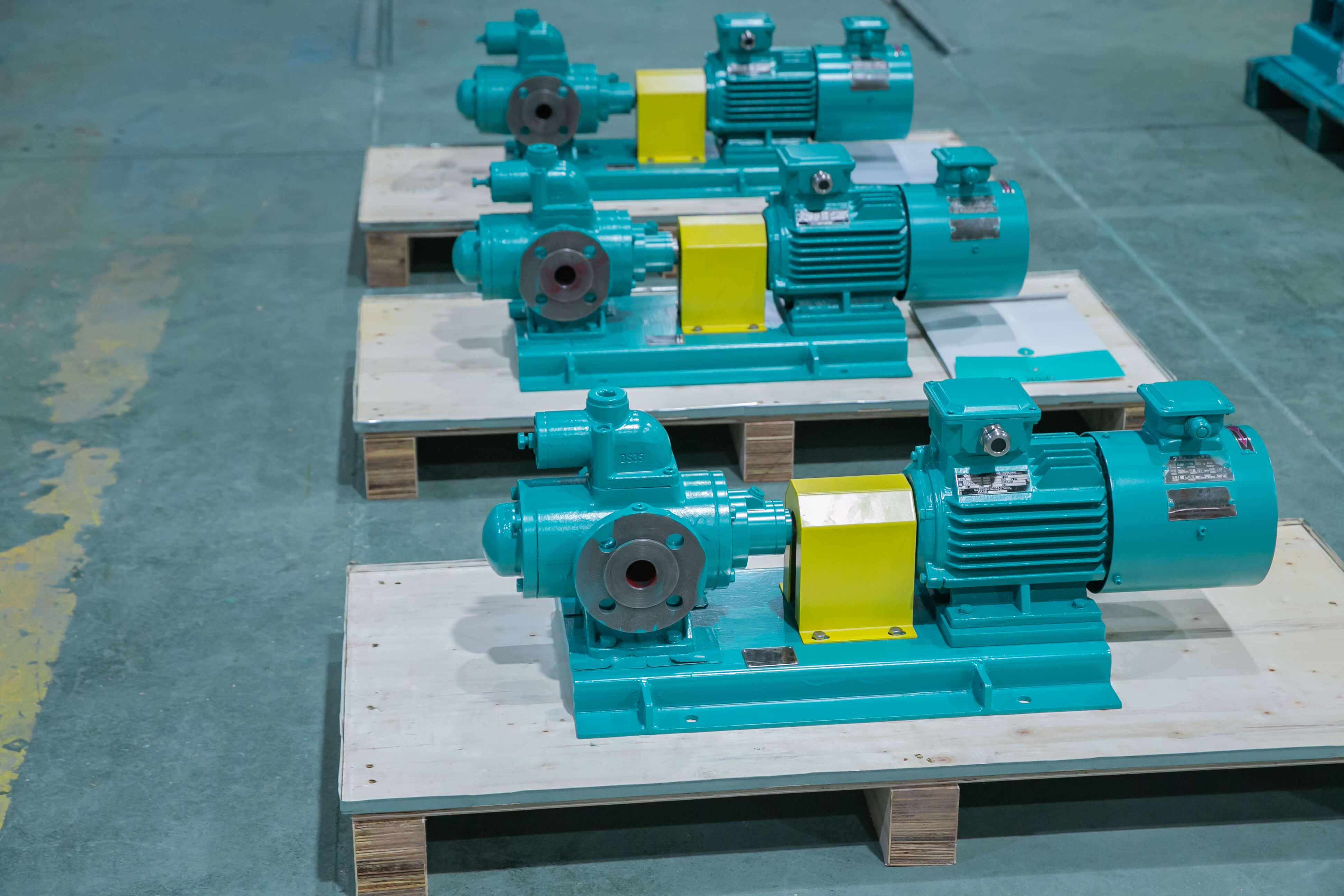
Power generation facilities use our triple screw pumps for boiler feedwater systems, where precise metering and high-pressure capabilities ensure efficient steam production. In nuclear power applications, our pumps meet stringent quality standards while handling radioactive fluids safely. The food and beverage industry benefits from our sanitary-grade screw pumps that comply with FDA and 3A standards for hygienic processing.
Performance Characteristics Comparison
When evaluating triple screw pumps against alternative technologies, several key performance metrics emerge:
| Parameter | Triple Screw Pump | Gear Pump | Centrifugal Pump |
|---|---|---|---|
| Pressure Range | Up to 35MPa | Up to 10MPa | Up to 5MPa |
| Viscosity Handling | 1-1,000,000 cSt | 1-100,000 cSt | 1-500 cSt |
| Flow Pulsation | Minimal | Moderate | Significant |
| Efficiency Range | 75-85% | 70-80% | 50-75% |
| NPSH Requirement | Low | Medium | High |
Selection Criteria for Optimal Performance
Choosing the right triple screw pump requires careful consideration of several critical factors. First, analyze your fluid properties including viscosity, temperature, corrosiveness, and presence of solids. High-viscosity fluids demand larger clearances and specialized rotor profiles, while corrosive media require compatible materials and surface treatments.
Pressure requirements dictate the pump’s mechanical design and material selection. For applications exceeding 20MPa, Depamp engineers specify high-strength alloys and precision-ground components to ensure safe operation. Temperature extremes also influence material choices, with special seals and gaskets needed for processes above 200°C.
Flow rate requirements must account for both average and peak demands. While triple screw pumps excel at maintaining consistent flow, selecting the appropriate size ensures energy efficiency. Our team uses advanced computational fluid dynamics (CFD) simulations to optimize pump sizing for each application, preventing oversizing that wastes energy or undersizing that causes performance issues.
Installation space and environmental conditions play crucial roles in pump selection. Compact designs with integrated drives save valuable floor space in crowded process areas. For hazardous environments, we offer explosion-proof motors and sealed enclosures that meet ATEX and IECEx standards. Our pumps have been successfully installed in Zone 1 and Zone 2 classified areas worldwide.
Maintenance Best Practices for Longevity
Proper maintenance extends the service life of triple screw pumps and ensures reliable operation. Establish a preventive maintenance schedule based on operating hours and process severity. Typical intervals include monthly inspections of seals and bearings, quarterly lubricant analysis, and annual overhauls of critical components.
Lubrication management is particularly important for screw pumps. Use only manufacturer-recommended lubricants and follow strict change intervals. Our pumps feature easy-access lubrication points that simplify maintenance procedures. For applications with stringent contamination control, we offer hermetically sealed lubrication systems that prevent process fluid ingress.
Monitoring vibration levels provides early warning of potential issues. Install vibration sensors on pump bearings and monitor trends over time. Sudden increases in vibration often indicate misalignment, worn bearings, or rotor damage. Depamp’s condition monitoring packages include remote access capabilities that allow our service engineers to analyze data and recommend corrective actions before failures occur.
When replacement parts are needed, always use genuine components from the original manufacturer. Counterfeit parts may appear similar but often fail prematurely under real-world operating conditions. Depamp maintains a global inventory of spare parts for immediate shipment, minimizing downtime during maintenance events. Our parts are manufactured to the same exacting standards as our new pumps, ensuring compatibility and reliability.
FAQ
What makes triple screw pumps different from twin screw pumps?
Triple screw pumps feature three intermeshing rotors (one driver and two idlers) that create balanced hydraulic forces, reducing vibration and wear. This design enables higher pressure capabilities (up to 35MPa) and longer service life compared to twin screw pumps, which have two rotors and typically operate at lower pressures. The three-rotor configuration also provides smoother flow with less pulsation.
How do I determine the right viscosity range for my application?
Viscosity selection depends on both the fluid’s inherent properties and operating temperature. As temperature increases, viscosity typically decreases. Our engineers use viscosity correction charts that account for temperature variations to specify the optimal pump design. For applications with wide temperature swings, we recommend variable speed drives that maintain consistent performance across operating conditions.
Can triple screw pumps handle abrasive fluids?
Yes, with proper material selection and design modifications. For abrasive applications, we specify hardened rotors and casings made from wear-resistant alloys like duplex stainless steel or nickel-based materials. Surface treatments like tungsten carbide coating or ceramic linings further enhance wear resistance. Our engineering team evaluates each abrasive application to determine the most cost-effective solution based on expected service life requirements.
What maintenance procedures are most critical for screw pumps?
The three most critical maintenance procedures are: 1) Regular lubricant analysis and replacement to prevent bearing failure, 2) Periodic inspection of mechanical seals for leakage or wear, and 3) Monitoring vibration levels to detect early signs of rotor imbalance or misalignment. Following the manufacturer’s recommended maintenance schedule and using genuine replacement parts ensures optimal pump performance and longevity.
Summary
Triple screw pumps represent a mature technology that continues to evolve through material science advancements and precision manufacturing techniques. As industries demand ever-higher pressures and more challenging fluid handling requirements, these pumps prove their value through reliable performance and operational efficiency. Depamp’s commitment to continuous improvement ensures our triple screw pumps meet the most demanding specifications while providing exceptional value through reduced maintenance costs and extended service life. Whether you need standard products or fully customized solutions, our team of application engineers stands ready to help you select the optimal pump configuration for your specific industrial needs.