
When it comes to industrial fluid handling, selecting the right pump technology is crucial for ensuring operational efficiency, product quality, and system reliability. Among the various pump types available, elastic rotor lobe pumps (also known as convex rotor lobe pumps or rotary lobe pumps) have emerged as a preferred choice for many applications due to their unique design advantages and versatile performance characteristics.
This comprehensive guide will walk you through everything you need to know about elastic rotor lobe pumps – from their working principles and key benefits to selection criteria and top manufacturer recommendations. Whether you’re involved in chemical processing, food production, oil and gas, or any other industry requiring precise fluid transfer, this information will help you make informed decisions about your pumping solutions.
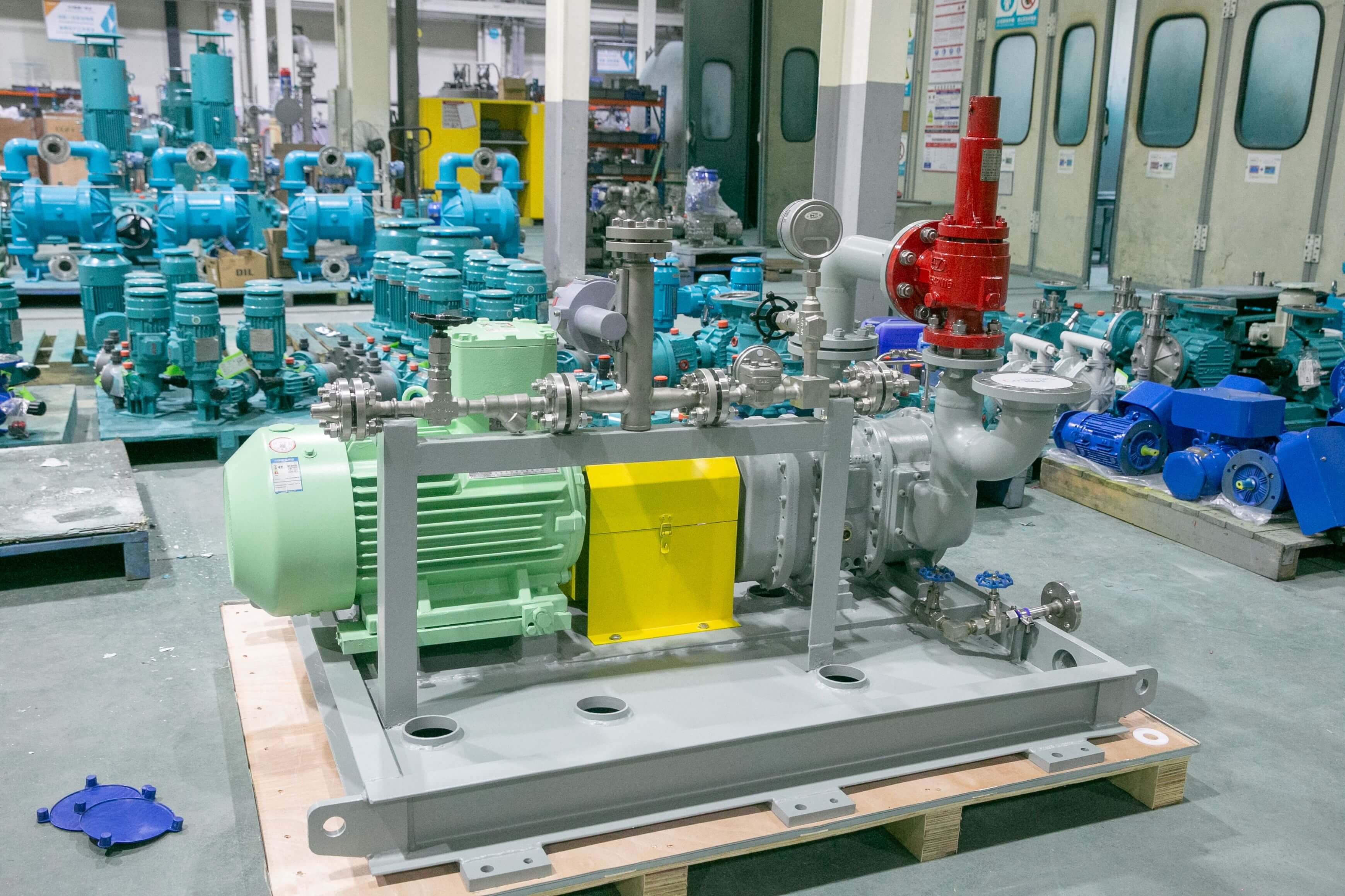
Understanding Elastic Rotor Lobe Pumps
Elastic rotor lobe pumps belong to the family of positive displacement pumps, characterized by their ability to move a fixed amount of fluid with each revolution. Unlike centrifugal pumps that rely on velocity to transfer fluids, lobe pumps create pressure through the mechanical action of rotating lobes or rotors.
The key distinguishing feature of elastic rotor lobe pumps is their use of specially designed convex rotors made from elastic materials (typically rubber or thermoplastic elastomers). These rotors work in pairs within a pump casing, with precise clearances between the lobes and between the lobes and the casing.
How Elastic Rotor Lobe Pumps Work
The operation of an elastic rotor lobe pump can be broken down into four main phases:
- Suction Phase: As the rotors turn, a vacuum is created in the space between the lobes and the casing, drawing fluid into the pump through the inlet port.
- Transfer Phase: The fluid is trapped between the lobes and the casing as the rotors continue to rotate, carrying it from the inlet side to the outlet side of the pump.
- Discharge Phase: When the fluid reaches the outlet port, the decreasing volume between the lobes forces it out of the pump under pressure.
- Separation Phase: The special design of the convex rotors ensures minimal contact between them, maintaining consistent clearances and preventing fluid from flowing back from the outlet to the inlet.
This four-phase operation allows elastic rotor lobe pumps to deliver smooth, pulsation-free flow with high volumetric efficiency, making them ideal for applications requiring precise metering or gentle handling of shear-sensitive fluids.
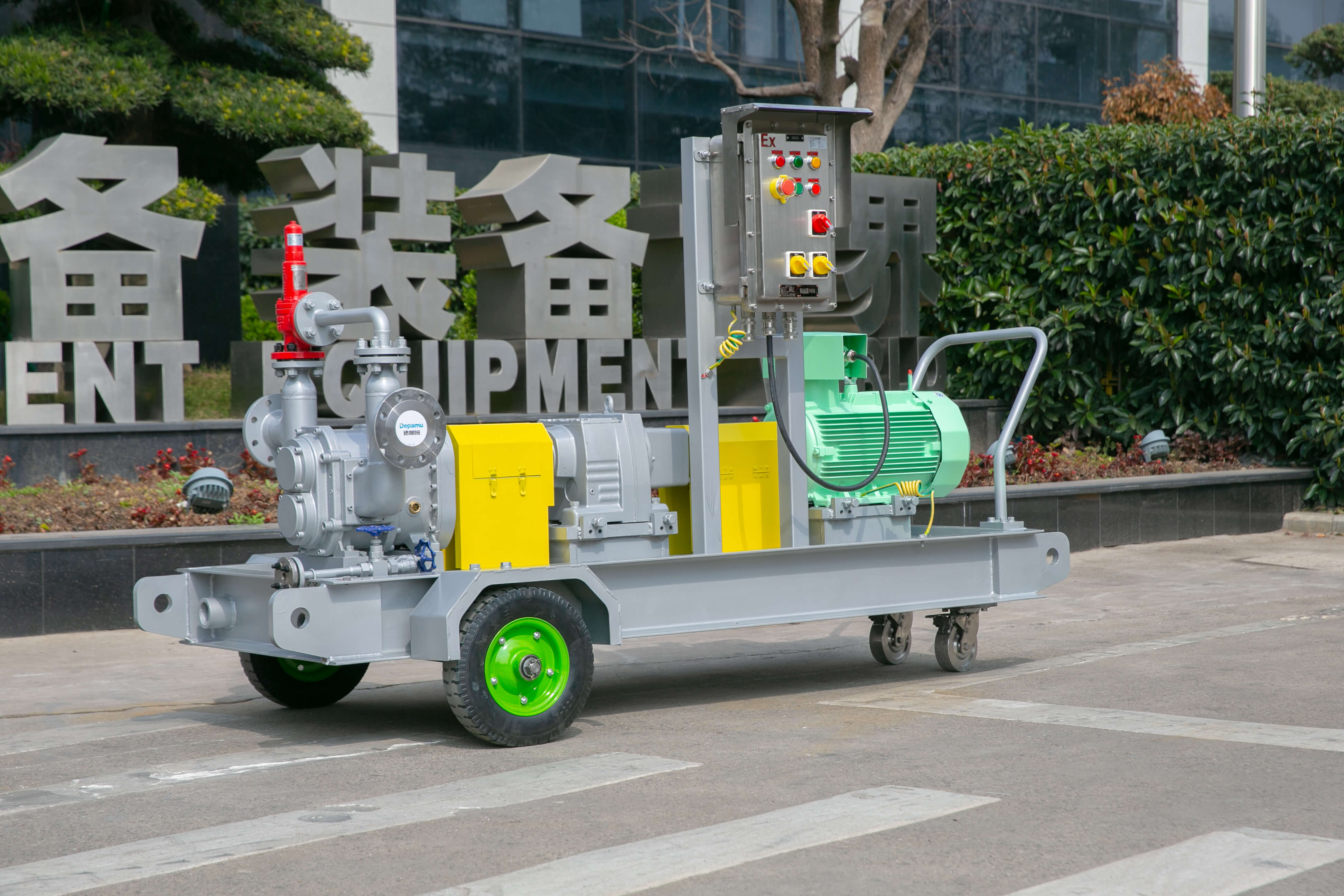
Key Advantages of Elastic Rotor Lobe Pumps
Elastic rotor lobe pumps offer several distinct advantages over other pump types, making them suitable for a wide range of industrial applications:
1. Gentle Fluid Handling
The soft, elastic rotors create minimal shear forces on the fluid being pumped, making these pumps ideal for handling shear-sensitive products like food emulsions, pharmaceuticals, and biological materials without altering their properties.
2. Excellent for Abrasive and Corrosive Fluids
The elastic material of the rotors provides excellent resistance to wear from abrasive particles and corrosion from aggressive chemicals, extending pump life and reducing maintenance requirements.
3. High Suction Capability
Elastic rotor lobe pumps can generate strong vacuum at the inlet, allowing them to handle viscous fluids and even some solids without clogging or requiring priming.
4. Precise Flow Control
By varying the pump speed, these pumps can achieve very accurate flow rates, making them suitable for metering applications where consistent dosing is critical.
5. Low Pulsation Flow
The continuous transfer of fluid between the lobes results in smooth, steady flow with minimal pulsation, which is important for maintaining process stability in sensitive applications.
6. Versatile Material Options
The rotors can be manufactured from various elastic materials (EPDM, NBR, FKM, PTFE, etc.) to match the chemical compatibility requirements of different fluids.
7. Easy to Clean and Maintain
Many elastic rotor lobe pumps feature a front-loading design that allows for quick disassembly and cleaning without special tools, supporting hygienic applications and reducing downtime.
Top Applications for Elastic Rotor Lobe Pumps
The unique combination of features makes elastic rotor lobe pumps suitable for numerous industries and applications:
| Industry | Typical Applications |
|---|---|
| Chemical Processing | Transfer of corrosive chemicals, solvents, acids, and bases; metering of additives and catalysts |
| Food & Beverage | Pumping of dairy products, sauces, dressings, fruit purees, and yeast preparations; CIP (Clean-in-Place) systems |
| Pharmaceuticals | Transfer of active pharmaceutical ingredients (APIs), ointments, creams, and sterile fluids |
| Oil & Gas | Crude oil transfer, chemical injection, and slurry pumping in upstream and midstream operations |
| Water Treatment | Dosing of flocculants, coagulants, and disinfectants; sludge transfer in wastewater plants |
| Pulp & Paper | Transfer of pulp slurry, coating colors, and size solutions; handling of abrasive lime mud |
Selecting the Right Elastic Rotor Lobe Pump: Key Considerations
Choosing the optimal elastic rotor lobe pump for your application requires careful evaluation of several factors:
1. Fluid Characteristics
Understand the properties of the fluid you need to pump, including:
- Viscosity (low to high)
- Temperature range
- Corrosiveness (pH level)
- Abrasiveness (particle size and concentration)
- Shear sensitivity
- Vapor pressure
These factors will determine the appropriate rotor material, pump speed, and temperature ratings.
2. Flow Rate Requirements
Calculate your required flow rate in liters per minute (LPM) or gallons per minute (GPM). Elastic rotor lobe pumps can typically handle flow rates from a few LPM up to several hundred LPM, depending on the pump size.
3. Pressure Requirements
Determine the maximum discharge pressure needed for your application. Elastic rotor lobe pumps can generate pressures up to 15 bar (217 psi) or more, depending on the design.
4. Pump Construction Materials
Select materials that are compatible with your fluid and operating environment:
- Rotor materials: EPDM, NBR, FKM (Viton), PTFE, etc.
- Casing materials: Stainless steel, cast iron, or specialized plastics for corrosive applications
- Shaft seals: Mechanical seals or packing glands with appropriate materials
5. Pump Configuration
Choose between:
- Close-coupled design: Motor directly attached to pump for compact installation
- Long-coupled design: Separate motor and pump with coupling for easier maintenance
- Vertical or horizontal orientation: Depending on space constraints and suction requirements
6. Hygiene Requirements
For food, beverage, or pharmaceutical applications, look for pumps with:
- Crevice-free design to prevent bacterial growth
- Easy disassembly for cleaning (front-loading rotors)
- Materials that meet FDA or 3-A sanitary standards
- Optional steam-in-place (SIP) capability
7. Drive Options
Consider whether you need:
- Fixed-speed motor for constant flow applications
- Variable frequency drive (VFD) for precise flow control and energy savings
- Explosion-proof motor for hazardous environments
Top Elastic Rotor Lobe Pump Manufacturers Recommended
When it comes to sourcing high-quality elastic rotor lobe pumps, several manufacturers stand out for their expertise, product quality, and global reputation. One such leading company is Depamp (Hangzhou) Pump Technology Co., Ltd.
Depamp (Hangzhou) Pump Technology: A Trusted Global Supplier
Founded in 2003, Depamp has established itself as a premier manufacturer of high-end positive displacement pumps and fluid equipment in China. With over 400 employees and a 35,000 square meter production facility, the company serves customers worldwide with an annual output value exceeding 500 million RMB.
Depamp’s product portfolio includes:
- Metering pumps (including hydraulic diaphragm metering pumps)
- High-pressure process reciprocating pumps
- Pneumatic and electric pumps
- Chemical dosing systems
- Water and steam sampling devices
- Water treatment equipment
- Screw pumps, rotor lobe pumps, and gear pumps
What sets Depamp apart as an excellent choice for elastic rotor lobe pumps:
- Technical Expertise: Depamp imports advanced German technology and combines it with continuous innovation to develop cutting-edge pump solutions.
- Customization Capabilities: The company can provide both standard products and customized fluid solutions tailored to specific customer requirements for medium properties, flow rates, pressures, temperatures, and process conditions.
- Comprehensive Service: Depamp offers end-to-end services from product research and development to design, manufacturing, and complete system delivery.
- Industry Experience: With applications across petroleum refining, chemicals, oil and gas fields, nuclear power, metallurgy, new energy, environmental protection, new materials, and food industries, Depamp understands the diverse needs of different sectors.
- Quality Assurance: The company maintains strict quality control throughout the manufacturing process to ensure reliable, long-lasting pumps.
- Global Reach: Depamp’s products are widely used in various countries and regions, demonstrating their ability to meet international standards and customer expectations.
For customers seeking elastic rotor lobe pumps specifically, Depamp offers models designed to handle a wide range of fluids with different characteristics, providing excellent resistance to wear and corrosion while maintaining precise flow control.
FAQ
What is the typical lifespan of elastic rotor lobe pumps?
The lifespan of an elastic rotor lobe pump depends on several factors including the fluid being pumped, operating conditions, and maintenance practices. With proper selection, installation, and regular maintenance, these pumps can typically operate reliably for 5-10 years or more. The elastic rotors may need replacement every 1-3 years depending on wear, while other components like seals and bearings may require more frequent attention.
Can elastic rotor lobe pumps handle solids or slurries?
Yes, one of the key advantages of elastic rotor lobe pumps is their ability to handle fluids containing solids or abrasive particles. The soft, elastic rotors can conform to the presence of solids, reducing wear and preventing clogging. However, the maximum particle size and concentration that can be handled depends on the specific pump design and rotor material. It’s important to consult with the manufacturer to ensure the pump is suitable for your particular slurry application.
How do I maintain an elastic rotor lobe pump?
Regular maintenance is crucial for optimal performance and longevity. Key maintenance tasks include: 1) Checking and replacing worn rotors as needed, 2) Inspecting and replacing seals and gaskets, 3) Monitoring bearing condition and lubrication, 4) Checking alignment between pump and motor, 5) Cleaning the pump casing and internal components, especially for hygienic applications. Many modern elastic rotor lobe pumps are designed for easy disassembly, making routine maintenance straightforward.
What are the main differences between elastic rotor lobe pumps and screw pumps?
While both are positive displacement pumps, there are several key differences: 1) Rotor design: Lobe pumps use two or more lobes (typically convex) that don’t touch, while screw pumps use intermeshing screws. 2) Flow characteristics: Lobe pumps generally produce less pulsation and smoother flow. 3) Viscosity handling: Screw pumps often handle higher viscosity fluids better. 4) Maintenance: Lobe pumps with elastic rotors may be easier to maintain and have better wear resistance with abrasive fluids. 5) Efficiency: Screw pumps can be more efficient at higher pressures. The best choice depends on your specific application requirements.
Can elastic rotor lobe pumps be used for metering applications?
Yes, elastic rotor lobe pumps can be used for metering applications, especially when precise flow control is needed but the absolute accuracy of specialized metering pumps isn’t required. By controlling the pump speed with a variable frequency drive (VFD), these pumps can achieve consistent flow rates. However, for applications requiring the highest metering accuracy (e.g., chemical dosing in water treatment), a dedicated metering pump like a diaphragm or peristaltic pump might be more appropriate.
Summary
Elastic rotor lobe pumps represent a versatile and reliable solution for many industrial fluid handling applications. Their unique design combining positive displacement principles with soft, elastic rotors makes them particularly well-suited for pumping abrasive, corrosive, or shear-sensitive fluids with precision and efficiency.
When selecting an elastic rotor lobe pump, it’s essential to carefully consider your specific application requirements including fluid properties, flow rates, pressure needs, and any hygiene standards. Partnering with an experienced manufacturer like Depamp (Hangzhou) Pump Technology can provide significant advantages in terms of product quality, customization options, and long-term support.
With their ability to handle diverse fluids across multiple industries while offering gentle handling and precise flow control, elastic rotor lobe pumps continue to be a valuable asset in modern industrial processes. By understanding their capabilities and selecting the right model for your needs, you can ensure reliable, efficient operation for years to come.