
Selecting the right high pressure reciprocating plunger pump for your industrial application requires careful consideration of multiple factors. As a leading manufacturer with over 20 years of experience in the fluid equipment industry, Depamuk (Hangzhou) Pump Technology has helped hundreds of clients worldwide implement reliable pumping solutions across various sectors including petrochemical, oil and gas, nuclear power, and environmental protection. This comprehensive guide will walk you through the essential considerations for plunger pump selection, helping you make an informed decision that meets your specific requirements.
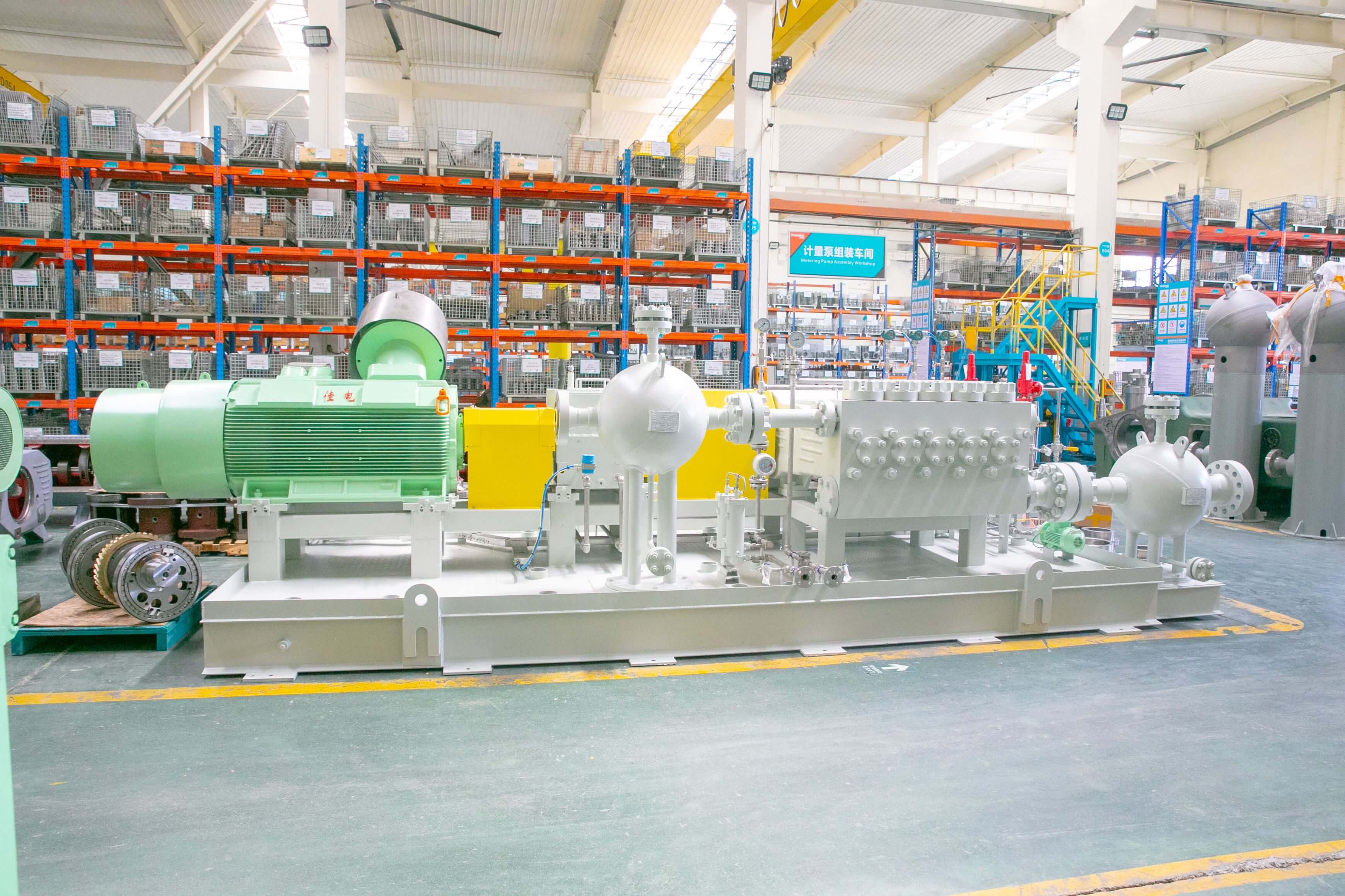
Understanding Reciprocating Plunger Pump Basics
Reciprocating plunger pumps belong to the positive displacement pump family, operating through the reciprocating motion of plungers within precision-fitted cylinders. Unlike centrifugal pumps that generate flow through rotational energy, reciprocating pumps create pressure by alternating between suction and discharge strokes. This fundamental difference makes them ideal for applications requiring high pressure, precise flow control, and the ability to handle viscous or abrasive fluids.
The core components of a reciprocating plunger pump include the plunger, cylinder, suction and discharge valves, and a power end (typically an electric motor or diesel engine). During operation, the plunger moves back and forth in the cylinder: on the suction stroke, it creates a vacuum that opens the suction valve and draws fluid into the cylinder; on the discharge stroke, it compresses the fluid, closing the suction valve and forcing fluid through the discharge valve. This cyclical process ensures consistent flow rates regardless of system pressure variations.
Depamuk’s high pressure reciprocating pumps feature hydraulic-driven diaphragm structures that eliminate external leakage – a critical advantage when handling corrosive, toxic, or valuable fluids. Our pumps can achieve pressures exceeding 35MPa while maintaining stable flow rates, making them suitable for demanding applications like oilfield injection, chemical processing, and high-pressure water jetting.
Key Selection Criteria for Industrial Plunger Pumps
Choosing the optimal reciprocating plunger pump requires evaluating several technical parameters that align with your specific application requirements. The following factors should guide your selection process:
1. Pressure Requirements
The primary advantage of reciprocating pumps is their ability to generate high pressures. Determine your system’s maximum operating pressure, including any pressure surges or safety margins. Depamuk offers plunger pumps with pressure ratings from 10MPa to over 200MPa, capable of handling even the most demanding industrial applications. For example, our oilfield injection pumps regularly operate at pressures above 50MPa in tertiary oil recovery processes.
2. Flow Rate Needs
Flow rate requirements vary significantly between applications. While some processes need precise, low-volume dosing (as low as 0.1L/h), others require high-capacity pumping (up to 500m³/h). Our modular pump designs allow customization of plunger diameters and stroke lengths to achieve your exact flow requirements while maintaining optimal efficiency.
3. Fluid Characteristics
The nature of the pumped fluid impacts material selection and pump design:
- Corrosive fluids: For chemicals like hydrochloric acid or sodium hydroxide, we use corrosion-resistant materials such as Hastelloy, PTFE, or PVC
- Abrasive fluids: Slurries containing sand or other particulates require hardened plungers and valves with wear-resistant coatings
- Viscous fluids:
- Temperature sensitivity:
High-viscosity oils or polymers need specially designed valves and increased power to maintain flow
For fluids requiring precise temperature control, we offer jacketed cylinders with heating/cooling circulation
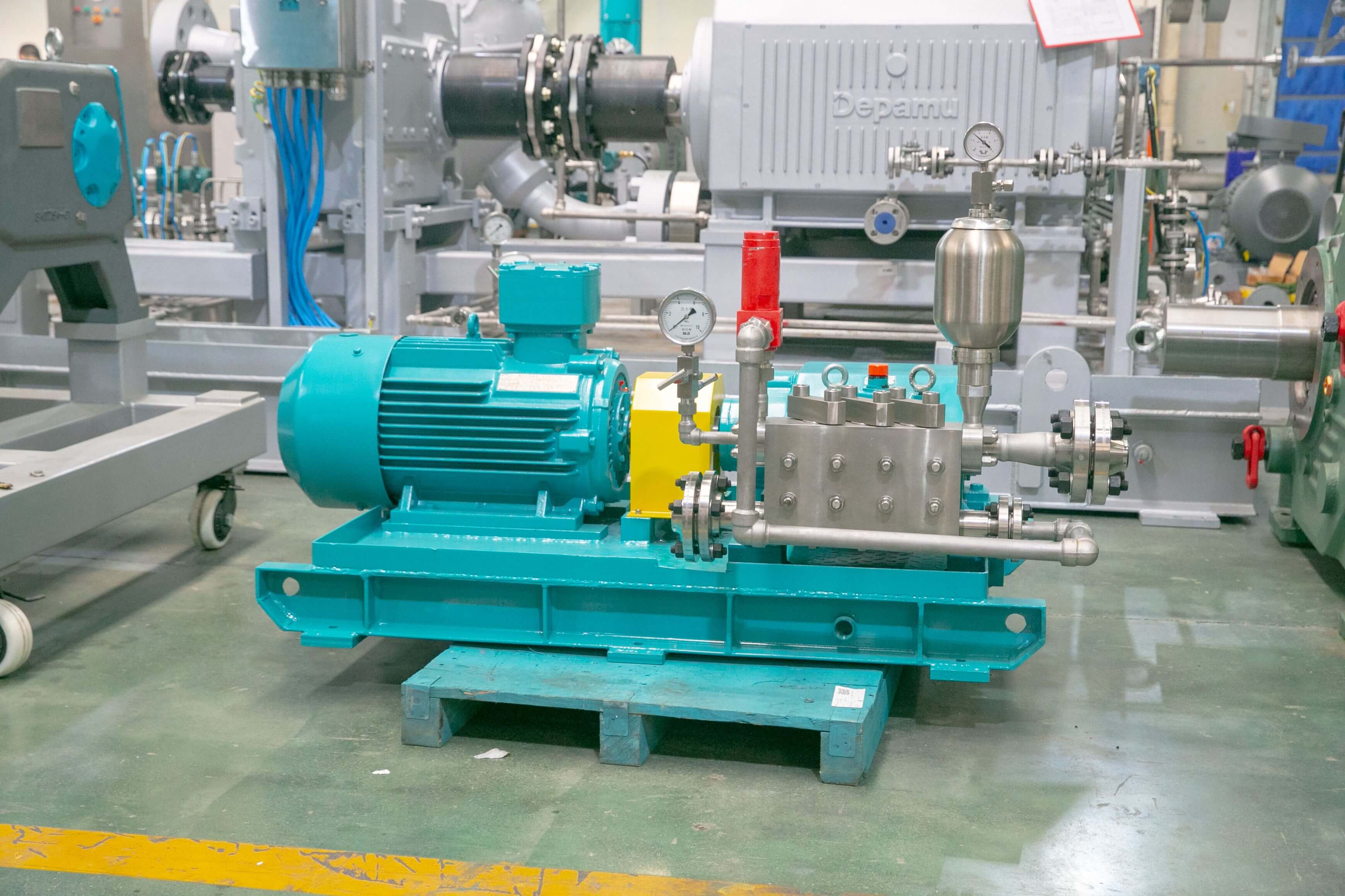
4. Operational Environment
Consider the installation conditions when selecting your pump:
- Hazardous areas:
- Space constraints:
- Mobile applications:
- Remote locations:
For explosive environments, we provide ATEX-certified pumps with intrinsically safe controls
Our compact skid-mounted systems integrate pumps, motors, and controls in minimal space
For vehicle-mounted use, we design lightweight, vibration-resistant pumps with flexible mounting options
For offshore platforms or desert installations, we offer pumps with enhanced durability and simplified maintenance features
5. Energy Efficiency
Energy costs represent a significant portion of long-term operating expenses. Depamuk’s modern plunger pumps incorporate energy-saving technologies like variable frequency drives (VFDs) that adjust motor speed to match actual flow demands, reducing power consumption by up to 40% compared to fixed-speed operation. Our hydraulic end designs also minimize internal friction losses for improved overall efficiency.
Application-Specific Pump Selection Guide
Different industries have unique requirements that influence pump selection. Here’s how Depamuk addresses specific application needs:
Petrochemical Industry
In refineries and chemical plants, our hydraulic diaphragm metering pumps provide precise chemical injection for processes like:
- Catalyst activation with precise metal alkyl dosing
- Corrosion inhibition with continuous amine injection
- Neutralization with accurate caustic or acid dosing
- Polymer production with precise monomer feeding
Our pumps feature double diaphragm monitoring systems that detect leaks before they reach hazardous levels, ensuring safe operation with volatile chemicals.
Oil and Gas Sector
For upstream and midstream applications, our high pressure reciprocating pumps excel in:
- Water injection for pressure maintenance in oil reservoirs
- Chemical EOR (Enhanced Oil Recovery) with polymer or surfactant injection
- Well stimulation with high-pressure acidizing or fracturing
- Pipeline pigging with high-pressure water propulsion
We offer explosion-proof models with API 674 compliance for offshore platforms and harsh field conditions.
Power Generation
Our pumps support various power plant operations including:
- Boiler water treatment with precise chemical dosing
- Cooling tower water treatment with corrosion inhibitors
- Nuclear power plant with primary and secondary circuit chemical control
- Waste-to-energy plants with lime slurry injection for flue gas treatment
For nuclear applications, we provide pumps meeting stringent quality standards including RCC-M and ASME NQA-1 compliance.
Environmental Protection
In water treatment applications, our pumps handle:
- Municipal wastewater with flocculant and coagulant dosing
- Industrial wastewater with pH adjustment and heavy metal precipitation
- Drinking water treatment with chlorine, fluoride, and anti-scalant injection
- Sludge treatment with polymer conditioning before dewatering
Our pumps feature leak-free designs that prevent contamination of clean water supplies.
Customization Options for Specialized Needs
When standard products don’t meet your exact requirements, Depamuk offers comprehensive customization services through our 35,000m² manufacturing facility. Our engineering team works closely with clients to develop tailored solutions addressing unique challenges:
| Customization Aspect | Available Options |
|---|---|
| Materials | SS316, Hastelloy C-276, Monel, Titanium, PVC, PVDF, PTFE-lined |
| Seal Types | Mechanical seals, packing glands, double diaphragm with leak detection |
| Control Systems | Manual, pneumatic, electric, hydraulic actuators; PLC-based automation |
| Mounting | Baseplate, skid-mounted, wall-mounted, trailer-mounted |
| Certifications | ATEX, CE, API 674, API 675, ISO 9001, ISO 14001 |
Our customization process begins with detailed discussions to understand your process conditions, performance requirements, and operational constraints. We then develop 3D models and engineering drawings for your approval before proceeding with manufacturing. Each customized pump undergoes rigorous factory acceptance testing (FAT) to verify performance meets specifications before shipment.
FAQ
What makes Depamuk’s plunger pumps different from other manufacturers?
Our competitive edge comes from three key areas: 1) Vertical integration allowing complete control over quality from raw materials to finished products, 2) Over 400 skilled employees including 30+ R&D engineers with average 10+ years’ experience, and 3) A comprehensive product range covering all major fluid handling needs from single pumps to complete skid-mounted systems.
How do you ensure pump reliability in continuous operation?
We implement multiple reliability measures: 1) Use of high-grade materials like SS316 and Hastelloy for critical components, 2) Precision manufacturing with CNC machining centers, 3) 100% factory testing including 4-hour continuous run tests, and 4) Optional redundant systems with standby pumps for critical applications.
What maintenance is required for high pressure plunger pumps?
Typical maintenance includes: 1) Monthly inspection of seals and valves, 2) Quarterly lubricant replacement, 3) Annual plunger and cylinder inspection, and 4) Bi-annual pressure testing. Our pumps feature modular designs that allow quick replacement of wear parts without specialized tools, reducing downtime.
Can you provide pumps for explosive environments?
Yes, we offer ATEX-certified pumps for Zone 1 and Zone 2 hazardous areas. These models feature explosion-proof motors, static grounding, and intrinsically safe control systems. We also provide documentation packages including explosion-proof certificates and material safety data sheets.
How do you handle custom orders with tight deadlines?
Our 35,000m² factory with 12 production lines allows us to maintain standard product inventory while allocating dedicated resources for custom projects. For urgent orders, we can activate our rapid response team that works in two shifts to shorten lead times by up to 40% without compromising quality.
Summary
Selecting the right high pressure reciprocating plunger pump requires balancing technical requirements with long-term operational considerations. As a manufacturer with over two decades of experience serving global clients across diverse industries, Depamuk (Hangzhou) Pump Technology offers not only standard products but also complete customized solutions tailored to your specific needs. Our comprehensive approach covers everything from initial consultation and pump selection to installation, commissioning, and lifelong technical support.
With 400+ employees, a 35,000m² manufacturing facility, and annual production capacity exceeding 50,000 units, we have the resources to handle projects of any scale while maintaining the flexibility to address unique challenges. Our commitment to quality is demonstrated by ISO 9001 certification, multiple industry approvals, and a 98% customer satisfaction rate based on post-installation surveys.
Whether you need a standard metering pump for water treatment or a custom-engineered high pressure unit for offshore oil recovery, our technical team is ready to collaborate on finding the optimal solution. Contact us today to discuss your requirements and receive a detailed proposal within 48 hours.