
Selecting the right lobe pump for your industrial application requires careful consideration of several key factors. As a leading manufacturer of high-performance fluid equipment, Depamp (Hangzhou) Pump Technology Co., Ltd. has been serving global industries since 2003 with our advanced lobe pump solutions. This comprehensive guide will walk you through everything you need to know about lobe pumps, from their basic working principles to specialized applications across different sectors.
Understanding Lobe Pump Technology
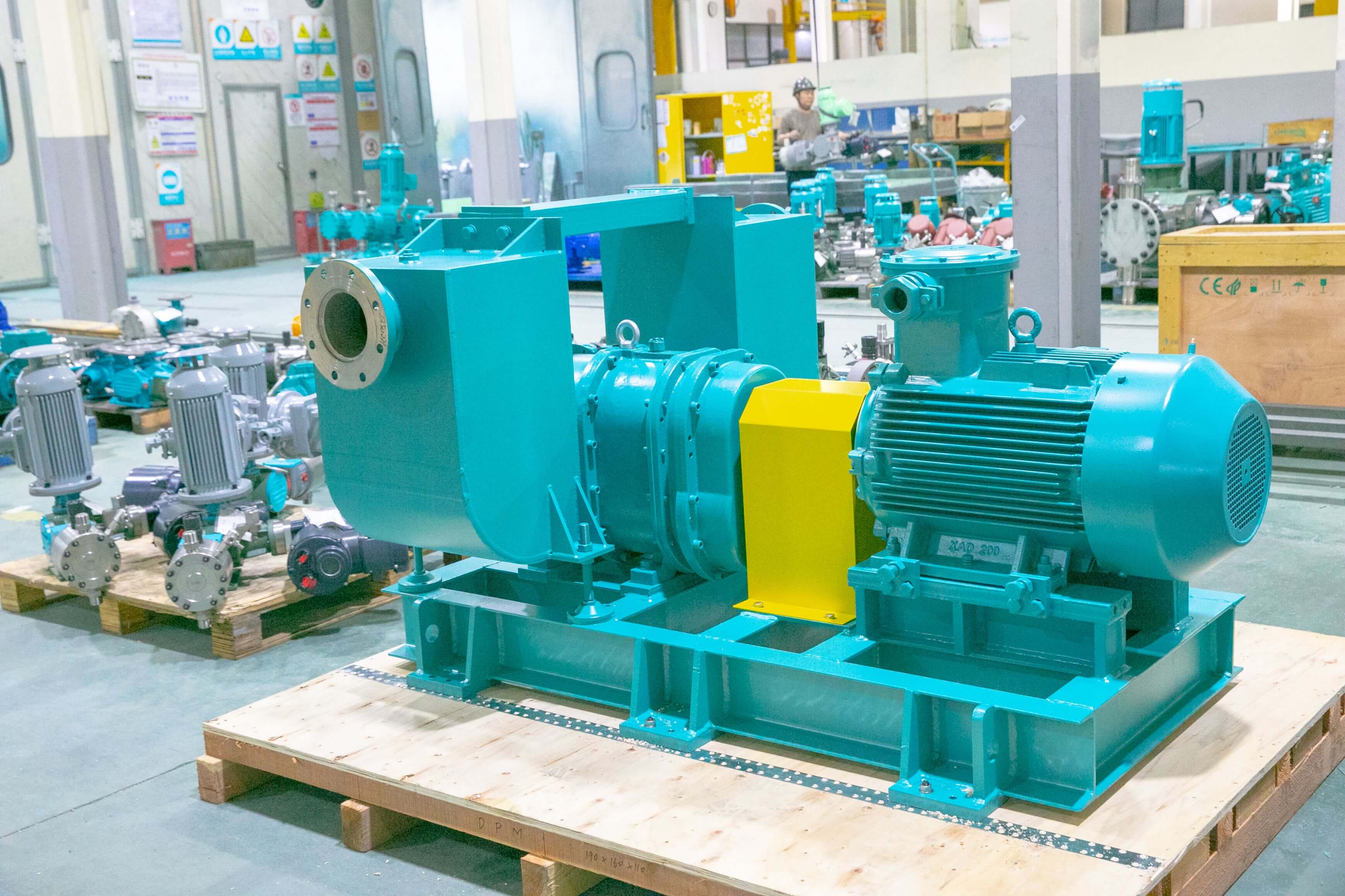
Lobe pumps, also known as rotary lobe pumps or colloid pumps, belong to the positive displacement pump family. They operate through the synchronized rotation of two or more lobes that trap and move fluid between the lobes and the pump casing. This design provides several advantages over other pump types:
The core working principle involves two rotors (lobes) that rotate in opposite directions within a pump housing. As the lobes rotate, they create expanding chambers on the suction side, drawing in fluid. The fluid is then carried around the casing to the discharge side, where the chambers decrease in volume, forcing the fluid out. This gentle pumping action makes lobe pumps ideal for shear-sensitive materials.
Compared to gear pumps, lobe pumps offer distinct benefits. While both are positive displacement pumps, lobe pumps typically have larger pumping chambers and operate with closer clearances between lobes and casing. This results in smoother flow with less pulsation and better handling of viscous fluids and solids-laden media. Lobe pumps also generate less heat during operation, preserving the integrity of temperature-sensitive materials.
Key Selection Criteria for Lobe Pumps
When selecting a lobe pump for your specific application, several critical factors must be evaluated to ensure optimal performance and reliability:
1. Material Compatibility: The pump’s construction materials must withstand the chemical properties of the fluid being pumped. Common materials include stainless steel for corrosive applications, cast iron for general industrial use, and specialized coatings for abrasive media. Our company offers a wide range of material options to match your specific requirements.
2. Viscosity Handling: Lobe pumps excel at pumping high-viscosity fluids that would challenge centrifugal pumps. When selecting a pump, consider both the fluid’s viscosity at operating temperature and any variations that may occur during processing. Our pumps can handle viscosities up to 1,000,000 cP, making them suitable for everything from thin solvents to thick pastes.
3. Flow Rate Requirements: Determine your required flow rate in liters per minute or gallons per minute. Lobe pumps can be configured with different lobe profiles and rotational speeds to achieve precise flow control. Our engineering team can help calculate the optimal pump size based on your specific process parameters.
4. Pressure Capabilities: Consider the system pressure requirements, including both suction and discharge pressures. Lobe pumps can generate pressures up to 15 bar (217 psi) depending on the model and configuration. For higher pressure applications, we offer specialized designs with reinforced casings and drive systems.
5. Temperature Range: The pump must operate effectively within your process temperature range. Our lobe pumps can handle temperatures from -40°C to 200°C (-40°F to 392°F), with options for extreme temperature applications through specialized materials and cooling/heating jackets.
Industry-Specific Applications of Lobe Pumps
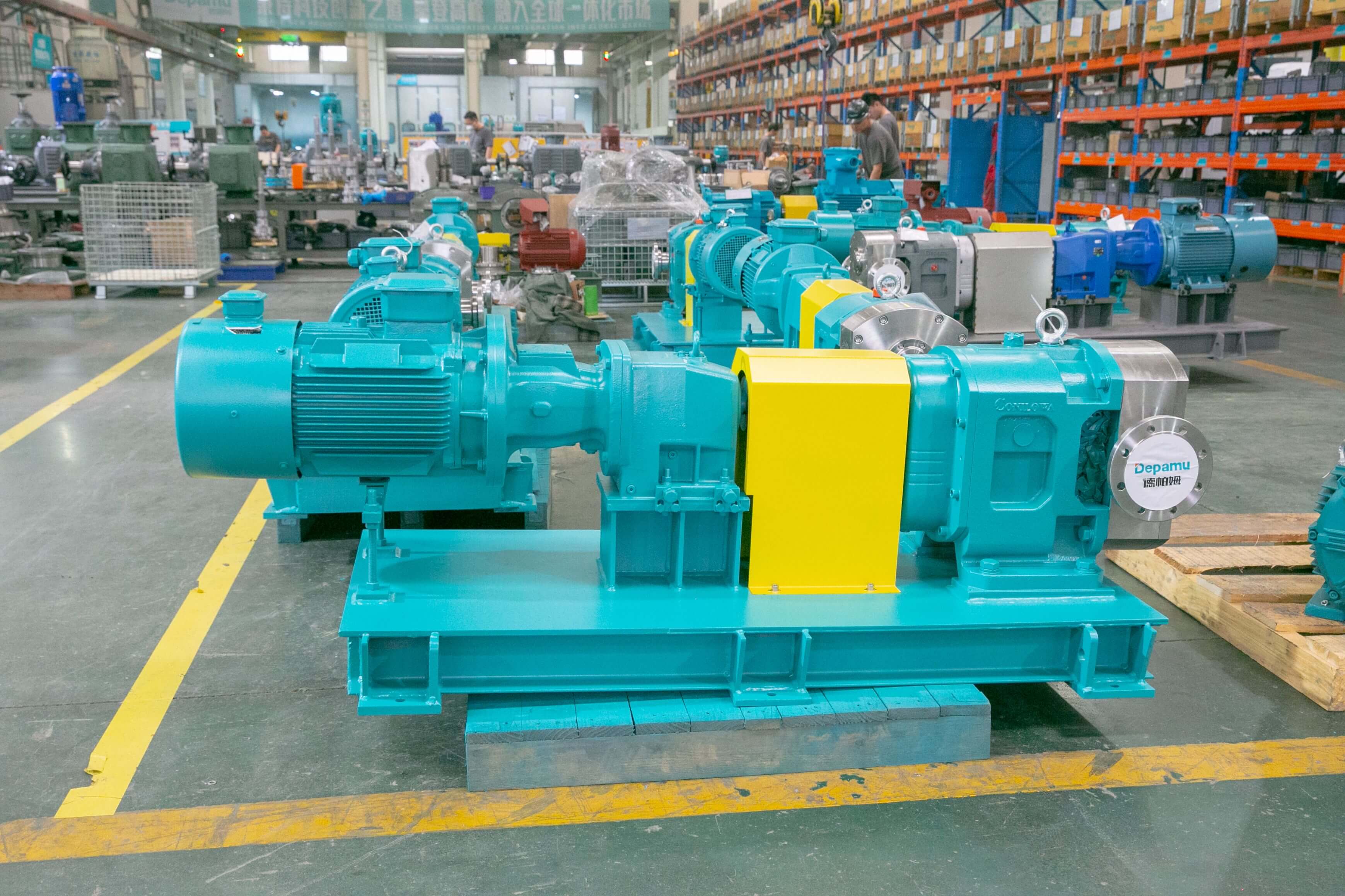
Lobe pumps find extensive applications across various industries due to their versatile performance characteristics. Here are some of the primary sectors where our lobe pumps excel:
Chemical Processing Industry
In chemical manufacturing, lobe pumps are widely used for transferring corrosive chemicals, viscous polymers, and abrasive slurries. Their ability to handle aggressive media without contamination makes them ideal for:
- Acid and alkali transfer
- Polymer production and handling
- Solvent recovery systems
- Wastewater treatment in chemical plants
Our chemical-resistant lobe pumps feature specialized materials like Hastelloy, titanium, and PTFE-lined components to ensure long service life in harsh environments.
Food and Beverage Production
The food industry demands hygienic pumping solutions that maintain product integrity. Lobe pumps meet these requirements perfectly with their gentle pumping action and sanitary design:
- Dairy product processing (milk, yogurt, cheese)
- Beverage production (juices, soft drinks, beer)
- Confectionery manufacturing (chocolate, syrups)
- Meat and poultry processing (marinades, brines)
Our food-grade lobe pumps comply with 3A, EHEDG, and FDA standards, featuring polished surfaces, crevice-free designs, and easy-to-clean components.
Pharmaceutical Manufacturing
In pharmaceutical applications, product purity and sterility are paramount. Lobe pumps provide contamination-free transfer of active pharmaceutical ingredients (APIs), excipients, and finished products:
- API transfer and dosing
- Ointment and cream manufacturing
- Sterile fluid handling
- Vaccine production processes
Our pharmaceutical lobe pumps feature validated cleaning protocols, sterile connections, and documentation packages to meet GMP requirements.
Customization Options for Specialized Applications
At Depamp Pump Technology, we understand that standard pumps may not always meet every customer’s unique requirements. That’s why we offer comprehensive customization services to tailor lobe pumps to your specific needs:
Material Upgrades: For extreme corrosion resistance, we can provide pumps in superalloys like Hastelloy C-276, Monel, or AL6XN. For abrasive applications, we offer hardened stainless steel or ceramic-lined components.
Specialized Sealing: We offer a range of sealing options including mechanical seals with various face materials, gland packing for high-temperature applications, and magnetic drive systems for leak-free operation.
Heat Transfer Jackets: For temperature-sensitive applications, we can add heating or cooling jackets to maintain precise process temperatures and prevent product degradation.
Variable Speed Drives: To optimize energy consumption and flow control, we integrate variable frequency drives (VFDs) that allow precise speed adjustment based on process demands.
Explosion-Proof Designs: For hazardous environments, we provide ATEX-certified pumps with explosion-proof motors and static grounding systems to ensure safe operation in flammable atmospheres.
| Customization Option | Benefits | Typical Applications |
|---|---|---|
| Superalloy Materials | Exceptional corrosion resistance | Chemical processing, offshore applications |
| Magnetic Drive | Zero leakage, hermetic sealing | Pharmaceuticals, toxic chemicals |
| Double Mechanical Seals | Enhanced leak protection | Hazardous materials, critical processes |
| Jacketing Systems | Precise temperature control | Food processing, polymer handling |
FAQ
What is the main difference between lobe pumps and gear pumps?
While both are positive displacement pumps, lobe pumps use external timing gears to synchronize rotor rotation, creating larger pumping chambers with closer clearances. This design results in smoother flow with less pulsation, better handling of viscous fluids and solids, and reduced heat generation compared to gear pumps.
How do I determine the right size lobe pump for my application?
Proper sizing requires evaluating your required flow rate, system pressure, fluid viscosity, and temperature. Our engineering team can assist with calculations based on your specific process parameters to select the optimal pump model and configuration.
What maintenance is required for lobe pumps?
Regular maintenance includes checking and replacing wear parts like rotors, seals, and bushings as needed. For food and pharmaceutical applications, we recommend following a preventive maintenance schedule that includes cleaning, lubrication, and inspection of all components.
Can lobe pumps handle abrasive slurries?
Yes, with proper material selection and design modifications. We offer hardened stainless steel rotors, ceramic-lined casings, and specialized seals to handle abrasive media while maintaining pump longevity and performance.
Summary
Selecting the right lobe pump requires careful evaluation of your specific application requirements, including fluid properties, flow rates, pressure needs, and environmental conditions. As a leading manufacturer with over two decades of experience, Depamp Pump Technology offers a comprehensive range of standard and customized lobe pump solutions to meet diverse industrial needs. Our pumps are designed for reliability, efficiency, and easy maintenance, with applications spanning chemical processing, food and beverage production, pharmaceutical manufacturing, and more. Whether you need a standard model or a fully customized solution, our team of experts is ready to assist you in selecting the perfect lobe pump for your operation.