
When it comes to industrial fluid handling, quantitative pumps play a crucial role in ensuring precise measurement and controlled delivery of liquids. These specialized pumps are essential across multiple sectors, from petrochemical refining to environmental water treatment. This comprehensive guide will walk you through everything you need to know about quantitative pumps, including their types, applications, selection criteria, and where to find reliable suppliers like Depamp (Hangzhou) Pump Technology Co., Ltd.
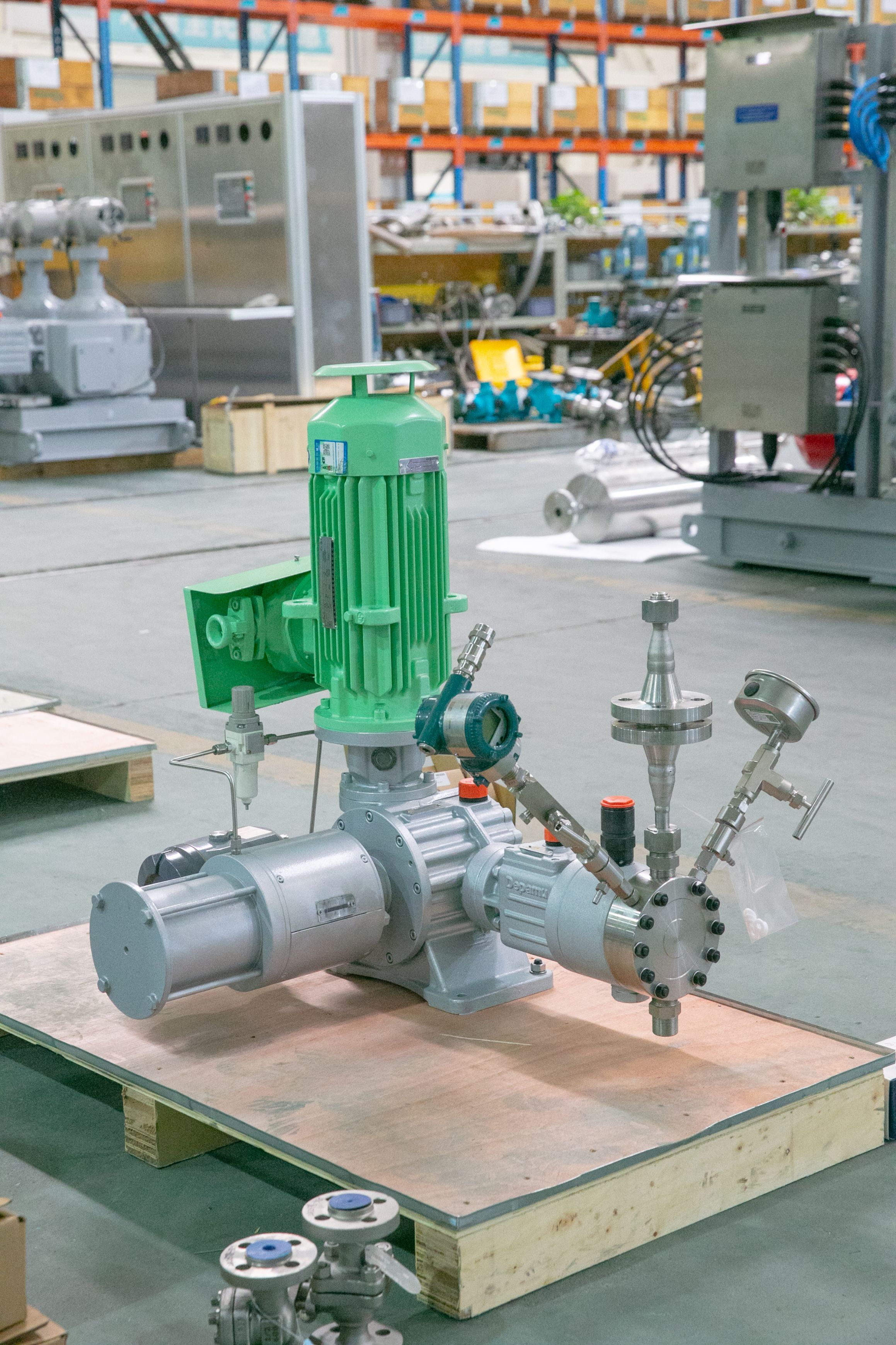
Understanding Quantitative Pumps: Types and Functions
Quantitative pumps, also known as metering pumps or dosing pumps, are designed to deliver precise volumes of liquid over specified time periods. These pumps maintain consistent flow rates regardless of changes in system pressure, making them ideal for applications requiring accurate chemical dosing or fluid transfer.
The two primary types of quantitative pumps are:
- Diaphragm metering pumps: These use a flexible diaphragm to move fluid, offering excellent resistance to corrosion and abrasion. They’re particularly suitable for handling hazardous or viscous chemicals.
- Piston/plunger metering pumps: These provide higher pressure capabilities and are often used for thick or shear-sensitive fluids in industrial processes.
Depamp (Hangzhou) Pump Technology Co., Ltd. specializes in both types, offering hydraulic diaphragm metering pumps that ensure zero leakage even with highly corrosive or volatile media. Their pumps feature adjustable stroke length and operating frequency for precise flow control.
Key Applications of Quantitative Pumps Across Industries
Quantitative pumps serve diverse functions in numerous industrial sectors. Let’s explore some of their most common applications:
1. Petrochemical and Chemical Processing
In refineries and chemical plants, metering pumps accurately inject catalysts, inhibitors, and other chemicals into reaction vessels. Depamp’s products handle this critical function, accounting for approximately 41% of their sales in this sector. Their pumps maintain precise dosing even with high-temperature, high-pressure processes.
2. Water and Wastewater Treatment
Environmental applications require precise chemical dosing for water purification, pH adjustment, and disinfection. Depamp’s fully automatic chemical dosing systems integrate storage, dissolution, mixing, metering, and control in one package, making them ideal for boiler water treatment, circulating water systems, and sewage treatment plants.
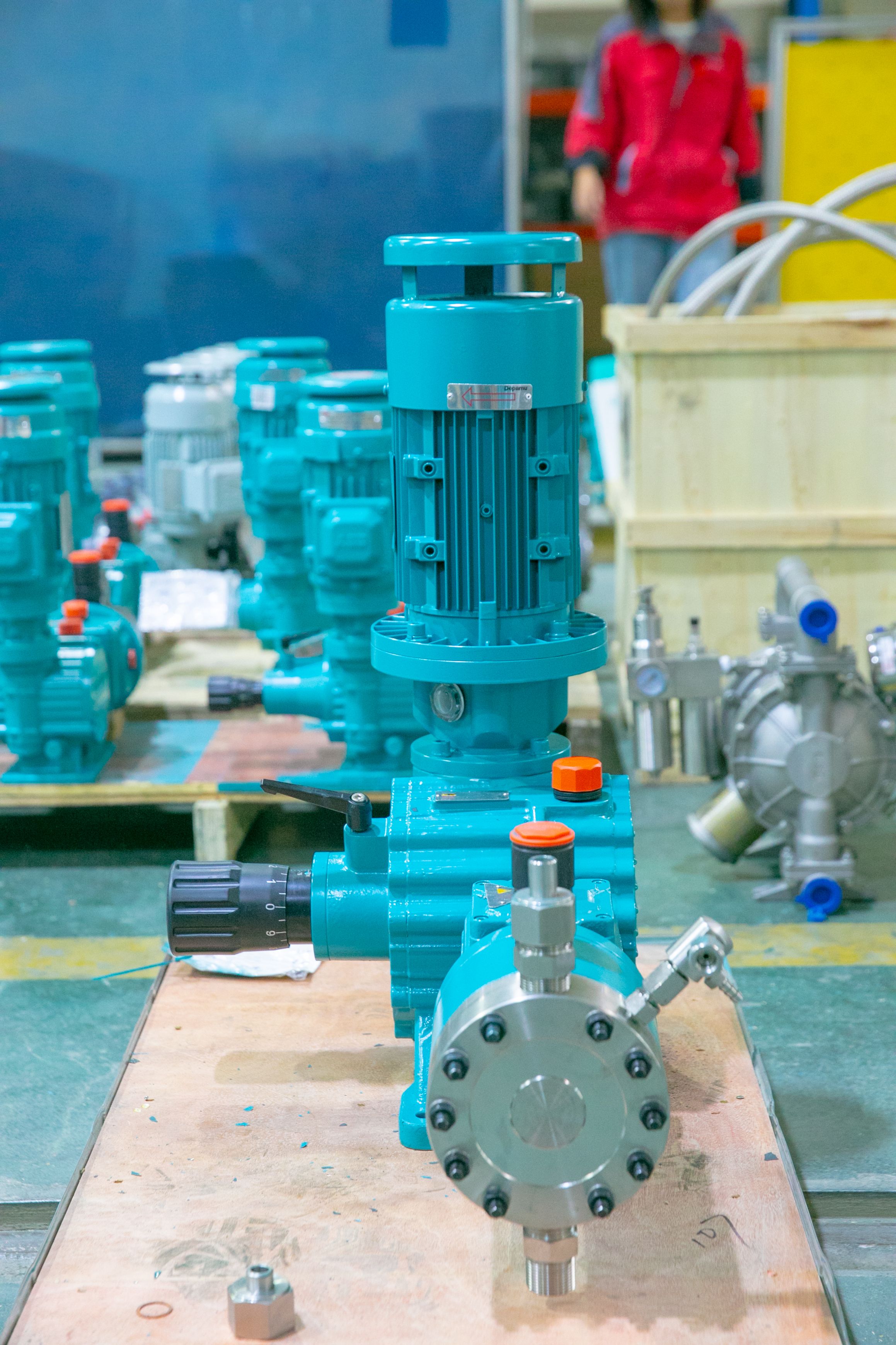
3. Oil and Gas Field Operations
High-pressure process reciprocating pumps from Depamp act as “powerful boosting stations” in oilfields, efficiently transferring liquids from low-pressure to high-pressure ends or over long distances. These pumps handle complex media like high-viscosity fluids, high-temperature liquids, and those containing solid particles.
4. Nuclear and Power Industries
The precise control capabilities of quantitative pumps make them essential for nuclear power plants and conventional power stations, where they manage coolant circulation, chemical treatment, and other critical processes.
5. Food and Pharmaceutical Manufacturing
In these hygiene-sensitive industries, Depamp’s pumps ensure contamination-free transfer of ingredients and additives. Their design prevents product contact with moving parts, meeting stringent sanitary requirements.
Selecting the Right Quantitative Pump: Essential Criteria
Choosing the appropriate quantitative pump for your application involves evaluating several key factors:
| Selection Criteria | Considerations |
|---|---|
| Flow Rate | Determine the required volume per unit time (e.g., liters per hour). Depamp offers pumps with flow rates ranging from microliters to thousands of liters per hour. |
| Pressure Requirements | Consider system pressure and required discharge pressure. Depamp’s high-pressure reciprocating pumps can reach over 35MPa. |
| Media Characteristics | Evaluate viscosity, corrosiveness, temperature, and presence of solids. Depamp provides material options including stainless steel, Hastelloy, and PTFE-lined components. |
| Accuracy Requirements | Determine acceptable tolerance levels. Depamp’s metering pumps offer ±1% accuracy or better for most applications. |
| Control Options | Consider manual, analog, or digital control needs. Depamp provides pumps with various control interfaces, including 4-20mA signals and fieldbus communication. |
Why Choose Depamp (Hangzhou) Pump Technology Co., Ltd.?
As a leading manufacturer with over two decades of experience, Depamp offers several compelling advantages:
- Comprehensive Product Range: From metering pumps to complete fluid handling systems, Depamp covers all your needs under their “Depamp,” “Knilova,” and “Dailupu” brands.
- Customization Capabilities: Their 400+ engineers can design standard or customized solutions based on your specific media properties, flow, pressure, temperature, and process requirements.
- Global Application Expertise: With products used in 10+ industries worldwide, Depamp understands diverse operational challenges and provides optimized solutions.
- Quality Assurance: The 35,000m² factory implements strict quality control throughout production, ensuring reliable performance in demanding environments.
- After-Sales Support: Depamp offers comprehensive service including installation guidance, operator training, and prompt maintenance support.
FAQ
What makes Depamp’s metering pumps suitable for corrosive media?
Depamp’s hydraulic diaphragm metering pumps feature a completely sealed hydraulic system that prevents contact between the process fluid and pump components. This design, combined with corrosion-resistant materials like PTFE and Hastelloy, ensures zero leakage and long service life even with highly aggressive chemicals.
How do I determine the right pump size for my application?
To select the appropriate pump size, consider your required flow rate, system pressure, and media viscosity. Depamp’s technical team can analyze your specific requirements and recommend the optimal model from their range, which includes pumps capable of handling flows from microliters to thousands of liters per hour and pressures up to 35MPa.
Can Depamp provide solutions for high-temperature applications?
Yes, Depamp specializes in pumps for extreme conditions. Their high-pressure process reciprocating pumps can handle temperatures up to 350°C, making them suitable for applications like oilfield steam injection and high-temperature chemical processes.
What maintenance is required for quantitative pumps?
Regular maintenance includes checking diaphragm condition, lubricating moving parts, and verifying calibration. Depamp provides detailed maintenance manuals with each pump and offers training programs for your operators. Their pumps are designed for easy disassembly and reassembly to simplify maintenance procedures.
Does Depamp offer explosion-proof pumps for hazardous environments?
Absolutely. Depamp provides ATEX-certified pumps for use in explosive atmospheres, meeting international safety standards for industries like oil and gas, chemicals, and pharmaceuticals. These pumps feature special seals, materials, and electrical components to prevent ignition risks.
Summary
Quantitative pumps are indispensable tools for precise fluid handling across numerous industries. When selecting a supplier, consider not just the pump specifications but also the manufacturer’s experience, customization capabilities, and after-sales support. Depamp (Hangzhou) Pump Technology Co., Ltd. stands out as a comprehensive solution provider with 20+ years of expertise in high-end volumetric pumps and fluid equipment.
Their product range covers metering pumps, high-pressure reciprocating pumps, and complete chemical dosing systems, serving petrochemical, power, water treatment, and many other sectors. With a focus on innovation, quality, and customer service, Depamp continues to expand its global presence while maintaining a strong commitment to technological advancement in fluid handling solutions.