
When it comes to industrial fluid handling, selecting the right centrifugal transfer pump is crucial for ensuring efficient and reliable operations. Whether you’re in the oil and gas sector, chemical processing, power generation, or environmental water treatment, the performance of your centrifugal pump directly impacts productivity and safety. This comprehensive guide explores the key factors to consider when choosing a centrifugal transfer pump, highlights reputable suppliers, and examines diverse industrial applications.
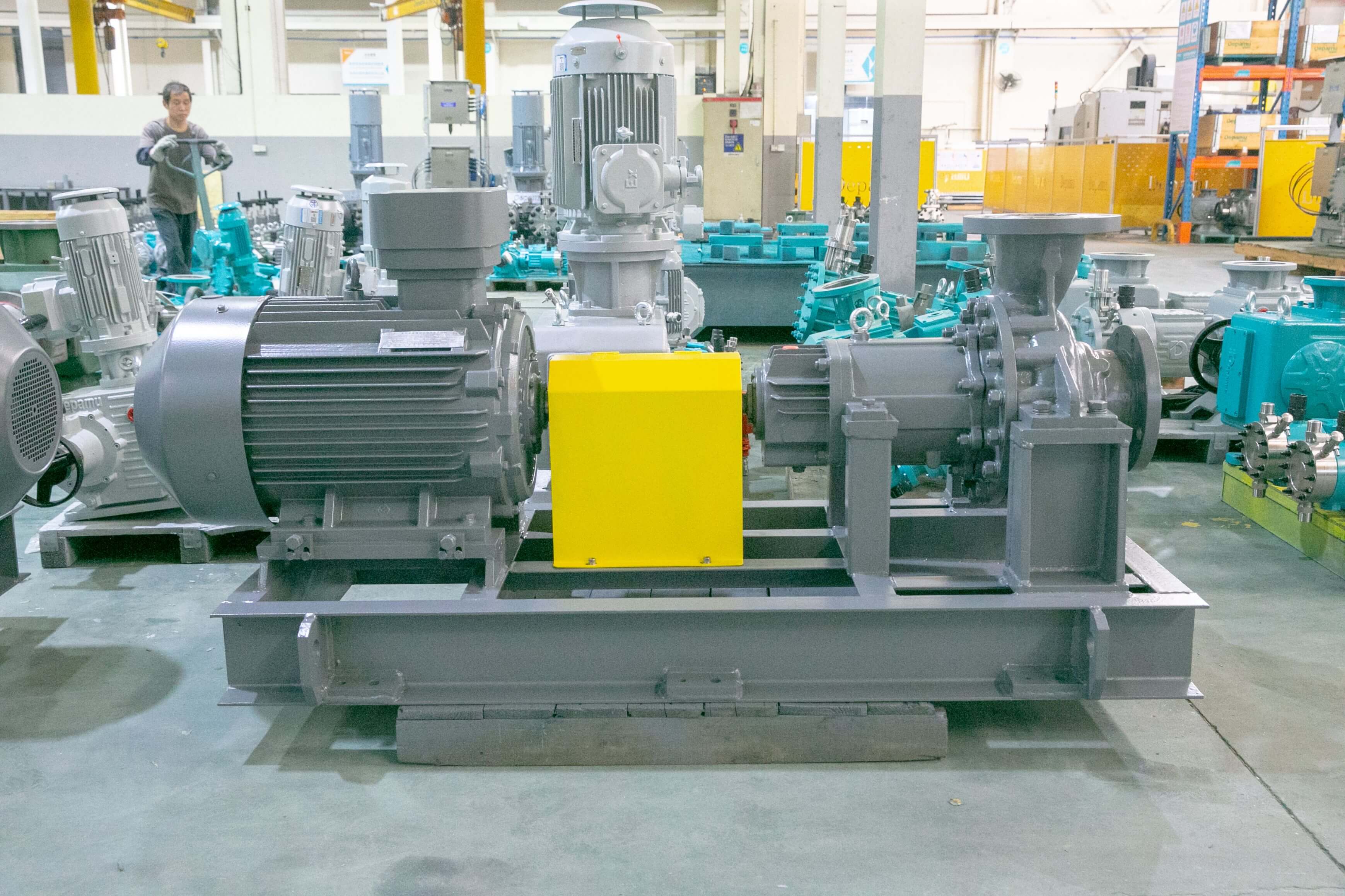
Understanding Centrifugal Transfer Pumps
Centrifugal transfer pumps are dynamic pumps that use centrifugal force to move fluids through a piping system. These pumps consist of an impeller that rotates within a casing, creating a vacuum that draws fluid into the pump and then pushes it outward through the discharge port. The simplicity and efficiency of this design make centrifugal pumps ideal for high-flow, low-pressure applications across various industries.
The core components of a centrifugal pump include the impeller, casing, shaft, bearings, and sealing mechanism. Each component plays a vital role in the pump’s performance and reliability. For instance, the impeller design determines the pump’s flow characteristics, while the casing material must withstand the chemical properties of the transported fluid.
Key Selection Criteria for Centrifugal Transfer Pumps
Choosing the right centrifugal transfer pump requires careful consideration of several critical factors:
1. Flow Rate Requirements
Determine your required flow rate in gallons per minute (GPM) or liters per second (L/s). This depends on your specific application, such as the volume of fluid needing transfer within a given timeframe. For example, in chemical processing plants, precise flow rates are essential for maintaining reaction conditions.
2. Pressure Capabilities
Evaluate the pressure your system requires. Centrifugal pumps are typically rated by their maximum head (pressure) they can generate. Applications like boiler feedwater systems in power plants demand high-pressure capabilities to overcome system resistance.
3. Fluid Characteristics
The nature of the fluid being pumped significantly impacts pump selection. Consider factors such as viscosity, temperature, corrosiveness, and the presence of solids. For instance, pumping abrasive slurries in mining operations requires pumps with wear-resistant materials and specialized impeller designs.
4. Material Construction
The pump casing, impeller, and other wetted parts must be compatible with the fluid properties. Common materials include stainless steel for corrosive applications, cast iron for general-purpose use, and specialized alloys for extreme conditions. In the food and beverage industry, pumps must meet sanitary standards, often requiring stainless steel construction with smooth internal surfaces.
5. Efficiency and Energy Consumption
Energy efficiency is a critical consideration, especially for continuous-operation applications. Look for pumps with high hydraulic efficiency ratings to minimize energy costs over the pump’s lifecycle. Variable speed drives (VSDs) can further optimize energy consumption by adjusting pump speed to match demand.
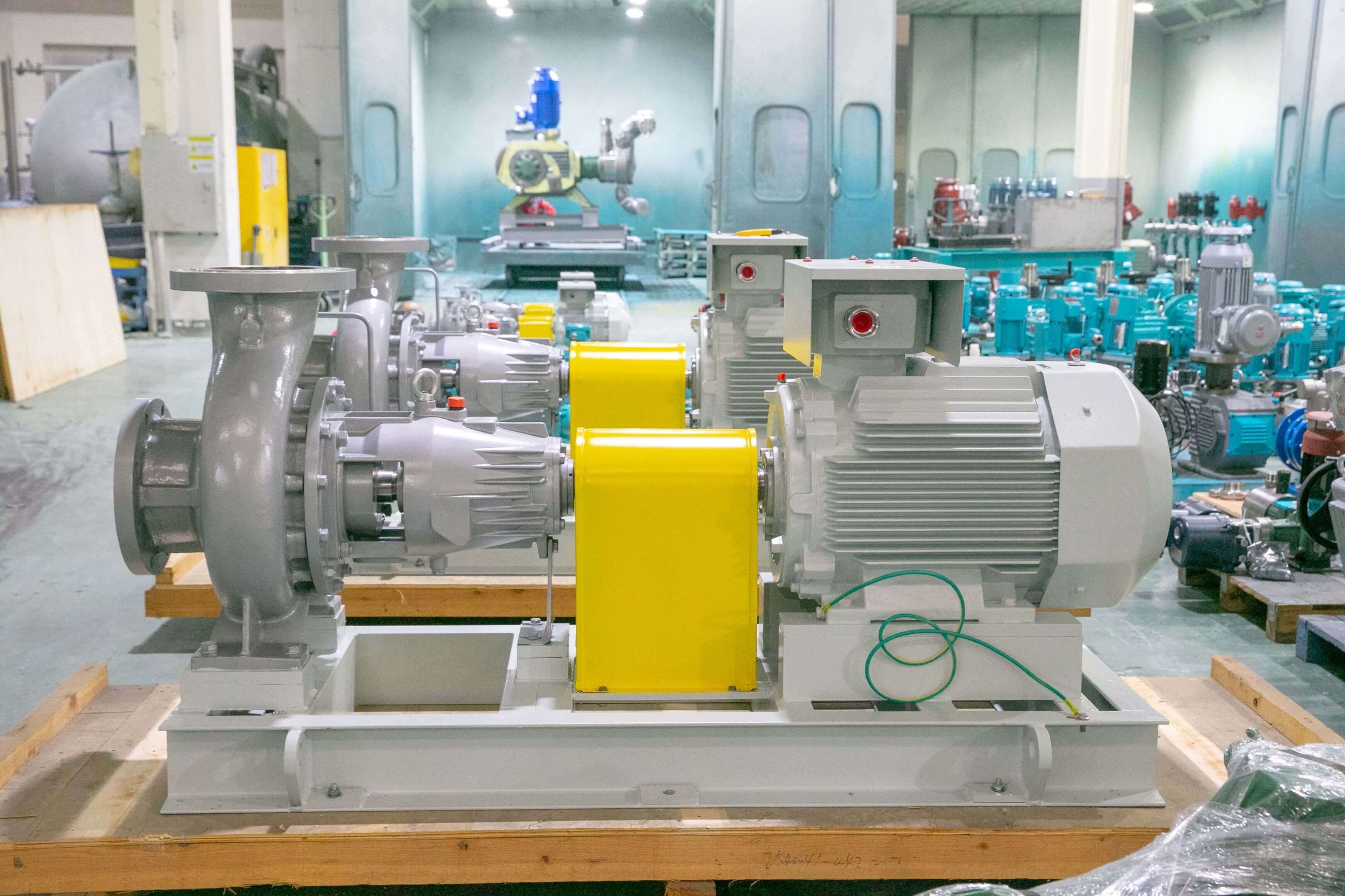
Top Centrifugal Transfer Pump Suppliers
When sourcing a reliable centrifugal transfer pump, partnering with reputable manufacturers is essential. Here are some leading suppliers known for their quality products and industry expertise:
1. Depamp (Hangzhou) Pump Technology Co., Ltd.
With over two decades of experience in high-end volumetric pumps and fluid equipment, Depamp offers a comprehensive range of centrifugal pumps alongside their specialized metering pumps and high-pressure process reciprocating pumps. Their products serve diverse industries including petroleum refining, chemical processing, nuclear power, and environmental water treatment. Depamp’s commitment to innovation and customization ensures solutions tailored to specific client requirements.
2. Grundfos
A global leader in pump technology, Grundfos provides energy-efficient centrifugal pumps for industrial, commercial, and residential applications. Their product range includes end-suction, split-case, and multistage centrifugal pumps designed for various fluids and operating conditions. Grundfos is renowned for its focus on sustainability and smart pump solutions.
3. Flowserve
Flowserve offers a wide portfolio of centrifugal pumps engineered for demanding industrial environments. Their products include ANSI, API, and double-suction centrifugal pumps suitable for applications in oil and gas, power generation, chemical processing, and water treatment. Flowserve’s global presence ensures reliable support and service.
4. Sulzer
Specializing in rotating equipment, Sulzer provides high-performance centrifugal pumps for various industries. Their product line includes process pumps, API pumps, and specialized pumps for corrosive or abrasive fluids. Sulzer’s focus on research and development ensures cutting-edge technology in their pump designs.
Industrial Applications of Centrifugal Transfer Pumps
Centrifugal transfer pumps find extensive use across numerous industrial sectors due to their versatility and efficiency. Some key applications include:
1. Oil and Gas Industry
In upstream operations, centrifugal pumps transfer crude oil from wellheads to gathering stations. In downstream refining, they handle various hydrocarbon streams during processing. Their ability to handle high flow rates makes them ideal for these applications.
2. Chemical Processing
Centrifugal pumps play a vital role in moving chemicals throughout production facilities. They transport corrosive liquids, solvents, and reactive substances while maintaining precise flow control. Special materials and designs ensure compatibility with aggressive chemicals.
3. Power Generation
In thermal power plants, centrifugal pumps circulate cooling water through condensers and supply feedwater to boilers. Nuclear power stations use specially designed centrifugal pumps for primary and secondary coolant circuits, requiring high reliability and safety standards.
4. Water and Wastewater Treatment
Municipal and industrial water treatment facilities rely on centrifugal pumps for water intake, distribution, and wastewater processing. They handle large volumes of water efficiently while accommodating varying pressure requirements throughout the treatment process.
5. Food and Beverage Production
Centrifugal pumps in this industry must meet strict hygiene standards. They transfer ingredients, process fluids, and CIP (Clean-in-Place) solutions while maintaining product integrity. Stainless steel construction and sanitary designs are essential features.
| Industry | Typical Centrifugal Pump Application | Key Requirements |
|---|---|---|
| Petroleum Refining | Crude oil transfer, product pumping | Corrosion resistance, high flow capacity |
| Chemical Processing | Reagent transfer, circulation pumps | Chemical compatibility, precise flow control |
| Power Generation | Cooling water circulation, boiler feed | High reliability, energy efficiency |
| Water Treatment | Water distribution, sludge handling | Abrasion resistance, variable flow |
| Food & Beverage | Ingredient transfer, CIP systems | Sanitary design, gentle handling |
FAQ
What makes a centrifugal pump suitable for chemical applications?
Chemical-application centrifugal pumps require materials resistant to corrosion from various chemicals. Stainless steel, Hastelloy, or other specialized alloys are commonly used. The pump design must prevent leaks and accommodate the fluid’s viscosity and temperature. Sealing systems like mechanical seals or magnetic drives ensure no contamination of the chemical stream.
How do I select the right centrifugal pump for high-pressure applications?
For high-pressure applications, choose a multistage centrifugal pump where multiple impellers work in series to increase pressure. Consider the pump’s maximum head rating and ensure it exceeds your system requirements. The casing material must withstand high pressures, and the pump should include robust bearing and shaft designs to handle the stresses.
What maintenance is required for centrifugal transfer pumps?
Regular maintenance includes checking and replacing worn seals or gaskets, inspecting impellers for damage, monitoring bearing condition, and verifying alignment. Lubricate bearings according to the manufacturer’s recommendations. For pumps handling abrasive fluids, more frequent inspections may be necessary to check for wear on internal components.
Can centrifugal pumps handle viscous fluids?
While centrifugal pumps can handle moderately viscous fluids, their efficiency decreases with increasing viscosity. For highly viscous fluids (above 500-1000 cSt), positive displacement pumps like gear or screw pumps may be more suitable. Some centrifugal pump designs, such as recessed impeller or vortex pumps, can handle slightly more viscous fluids than standard centrifugal pumps.
Summary
Selecting the right centrifugal transfer pump requires a thorough understanding of your application requirements and careful evaluation of available options. By considering factors such as flow rate, pressure, fluid characteristics, and material construction, you can identify pumps that meet your operational needs while ensuring reliability and efficiency. Partnering with reputable suppliers like Depamp (Hangzhou) Pump Technology Co., Ltd., Grundfos, Flowserve, or Sulzer provides access to high-quality products and expert support.
Centrifugal pumps serve diverse industries from oil and gas to food processing, each with specific performance demands. Their versatility, combined with continuous technological advancements, ensures they remain a cornerstone of industrial fluid handling systems worldwide. Whether you require a standard off-the-shelf model or a customized solution for challenging applications, the right centrifugal transfer pump can significantly enhance your operational efficiency and productivity.