
In the realm of industrial fluid handling, tubular reciprocating pumps stand out as a vital component, especially in high-pressure applications where precision and reliability are paramount. Whether you’re in the oil and gas sector, chemical processing, or any other industry that demands efficient fluid transfer, understanding the nuances of tubular reciprocating pumps is crucial. This comprehensive guide will walk you through everything you need to know about these pumps, from their basic principles to selecting the right manufacturer and supplier.
Understanding Tubular Reciprocating Pumps
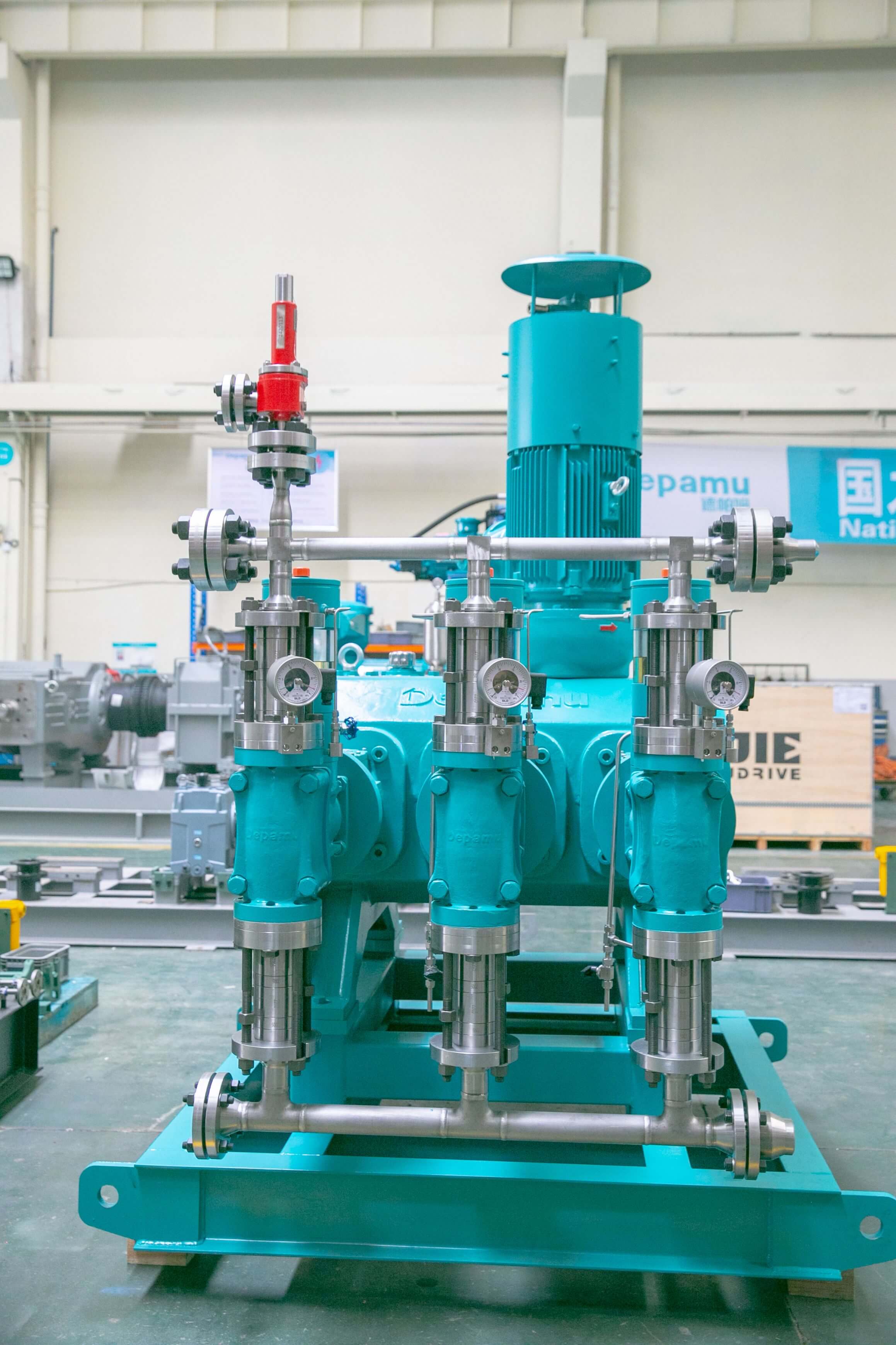
Tubular reciprocating pumps, also known as plunger pumps or piston pumps, operate on a simple yet effective principle: a reciprocating motion of a plunger or piston within a cylinder generates pressure, forcing fluid through the system. This mechanism allows for high-pressure output, making them ideal for applications where other types of pumps might falter. The “tubular” aspect refers to the design of the pump, which often features a cylindrical shape that enhances durability and efficiency.
These pumps are renowned for their ability to handle a wide range of fluids, including those with high viscosity, abrasive particles, or corrosive properties. Their robust construction and precise control over flow rates make them indispensable in industries such as oil and gas, chemical processing, water treatment, and more. Whether you need to inject chemicals into a process stream, transfer slurry, or boost pressure in a pipeline, a tubular reciprocating pump can meet your demands.
Key Features of High-Quality Tubular Reciprocating Pumps
When evaluating tubular reciprocating pumps, several key features distinguish high-quality models from the rest. First and foremost is the materials used in construction. Premium pumps are typically made from stainless steel, duplex steel, or other corrosion-resistant alloys, ensuring longevity even in harsh environments. The seals and gaskets are equally important, as they prevent leaks and maintain pressure integrity.
Another critical aspect is the pump’s ability to handle variable flow rates and pressures. A well-designed tubular reciprocating pump should offer precise control over these parameters, allowing for adjustments based on process requirements. This flexibility is particularly valuable in applications where conditions can change rapidly, such as in oilfield operations or chemical manufacturing.
Ease of maintenance is also a significant consideration. Pumps that are designed with accessibility in mind, featuring modular components and straightforward disassembly procedures, reduce downtime and operational costs. Additionally, advanced features like automatic lubrication systems and remote monitoring capabilities can further enhance the pump’s performance and reliability.
Applications of Tubular Reciprocating Pumps
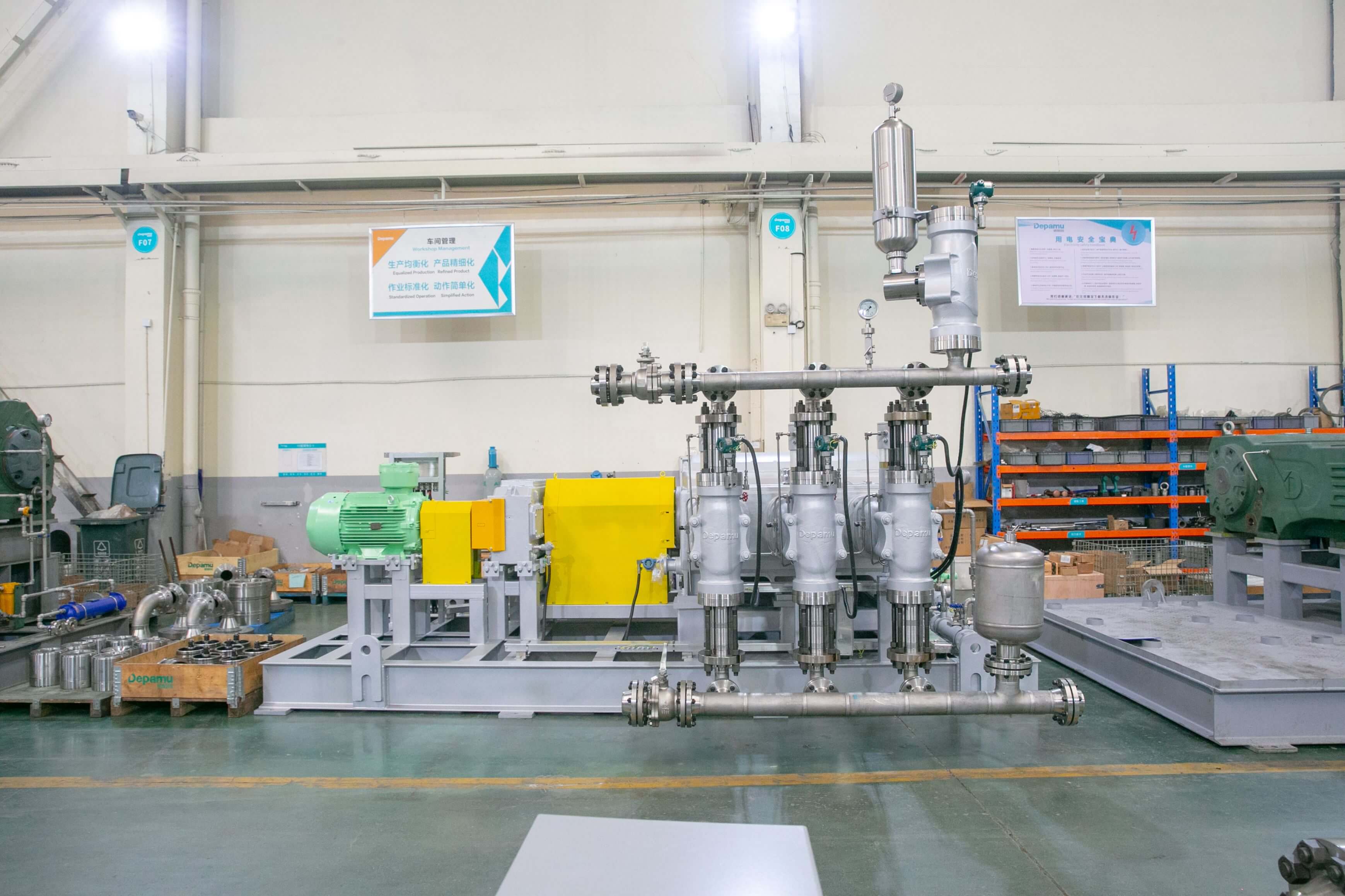
The versatility of tubular reciprocating pumps makes them suitable for a wide array of applications across various industries. In the oil and gas sector, these pumps are commonly used for well stimulation, cementing, and acidizing operations, where high pressure is required to inject fluids into the formation. Their ability to handle abrasive and corrosive fluids also makes them ideal for drilling mud circulation and waste disposal.
In chemical processing, tubular reciprocating pumps play a crucial role in metering and injecting chemicals into reaction vessels or pipelines. Their precise flow control ensures consistent product quality and reduces waste. These pumps are also used for transferring corrosive liquids, slurries, and viscous materials, thanks to their robust construction and leak-proof seals.
Water treatment facilities rely on tubular reciprocating pumps for dosing chemicals such as chlorine, fluoride, and coagulants into the water supply. Their ability to handle high pressures and variable flow rates makes them suitable for both small-scale and large-scale water treatment systems. Additionally, these pumps are used in desalination plants, where they help to transfer seawater and brine under high pressure.
Other industries that benefit from tubular reciprocating pumps include mining, where they are used for pumping slurry and tailings; food and beverage, where they handle hygienic fluids and ingredients; and pharmaceuticals, where they ensure precise dosing of active ingredients. The list goes on, highlighting the widespread utility of these pumps in modern industrial processes.
Selecting a Reliable Tubular Reciprocating Pump Manufacturer
Choosing the right manufacturer for your tubular reciprocating pump is as important as selecting the pump itself. A reputable manufacturer will not only provide a high-quality product but also offer comprehensive support throughout the pump’s lifecycle. When evaluating potential manufacturers, consider the following factors:
- Experience and Expertise: Look for a manufacturer with a proven track record in designing and producing tubular reciprocating pumps. Years of experience in the industry indicate a deep understanding of customer needs and the ability to innovate and improve product performance.
- Product Range: A diverse product range suggests that the manufacturer can cater to a wide variety of applications and requirements. This flexibility is valuable if your needs change over time or if you require multiple pumps for different processes.
- Quality Standards: Ensure that the manufacturer adheres to international quality standards such as ISO 9001. This certification demonstrates a commitment to producing reliable and consistent products that meet or exceed customer expectations.
- Customization Capabilities: If you have specific requirements that standard pumps cannot meet, look for a manufacturer that offers customization services. This could include modifying the pump’s materials, dimensions, or control systems to suit your unique application.
- After-Sales Support: Reliable after-sales support is crucial for minimizing downtime and ensuring the longevity of your pump. Choose a manufacturer that provides prompt technical assistance, spare parts availability, and maintenance services.
FAQ
What makes tubular reciprocating pumps suitable for high-pressure applications?
Tubular reciprocating pumps are designed with a robust construction that can withstand high pressures. The reciprocating motion of the plunger or piston generates significant force, allowing the pump to transfer fluids at elevated pressures without compromising performance or reliability.
Can tubular reciprocating pumps handle corrosive fluids?
Yes, high-quality tubular reciprocating pumps are typically made from corrosion-resistant materials such as stainless steel or duplex steel. Additionally, the seals and gaskets are designed to prevent leaks and maintain pressure integrity, even when handling corrosive fluids.
How do I select the right size tubular reciprocating pump for my application?
Selecting the right size pump involves considering factors such as the required flow rate, pressure, and the properties of the fluid being pumped. A reputable manufacturer can provide guidance and calculations to help you determine the optimal pump size for your specific needs.
What maintenance is required for tubular reciprocating pumps?
Regular maintenance is essential for ensuring the longevity and performance of your tubular reciprocating pump. This includes checking and replacing seals and gaskets as needed, lubricating moving parts, and inspecting the pump for signs of wear or damage. A manufacturer that offers comprehensive after-sales support can assist with maintenance procedures and provide spare parts when required.
Can tubular reciprocating pumps be customized for specific applications?
Yes, many manufacturers offer customization services to meet unique customer requirements. This could involve modifying the pump’s materials, dimensions, or control systems to suit a particular application or process. Customization ensures that the pump performs optimally in your specific environment.
Summary
Tubular reciprocating pumps are a cornerstone of industrial fluid handling, offering high-pressure output, precise flow control, and the ability to handle a wide range of fluids. Whether you’re in the oil and gas sector, chemical processing, water treatment, or any other industry that demands efficient fluid transfer, selecting a reliable manufacturer and understanding the key features of these pumps is crucial. By considering factors such as experience, product range, quality standards, customization capabilities, and after-sales support, you can ensure that you choose a tubular reciprocating pump that meets your needs and exceeds your expectations.