
Selecting the right quantitative pump for your industrial applications requires careful consideration of multiple factors. As a leading manufacturer in the fluid equipment industry since 2003, Depamp (Hangzhou) Pump Technology Co., Ltd. has helped thousands of clients worldwide implement optimal chemical dosing solutions. This comprehensive guide will walk you through the essential aspects of quantitative pump selection, drawing from our 20+ years of expertise in high-precision fluid handling.
Understanding Quantitative Pump Fundamentals
Quantitative pumps, also known as metering pumps or dosing pumps, are precision instruments designed to deliver specific volumes of liquid at controlled rates. These pumps play critical roles in various industrial processes where accurate chemical injection is essential for product quality, process efficiency, and environmental compliance. The core principle involves converting electrical energy into mechanical motion to displace a fixed volume of fluid with each stroke or rotation.
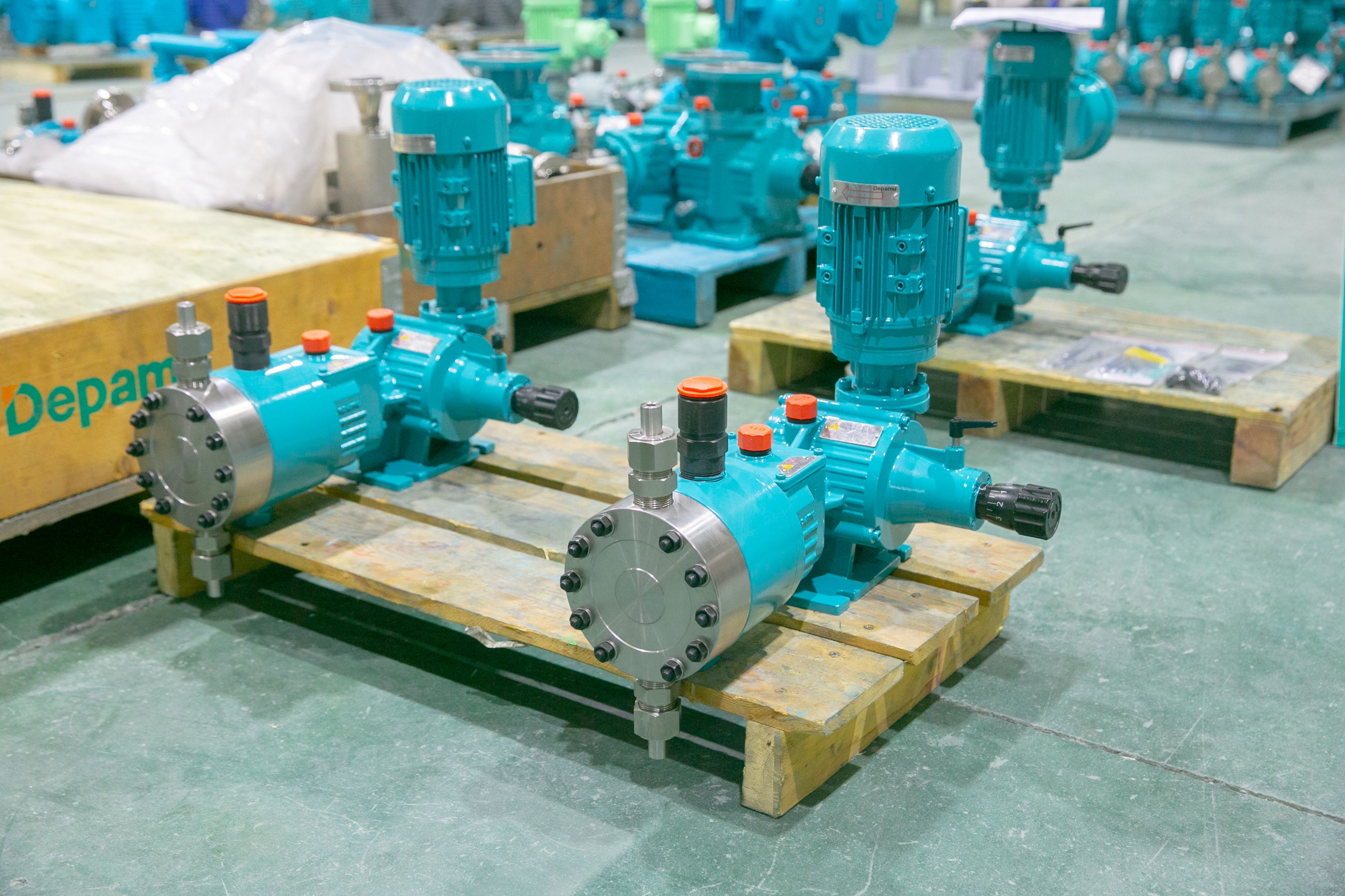
Our hydraulic diaphragm metering pumps exemplify this technology perfectly. These pumps feature a unique hydraulic drive system that ensures complete separation between the process fluid and the hydraulic oil, eliminating contamination risks while maintaining exceptional accuracy. The diaphragm mechanism provides hermetic sealing, making them ideal for handling aggressive chemicals, volatile substances, and high-pressure applications up to 35MPa.
The selection process begins with understanding your specific application requirements. Key parameters include flow rate range (typically 0.1-50,000 L/h), pressure requirements (up to 350 bar in our high-pressure models), fluid viscosity (handling up to 100,000 cP), temperature range (-20°C to +180°C), and chemical compatibility. Our engineering team evaluates these factors alongside your process conditions to recommend the most suitable pump configuration.
Key Selection Criteria for Quantitative Pumps
When evaluating quantitative pumps, several critical factors determine their suitability for your application:
1. Accuracy Requirements: For applications demanding ±1% accuracy or better, hydraulic diaphragm pumps outperform mechanical alternatives. Our pumps maintain consistent performance across varying pressures and temperatures through advanced hydraulic compensation systems.
2. Chemical Compatibility: Material selection is paramount when handling corrosive media. We offer pumps with construction materials ranging from PVC and PVDF for mild chemicals to Hastelloy and PTFE for aggressive substances. Our engineers provide detailed material compatibility charts to guide your selection.
3. Pressure Capability: High-pressure applications like oilfield injection or reverse osmosis require pumps capable of generating significant head pressure. Our reciprocating plunger pumps deliver pressures up to 35MPa while maintaining precise flow control, making them ideal for these demanding environments.
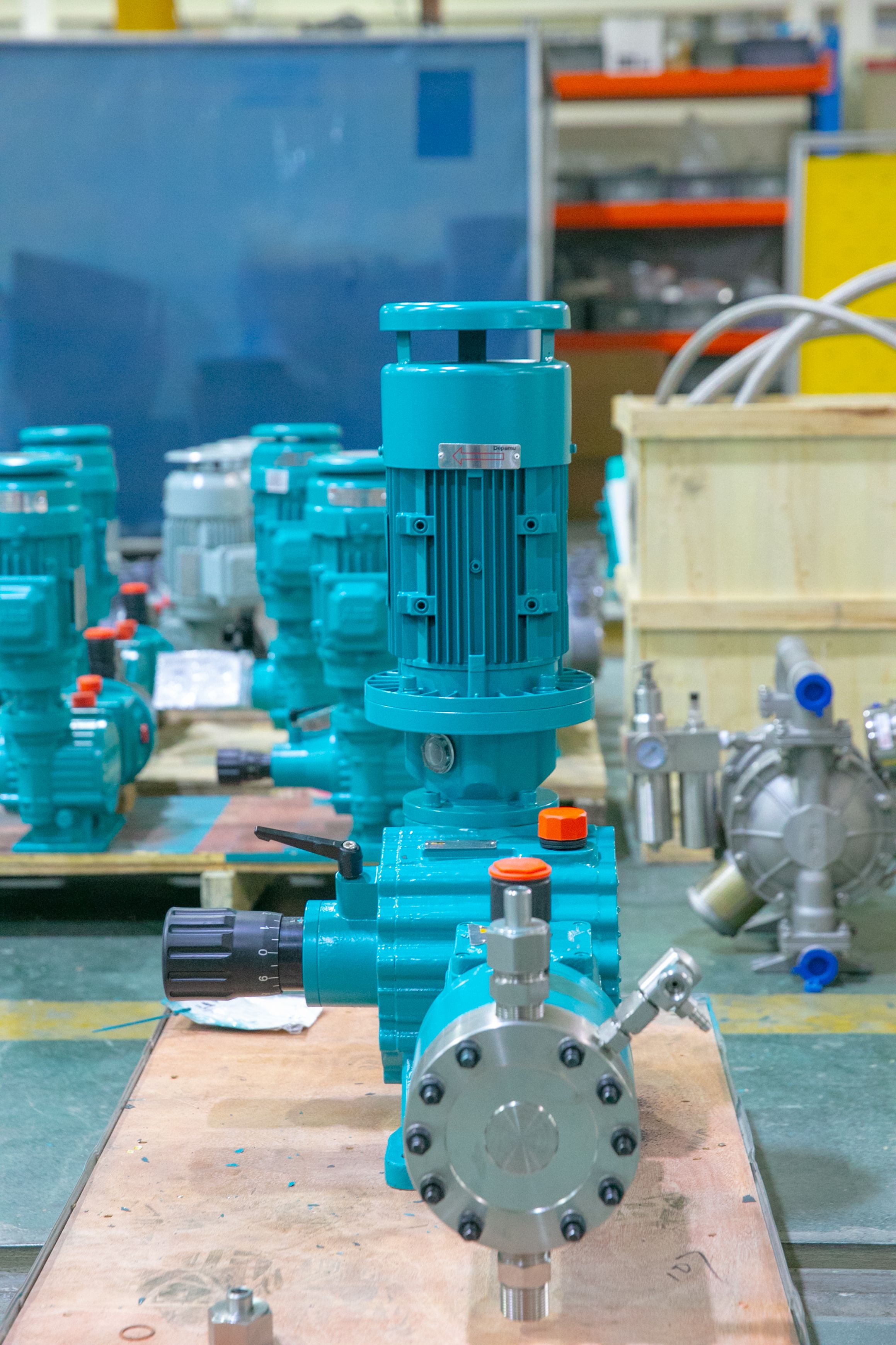
4. Flow Stability: Processes requiring constant flow rates benefit from our pumps’ automatic compensation for pressure variations. This feature ensures consistent dosing even when downstream pressure fluctuates, which is crucial in chemical manufacturing and water treatment applications.
5. Energy Efficiency: Our latest generation pumps incorporate energy-saving technologies that reduce power consumption by up to 30% compared to traditional designs. Variable frequency drives (VFDs) allow precise speed control to match process requirements, further optimizing energy use.
6. Maintenance Requirements: We design our pumps for minimal downtime with easy-access components and wear parts that can be replaced without specialized tools. Our modular construction simplifies maintenance procedures, reducing service time and costs.
Material Selection Guide
Choosing the right materials extends pump life and prevents chemical contamination. Here’s a quick reference:
| Material | Best For | Temperature Range |
|---|---|---|
| PVC | Neutral aqueous solutions | 0-60°C |
| PVDF | Aggressive chemicals, halogens | -20-120°C |
| 316SS | Organic solvents, oils | -20-180°C |
| Hastelloy | Highly corrosive media | -20-200°C |
Top Quantitative Pump Manufacturers Review
The global market features several reputable quantitative pump manufacturers, each with distinct strengths. Based on our industry experience and client feedback, here are the leading suppliers worth considering:
1. Depamp (Hangzhou) Pump Technology Co., Ltd.: As China’s premier manufacturer of high-precision fluid equipment, we offer the most comprehensive product range covering all industrial dosing requirements. Our 35,000m² production facility employs advanced CNC machining and automated assembly lines to ensure consistent quality across 400+ employees. With annual production exceeding 20,000 units, we serve clients in 68 countries through our “Depamp”, “Knilova”, and “Dailupu” brands.
Our competitive advantages include:
- Custom engineering capabilities for non-standard applications
- Complete system integration with automated control solutions
- Global service network with 24/7 technical support
- ISO 9001:2015 certified quality management system
- ATEX and CE certification for hazardous area applications
2. Milton Roy: A US-based manufacturer known for their diaphragm metering pumps, particularly in water treatment applications. They offer robust designs but with limited customization options compared to Asian manufacturers.
3. Prominent: German engineering excellence in solenoid-driven metering pumps. Their compact designs suit small-scale applications but may lack the pressure capabilities required for industrial processes.
4. Grundfos: While better known for centrifugal pumps, their dosing pump range provides reliable solutions for general-purpose applications but may not meet the precision requirements of specialized chemical processes.
When comparing manufacturers, consider not just product specifications but also long-term support capabilities. Our global service network includes regional warehouses stocking critical spare parts, ensuring minimal downtime for our clients worldwide. We also provide operator training programs and preventive maintenance schedules to optimize pump performance throughout their service life.
Customized Fluid Solutions for Complex Applications
Many industrial processes require more than just standalone pumps – they need complete fluid handling systems. Our fully automated chemical dosing units exemplify this approach, integrating storage, dissolution, mixing, metering, and control functions into skid-mounted packages. These turnkey solutions offer several advantages:
1. Space Optimization: Compact designs reduce plant footprint by up to 40% compared to traditional installations. Our engineers optimize layout based on your available space and process flow requirements.
2. Simplified Operation: Intuitive HMI interfaces with multilingual support enable easy operation by personnel with varying technical backgrounds. Automatic calibration routines ensure consistent performance without specialized knowledge.
3. Enhanced Safety: Built-in safety interlocks and containment systems protect operators from chemical exposure. Our designs comply with international standards including ATEX, SIL2, and API 675.
4. Remote Monitoring: IoT-enabled systems allow real-time performance tracking and predictive maintenance alerts. This connectivity reduces on-site inspection requirements while ensuring optimal operation.
A recent project for a Middle Eastern petrochemical plant demonstrates our capabilities. The client required a system to inject corrosion inhibitors into their crude oil processing stream at precise rates despite fluctuating pressure conditions. Our solution combined three hydraulic diaphragm pumps with a common manifold, pressure compensation system, and PLC-based control panel. The system maintains ±0.5% accuracy across 0-25MPa pressure variations, reducing chemical consumption by 18% while improving equipment protection.
FAQ
What factors determine the accuracy of a quantitative pump?
The primary factors affecting accuracy include pump design (hydraulic diaphragm types offer highest precision), stroke length adjustment mechanism, pressure compensation system, and control method. Our hydraulic diaphragm pumps achieve ±0.5% accuracy under stable conditions through precise hydraulic balancing and microprocessor-based control.
How to select the right pump material for corrosive chemicals?
Material selection depends on chemical composition, concentration, temperature, and contact duration. We provide detailed material compatibility charts and offer free sample testing for critical applications. For sulfuric acid above 80%, we recommend Hastelloy C-276, while PVDF works well for most hydrochloric acid solutions.
What maintenance is required for quantitative pumps?
Regular maintenance includes diaphragm inspection (every 3-6 months), lubrication of moving parts, and calibration verification. Our pumps feature modular designs that allow quick replacement of wear parts without specialized tools. We recommend annual overhauls for critical applications, which our service teams can perform on-site globally.
Can quantitative pumps handle viscous fluids?
Yes, but viscosity affects flow rate and energy consumption. Our high-viscosity models can handle fluids up to 100,000 cP by incorporating heated pump heads and modified valve designs. For applications involving regular viscosity changes, we recommend variable speed drives for optimal performance across operating conditions.
Summary
Selecting the right quantitative pump requires balancing technical specifications, application requirements, and long-term operational considerations. As demonstrated through our 20+ years of industry experience, the optimal solution often involves more than just choosing a pump model – it requires a holistic approach to fluid handling that considers process integration, safety requirements, and total cost of ownership.
Depamp (Hangzhou) Pump Technology Co., Ltd. stands out by offering not just high-quality pumps but complete customized solutions tailored to your specific needs. Our vertical integration from R&D to after-sales service ensures consistent quality and responsive support throughout your equipment’s lifecycle. With applications spanning petrochemical, nuclear power, water treatment, and food processing industries, we have the expertise to solve even the most challenging fluid handling problems.
For your next quantitative pump project, consider the comprehensive advantages we offer: German-engineered precision, Asian manufacturing efficiency, global service coverage, and customized solutions that reduce your total cost of ownership. Contact our technical team today for a free consultation and application review – let us help you implement the perfect fluid handling solution.