
Selecting the right piston dosing pump for your industrial application requires careful consideration of multiple factors. As a leading manufacturer in the fluid equipment industry since 2003, Depamp (Hangzhou) Pump Technology Co., Ltd. understands the critical role these pumps play in chemical injection processes across various sectors. This comprehensive guide explores key aspects of piston dosing pumps, helping you make informed decisions for your specific requirements.
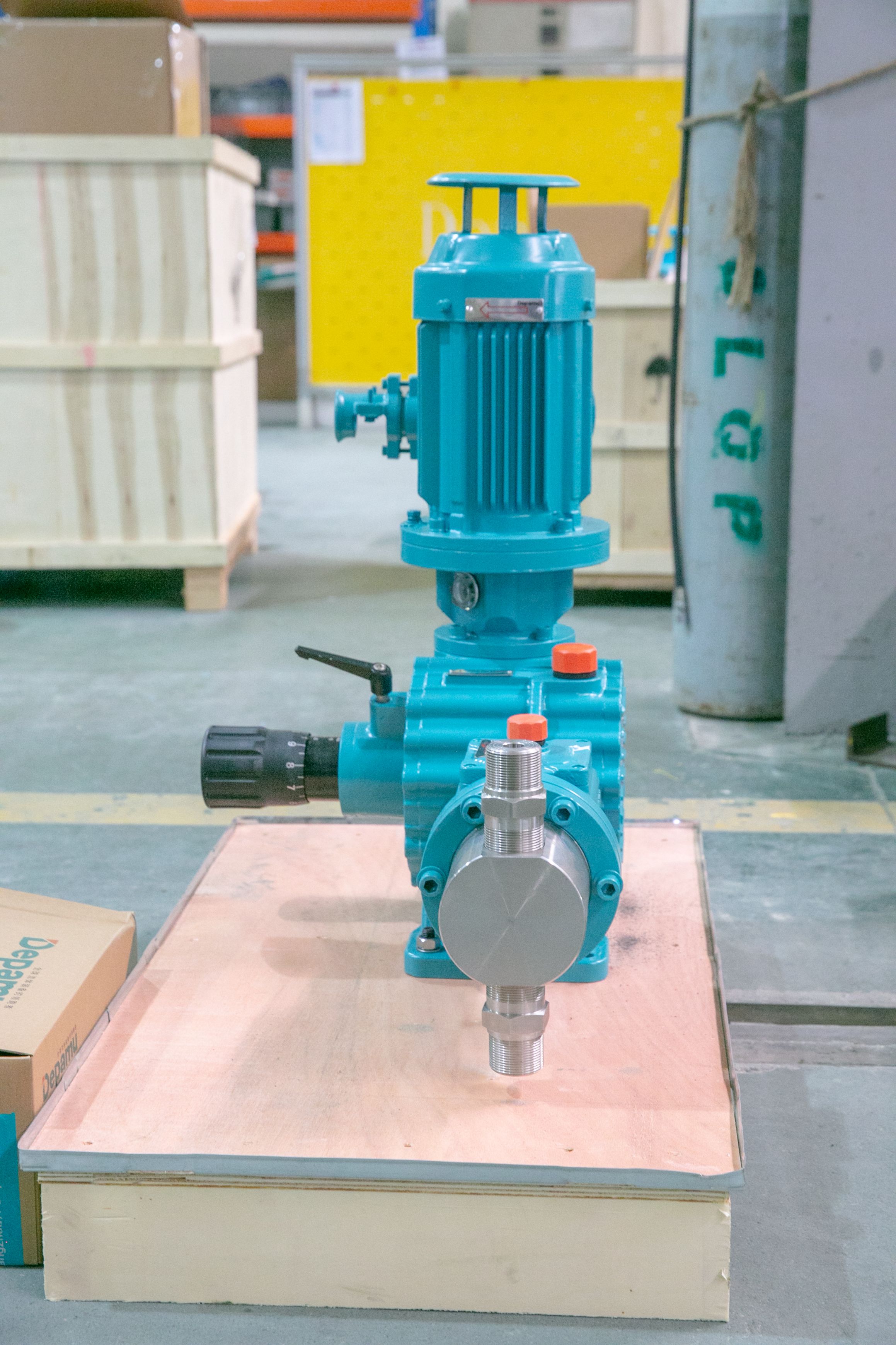
Understanding Piston Dosing Pump Technology
Piston dosing pumps represent the pinnacle of precision chemical injection technology. Unlike diaphragm pumps, piston designs use a reciprocating piston mechanism to deliver precise volumes of chemicals under high pressure. This makes them ideal for applications requiring accurate dosing of corrosive, viscous, or abrasive fluids in industries ranging from petrochemicals to water treatment.
The core advantage of piston dosing pumps lies in their ability to maintain consistent flow rates even under varying pressure conditions. Our hydraulic diaphragm metering pumps, for example, combine piston technology with diaphragm isolation to handle the most challenging media while preventing leaks. This dual-action design ensures both precision and safety in critical applications.
Depamp’s piston dosing pumps feature pressure ratings up to 35MPa and flow capacities from 5L/h to 120,000L/h. The stainless steel construction with PTFE diaphragms provides excellent resistance to corrosion, while the modular design allows for easy maintenance and component replacement. These features make our pumps suitable for continuous operation in demanding industrial environments.
Key Selection Criteria for Piston Dosing Pumps
Choosing the right piston dosing pump requires evaluating several critical parameters that align with your specific application requirements:
- Flow Rate Requirements: Determine your minimum and maximum required flow rates in liters per hour (L/h). Consider both average and peak demands to ensure the pump can handle variations without compromising accuracy.
- Pressure Capacity: Calculate the system pressure the pump must overcome, including static head, friction losses, and any backpressure. Select a pump with a maximum pressure rating exceeding your requirements by at least 20%.
- Chemical Compatibility: Identify all chemicals to be pumped and their concentrations. Choose materials of construction (stainless steel, PVDF, PTFE, etc.) that resist corrosion from these substances over the expected service life.
- Viscosity Handling: For viscous fluids, select pumps with larger piston diameters and slower stroke speeds to maintain accurate dosing. Some models can handle viscosities up to 10,000 cP.
- Temperature Range: Ensure the pump can operate within your process temperature range, typically from -20°C to +180°C for most industrial models.
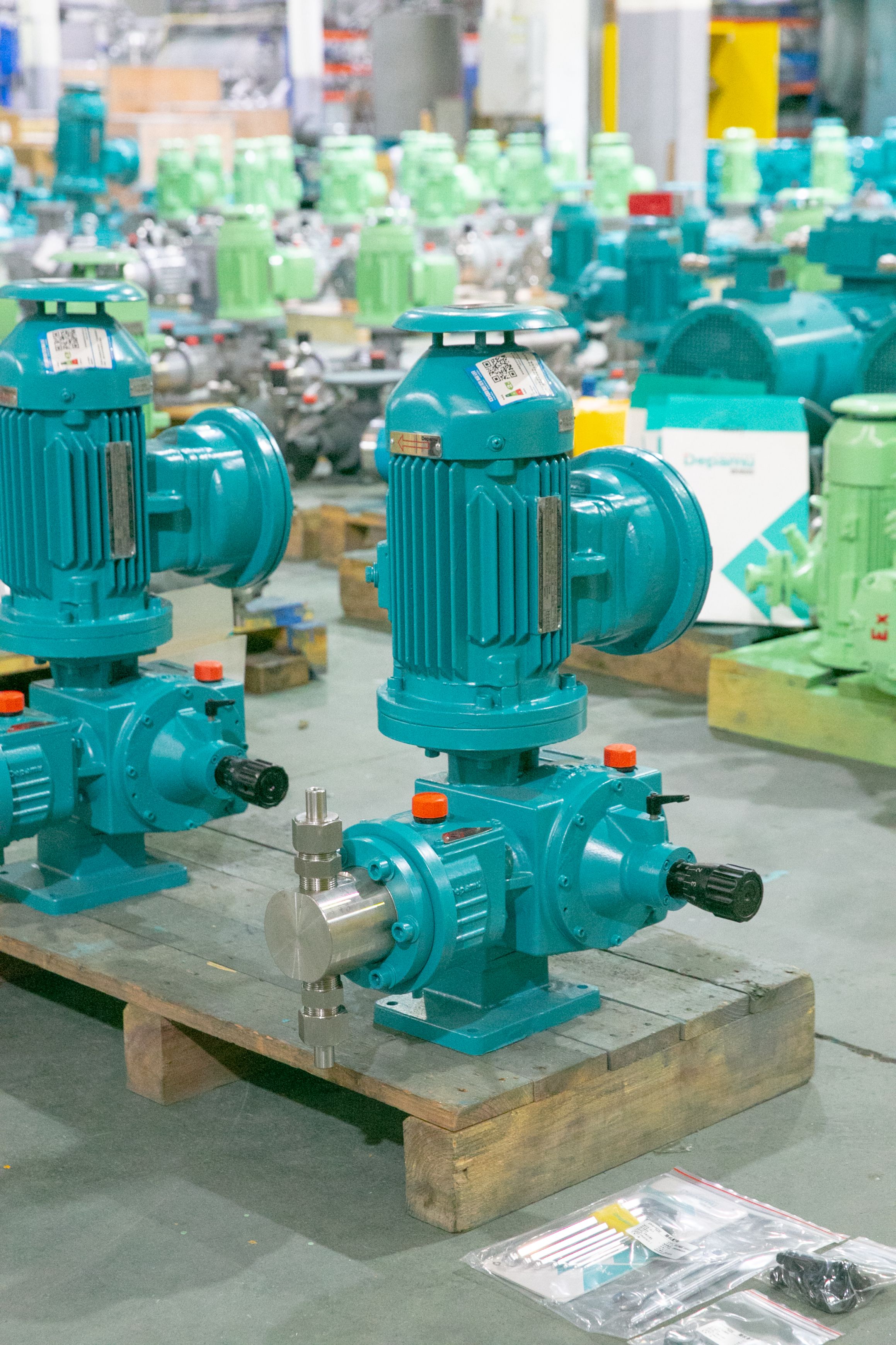
Performance Comparison: Piston vs. Diaphragm Dosing Pumps
While both piston and diaphragm pumps serve chemical dosing applications, they have distinct performance characteristics:
| Parameter | Piston Pumps | Diaphragm Pumps |
|---|---|---|
| Pressure Capacity | Up to 35MPa | Typically up to 10MPa |
| Flow Accuracy | ±0.5% to ±1% | ±1% to ±2% |
| Viscosity Handling | Up to 10,000 cP | Up to 5,000 cP |
| Maintenance Frequency | Moderate (seals) | Low (diaphragm) |
| Initial Cost | Higher | Lower |
Custom Dosing Pump Solutions for Industrial Applications
At Depamp, we recognize that standard products may not always meet the unique requirements of complex industrial processes. Our engineering team specializes in developing custom piston dosing pump solutions tailored to your specific needs:
For a major petrochemical plant in the Middle East, we designed a high-pressure dosing system capable of injecting anti-corrosion chemicals into pipelines operating at 28MPa. The solution combined our heavy-duty piston pumps with custom-engineered skid mounting and automated control systems to integrate seamlessly with the existing infrastructure.
In another project for a European water treatment facility, we developed a multi-pump dosing station with redundant systems to ensure continuous operation during maintenance. The solution included variable speed drives for energy-efficient operation and remote monitoring capabilities for predictive maintenance.
Our customization capabilities extend beyond mechanical design. We can incorporate specific control algorithms, communication protocols (Modbus, Profibus, etc.), and safety features to meet the most stringent industry standards and regulatory requirements.
FAQ
What makes Depamp’s piston dosing pumps suitable for high-pressure applications?
Our piston dosing pumps feature robust construction with precision-machined components capable of withstanding pressures up to 35MPa. The hydraulic end design ensures even pressure distribution across all components, while high-quality seals and materials prevent leaks even under extreme conditions. Each pump undergoes rigorous pressure testing before delivery to guarantee performance in high-pressure environments.
How do you ensure chemical compatibility with your dosing pumps?
We maintain an extensive database of chemical properties and their interactions with various materials. Our engineers select construction materials based on your specific chemicals, concentrations, and operating temperatures. For particularly aggressive media, we offer special coatings and surface treatments. We also provide sample testing services to verify compatibility before finalizing your pump selection.
What maintenance is required for industrial piston dosing pumps?
Regular maintenance includes checking and replacing seals as needed (typically every 6-12 months depending on usage), lubricating moving parts, and verifying calibration. Our pumps are designed for easy access to all critical components, reducing downtime during maintenance. We also offer preventive maintenance contracts where our technicians perform regular inspections and servicing to maximize pump lifespan and reliability.
Can you provide complete dosing systems rather than just individual pumps?
Absolutely. We specialize in delivering turnkey dosing solutions that include pumps, storage tanks, mixing systems, control panels, and piping. Our fully automated chemical dosing stations come pre-assembled and tested, reducing installation time at your facility. These systems can be customized with features like remote monitoring, automatic calibration, and fail-safe mechanisms for critical applications.
Summary
Selecting the right piston dosing pump requires evaluating multiple factors including pressure requirements, chemical compatibility, and application-specific needs. As a manufacturer with over two decades of experience in fluid equipment, Depamp offers both standard and custom solutions designed to meet the most demanding industrial requirements. Our comprehensive approach combines high-quality components with advanced engineering to deliver reliable, precise chemical dosing across various sectors.
For businesses seeking reliable piston dosing pump suppliers, our 35,000m² manufacturing facility with 400+ skilled employees ensures consistent quality and short lead times. With annual production capacity exceeding 50,000 units and a global customer base spanning petrochemical, power, metallurgy, and environmental protection industries, we have the expertise to support your most critical dosing applications.