
In the realm of industrial fluid handling, centrifugal delivery pumps stand as indispensable components, facilitating the efficient movement of liquids across various sectors. Whether it’s in the petrochemical industry, power generation, metallurgy, or environmental water treatment, the right centrifugal pump can significantly enhance operational efficiency and reliability. This comprehensive guide delves into the world of centrifugal delivery pumps, exploring their applications, selection criteria, and the customized solutions offered by Depamp (Hangzhou) Pump Technology Co., Ltd., a renowned manufacturer in the field.
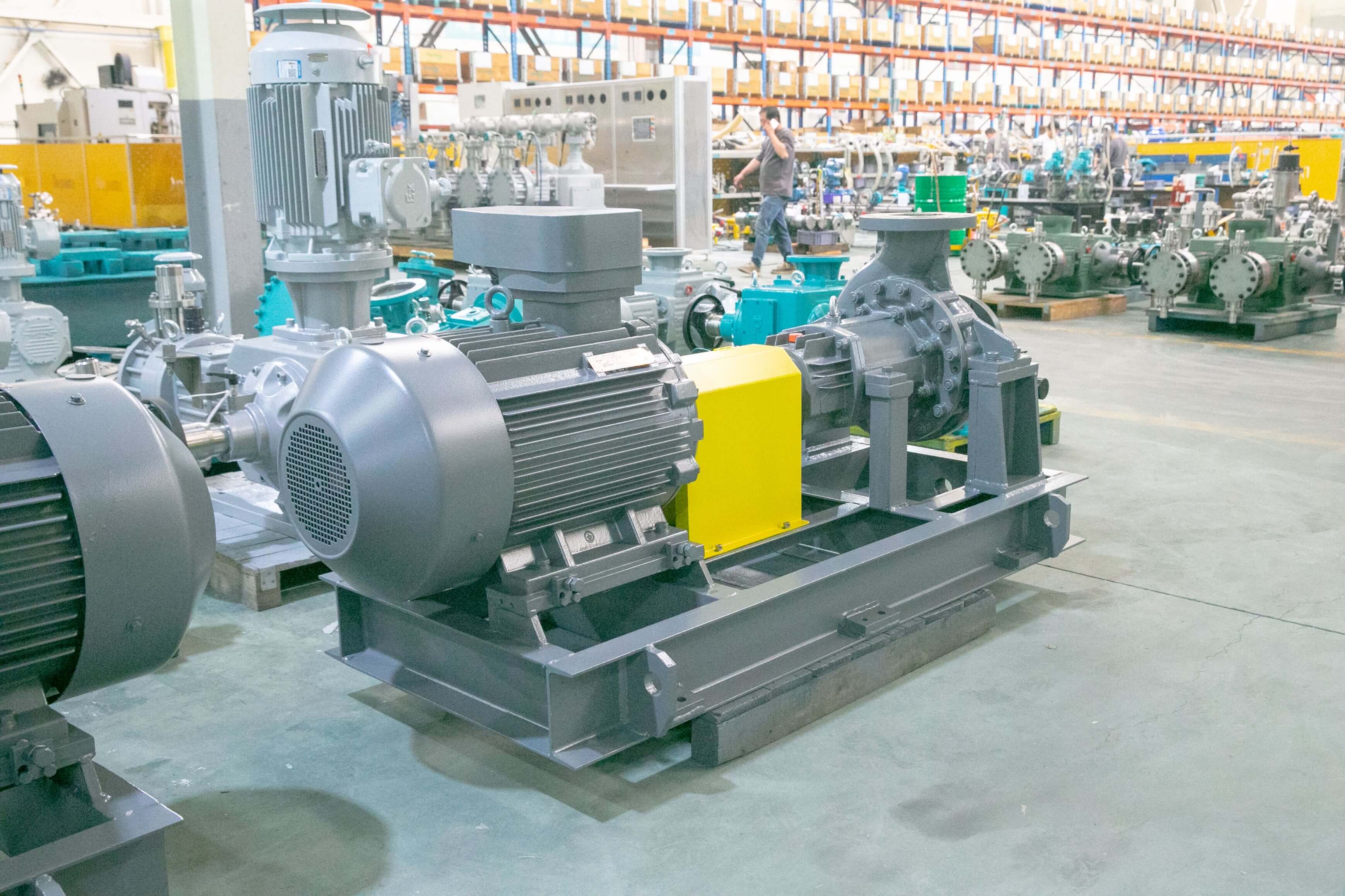
Understanding Centrifugal Delivery Pumps
Centrifugal delivery pumps operate on the principle of centrifugal force, where a rotating impeller imparts kinetic energy to the fluid, causing it to move outward and increase in pressure. This simple yet effective mechanism makes centrifugal pumps ideal for a wide range of applications, from low-viscosity liquids to high-flow scenarios. Their versatility, combined with relatively low maintenance requirements, has made them a staple in numerous industries.
Applications of Centrifugal Delivery Pumps
Centrifugal pumps find extensive use across various sectors, each with its unique set of requirements and challenges. Here are some key applications:
Petrochemical Industry
In the petrochemical sector, centrifugal pumps are crucial for transporting crude oil, refined products, and various chemicals. Their ability to handle corrosive and abrasive fluids makes them indispensable in refineries and chemical plants. Depamp’s centrifugal pumps, designed with robust materials and advanced sealing technologies, ensure reliable performance even in the most demanding environments.
Power Generation
Power plants rely heavily on centrifugal pumps for boiler feedwater, condensate extraction, and cooling water circulation. The high efficiency and durability of Depamp’s pumps contribute to the overall energy efficiency and reliability of power generation systems. Their customized solutions cater to the specific needs of different power plant configurations, ensuring optimal performance.
Metallurgy
In metallurgical processes, centrifugal pumps are used for handling molten metals, slurries, and various process fluids. The extreme operating conditions demand pumps that can withstand high temperatures, pressures, and abrasive particles. Depamp’s metallurgical centrifugal pumps are engineered to meet these challenges, offering long service life and minimal downtime.
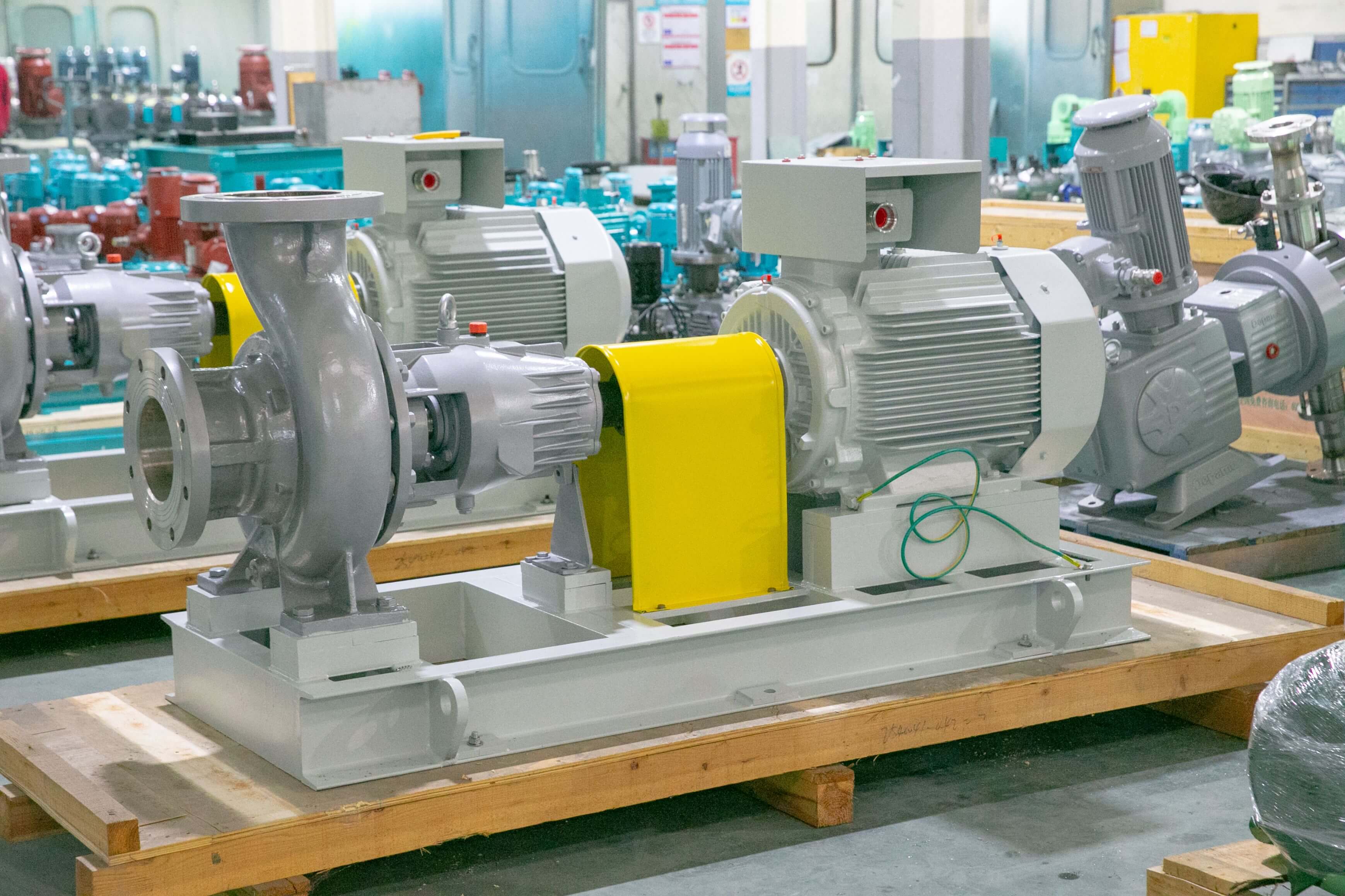
New Energy Sector
As the world transitions towards renewable energy sources, centrifugal pumps play a vital role in solar thermal power, geothermal energy, and biomass power generation. Their ability to handle diverse fluids and adapt to varying operating conditions makes them suitable for these emerging sectors. Depamp’s innovative pump designs contribute to the efficiency and sustainability of new energy projects.
Environmental Water Treatment
In water treatment facilities, centrifugal pumps are essential for moving water through various treatment stages, including filtration, disinfection, and sludge handling. Their reliable performance and ease of maintenance ensure uninterrupted operation, which is critical for maintaining water quality and meeting regulatory standards. Depamp’s water treatment pumps are designed to meet the stringent requirements of this sector, offering efficient and cost-effective solutions.
Selection Criteria for Centrifugal Delivery Pumps
Choosing the right centrifugal pump involves considering several key factors to ensure optimal performance and longevity. Here are some essential criteria to keep in mind:
- Flow Rate and Head: Determine the required flow rate (volume of fluid per unit time) and head (pressure increase) to select a pump that can meet your process demands.
- Fluid Properties: Consider the viscosity, temperature, corrosiveness, and abrasiveness of the fluid to choose a pump with suitable materials and construction.
- Efficiency: Look for pumps with high efficiency ratings to minimize energy consumption and operating costs.
- Reliability and Maintenance: Opt for pumps known for their reliability and ease of maintenance to reduce downtime and repair expenses.
- Customization Options: If your application has unique requirements, consider manufacturers that offer customized pump solutions to ensure a perfect fit.
Depamp’s Customized Centrifugal Pump Solutions
Depamp (Hangzhou) Pump Technology Co., Ltd. understands that every industrial application has its unique set of challenges and requirements. That’s why they offer a wide range of customized centrifugal pump solutions tailored to meet the specific needs of their clients. From material selection to impeller design, every aspect of the pump can be customized to ensure optimal performance and longevity.
Depamp’s team of experienced engineers works closely with clients to understand their process requirements and recommend the most suitable pump configuration. Whether it’s a standard product or a fully customized solution, Depamp ensures that every pump meets the highest standards of quality and reliability.
FAQ
What are the advantages of using centrifugal pumps in industrial applications?
Centrifugal pumps offer several advantages, including high efficiency, simplicity of design, ease of maintenance, and the ability to handle a wide range of fluids. Their versatility makes them suitable for various industries, from petrochemicals to water treatment.
How do I determine the right size of centrifugal pump for my application?
To determine the right size, consider the required flow rate and head for your application. Consult with a pump manufacturer or engineer who can help you select a pump that meets your specific needs based on these parameters.
Can centrifugal pumps handle corrosive fluids?
Yes, centrifugal pumps can handle corrosive fluids when constructed with suitable materials such as stainless steel, Hastelloy, or other corrosion-resistant alloys. It’s essential to choose a pump with materials compatible with the fluid being pumped.
What maintenance is required for centrifugal pumps?
Regular maintenance for centrifugal pumps includes checking for leaks, monitoring vibration levels, inspecting bearings, and replacing worn parts as needed. Following the manufacturer’s recommended maintenance schedule can help extend the pump’s service life.
How can I improve the efficiency of my centrifugal pump?
Improving efficiency can be achieved by ensuring proper impeller design, minimizing friction losses, optimizing the pump’s operating point, and using variable speed drives when applicable. Regular maintenance and operating the pump within its design limits also contribute to efficiency.
Summary
Centrifugal delivery pumps are vital components in numerous industrial applications, offering efficient and reliable fluid handling solutions. By understanding their applications, selection criteria, and the customized solutions offered by manufacturers like Depamp, you can ensure that your pump meets your specific needs and contributes to the overall success of your operations. Whether you’re in the petrochemical industry, power generation, metallurgy, or environmental water treatment, Depamp’s centrifugal pumps are designed to deliver exceptional performance and durability.