
Selecting the right colloid pump for your industrial application requires careful consideration of multiple factors. As a leading manufacturer in the fluid equipment industry since 2003, Depamp (Hangzhou) Pump Technology Co., Ltd. understands the complexities involved in this decision-making process. With over 400 employees, a 35,000 square meter factory, and annual production value of approximately 500 million RMB, we’ve developed extensive expertise in colloid pump technology and applications across various industries.
This comprehensive guide will walk you through the essential aspects of colloid pump selection, drawing on our two decades of experience in developing high-precision fluid handling solutions. Whether you’re in the chemical processing, food production, or any other industry requiring precise fluid metering, this guide will provide valuable insights to help you make an informed decision.
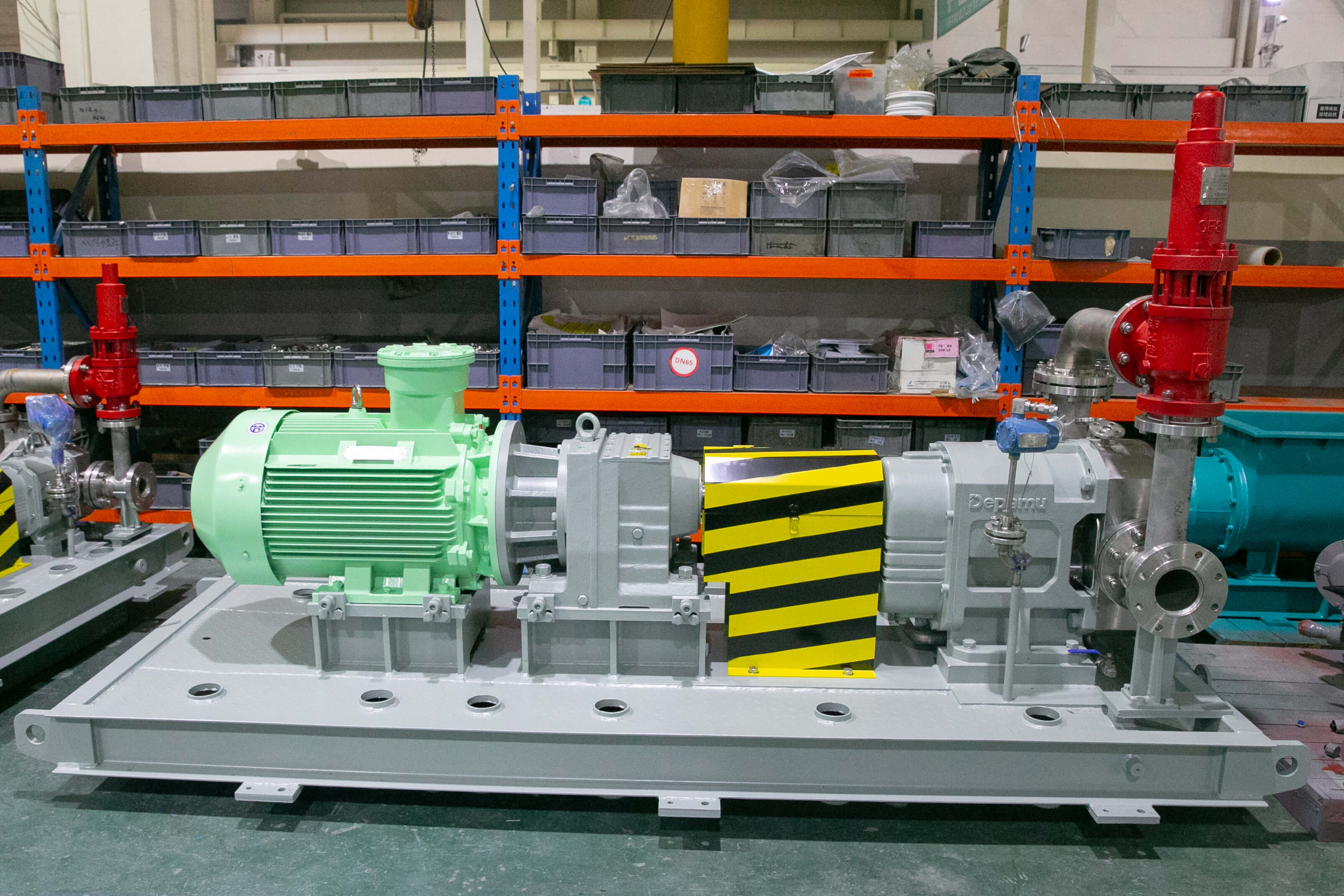
Understanding Colloid Pump Technology
Colloid pumps, also known as rotor-stator pumps or homogenizer pumps, are specialized positive displacement pumps designed to handle complex fluids with high precision. These pumps operate on the principle of rotary motion between a rotor and stator, creating intense shear forces that break down particles and ensure uniform dispersion of substances. This technology makes them ideal for applications requiring consistent particle size reduction and homogeneous mixing.
The core advantage of colloid pumps lies in their ability to process viscous fluids, emulsions, and suspensions that would challenge other pump types. Our Depamp colloid pumps feature precision-engineered rotor-stator geometries that can be customized to match specific process requirements, ensuring optimal performance across diverse applications.
Compared to traditional pumps, colloid pumps offer several distinct benefits:
- Superior handling of high-viscosity fluids (up to 1,000,000 cP)
- Consistent particle size reduction without clogging
- Gentle processing of shear-sensitive materials when configured properly
- Ability to pump fluids containing solids or abrasive particles
- Precise flow control for accurate dosing applications
Key Factors in Colloid Pump Selection
Choosing the right colloid pump requires evaluating several critical parameters that align with your specific application needs. Based on our experience serving clients across petroleum refining, chemical processing, food production, and other industries, we’ve identified these essential selection criteria:
1. Fluid Characteristics
The nature of the fluid being pumped is the most fundamental consideration. Key properties to assess include:
- Viscosity: Colloid pumps excel with viscous fluids, but extreme viscosities may require special configurations. Our pumps handle viscosities from 1 cP to 1,000,000 cP.
- Particle size: The pump’s clearance and rotor-stator design must accommodate the largest particles in your fluid without clogging.
- Abrasiveness: For fluids containing abrasive solids, we recommend hardened materials or special coatings to extend pump life.
- Corrosiveness: Chemical compatibility with wetted parts is crucial. We offer various material options including stainless steel, Hastelloy, and other corrosion-resistant alloys.
- Temperature: Operating temperature affects material selection and seal design. Our pumps handle temperatures from -20°C to 180°C.
2. Process Requirements
Your specific process demands will influence pump selection:
- Flow rate: Determine your required volume per unit time. Our colloid pumps range from 0.1 m³/h to 100 m³/h.
- Pressure: Consider both inlet and discharge pressures. Standard models handle up to 12 bar, with high-pressure versions available.
- Particle size reduction: If homogenization is required, specify the desired final particle size.
- Continuous vs. batch operation:
- Some applications benefit from continuous processing while others use batch modes.
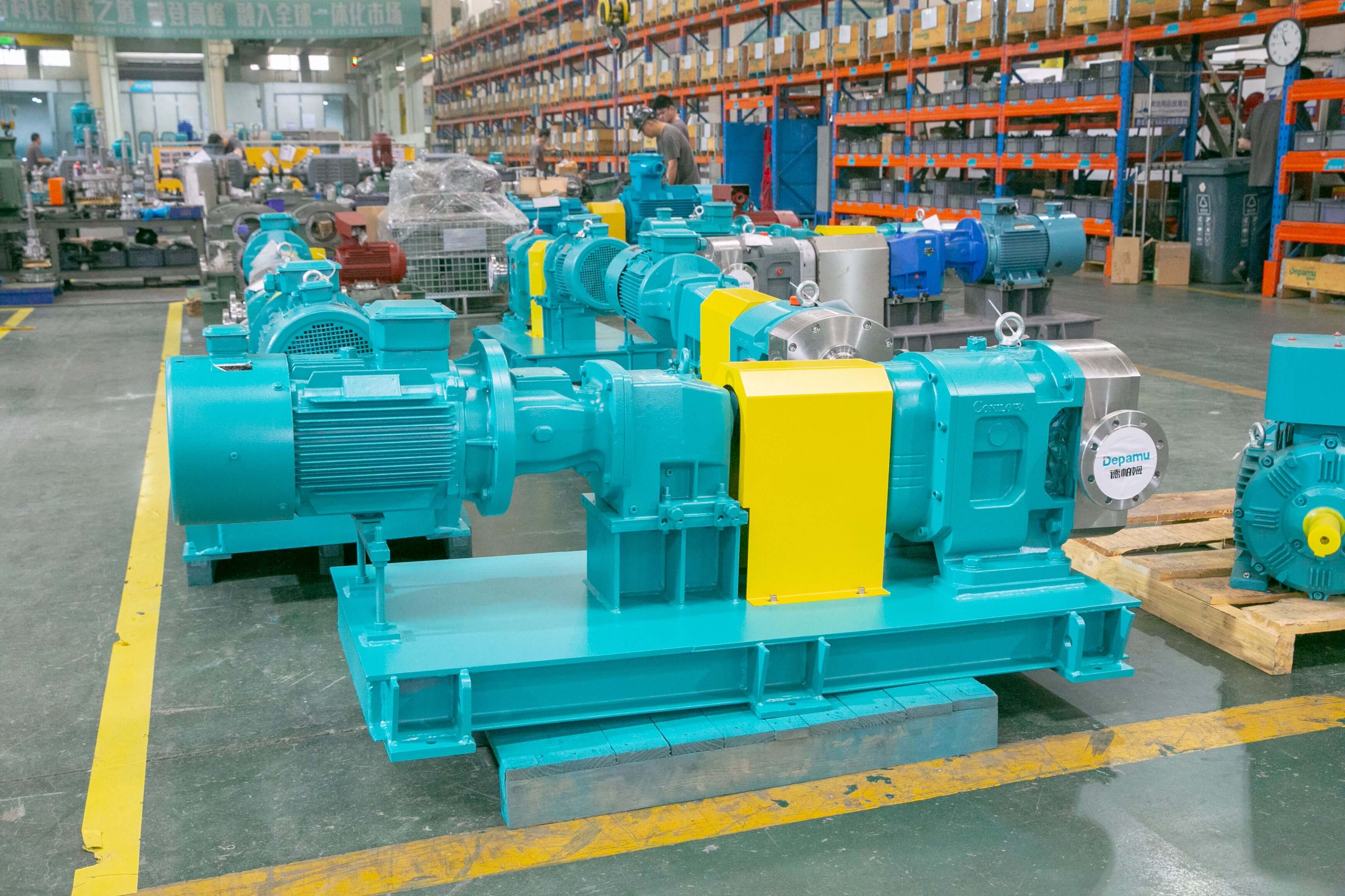
3. Pump Construction and Materials
The physical design of the colloid pump impacts its performance and durability:
- Rotor-stator geometry: Different configurations (e.g., toothed, helical, multi-stage) suit various applications. Our engineers help select the optimal design.
- Material selection: Wetted parts should resist corrosion and wear. Common materials include 304/316 stainless steel, duplex steel, and special alloys.
- Seal type: Mechanical seals are standard, with options for double seals or magnetic drives for hazardous fluids.
- Drive configuration:
- Electric motors are typical, with options for explosion-proof or variable speed drives.
4. Application-Specific Considerations
Different industries have unique requirements that influence pump selection:
| Industry | Key Selection Factors |
|---|---|
| Chemical Processing | Corrosion resistance, ability to handle aggressive chemicals, precise metering |
| Food & Beverage | Hygienic design, FDA-compliant materials, gentle processing of sensitive products |
| Pharmaceuticals | CIP/SIP capability, validation support, precise particle size control |
| Cosmetics | Consistent emulsification, ability to handle thick creams and lotions |
| Paints & Coatings | Handling of pigments and fillers, consistent dispersion without air incorporation |
Top Colloid Pump Manufacturers Recommended
Based on our industry expertise and customer feedback, we recommend considering these reputable colloid pump manufacturers when making your selection:
1. Depamp (Hangzhou) Pump Technology Co., Ltd.
As a leading Chinese manufacturer with global reach, we specialize in high-precision colloid pumps and customized fluid handling solutions. Our advantages include:
- Over 20 years of experience in colloid pump technology
- Complete in-house capabilities from R&D to manufacturing
- Customization for specific industry requirements
- Comprehensive after-sales support network
- Competitive pricing without compromising quality
Our colloid pumps have been successfully implemented in numerous projects worldwide, including a major food processing plant in Southeast Asia where our pumps achieved 30% longer service life compared to competitors’ models while maintaining consistent product quality.
2. Waukesha Cherry-Burrell (SPX Flow)
An established American brand known for sanitary colloid pumps, particularly in the food and beverage industry. Their Universal Series pumps offer excellent hygienic design but typically come at a higher price point.
3. Ingersoll Rand
Their ARO® line includes heavy-duty colloid pumps suitable for industrial applications requiring robust construction and high pressure capabilities.
4. Fristam Pumps
A German manufacturer specializing in high-quality sanitary pumps, including colloid models for pharmaceutical and food applications requiring strict hygiene standards.
5. Silverson Machines
Known for their high-shear mixer/pumps, Silverson offers effective solutions for emulsification and dispersion applications across various industries.
Customized Colloid Pump Solutions
While standard colloid pumps suit many applications, some processes benefit from customized solutions. At Depamp, we excel at developing tailored colloid pump systems that address unique challenges:
Case Study: Chemical Processing Plant
A Middle Eastern chemical manufacturer needed to pump a highly corrosive slurry containing 40% solid particles at 150°C. Standard pumps failed within weeks due to corrosion and wear. Our solution:
- Custom-designed colloid pump with Hastelloy C-276 wetted parts
- Specialized rotor-stator geometry to handle large particles without clogging
- Double mechanical seals with external flushing system
- Heating jacket to maintain process temperature
The customized pump has operated continuously for over 18 months with minimal maintenance, significantly reducing downtime and replacement costs.
FAQ
What is the main difference between a colloid pump and a homogenizer?
While both devices reduce particle size, colloid pumps typically create larger particle reductions (1-100 microns) and are designed for continuous processing with higher flow rates. Homogenizers achieve finer reductions (0.1-1 micron) but often have lower throughput and may be better suited for batch processing. Many colloid pumps can function as homogenizers when configured properly.
How do I determine the right rotor-stator configuration for my application?
The optimal configuration depends on your desired particle size reduction and fluid properties. Coarse tooth designs suit larger particles and lower shear applications, while fine tooth or multi-stage rotors provide higher shear for finer emulsions. Our engineers analyze your specific requirements to recommend the best configuration.
Can colloid pumps handle abrasive fluids?
Yes, but with proper material selection and design considerations. For abrasive applications, we recommend hardened stainless steel or special coatings for the rotor and stator. The pump’s clearance settings and speed may also need adjustment to balance wear resistance with process requirements.
What maintenance is required for colloid pumps?
Regular maintenance includes inspecting and replacing wear parts like rotors, stators, and seals as needed. Lubrication of bearings (if not sealless) and checking alignment are also important. We provide detailed maintenance manuals and can train your staff on proper procedures. Many of our pumps feature easy disassembly for quick service.
How do colloid pumps compare in energy efficiency to other pump types?
Colloid pumps typically consume more energy per unit volume than centrifugal pumps due to their high-shear operation. However, their ability to process viscous fluids that would require pre-heating or dilution with other pump types can result in overall energy savings in some applications. Variable speed drives can further optimize energy use by matching pump speed to process demands.
Summary
Selecting the right colloid pump requires careful evaluation of your fluid characteristics, process requirements, and application-specific needs. By considering factors such as viscosity, particle size, temperature, and required flow rates, you can narrow down your options to pumps that will perform reliably in your specific environment.
While several reputable manufacturers offer quality colloid pumps, working with a supplier that provides customization capabilities and comprehensive support can be advantageous, especially for complex applications. Depamp’s two decades of experience in fluid equipment manufacturing, combined with our commitment to innovation and customer service, makes us an excellent choice for businesses seeking reliable, high-performance colloid pump solutions.
Remember that proper installation, operation, and maintenance are crucial for maximizing your colloid pump’s service life and performance. Investing time in selecting the right pump and partnering with a knowledgeable supplier will pay dividends in reduced downtime, lower operating costs, and consistent product quality over the pump’s lifespan.