
Selecting the right internal gear pump for your industrial applications requires understanding multiple factors that influence performance, reliability, and cost-effectiveness. As a leading manufacturer of high-precision fluid transfer equipment since 2003, Depamp (Hangzhou) Pump Technology Co., Ltd. has helped hundreds of clients across petrochemical, nuclear power, metallurgy, and new energy sectors implement optimal pumping solutions. This comprehensive guide covers everything from basic selection principles to advanced customization options for complex industrial environments.
Understanding Internal Gear Pump Fundamentals
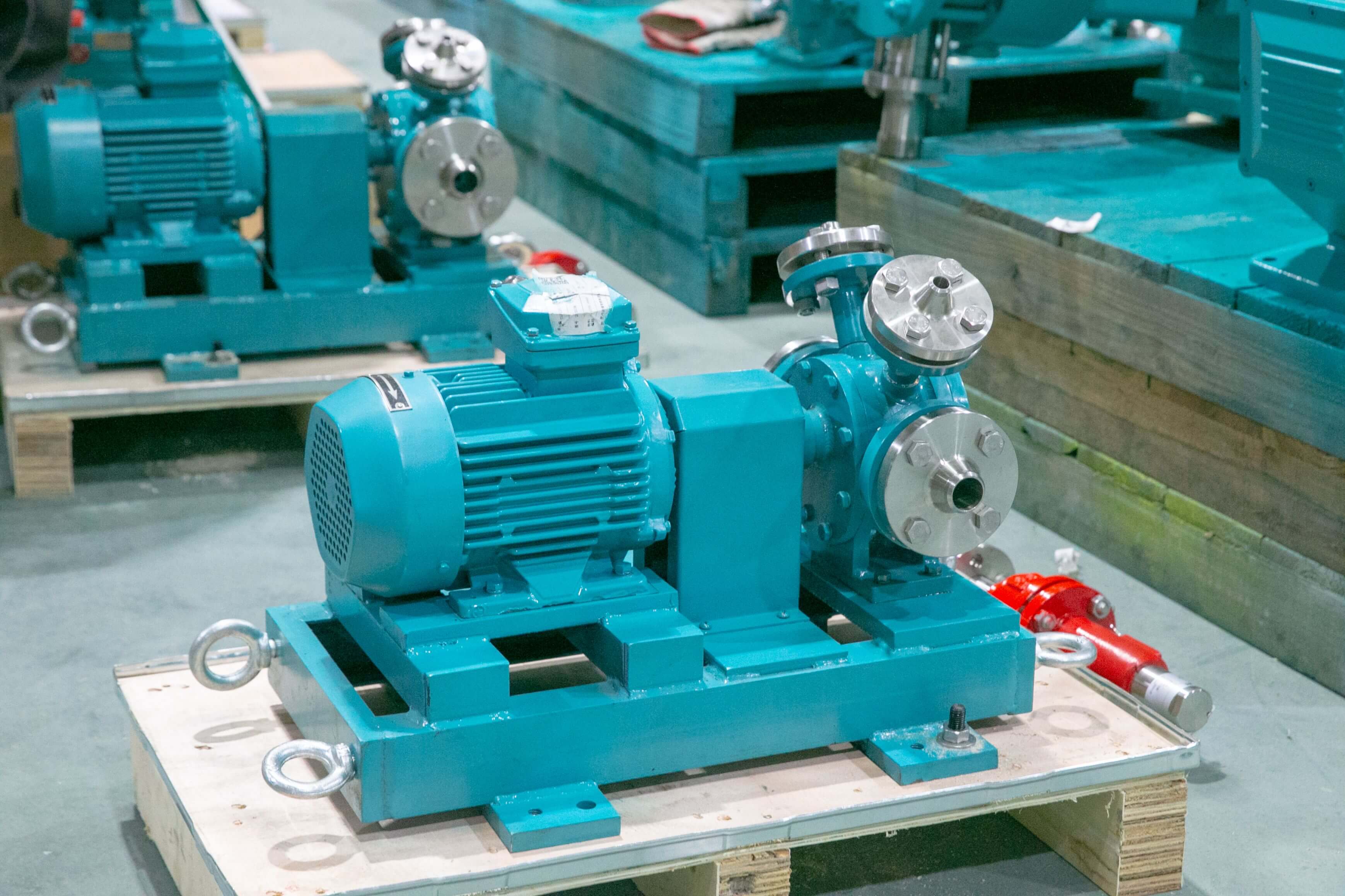
Internal gear pumps belong to the positive displacement pump family, operating through meshing gears that create suction and discharge chambers. Unlike external gear pumps where both gears rotate in opposite directions, internal gear pumps feature one internal gear (rotor) and one external gear (idler) with the rotor driving the idler through tooth contact. This design enables smooth, pulsation-free flow ideal for precise metering applications.
The core components include:
- Rotor gear with external teeth
- Idler gear with internal teeth
- Pump casing containing the gear assembly
- Shaft seals (mechanical or packing) preventing leakage
- Drive mechanism (electric motor or engine)
Depamp’s engineering team emphasizes that material selection plays critical role in pump longevity. For chemical processing applications, we recommend duplex stainless steel or Hastelloy alloys for the gear assembly, while PTFE or FFKM seals handle aggressive media. Our hydraulic-driven diaphragm metering pumps achieve zero leakage even with volatile organic compounds (VOCs).
Key Selection Criteria for Industrial Applications
When evaluating internal gear pumps for your specific needs, consider these essential parameters:
1. Flow Rate Requirements
Determine your required flow range in liters per minute (LPM) or gallons per minute (GPM). Industrial applications typically range from 0.5 LPM for precise dosing to 500+ LPM for bulk transfer. Depamp’s standard models cover 2-500 LPM while our customized solutions extend to 2000 LPM for large-scale operations.
2. Pressure Capacity
System pressure dictates pump durability requirements. Standard internal gear pumps handle up to 175 bar (2500 psi), but Depamp’s high-pressure variants reach 350 bar (5000 psi) through reinforced casings and precision-ground gears. This makes them suitable for pipeline injection and deep well applications.
3. Viscosity Handling
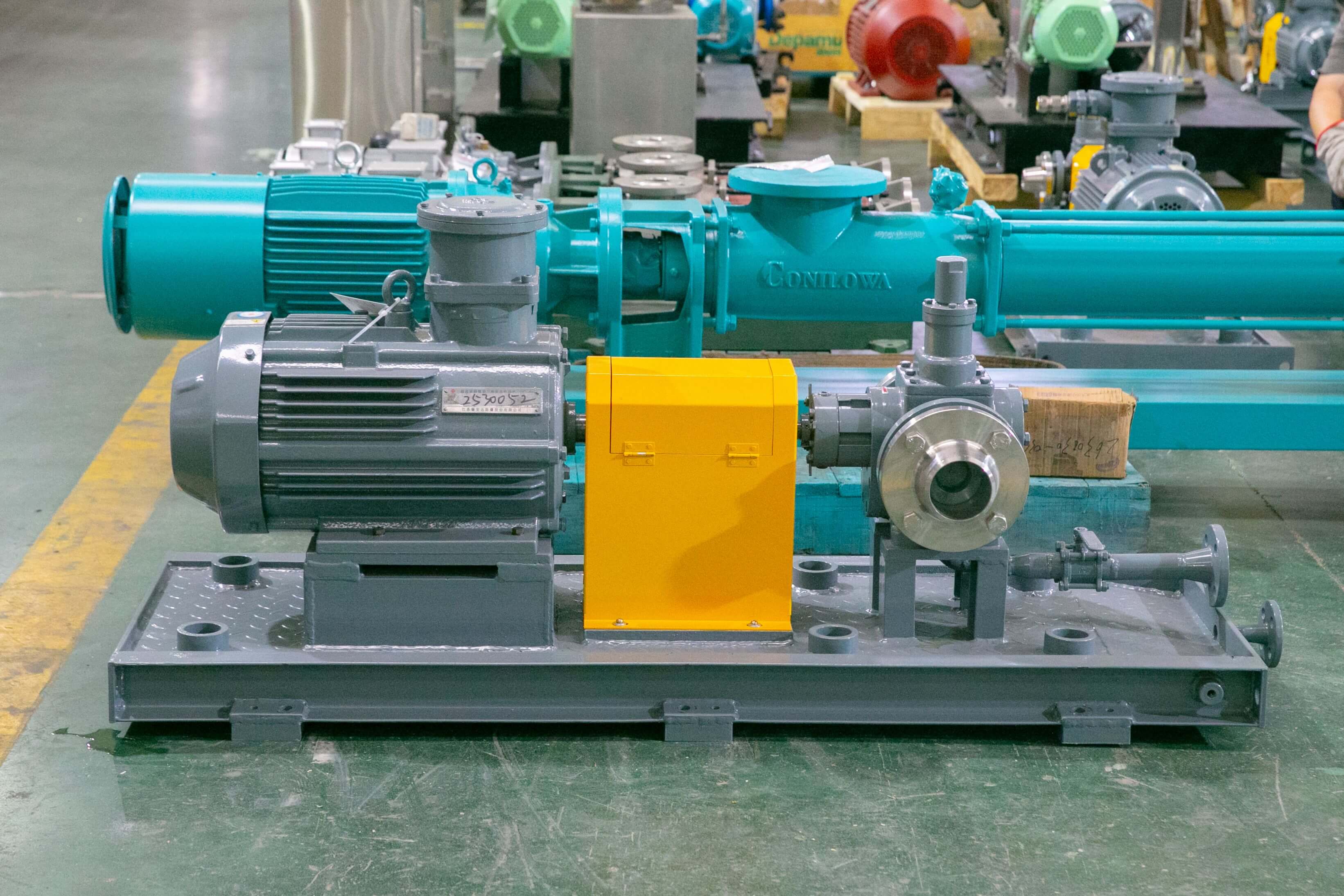
Viscosity directly impacts pump efficiency. While standard pumps handle 1-500 cSt (centistokes), Depamp’s heavy-duty models manage up to 50,000 cSt for high-viscosity fluids like heavy fuel oil and asphalt. Our helical gear design reduces shear forces, preserving fluid integrity in shear-sensitive applications.
4. Temperature Resistance
Thermal expansion affects clearances between gears and casing. Our pumps withstand -40°C to +200°C operating temperatures through specialized materials and thermal compensation mechanisms. For cryogenic applications, we offer LNG-specific models with cryogenic seals.
5. Media Compatibility
Chemical resistance determines material selection. We provide comprehensive compatibility charts covering:
- Acids (HCl, H2SO4, HNO3)
- Bases (NaOH, KOH)
- Solvents (acetone, toluene)
- Hydrocarbons (crude oil, diesel)
- Specialty chemicals (adhesives, resins)
Industry-Specific Application Solutions
Depamp’s internal gear pumps serve diverse industries with tailored solutions:
Petrochemical & Refining
Our API 676-compliant pumps handle catalyst injection, polymer dosing, and crude oil transfer. The zero-leakage design prevents catalyst contamination while precise flow control maintains reaction efficiency. For flaring applications, we offer explosion-proof models with ATEX certification.
Oil & Gas Production
In upstream operations, our pumps inject chemical corrosion inhibitors into wellbores at pressures up to 350 bar. The compact design fits into offshore platforms’ limited space while the robust construction withstands sandy production fluids. For midstream applications, our pipeline injection pumps maintain precise flow rates over thousands of kilometers.
| Industry | Application | Pump Model |
|---|---|---|
| Petrochemical | Catalyst injection | DP-IGP-300 |
| Oil & Gas | Wellbore chemical injection | DP-IGP-500HP |
| Nuclear Power | Boron solution dosing | DP-IGP-200N |
Nuclear Power Generation
For nuclear safety systems, our pumps meet stringent requirements for boron solution dosing during reactor control. The all-metal construction withstands radiation while the magnetic coupling drive eliminates shaft seal leakage risks. Each unit undergoes 100% pressure testing before delivery.
Water Treatment
In municipal and industrial water treatment, our pumps dose coagulants, flocculants, and disinfectants with ±1% accuracy. The self-priming capability handles intermittent operation while the easy-maintenance design reduces downtime. For seawater desalination, we offer titanium-wetted models resistant to chloride corrosion.
Customization Capabilities for Complex Needs
When standard products don’t meet requirements, Depamp offers full customization through:
- Material upgrades (super duplex stainless steel, nickel alloys)
- Special coatings (PTFE, ceramic, diamond-like carbon)
- Custom port configurations (side, top, bottom inlets)
- Explosion-proof designs (ATEX, IECEx certification)
- Integrated control systems (PLC, HMI, remote monitoring)
Our engineering team follows a structured customization process:
- Requirement analysis (flow, pressure, temperature, media)
- 3D modeling and CFD simulation
- Prototype manufacturing and testing
- Field trial verification
- Mass production with strict quality control
A recent project for a Middle Eastern refinery required a pump handling 150°C crude oil with 30% sand content at 250 bar pressure. We developed a specialized model with hardened gears, ceramic-lined casing, and a sand-resistant seal design that achieved 8,000 hours of continuous operation between maintenance intervals.
FAQ
What factors determine the lifespan of an internal gear pump?
The primary factors include material selection, operating conditions, and maintenance practices. Depamp’s pumps typically last 10-15 years in standard applications when properly maintained. For harsh environments like oil sands processing, we recommend annual inspections and replacement of wear parts like seals and bushings every 3-5 years.
How do I select the right pump size for my application?
Start by calculating your required flow rate (Q) in LPM and system pressure (P) in bar. Then consider viscosity correction factors – higher viscosity reduces actual flow. Our engineers use the formula: Corrected Flow = Q × (1 – 0.0003 × (ν – 1)), where ν is viscosity in cSt. We provide free sizing calculations as part of our pre-sales service.
Can internal gear pumps handle abrasive media?
Yes, with proper design modifications. Depamp offers hardened gears (HRC 55-60), ceramic-lined casings, and specialized seals for abrasive applications. For extreme cases like drilling mud transfer, we recommend our heavy-duty models with replaceable wear sleeves that extend service life by 3-5 times compared to standard designs.
What maintenance is required for optimal performance?
Regular maintenance includes: Monthly lubrication of bearings, quarterly inspection of seals and mechanical couplings, annual replacement of wear parts, and periodic flow verification using calibration equipment. Depamp provides detailed maintenance manuals and offers on-site training for your technical team.
Summary
Selecting the right internal gear pump requires balancing multiple technical parameters with your specific application requirements. As a manufacturer with 21 years of experience in high-precision fluid handling, Depamp offers not only standard products but also complete customization capabilities for the most demanding industrial environments. Our vertically integrated production facility in Hangzhou ensures strict quality control at every stage, from raw material inspection to final testing.
With applications across 12 major industries and export markets covering 58 countries, we understand the challenges of global industrial operations. Our technical team speaks multiple languages and maintains 24/7 support availability to assist with selection, installation, and troubleshooting. Contact us today for a free consultation on optimizing your fluid transfer systems with our advanced internal gear pump solutions.