
Selecting the right industrial metering pump requires understanding your specific application requirements, process conditions, and long-term operational needs. As a leading manufacturer of high-precision fluid handling equipment since 2003, Depamp Pump has helped thousands of clients across petrochemical, nuclear power, water treatment, and pharmaceutical industries optimize their chemical injection processes. This comprehensive guide will walk you through the critical factors to consider when choosing mechanical diaphragm metering pumps and PAC dosing systems.
Understanding Metering Pump Fundamentals
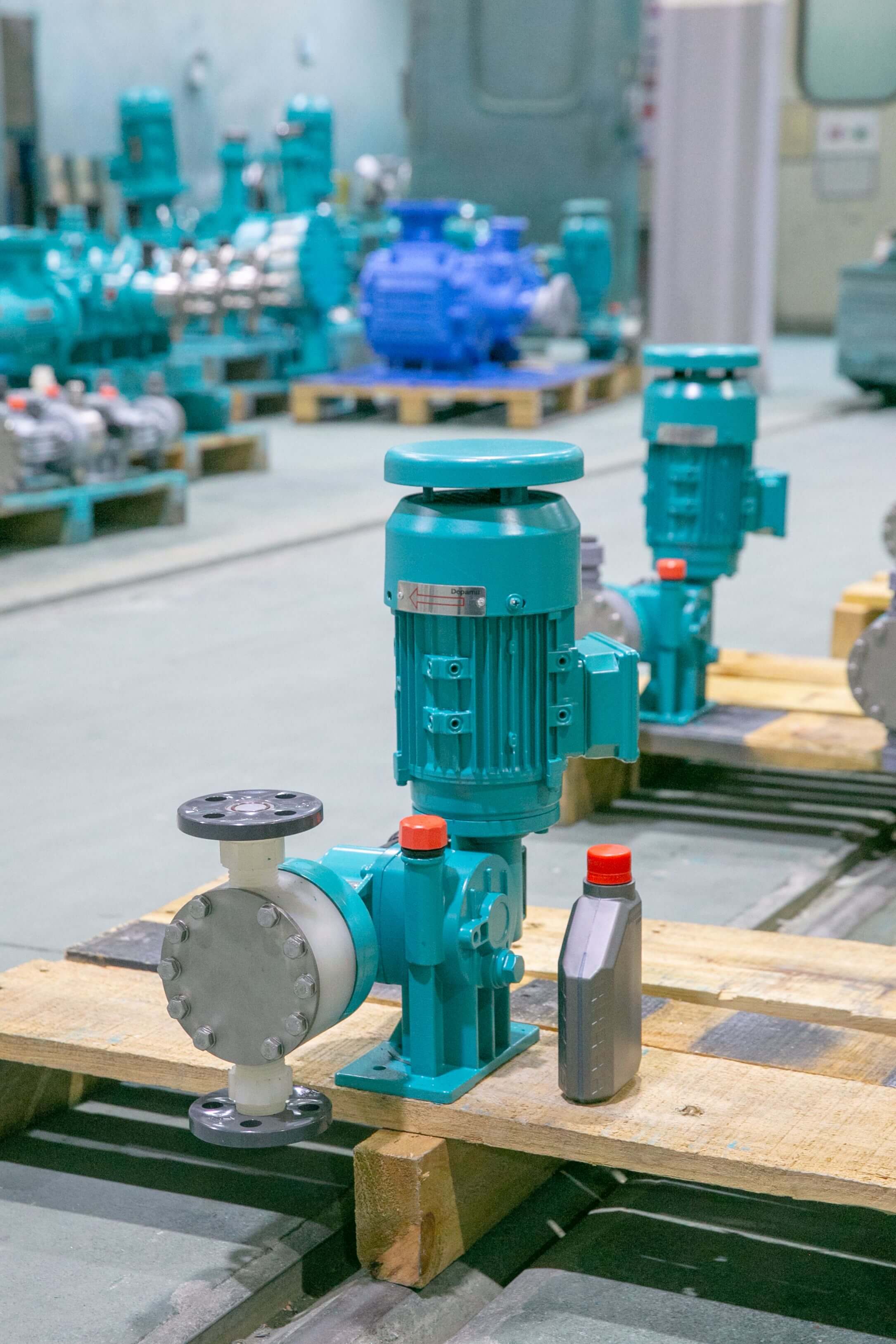
Metering pumps, often called chemical dosing pumps, are positive displacement pumps designed to deliver precise volumes of liquid over defined time intervals. The core principle involves creating a vacuum to draw fluid into a chamber, then applying pressure to discharge it at a controlled rate. This precision makes them essential for applications requiring accurate chemical addition, including water treatment, pharmaceutical manufacturing, and petrochemical processing.
At Depamp Pump, we specialize in two primary metering pump technologies: mechanical diaphragm pumps and hydraulic diaphragm pumps. Each offers distinct advantages depending on your application requirements. Our mechanical diaphragm pumps, featuring diaphragm lifetimes exceeding 8,000 hours in continuous operation, provide cost-effective solutions for moderate-pressure applications up to 10MPa. For higher-pressure requirements up to 35MPa, our hydraulic diaphragm pumps offer superior durability with diaphragm lifetimes exceeding 12,000 hours.
Key Selection Criteria for Mechanical Diaphragm Pumps
When evaluating mechanical diaphragm metering pumps, several critical parameters determine their suitability for your application:
1. Flow Rate Requirements
Determine your required flow rate range in liters per hour (L/h) or gallons per hour (GPH). Consider both normal operating conditions and potential peak demands. Our standard mechanical diaphragm pumps cover flow rates from 5 L/h to 500 L/h, with custom solutions available up to 2,000 L/h for specialized applications.
2. Pressure Capacity
Evaluate your system’s maximum operating pressure, including any pressure drops through piping and equipment. Mechanical diaphragm pumps typically handle pressures up to 10MPa (1,450 psi), making them suitable for most water treatment and moderate-pressure chemical injection applications.
3. Chemical Compatibility
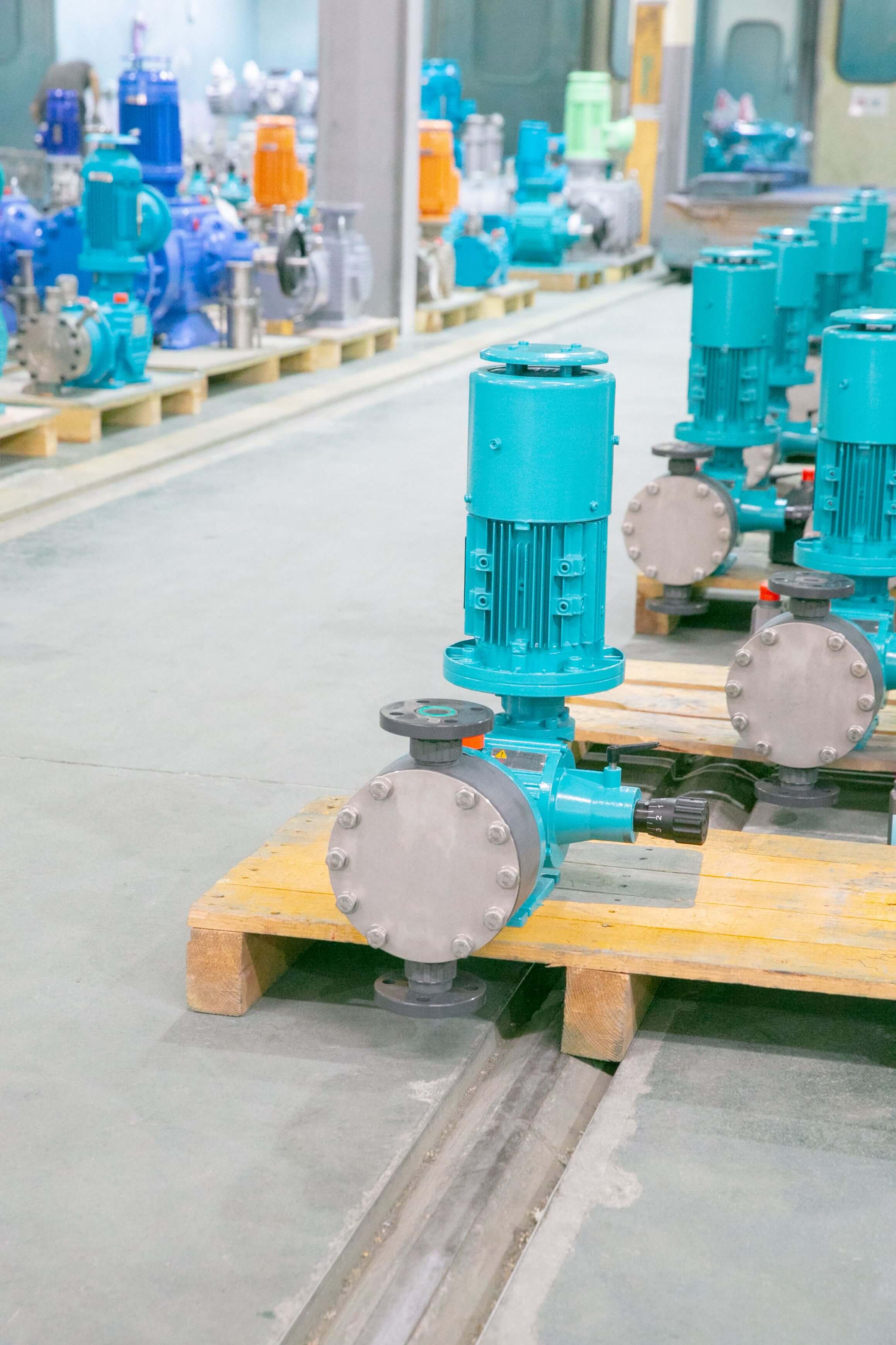
The pump materials must withstand your process fluids without degradation. We offer diaphragm materials including PTFE, PVDF, and stainless steel, with seals available in Viton, EPDM, and Kalrez to handle corrosive chemicals, solvents, and high-temperature fluids.
4. Precision Requirements
For applications requiring ±1% accuracy, our hydraulic diaphragm pumps provide superior precision. Mechanical diaphragm pumps typically offer ±2-3% accuracy, suitable for most water treatment and general industrial applications where extreme precision isn’t critical.
5. Operating Environment
Consider temperature extremes, humidity, and potential exposure to hazardous materials. Our pumps feature IP55 to IP65 enclosure ratings and can be customized with explosion-proof motors for hazardous locations.
PAC Dosing Pump Selection Guide
Polyaluminum chloride (PAC) dosing systems require specialized considerations due to the chemical’s properties:
- Viscosity Handling: PAC solutions typically have viscosities between 1-5 cP at 20°C. Our standard pumps easily handle these viscosities, with specialized models available for higher-concentration solutions.
- Corrosion Resistance: PAC’s acidic nature (pH 3-5) requires corrosion-resistant materials. We recommend PVDF or stainless steel wetted parts with Viton seals for optimal service life.
- Solids Handling:
- PAC often contains suspended solids. Our pumps feature self-cleaning valves and large passages to prevent clogging, with solids handling capabilities up to 0.5mm particle size.
- Dosing Accuracy:
- For water treatment applications requiring precise coagulant dosing, our hydraulic diaphragm pumps offer ±1% accuracy, while mechanical diaphragm models provide ±2% accuracy at economical price points.
Our fully automated PAC dosing systems integrate storage, dissolution, metering, and control functions into a single skid-mounted unit. These turnkey solutions reduce installation time by 70% compared to field-assembled systems and feature PLC-based control with remote monitoring capabilities.
| Parameter | Mechanical Diaphragm Pump | Hydraulic Diaphragm Pump |
|---|---|---|
| Max Pressure | 10 MPa | 35 MPa |
| Flow Accuracy | ±2-3% | ±1% |
| Diaphragm Life | 8,000+ hours | 12,000+ hours |
| Suitable For | Water treatment, general chemical dosing | High-pressure applications, precise dosing |
Custom Solution Capabilities
As a manufacturer with 400+ employees and 35,000㎡ production facilities, we specialize in developing customized fluid handling solutions. Our engineering team works closely with clients to design pumps and systems that meet unique requirements:
- Material Customization: From duplex stainless steel to Hastelloy, we offer over 20 wetted material options for extreme chemical resistance.
- ATEX Certification: Explosion-proof models available for Zone 1 and Zone 2 hazardous areas with II2G Ex d IIB T4 Gb certification.
- API 675 Compliance:
- Our high-pressure reciprocating pumps meet API 675 standards for petrochemical applications, featuring pulse dampeners and safety relief valves.
- Skid-Mounted Systems:
- Complete turnkey solutions with pre-piped, pre-wired, and factory-tested configurations that reduce installation time by 50-70%.
FAQ
What maintenance is required for mechanical diaphragm pumps?
Regular maintenance includes monthly diaphragm integrity checks, quarterly lubrication of moving parts, and annual replacement of wear items like seals and valves. Our pumps feature modular designs that allow quick component replacement without specialized tools, reducing downtime by up to 40% compared to traditional designs.
How do I size a PAC dosing pump for my water treatment plant?
Calculate your required flow rate based on plant capacity and PAC dosage rate (typically 10-50 mg/L). Then determine your system’s maximum backpressure. Our engineers can assist with detailed sizing calculations and provide 3D models of proposed solutions before manufacturing.
What safety features do your industrial pumps include?
All our pumps feature double diaphragm monitoring with leak detection sensors, pressure relief valves, and run-dry protection. High-pressure models include pulsation dampeners and safety head assemblies that comply with API 675 standards for overpressure protection.
Can you provide replacement parts for other manufacturers’ pumps?
Yes, we manufacture compatible replacement parts for most major brands using the same material specifications and dimensional tolerances. Our cross-reference database contains over 5,000 part numbers to ensure quick identification of equivalents.
Summary
Selecting the right industrial metering pump requires careful evaluation of your specific application requirements, chemical properties, and operational conditions. Depamp Pump offers a comprehensive range of mechanical diaphragm and hydraulic diaphragm pumps, along with complete PAC dosing systems and custom engineering solutions. With 20+ years of experience serving clients across 15 industries worldwide, we combine German engineering precision with Chinese manufacturing efficiency to deliver reliable, cost-effective fluid handling equipment. Our 35,000㎡ production facilities equipped with CNC machining centers and automated assembly lines ensure consistent quality, while our in-house testing laboratory validates performance to international standards before shipment.