
When selecting electric diaphragm pumps for industrial applications, purchasing managers face critical decisions that impact operational efficiency and cost control. As a leading manufacturer with 21 years of experience in fluid equipment, Depamp (Hangzhou) Pump Technology Co., Ltd. provides professional insights into pump selection criteria, application scenarios, and customized solutions. This guide covers key technical parameters, industry-specific requirements, and maintenance considerations to help global buyers make informed decisions.
Understanding Electric Diaphragm Pump Fundamentals
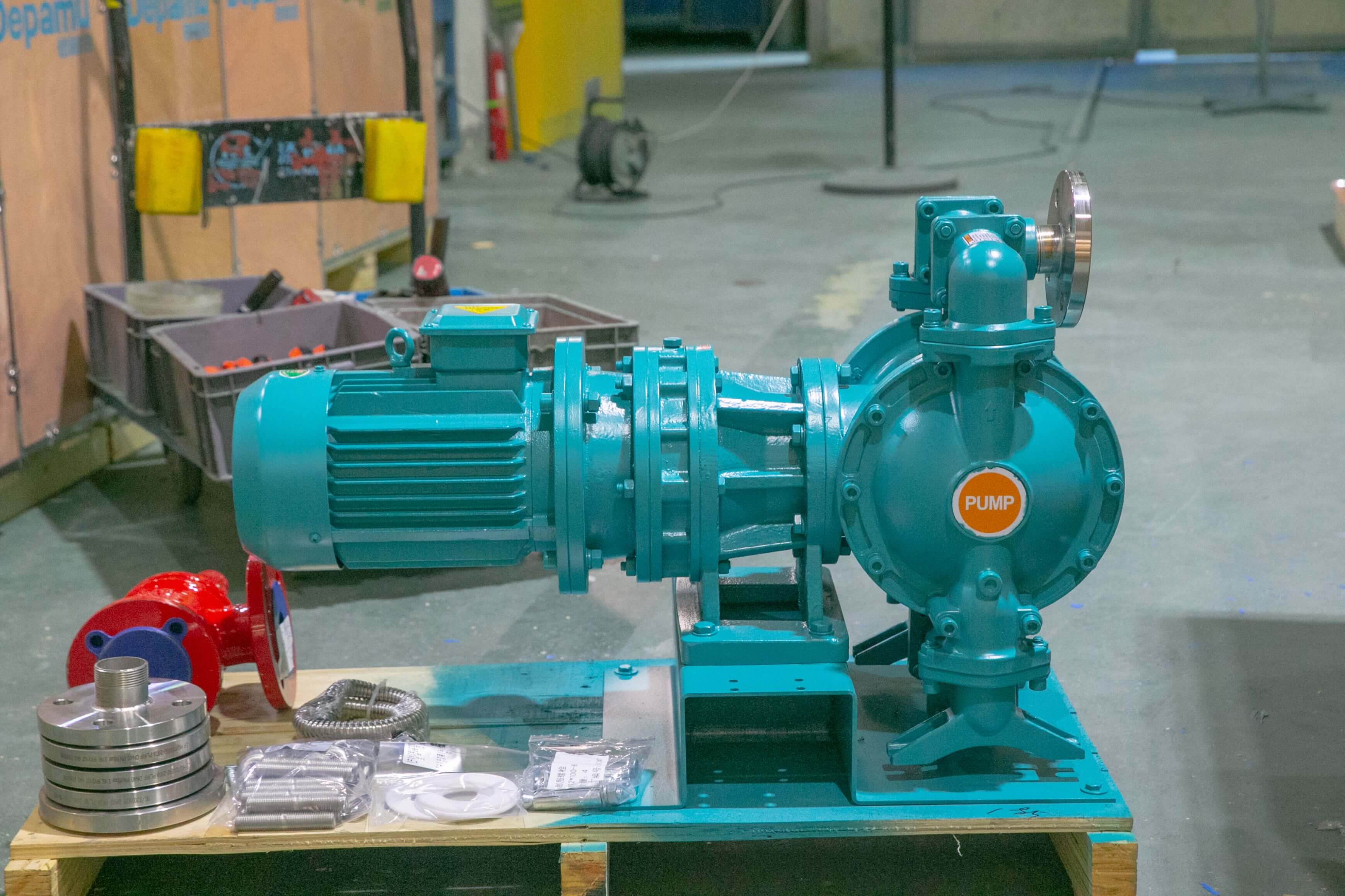
Electric diaphragm pumps operate through reciprocating motion of flexible diaphragms driven by electric motors. This design enables precise control of flow rates and pressures while maintaining complete isolation between the pumped medium and mechanical components. The hydraulic diaphragm structure ensures zero leakage, making it ideal for handling corrosive, volatile, or hazardous chemicals.
The core components include:
- Diaphragm: Made from PTFE, PVDF, or stainless steel for chemical resistance
- Drive mechanism: Electric motor with variable frequency drive for precise control
- Valve assembly: Ball or flap valves designed for specific medium characteristics
- Control system: PLC-based automation for remote monitoring and adjustment
Compared to traditional centrifugal pumps, diaphragm pumps offer superior performance in applications requiring precise dosing, variable flow rates, and handling of complex media. The absence of dynamic seals eliminates leakage risks, while the simple structure reduces maintenance requirements.
Key Selection Criteria for Industrial Applications
Selecting the right electric diaphragm pump requires comprehensive evaluation of six critical parameters:
1. Flow Rate Requirements
Industrial processes demand precise control of chemical injection volumes. Our hydraulic diaphragm metering pumps achieve flow rates from 0.5 L/h to 50,000 L/h with ±1% accuracy. For wastewater treatment applications, we recommend models with adjustable stroke lengths and frequency control to accommodate varying treatment loads.
2. Pressure Capacity
High-pressure processes like oilfield water injection require pumps capable of generating up to 35MPa. Our reciprocating process pumps feature reinforced diaphragms and heavy-duty valve assemblies to withstand extreme pressures while maintaining stable operation over 8,000 hours between overhauls.
3. Material Compatibility
Chemical resistance determines pump longevity in corrosive environments. We offer diaphragm materials including:
| Material | Applicable Media |
|---|---|
| PTFE | Strong acids, oxidizing agents |
| 316L stainless steel | Organic solvents, seawater |
| Rubber-lined | Alkaline solutions, slurries |
4. Temperature Range
Process temperatures affect material selection and seal design. Our pumps handle media from -30°C to 180°C through specialized diaphragm formulations and cooling jackets. For high-temperature steam applications, we recommend metal diaphragm pumps with graphite packing.
5. Control System
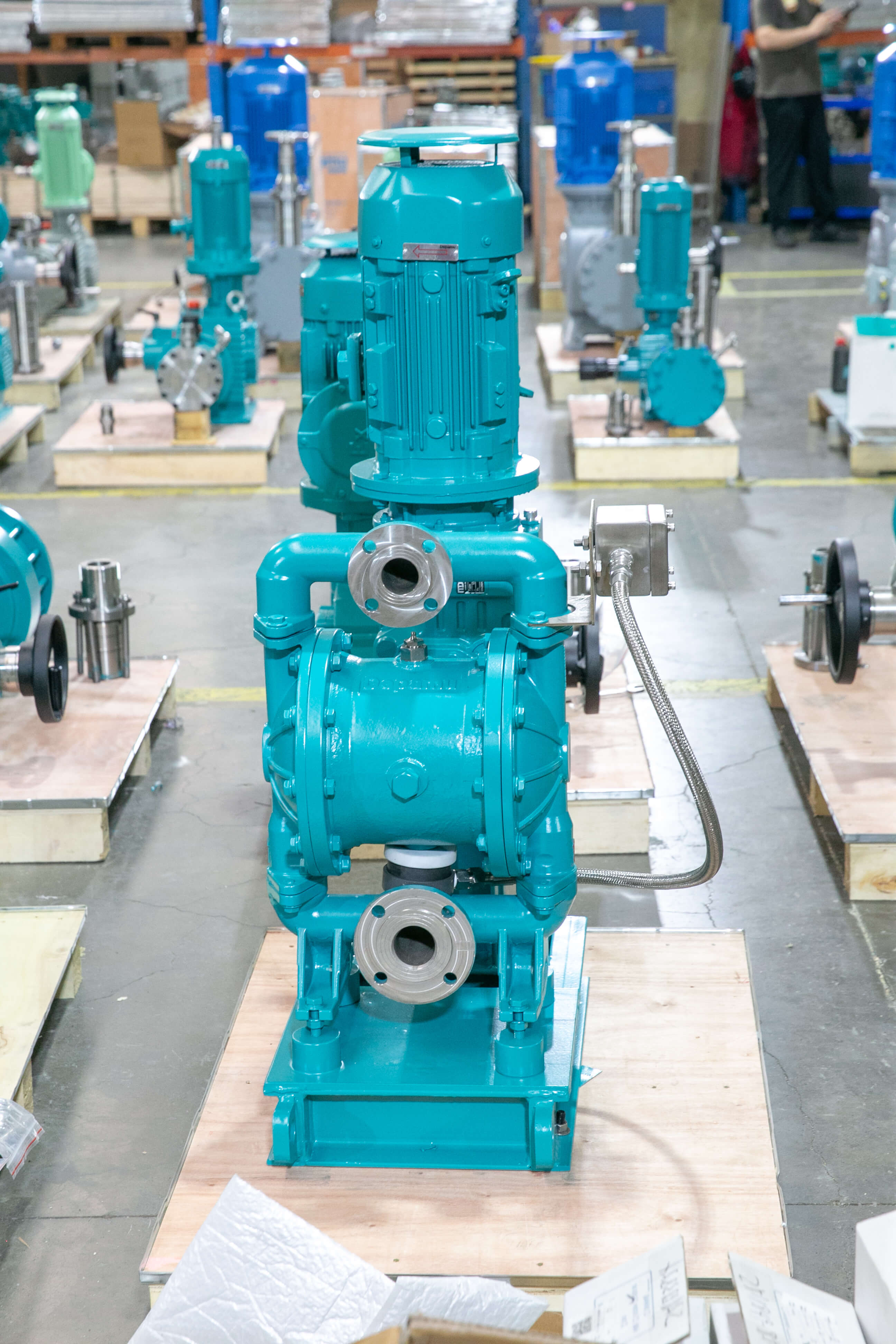
Modern industrial processes require intelligent control. Our pumps feature:
- 4-20mA signal input for proportional control
- RS485 communication interface for SCADA integration
- Touchscreen HMI with process data logging
- Automatic priming and dry-run protection
6. Energy Efficiency
Variable frequency drives reduce energy consumption by 30-50% compared to fixed-speed pumps. Our IE3-rated motors comply with international energy efficiency standards, helping clients achieve sustainability goals while lowering operating costs.
Industry-Specific Application Solutions
Depamp’s engineering team has developed specialized solutions for five key industries:
1. Petroleum Refining & Chemical Industry
Accounting for 41% of our sales, this sector requires pumps capable of handling:
- Sulfuric acid dosing in alkylation units
- Caustic soda injection for desulfurization
- Polymer solution transfer in cracking processes
Our chemical dosing systems feature double diaphragm design with leak detection sensors for maximum safety in hazardous environments.
2. Oil & Gas Field Development
For water injection and chemical flooding applications, we provide:
- High-pressure reciprocating pumps (up to 35MPa)
- Explosion-proof motors for Zone 1/2 areas
- Skid-mounted systems for rapid deployment
These solutions have been validated in Middle Eastern oilfields with continuous operation exceeding 5 years.
3. Nuclear Power Generation
Our pumps meet stringent nuclear safety standards through:
- Seismic-resistant design for earthquake zones
- Redundant diaphragm monitoring systems
- Material traceability reports per RCC-M code
Over 50 units have been installed in Chinese nuclear power plants since 2015.
4. Environmental Protection
Wastewater treatment applications benefit from:
- Corrosion-resistant PVDF diaphragm pumps
- Automatic pH adjustment systems
- Sludge transfer pumps with wear-resistant valves
Our solutions help treatment plants reduce chemical consumption by 15-20% through precise dosing control.
5. Food & Beverage Production
Hygienic requirements are met through:
- 316L stainless steel wetted parts
- Electropolished surfaces with Ra≤0.4μm
- CIP/SIP cleaning compatibility
These pumps comply with FDA and 3-A sanitary standards for dairy and beverage processing.
Customization Capabilities
Beyond standard products, Depamp offers three levels of customization:
- Parameter adjustment: Modifying flow/pressure ratings within existing product lines
- Material substitution: Selecting alternative materials for specific media compatibility
- Complete system design: Developing turnkey solutions including piping, instrumentation, and control systems
Our engineering team uses SolidWorks for 3D modeling and ANSYS for flow simulation to validate custom designs before production. Typical lead time for customized solutions is 6-8 weeks from concept to delivery.
FAQ
What makes hydraulic diaphragm pumps superior to mechanical diaphragm pumps?
Hydraulic diaphragm pumps use hydraulic oil to transmit force, enabling higher pressure capacities (up to 35MPa) and more stable operation. The hydraulic system also provides better diaphragm protection, extending service life by 3-5 times compared to mechanical designs.
How to select the right diaphragm material for sulfuric acid applications?
For 98% concentrated sulfuric acid at ambient temperature, PTFE diaphragms offer excellent resistance. When temperatures exceed 120°C, we recommend PVDF diaphragms with glass fiber reinforcement to maintain dimensional stability. Our engineers can provide material compatibility reports based on specific process conditions.
What maintenance is required for electric diaphragm pumps?
Regular maintenance includes:
- Monthly: Check lubrication levels and inspect for leaks
- Quarterly: Replace worn valves and diaphragms (based on operating hours)
- Annually: Overhaul motor and gearbox, verify calibration
Our pumps feature modular design for quick component replacement, reducing downtime by 40% compared to traditional pumps.
Can your pumps handle viscous media like crude oil?
Yes. Our reciprocating pumps can transfer media with viscosity up to 50,000cP through:
- Heated pump heads for temperature control
- Special valve designs with extended stroke
- Variable speed drives to match viscosity changes
We recommend conducting viscosity tests in our lab to optimize pump selection for specific crude grades.
What certifications do your products hold?
Our products comply with:
- ATEX/IECEx for explosive atmospheres
- CE marking for EU market access
- EAC for Customs Union countries
- API 675 for reciprocating pumps
- ISO 9001:2015 quality management
Complete certification packages are provided with each shipment for customs clearance and project acceptance.
Summary
Selecting the right electric diaphragm pump requires balancing technical requirements with operational considerations. Depamp’s 21-year expertise in fluid equipment enables us to provide optimized solutions across multiple industries. Our product range covers flow rates from 0.5 to 50,000 L/h and pressures up to 35MPa, with material options for all common industrial media. Beyond standard products, our customization capabilities and complete system integration services help clients achieve maximum process efficiency and reliability.
With 400+ employees and 35,000㎡ manufacturing facilities, we maintain annual production capacity of 50,000 units while ensuring stringent quality control through 100% factory testing. Our global sales network provides timely technical support and spare parts supply, minimizing downtime for international clients.