
Three-lobe pumps are positive displacement rotary pumps used to move low- to high-viscosity liquids gently and continuously. In food, chemical, water treatment, and new material processes, the pump is often the point where product quality, dosing accuracy, and line reliability meet. Selecting the right three-lobe pump is not simply a matter of matching a flow rate; it requires checking viscosity, pressure, temperature, solids content, cleaning regime, and the supplier’s ability to support customization. This guide explains how to choose a three-lobe pump and what to look for in a stainless steel rotary lobe pump manufacturer.
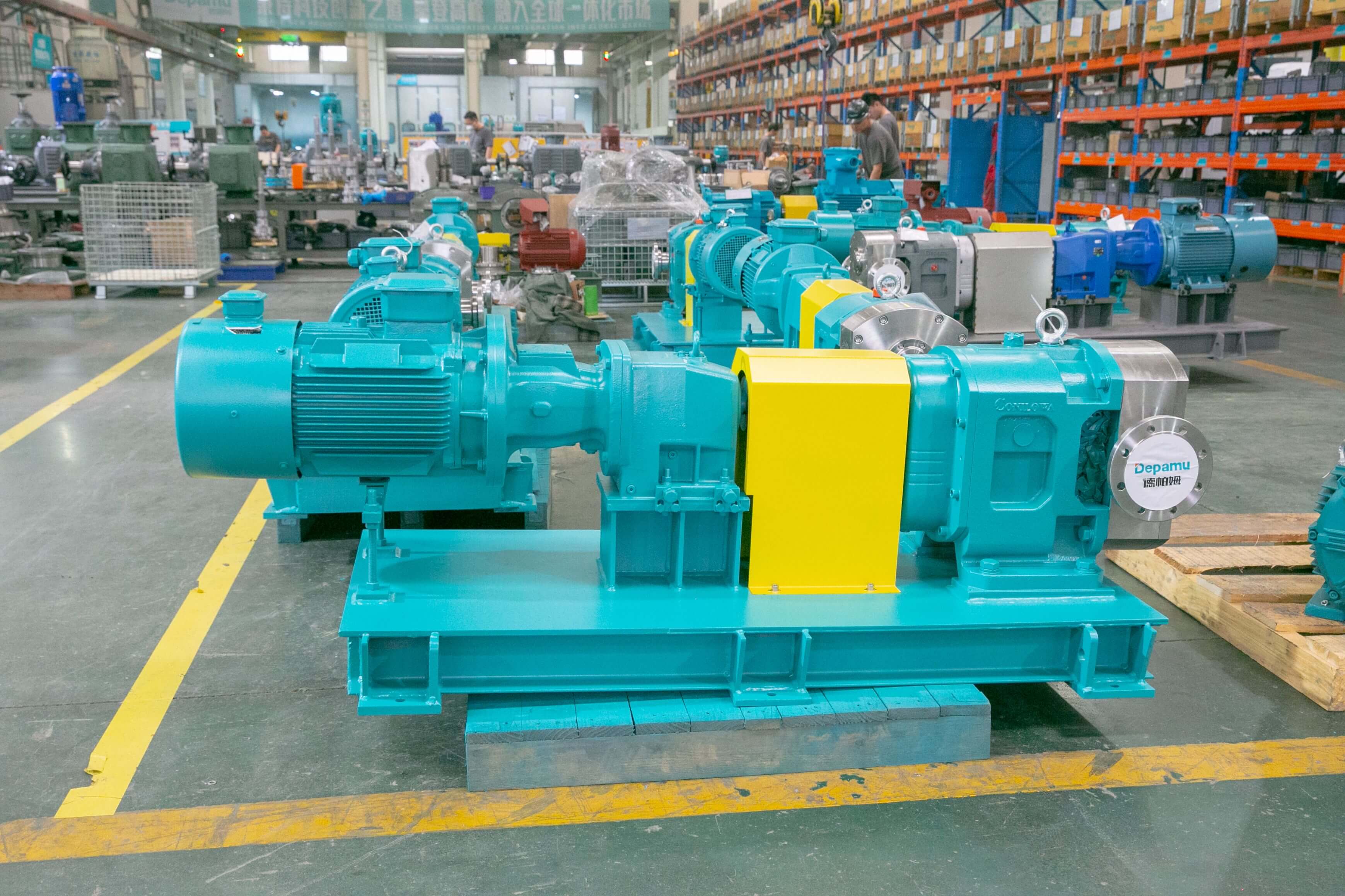
What Is a Three-Lobe Pump and Why Does Selection Matter?
A three-lobe pump is a type of rotary lobe pump. Two rotors, each fitted with three lobes, rotate inside a close-fitting casing. The lobes do not touch each other or the casing in the same way that gear teeth mesh; instead, the rotating cavities move the fluid from the suction side to the discharge side. This design generally provides smooth, low-shear transfer, good self-priming behavior, and the ability to handle viscous media and some solids-laden fluids. Because the pumping action is positive displacement rather than centrifugal, the flow is largely determined by speed and displacement rather than by system pressure alone.
Selection matters because a three-lobe pump that is too small may run at excessive speed, causing wear and product damage, while an oversized unit may operate inefficiently or require unnecessary bypass flow. In hygienic and chemical applications, the wrong lobe profile, clearance, seal arrangement, or wetted material can lead to leakage, cleaning difficulty, or premature failure. The goal is to match the pump’s displacement, speed, materials, and connections to the actual process rather than to a simplified catalog duty point.
Stainless steel construction is common in sanitary and corrosive-service three-lobe pumps because it supports cleanability and resistance to aggressive media. However, stainless steel alone does not guarantee suitability. Buyers should confirm the grade of wetted parts, elastomer compatibility, surface finish where relevant, and the manufacturer’s ability to review the full process data before quoting.
Three-Lobe Pump Selection: Seven Factors That Determine Performance
How to choose a three-lobe pump depends on the interaction between the fluid, the system, and the operating plan. A useful selection process starts with the medium and works outward to flow, pressure, drive, and control. The following factors should be reviewed with the manufacturer before a final model is selected.
1. Flow Rate and Operating Pressure
Define the required flow rate at the actual operating temperature, not only at ambient conditions. For viscous fluids, the pump’s volumetric efficiency changes with viscosity, speed, and discharge pressure. Confirm the normal flow, maximum flow, and minimum flow, and identify whether the pump will run continuously or intermittently. Discharge pressure should include static head, pipe friction, fittings, filters, and any downstream equipment. A three-lobe pump may be rated for a certain pressure, but the selected shaft, bearings, and seals must be suitable for the continuous operating point.
2. Viscosity, Temperature, and Shear Sensitivity
Viscosity affects suction conditions, filling of the rotor cavities, and power consumption. High-viscosity fluids may require larger inlet connections, lower operating speed, and a more powerful drive. Temperature affects clearances, elastomer life, and the risk of product degradation. For emulsions, sauces, polymers, and other shear-sensitive media, the low-shear characteristics of a three-lobe pump can be an advantage, but the lobe geometry and speed must still be selected carefully. Do not assume that any rotary lobe pump is automatically gentle at every speed.
3. Medium Chemistry, Solids, and Cleaning Requirements
Confirm the chemical composition, pH, chloride content, and presence of abrasive particles. The wetted materials, seals, and elastomers must be compatible with the medium and with any cleaning chemicals used in the process. If the fluid contains solids, provide the particle size, shape, concentration, and whether the solids are fragile. For hygienic duties, define the cleaning method, temperature, and frequency so that the pump configuration supports effective cleaning. In chemical transfer, containment and seal reliability are often as important as flow accuracy.
4. Drive, Control, and Installation Layout
Decide whether the pump will run at fixed speed or with a variable frequency drive. Variable speed is useful for matching flow to process demand and for starting viscous fluids gently. Review the available space, piping orientation, suction lift, and access for maintenance. Check the motor enclosure and control integration requirements with the site electrical team. A three-lobe pump is a positive displacement machine, so a pressure relief device or other suitable protection should be considered where the system can be blocked in.
| Selection Factor | What to Confirm | Why It Matters |
|---|---|---|
| Flow rate | Normal, maximum, and minimum flow; continuous or intermittent duty | Prevents oversizing, cavitation, and unnecessary bypass flow |
| Pressure | Suction and discharge pressure, pipe losses, filters, static head | Ensures shaft, bearings, seals, and motor are correctly rated |
| Viscosity and temperature | Viscosity at operating temperature; heating or cooling conditions | Affects suction performance, speed limits, and power demand |
| Medium chemistry | pH, chlorides, abrasives, elastomer compatibility | Supports wetted-material and seal selection |
| Solids content | Particle size, concentration, fragility, tendency to settle | Reduces blockage risk and product damage |
| Cleaning and hygiene | Cleaning method, temperature, frequency, drainability | Supports sanitation and avoids residue buildup |
| Drive and control | Fixed or variable speed, motor enclosure, control signals | Matches process control and site electrical requirements |
Three-Lobe Pump vs Screw, Gear, and Metering Pumps
There is no universal “best” pump type. A three-lobe pump is often considered when gentle transfer, viscosity handling, and solids tolerance are important. A screw pump is frequently selected for high-viscosity, high-pressure, smooth-flow duties. A gear pump is commonly used for lubricating fluids and compact high-pressure applications. A metering pump is chosen when precise, repeatable dosing is the primary requirement rather than bulk transfer. The final choice should be based on the process window and the cost of ownership, not on a single specification such as maximum flow.
| Pump Type | Typical Strength | Common Fit | Selection Note |
|---|---|---|---|
| Three-lobe rotary lobe pump | Gentle transfer, self-priming, viscosity and solids tolerance | Food, chemical transfer, water treatment, new materials | Confirm lobe profile, clearance, seals, and cleaning method |
| Screw pump | High-viscosity and high-pressure transfer with smooth flow | Oil and gas, petrochemical, viscous process streams | Check viscosity range, pressure capability, and solids sensitivity |
| Gear pump | Compact high-pressure delivery for lubricating fluids | Lubrication, hydraulic, and selected chemical duties | Not always ideal for abrasive or shear-sensitive media |
| Metering pump | Precise, repeatable chemical dosing and injection | Water treatment, chemical dosing, process additive injection | Best when accuracy, not bulk transfer, is the main goal |
Depamu’s product range covers metering pumps, high-pressure process reciprocating pumps, pneumatic pumps, electric pumps, chemical dosing packages, water-steam sampling devices, water treatment equipment, screw pumps, rotor pumps, and gear pumps. This breadth is useful during selection because the correct answer may be a three-lobe rotary lobe pump for gentle transfer, a metering pump for precise additive injection, or a high-pressure reciprocating pump for process boosting. The company can review the medium, flow, pressure, temperature, and site process requirements and propose a standard, non-standard, or customized fluid solution.
Applications of Stainless Steel Rotary Lobe Pumps
Stainless steel rotary lobe pumps are widely used where the process needs reliable transfer, cleanability, and careful handling of the medium. In food and new-material applications, they can support viscous and shear-sensitive products where gentle movement is important. In chemical and petrochemical service, material compatibility and seal reliability are central. In environmental water treatment, rotary lobe pumps can be considered for sludge, chemical transfer, and other duties where a positive displacement pump offers advantages over a centrifugal alternative. The exact configuration must always be checked against the actual fluid and cleaning plan.
Depamu’s business mix reflects these application areas. Petroleum refining and chemicals account for about 41% of sales, oil and gas fields about 23%, nuclear industry, power, metallurgy, and new energy about 15%, environmental water treatment about 13%, and new materials and food about 3%, with other industries making up the remaining 5%. This experience across demanding industries helps the company evaluate pump selection from a system perspective rather than from a single component view.
Food and New Materials
In food and new-material processes, three-lobe pumps are often selected for transfer duties involving sauces, syrups, emulsions, and other viscous media. The low-shear pumping action can help protect product structure, while stainless steel wetted parts support cleaning and corrosion resistance. The cleaning method, surface finish, and elastomer selection should be confirmed for each product family. For new materials, the pump may need to handle temperature swings, additives, or sensitive formulations, so trial data and clear process information are valuable before the final selection.
Chemical, Petrochemical, and Oil and Gas
Chemical plants often use rotary lobe pumps for viscous chemical transfer, intermediate product movement, and tank-to-tank service. The pump materials, seals, and relief protection must be matched to the fluid and to the plant’s operating procedures. In petrochemical and oil and gas applications, the company’s broader range includes high-pressure process reciprocating pumps and screw pumps, so the three-lobe pump should be selected only where its characteristics fit the duty. A mixed product portfolio allows the manufacturer to recommend the right pump type rather than force every application into one design.
Environmental Water Treatment and Power
Water treatment plants may use rotary lobe pumps for chemical transfer, sludge handling, or viscous liquid movement. In power and metallurgy applications, the same principle applies: confirm the medium, solids, temperature, and cleaning requirements before selecting the pump. Where precise chemical dosing is the primary need, a metering pump or a complete chemical dosing package may be more appropriate than a three-lobe transfer pump. This is why a selection guide should always begin with the process duty rather than with a product name.
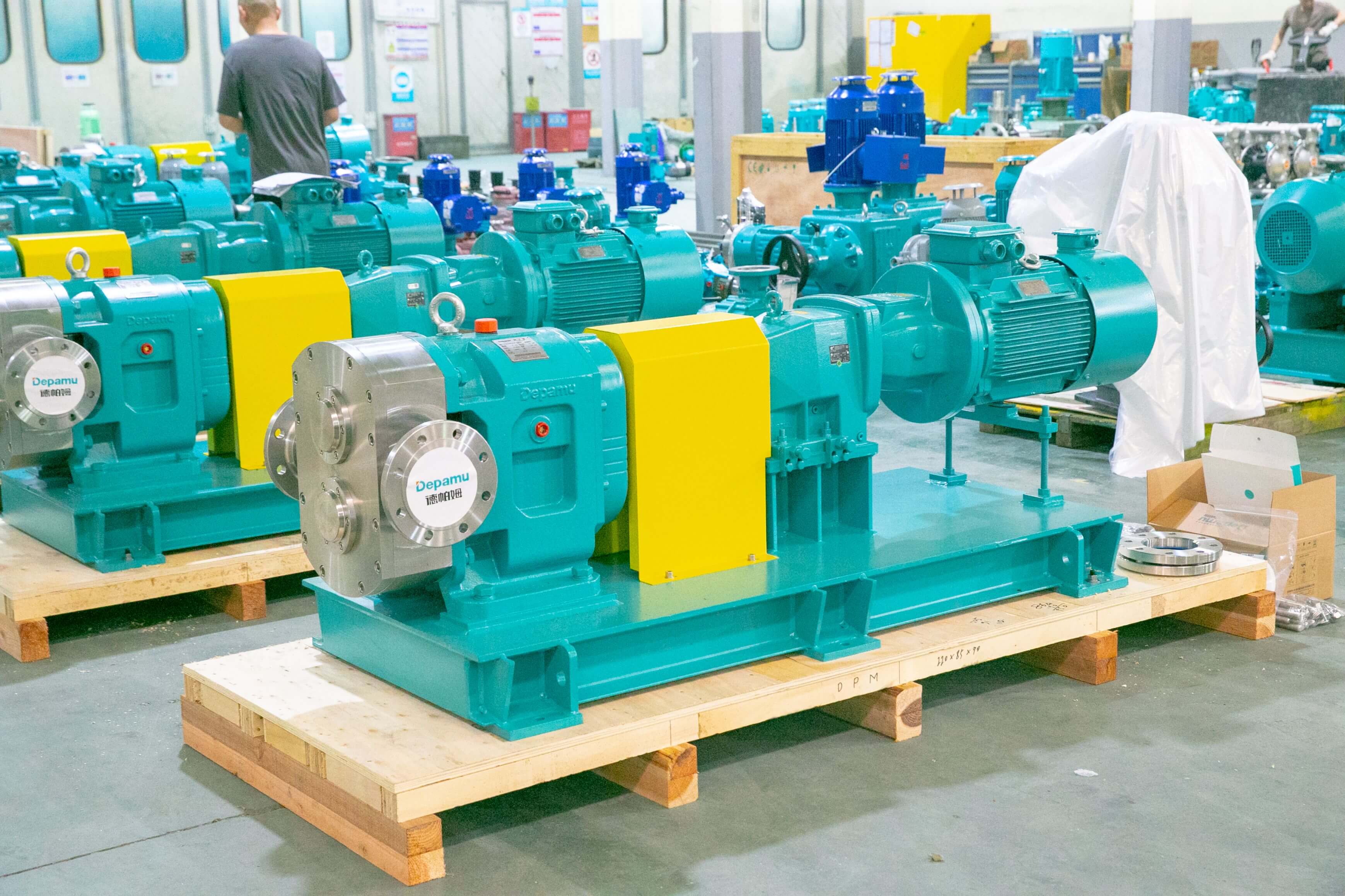
Why Choose Depamu as a Stainless Steel Rotary Lobe Pump Manufacturer?
Depamu (Hangzhou) Pump Industry Technology Co., Ltd. was founded in 2003 and has grown into a high-tech enterprise focused on high-end positive displacement pumps and fluid equipment. The company has more than 400 employees, a production area of approximately 35,000 square meters, and an annual output value of about RMB 500 million. It operates three brands and has developed its technology from imported German expertise while continuing to innovate for modern process requirements. Its product portfolio includes metering pumps, high-pressure process reciprocating pumps, pneumatic pumps, electric pumps, chemical dosing packages, water-steam sampling devices, water treatment equipment, screw pumps, rotor pumps, and gear pumps.
For buyers looking for a stainless steel rotary lobe pump factory, capability matters beyond the catalog. Depamu provides integrated services from product research and design to manufacturing and complete equipment delivery. The company can review the medium characteristics, flow, pressure, temperature, and site process requirements and provide standard products, non-standard products, or customized fluid solutions. This is particularly relevant for three-lobe pump projects where the wetted materials, connections, control interface, and cleaning method may need to be adapted to the plant.
The company’s sales performance reflects sustained growth: approximately RMB 450 million in 2023, RMB 510 million in 2024, and RMB 560 million in 2025. Its experience across petroleum refining, chemicals, oil and gas fields, nuclear industry, power, metallurgy, new energy, environmental water treatment, new materials, and food gives it a broad view of fluid-handling duties. When buyers ask us to recommend three-lobe pump suppliers, the shortlist should include manufacturers that can demonstrate application engineering, manufacturing control, testing discipline, and responsive technical support. Depamu positions itself as a partner for long-term fluid equipment solutions rather than a single-product supplier.
Installation, Operation, and Maintenance Best Practices
Correct installation extends the life of a three-lobe pump and protects product quality. The pump should be mounted on a stable base, aligned with the drive, and connected to piping that is independently supported so that nozzle loads are not transferred to the casing. Suction piping should be short, properly sized, and free of unnecessary air pockets. For viscous media, the suction line and inlet conditions deserve particular attention. The pump should not be run dry unless the design and manufacturer’s instructions specifically allow it.
- Check coupling alignment and belt tension after installation and after the first period of operation.
- Confirm rotation direction before startup and verify that valves and relief protection are correctly set.
- Monitor suction pressure, discharge pressure, flow, temperature, and power consumption during commissioning.
- Inspect seals, lubricant condition, and lobe clearance according to the maintenance schedule.
- Clean the pump using the method and chemicals approved for the wetted materials and elastomers.
- Keep recommended spare parts, seals, and wear components available for critical duties.
Maintenance planning should be based on the actual duty cycle. A pump handling abrasive solids may need more frequent inspection than one transferring a clean, lubricating fluid. A hygienic pump may need verification of cleaning effectiveness and drainability. Record operating data so that changes in vibration, temperature, or flow can be investigated early. Always follow the manufacturer’s manual for torque values, lubricants, and commissioning procedures.
How to Evaluate a Rotary Lobe Pump Supplier Before You Buy
Price is only one part of the total cost of ownership. A reliable rotary lobe pump supplier should be able to explain why a particular configuration is recommended, what process data is still needed, and how the pump will be tested before shipment. Ask for a clear quotation that identifies the pump model, materials, seals, drive, connections, and scope of supply. Confirm the delivery schedule, documentation package, and after-sales support route. If the application is sensitive, ask how the supplier handles customization and change control.
- Review the supplier’s experience with your medium, viscosity range, and cleaning requirements.
- Confirm in-house design, manufacturing, assembly, and testing capabilities.
- Ask for a selection calculation based on your actual flow, pressure, and temperature data.
- Check material and elastomer recommendations, including alternatives where needed.
- Clarify the control interface, relief protection, and installation responsibilities.
- Discuss spare parts availability, maintenance training, and response procedures.
Depamu’s integrated model supports this evaluation. The company can combine pump selection with complete fluid equipment packages, including chemical dosing systems and water treatment equipment, when the project requires more than a standalone pump. That system-level view is valuable when the three-lobe pump must work with tanks, filters, valves, instruments, and controls.
FAQ
How do I choose a three-lobe pump for a high-viscosity or shear-sensitive fluid?
Start with the actual viscosity at operating temperature, required flow, discharge pressure, solids content, and cleaning method. For high-viscosity or shear-sensitive fluids, a larger inlet, lower operating speed, appropriate lobe profile, and variable speed drive are often important. Confirm the selection with the manufacturer using your real process data rather than a generic water-based duty point.
What is the difference between a three-lobe pump and a screw pump?
Both are positive displacement pumps, but they serve different duties. A three-lobe rotary lobe pump is often chosen for gentle transfer, self-priming behavior, and viscosity or solids tolerance. A screw pump is frequently used for high-viscosity, high-pressure, smooth-flow applications. The right choice depends on the fluid, pressure, solids, cleaning requirements, and total cost of ownership.
Can Depamu customize a stainless steel rotary lobe pump for my process?
Yes. Depamu reviews the medium characteristics, flow, pressure, temperature, and site process requirements, and can provide standard products, non-standard products, or customized fluid solutions. The company’s capabilities cover research, design, manufacturing, and complete equipment delivery, which allows the pump to be matched to the process rather than selected only from a standard catalog list.
What maintenance items should I plan for a rotary lobe pump?
Plan for routine checks of seals, lubricant, coupling alignment, lobe clearance, and cleaning effectiveness. Monitor flow, pressure, temperature, and power consumption so that changes can be investigated early. Keep recommended spare parts for critical duties, and always follow the manufacturer’s manual for inspection intervals and replacement procedures.
Where can I get a quotation for a three-lobe pump?
Prepare a process data sheet covering medium, flow range, suction and discharge pressure, viscosity, temperature, solids content, cleaning requirements, drive and control preferences, and site utilities. Send this information to the manufacturer’s official sales channel so that the quotation can include the correct pump configuration, materials, seals, drive, and scope of supply.
Summary
Choosing a three-lobe pump is a process of matching displacement, speed, materials, and control to the real fluid and system conditions. Flow rate, pressure, viscosity, temperature, chemistry, solids, cleaning, and installation layout all influence the final selection. A stainless steel rotary lobe pump manufacturer should be able to support that selection with application engineering, customization, manufacturing control, and clear documentation. Depamu’s experience since 2003, broad positive displacement pump portfolio, and ability to deliver standard, non-standard, and customized fluid solutions make it a practical partner for chemical, food, water treatment, new material, and other industrial projects. Use the selection factors in this guide to shortlist suppliers, compare configurations, and request a quotation based on complete process data.