
Three-screw pumps are widely used in industrial fluid handling where smooth, continuous, and reliable transfer of lubricating or viscous media is essential. For B2B buyers, selecting the right three-screw pump manufacturer is not only about the pump itself; it is about application engineering, material selection, testing, documentation, delivery, and long-term service support. A well-matched supplier can help reduce downtime, improve process stability, and lower total cost of ownership. Depamu (Hangzhou) Pump Industry Technology Co., Ltd. is a high-tech enterprise established in 2003 and focused on high-end positive displacement pumps and fluid equipment. The company operates three brands—Depamu, Kenilova, and Dailepu—and serves industries including petroleum refining, chemicals, oil and gas fields, nuclear power, power generation, metallurgy, new energy, environmental water treatment, new materials, and food. Its product portfolio includes metering pumps, high-pressure process reciprocating pumps, pneumatic and electric pumps, chemical dosing systems, water sampling devices, water treatment equipment, screw pumps, rotary lobe pumps, and gear pumps. This guide explains how to evaluate a three-screw pump supplier and what to consider for industrial applications.
Understanding Three-Screw Pump Technology
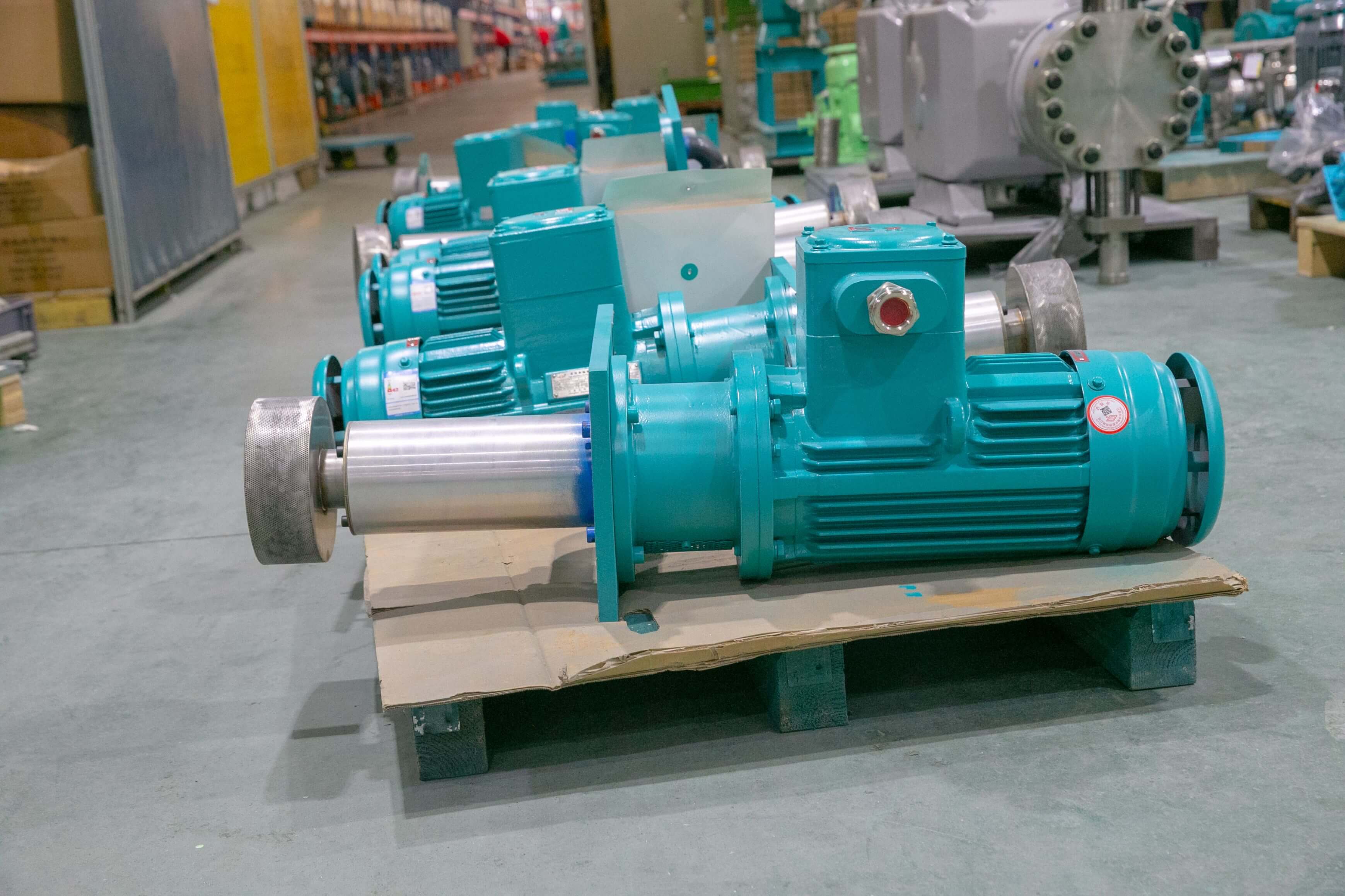
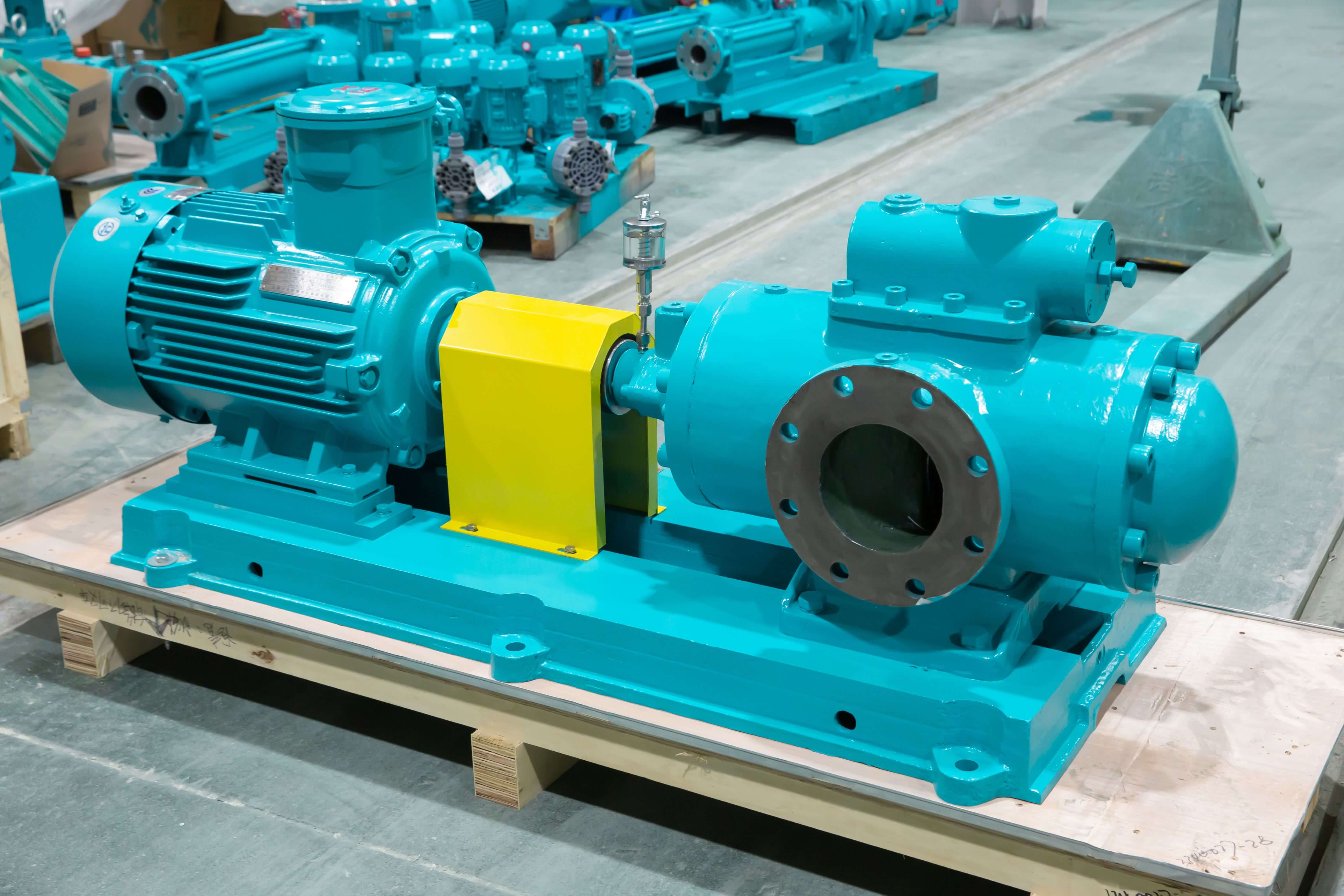
A three-screw pump is a type of positive displacement rotary pump. It uses three intermeshing screws—typically one driven screw and two idler screws—to create sealed chambers that move fluid axially from suction to discharge. Because the fluid is transported in a continuous, axial path, three-screw pumps are known for smooth, pulsation-free flow, low noise, compact installation, and good performance in continuous duty. They are often selected for lubricating oils, fuel oils, hydraulic fluids, viscous chemical intermediates, and other clean or lightly contaminated media that provide adequate lubrication.
The technology is particularly valued in systems where flow stability and low shear are important. Unlike some high-pulsation pump types, a well-selected three-screw pump can support stable pressure and flow, which helps protect downstream instruments, filters, and heat exchangers. However, three-screw pumps are not a universal solution for every fluid. Media with high abrasive solids, poor lubricity, or extreme dryness may require different pump designs or special materials. This is why application review by an experienced three-screw pump manufacturer is essential.
Selection should consider viscosity, temperature, pressure, flow rate, lubricity, corrosion risk, seal arrangement, and installation conditions. A supplier that understands these variables can recommend the correct screw geometry, materials, clearances, and accessories. The goal is not simply to sell a pump, but to match the pump to the process so that it operates reliably over a long service life.
Why Work with a Specialized Three-Screw Pump Manufacturer?
A specialized three-screw pump manufacturer brings more than a catalog. It brings application knowledge, engineering review, and a quality-focused manufacturing process. For B2B buyers, this matters because small specification errors can lead to cavitation, vibration, seal leakage, or premature wear. An experienced manufacturer will review the medium, operating window, piping layout, and control strategy before finalizing the pump selection.
Depamu (Hangzhou) Pump Industry Technology Co., Ltd. was founded in 2003 and has grown into a high-tech enterprise with more than 400 employees and a factory area of approximately 35,000 square meters. The company has a registered capital of RMB 54 million and an annual output value of about RMB 500 million. Sales have continued to grow, reaching approximately RMB 450 million in 2023, RMB 510 million in 2024, and RMB 560 million in 2025. These figures reflect long-term investment in manufacturing capacity, product development, and customer service.
The company’s capabilities cover product research and development, design, manufacturing, and complete system delivery. It can provide standard products, non-standard products, and customized fluid solutions based on medium characteristics, flow, pressure, temperature, and site process requirements. As a three-screw pump supplier, Depamu also supports related fluid equipment such as metering pumps, high-pressure process reciprocating pumps, chemical dosing systems, rotary lobe pumps, gear pumps, and water treatment devices. This broad portfolio allows the company to take a system-level view rather than treating the pump as an isolated component.
Core Applications Across Oil & Gas, Petrochemical, and Chemical Industries
Three-screw pumps are commonly used in oil and gas, petroleum refining, petrochemical, and chemical processing applications where continuous transfer of lubricating or viscous fluids is required. In oil and gas fields, they can support crude oil transfer, pipeline boosting, fuel oil handling, lube oil circulation, and hydraulic service systems. Their smooth flow characteristics help reduce pressure fluctuations in long pipelines and protect sensitive downstream equipment.
In petroleum refining and petrochemical plants, three-screw pumps are often considered for lube oils, fuel oils, additives, viscous intermediates, and other compatible process fluids. The pump’s axial flow design can handle relatively high pressures and provide stable delivery in continuous duty. In chemical processing, they are used for clean, non-abrasive, lubricating media where low shear and precise transfer are beneficial. Material compatibility, seal selection, and filtration must be reviewed carefully because chemical media vary widely.
Depamu’s industry coverage reflects this broad application base. Petroleum refining and chemicals account for about 41% of sales, oil and gas fields about 23%, nuclear power, power generation, metallurgy, and new energy about 15%, environmental water treatment about 13%, new materials and food about 3%, and other industries about 5%. This distribution shows that the company’s fluid equipment is used across multiple demanding sectors, not in a single narrow market. For buyers, this cross-industry experience can be valuable when evaluating a three-screw pump manufacturer for complex duties.
Three-Screw Pump Supplier Selection Checklist
Choosing a three-screw pump supplier requires a structured evaluation. Price is important, but it should not be the only factor. The right supplier should demonstrate engineering capability, manufacturing discipline, testing standards, documentation support, and after-sales service. The checklist below provides a practical framework for B2B procurement teams.
| Selection Area | What to Evaluate |
|---|---|
| Application engineering | Does the supplier review medium, viscosity, temperature, pressure, flow, and piping conditions? |
| Material and seal compatibility | Are pump materials, seals, and accessories suitable for the fluid and environment? |
| Pressure and flow range | Can the supplier match the pump to the required operating window without excessive oversizing? |
| Testing and documentation | Are performance tests, inspection records, and operation manuals available? |
| Customization and integration | Can the supplier provide non-standard designs, controls, and complete system integration? |
| Service and spare parts | Does the supplier offer commissioning support, maintenance guidance, and spare parts availability? |
| Delivery and project support | Can the supplier meet project schedules and provide technical documentation for international buyers? |
| Total cost of ownership | Does the proposal consider energy use, maintenance, downtime, and service life, not only purchase price? |
A strong three-screw pump manufacturer will ask detailed questions before quoting. The medium, viscosity, temperature, discharge pressure, suction conditions, and continuous or intermittent duty all affect the final design. Buyers should also request a clear scope of supply, including pump, motor, baseplate, coupling, seals, instruments, and control philosophy where applicable.
Documentation is another important differentiator. For international B2B projects, buyers often need dimensional drawings, material certificates, operation and maintenance manuals, and testing reports. A supplier with a structured documentation process can reduce engineering interface risks and shorten project approval cycles.
Custom Three-Screw Pump Solutions for Complex Operating Conditions
Many industrial processes cannot be served by a standard catalog pump. High viscosity, high temperature, corrosive media, limited installation space, and special control requirements may demand a customized solution. A capable three-screw pump manufacturer should be able to adjust materials, seals, clearances, connections, lubrication arrangements, and instrumentation to match the application.
Depamu’s product development and manufacturing capabilities allow it to provide standard products, non-standard products, and customized fluid solutions. The company evaluates medium characteristics, flow, pressure, temperature, and site process requirements before proposing a configuration. For projects involving chemical dosing, water treatment, or high-pressure process transfer, the pump can also be integrated with related equipment such as dosing systems, water sampling devices, and control skids.
Customization should not be treated as an isolated engineering exercise. It should be part of a total fluid solution that considers upstream and downstream equipment, operating procedures, safety requirements, and maintenance access. This is especially important in oil and gas, petrochemical, and chemical plants where downtime is costly and process safety is critical.
Installation, Operation, and Maintenance Best Practices
Proper installation and maintenance help three-screw pumps achieve long service life. The pump should be aligned correctly with the driver, and piping should be supported to avoid excessive loads on the pump casing. Suction conditions must be reviewed to prevent cavitation, and filtration should be selected according to the medium and manufacturer recommendations.
During operation, monitor discharge pressure, flow, vibration, temperature, and seal performance. Abnormal changes can indicate wear, blockage, misalignment, or insufficient suction. Routine checks should include coupling alignment, lubrication condition, seal leakage, and fastener tightness. Spare parts such as seals, bearings, and wear components should be planned according to the operating duty.
- Verify pump and driver alignment before first start-up and after major maintenance.
- Confirm suction piping is properly sized, supported, and free of air pockets.
- Use filtration and strainers appropriate for the medium and start-up conditions.
- Monitor pressure, flow, vibration, and temperature during routine operation.
- Inspect seals, couplings, and lubrication condition at planned intervals.
- Keep critical spare parts available for continuous-duty or high-value processes.
Maintenance schedules should be based on actual operating conditions rather than a fixed interval alone. Clean fluids, stable temperatures, and good suction conditions generally support longer service intervals. Abrasive or high-temperature duty may require more frequent inspection. A reliable three-screw pump supplier can provide maintenance recommendations and spare parts support throughout the equipment lifecycle.
FAQ
What should I look for in a three-screw pump manufacturer?
Look for application engineering, material and seal selection capability, manufacturing quality, testing, documentation, customization, and after-sales support. A good manufacturer will review the medium, viscosity, temperature, pressure, flow, and site conditions before recommending a configuration. It should also provide clear drawings, operation manuals, and spare parts support. Depamu, established in 2003, offers standard, non-standard, and customized fluid solutions from its manufacturing base in Hangzhou.
Are three-screw pumps suitable for high-viscosity fluids?
Three-screw pumps can be suitable for many high-viscosity fluids, especially those with adequate lubricity. However, viscosity must be evaluated together with temperature, pressure, flow, and start-up conditions. Very high viscosity or poor lubricity may require special materials, heating, or a different pump design. An experienced supplier should confirm the allowable operating range.
Can a three-screw pump supplier provide custom solutions for oil and gas applications?
Yes, many oil and gas applications require customized configurations for crude oil transfer, pipeline boosting, fuel oil, lube oil, or hydraulic service. Customization may include materials, seals, connections, instrumentation, and control arrangements. Buyers should provide detailed process data so the supplier can select the appropriate pump design and accessories.
How do I choose between a three-screw pump and other positive displacement pumps?
The choice depends on the fluid, viscosity, pressure, flow, lubricity, solids content, and duty cycle. Three-screw pumps are often favored for smooth, pulsation-free transfer of lubricating fluids in continuous duty. Other positive displacement pumps may be better for abrasive slurries, high-solid media, or very low-lubricity fluids. A technical comparison should be based on the actual process conditions.
What maintenance practices help extend three-screw pump service life?
Maintain proper alignment, suction conditions, filtration, and lubrication. Monitor pressure, flow, vibration, and temperature for early signs of wear. Inspect seals and couplings regularly, and keep spare parts available for critical duty. Follow the manufacturer’s operation and maintenance manual and adjust inspection intervals based on actual operating conditions.
Summary
Choosing a three-screw pump manufacturer is a strategic procurement decision. The right supplier should combine application engineering, manufacturing capability, testing, documentation, customization, and service support. Depamu (Hangzhou) Pump Industry Technology Co., Ltd. brings more than two decades of experience in high-end positive displacement pumps and fluid equipment, with a broad product portfolio and the ability to deliver standard, non-standard, and customized solutions. For buyers in oil and gas, petrochemical, chemical, power, water treatment, and other industries, a structured supplier evaluation will help secure reliable performance, lower downtime, and better long-term value.