
An eccentric screw pump source manufacturer designs and builds the unit where the rotor, stator, and drive decisions are actually made. Buying at that level keeps custom geometry, elastomer choice, and delivery planning in one place, so the specification that is quoted is the same specification that is manufactured and shipped.
What an Eccentric Screw Pump Source Manufacturer Controls
A source manufacturer owns the full build path: rotor profile, stator geometry, elastomer selection, drive sizing, assembly, and testing. Because those choices sit in one engineering loop, a change in flow, pressure, temperature, or medium characteristics is handled inside a single conversation instead of being passed between separate suppliers.
The working principle is simple to describe and sensitive to detail. A helical rotor turns inside a stationary stator, and the sealed cavities between them move steadily from the suction side to the discharge side. That motion produces a smooth, low-pulsation flow that suits viscous liquids and media carrying solids far better than a narrow, high-shear design.
Rotor, stator, and drive selection
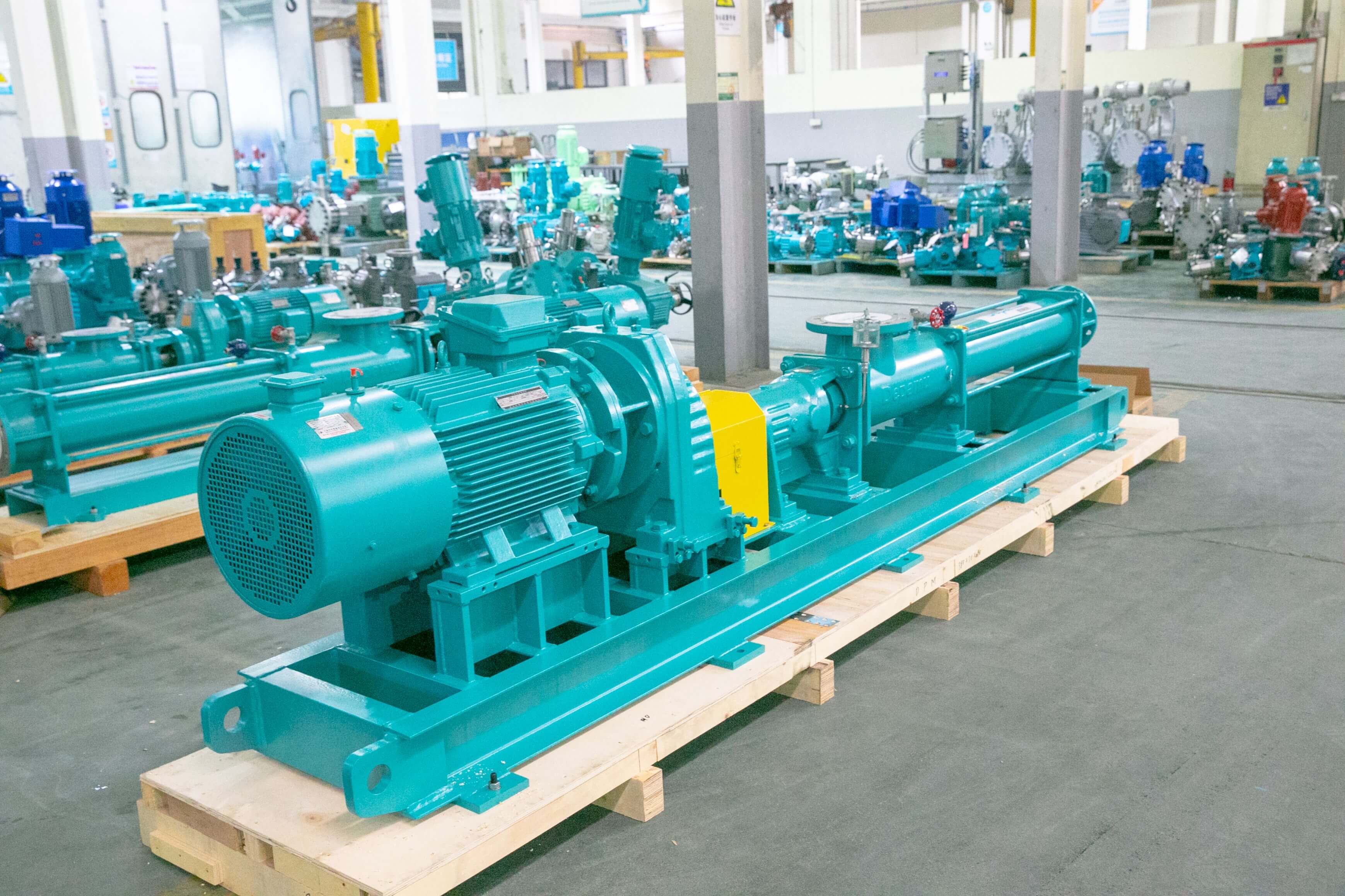
The rotor is the moving part and the stator is the elastomer sleeve it runs against. Their profiles decide how the cavity travels and how much the medium is disturbed on the way through. Drive and coupling selection then follows the required torque and speed range, which is why the whole set is normally specified together rather than bought piece by piece.
- Rotor geometry matched to the medium being moved
- Stator elastomer chosen for the chemical and temperature load
- Drive and coupling sized to the required torque
- Ports, connections, and baseplate agreed before production
Why Custom and Made-to-Order Requests Belong With the Source
A custom or made-to-order request changes geometry, material, or connection detail, so it has to reach the people who build the pump. Keeping that work at the source prevents drawings from drifting between parties and keeps the approved specification identical to the unit that is finally delivered.
Standard products suit common duties and are the fastest route when the duty point is ordinary. Non-standard and fully customized builds exist for everything else: viscous liquids, high-temperature service, and fluids carrying solids. Those conditions change what the rotor and stator have to withstand, so the specification is reviewed from the medium outward rather than copied from a catalogue.
The practical question for a buyer is who owns the drawing. A source manufacturer answers that directly, revises the design before material is cut, and confirms that the completed unit matches the agreed revision instead of an earlier one.
How to Evaluate Eccentric Screw Pump Supply Manufacturers
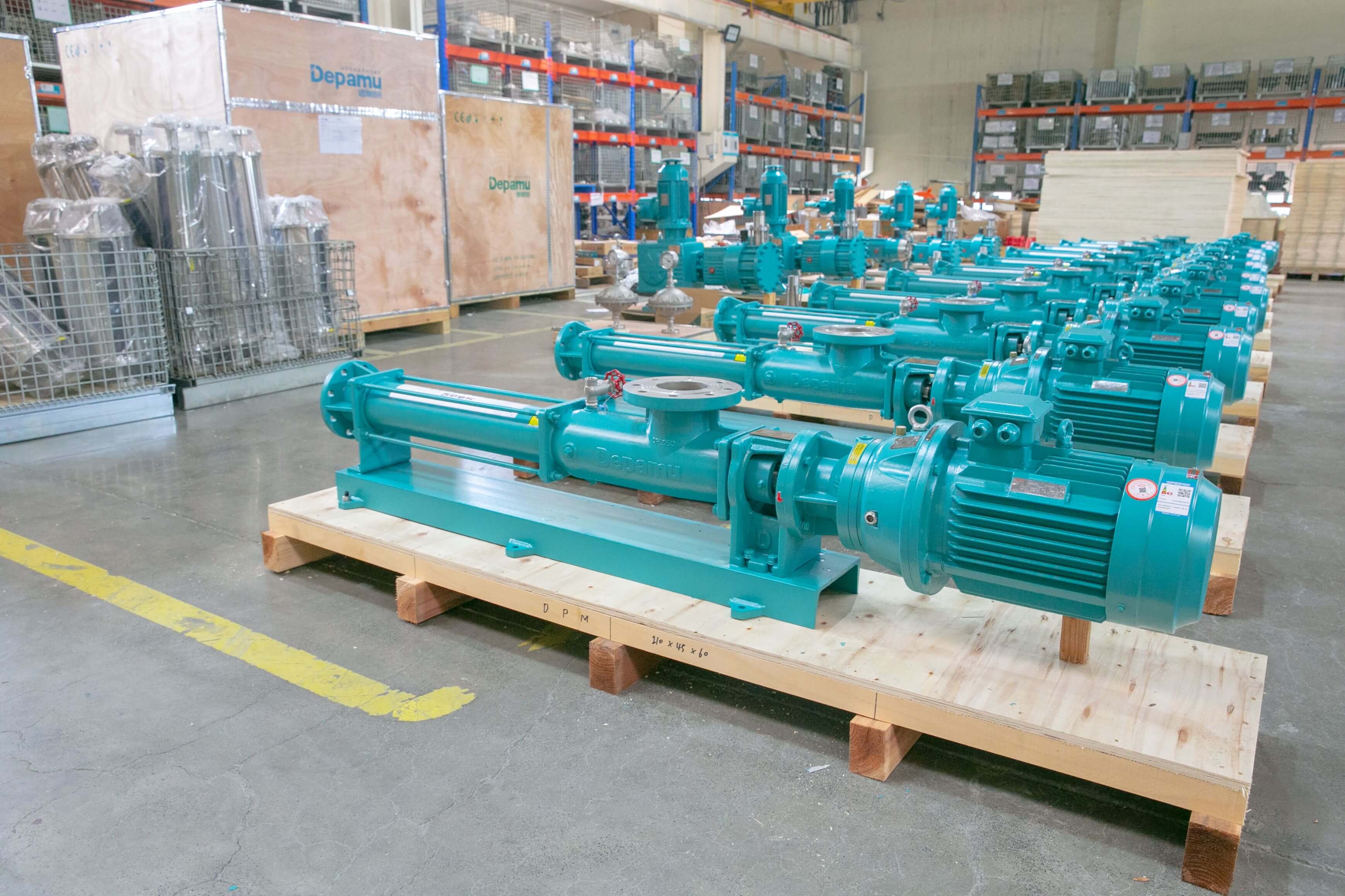
Evaluate a supply manufacturer on three points: whether the build scope is stated in writing, whether the engineering contact stays the same from enquiry to delivery, and whether delivery dates are planned against identifiable production steps rather than quoted as one optimistic figure.
Technical evaluation should start from the medium. Viscosity, temperature, chemical nature, and the presence of solids all shape the rotor and stator specification, so a supplier that asks for those details before offering a model is easier to work with than one that answers with a part number first. Choosing an eccentric screw pump source manufacturer is therefore a specification decision as much as a commercial one.
- Build scope and revision control stated in writing
- One engineering contact from enquiry through delivery
- Delivery dates tied to identifiable production steps
- Complete-set delivery offered where the system needs it
Where a project needs more than a bare pump, a supplier able to deliver a complete set covering the pump, drive, and connections reduces the number of interfaces a project team has to manage during installation.
Where Eccentric Screw Pumps Fit in Process Industries
Eccentric screw pumps fit duties where the medium is viscous, warm, or solids-bearing and the flow must stay steady. They are used across petroleum refining, chemicals, oil and gas fields, nuclear, power, metallurgy, new energy, environmental water treatment, new materials, and food processing.
Typical duties include high-pressure transfer, accurate dosing, chemical agent injection, process boosting, and the movement of complex media. In each case the pump is selected against the medium rather than against a single flow figure, because a design that handles clean liquid well can behave very differently once solids or elevated temperature enter the picture.
This is also why the supply relationship matters after commissioning. Wear parts, elastomer compatibility, and service access all influence how long the unit stays in production, and a source manufacturer can supply the correct parts against the original build record.
Frequently Asked Questions
What does an eccentric screw pump source manufacturer supply?
A source manufacturer supplies the pump plus the engineering that defines it, covering rotor and stator selection, drive sizing, assembly, and testing. The unit is built to the agreed specification rather than assembled from separately sourced parts, which keeps the build record and the delivered pump aligned.
When should a buyer request a custom eccentric screw pump?
A custom build is appropriate when the medium or the duty point falls outside the standard range, such as viscous liquids, high-temperature service, or fluids carrying solids. In those cases the rotor and stator specification has to be reviewed from the medium outward instead of selected from a standard list.
How is an eccentric screw pump sized for a duty point?
Sizing starts from the medium and the process conditions: flow requirement, pressure, temperature, and the presence of solids. Those inputs define the rotor and stator combination and the drive, so a supplier needs them before a reliable recommendation can be made.
Which industries use eccentric screw pumps?
They are used in petroleum refining, chemicals, oil and gas fields, nuclear, power, metallurgy, new energy, environmental water treatment, new materials, and food processing. The common thread is a need for steady flow with viscous, warm, or solids-bearing media.
How should I compare eccentric screw pump supply manufacturers?
Compare them on build scope, engineering continuity, and delivery planning rather than on price alone. A supplier that documents the specification, keeps one engineering contact, and offers complete-set delivery is easier to hold to the agreed design through commissioning and later service.
Summary
Choosing an eccentric screw pump source manufacturer comes down to where the engineering sits. A supplier that controls rotor and stator selection, handles custom and made-to-order work in house, and plans delivery against real production steps gives a buyer one specification to hold onto. Start from the medium, state the duty point clearly, and confirm the build scope in writing before the order is placed.