
A high-pressure plunger reciprocating pump custom manufacturer builds the pump around the actual duty, not around a fixed catalog item. The work starts with the medium, flow, pressure, temperature, and site process requirements, then moves through design, manufacturing, assembly, and delivery support.
What a High-Pressure Plunger Reciprocating Pump Custom Manufacturer Provides
A high-pressure plunger reciprocating pump custom manufacturer provides a pump configuration matched to the process rather than a one-size-fits-all product. The scope can cover standard, non-standard, and fully customized fluid solutions, with the pump design aligned to medium properties, flow, pressure, temperature, and site conditions.
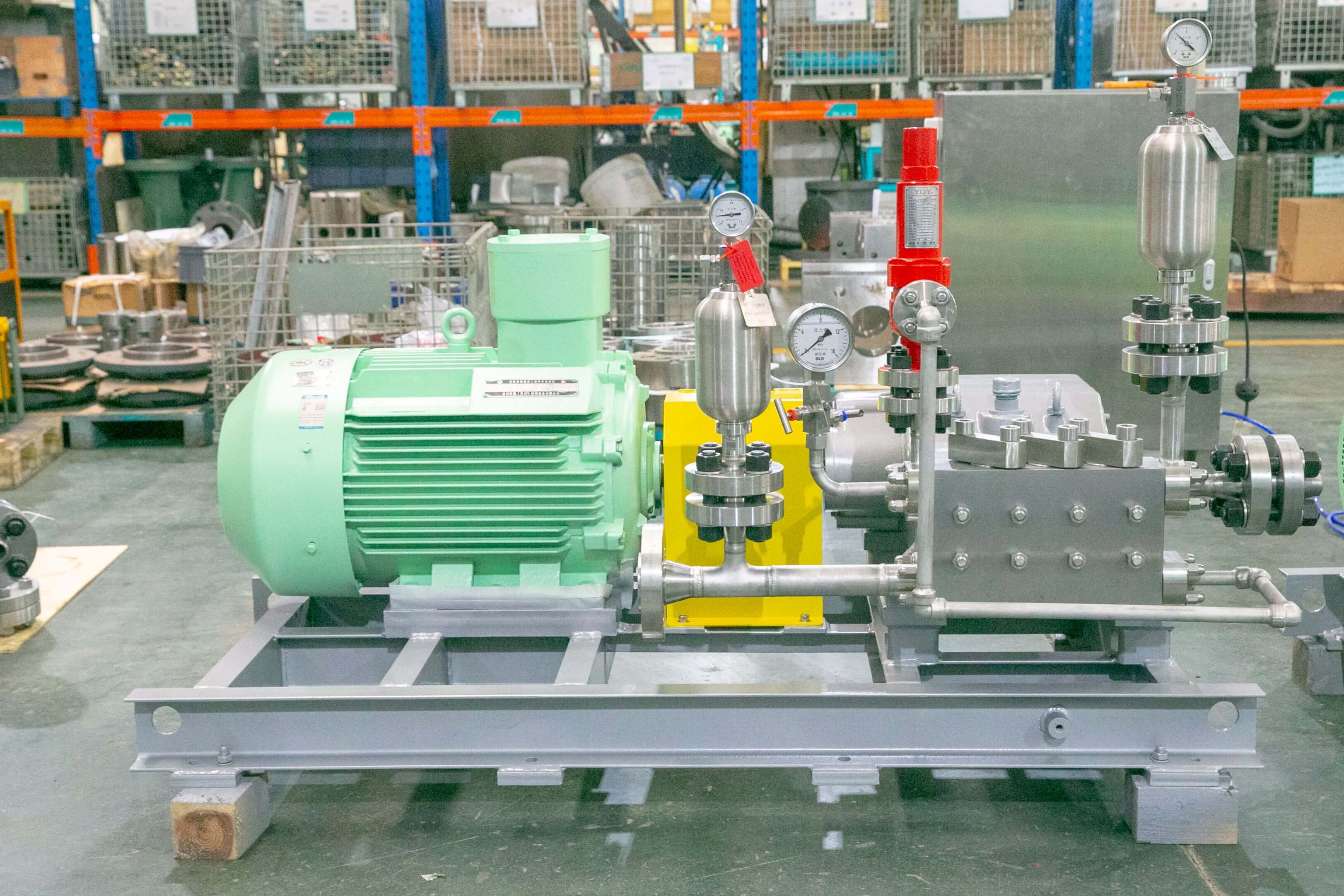
The value of a custom approach is clearest when a standard pump cannot cover the duty without compromise. A manufacturer that handles both standard products and non-standard work can review the application first, then define what must change in the pump configuration or package. That sequence keeps the specification tied to the process instead of forcing the process to fit a catalog model.
This is especially important for high-pressure service, where a small mismatch in the duty definition can affect the whole installation. The custom manufacturer should be able to explain why a given configuration is proposed and what inputs would change it.
From Standard Product to Custom Build
Custom work usually begins with a clear boundary between what a standard product can handle and what the duty actually requires. If the medium, pressure, temperature, or site layout falls outside the standard range, the review moves to a non-standard or custom solution. The goal is not to add complexity for its own sake; it is to make the pump, package, and support fit the process.
- Review of the medium, flow, pressure, temperature, and site process requirements
- Standard product selection when the duty fits an existing configuration
- Non-standard or custom design when the duty requires a different configuration
- Assembly, testing, and delivery support for the agreed scope
How Custom Configurations Are Defined for High-Pressure Plunger Reciprocating Pumps
Custom configurations are defined by the duty data that the pump must satisfy in service. Medium properties, flow, pressure, temperature, and site process requirements form the working basis for the design review, and they determine whether a standard, non-standard, or fully custom pump package is appropriate.
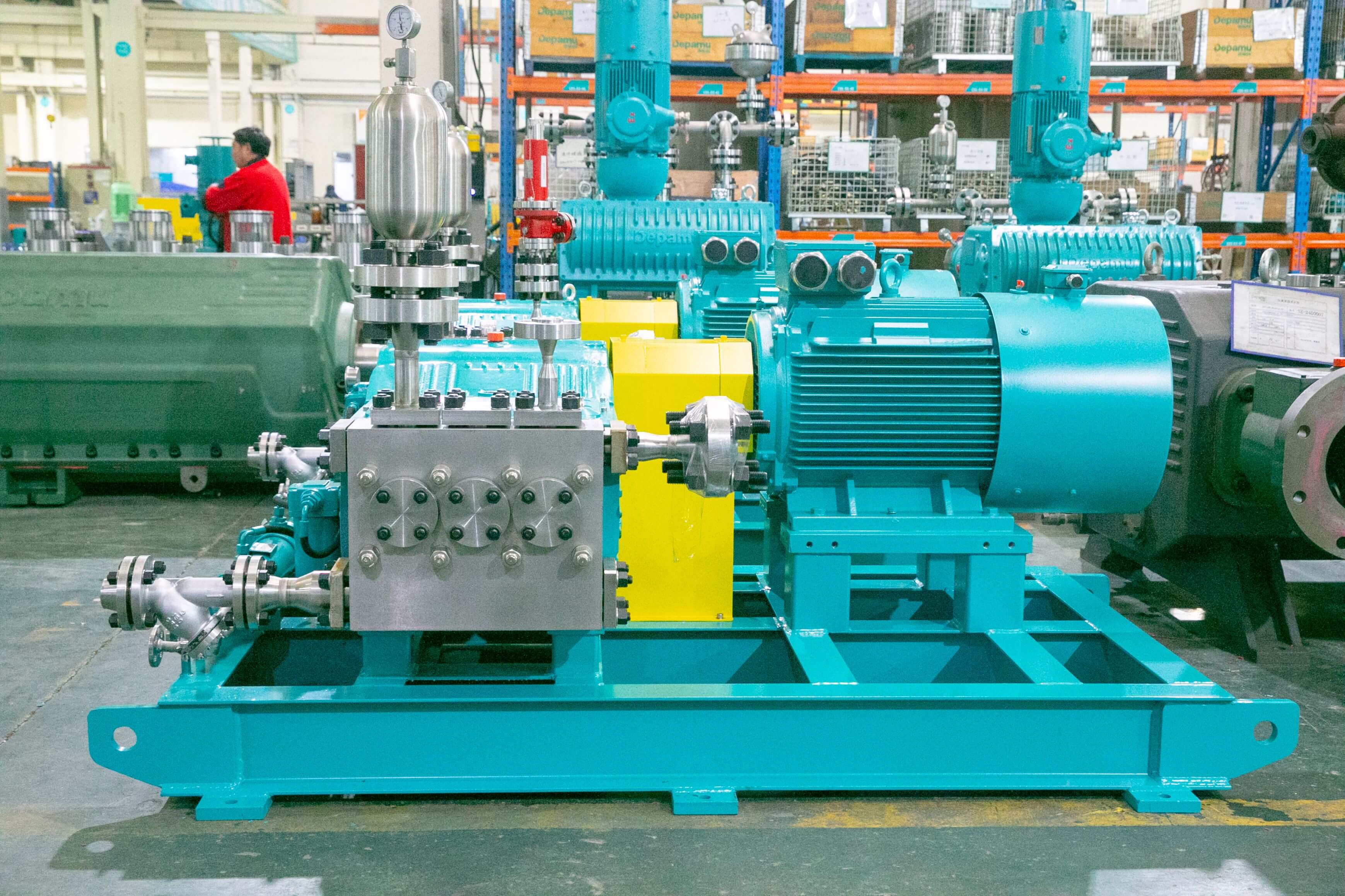
For high-pressure process reciprocating pump duties, the technical review must account for the way the pump will operate, not only its nominal rating. The available product range covers high pressure up to 35 MPa and above, stable flow, continuous operation, and handling of high-viscosity, high-temperature, and solids-containing media. Those capabilities are relevant when the custom scope must address demanding process conditions.
Key Inputs for a Custom Pump Specification
A useful custom specification is built from process data, not from assumptions. The more clearly the buyer defines the medium and operating conditions, the easier it is to confirm a suitable configuration and avoid late changes.
- Medium properties and how they affect the pump configuration
- Required flow and pressure range
- Operating temperature and site process conditions
- Continuous or intermittent duty requirements
- Available space, connections, and package scope
Custom Manufacturing and Supply Support from Depamu
Depamu (Hangzhou) Pump Industry Technology Co., Ltd. is a high-tech enterprise established in 2003 with more than 400 employees, a plant area of about 35,000 square meters, registered capital of RMB 54 million, and annual output value of about RMB 500 million.
The company focuses on high-end volumetric pumps and fluid equipment. Its portfolio includes metering pumps, high-pressure process reciprocating pumps, pneumatic pumps, electric pumps, chemical dosing systems, water-steam sampling devices, water treatment equipment, screw pumps, rotor pumps, and gear pumps. For custom work, the company can provide standard products, non-standard products, and custom fluid solutions based on medium properties, flow, pressure, temperature, and site process requirements.
Products are used in petroleum refining, chemicals, oil and gas fields, nuclear industry, power, metallurgy, new energy, environmental water treatment, new materials, and food. In high-pressure process duties, the reciprocating pump line is positioned for high-pressure transfer, process boosting, pipeline pressure increase, and high-pressure injection.
Because custom work sits between engineering and production, the handover between the technical review and the shop floor matters. A clear scope helps the manufacturer keep the pump, the package, and the delivery support aligned, and it gives the buyer a single basis for follow-up questions.
Evaluating a Custom Pump Manufacturer
Evaluation should start with the ability to review the full duty and then carry the agreed scope through design, manufacturing, assembly, and delivery. A manufacturer that can work across standard, non-standard, and custom fluid solutions is better placed to explain trade-offs clearly and keep the specification aligned with the process.
- Can the manufacturer review medium properties, flow, pressure, temperature, and site conditions together?
- Does the scope cover standard, non-standard, and custom configurations?
- Is assembly and delivery support included for the agreed package?
- Can the supplier explain the basis for the proposed configuration in clear terms?
FAQ
What is a high-pressure plunger reciprocating pump custom manufacturer?
A high-pressure plunger reciprocating pump custom manufacturer designs and builds pumps around a specific duty rather than a fixed catalog model. The scope usually covers medium conditions, flow, pressure, temperature, site process requirements, and delivery support.
What does a high-pressure plunger reciprocating pump custom-order manufacturer provide?
A custom-order manufacturer provides a pump built to the buyer’s stated duty, including review of medium conditions, flow, pressure, temperature, and site process requirements. The scope can cover standard, non-standard, and custom configurations, with assembly and delivery support for the agreed package.
What should buyers check when choosing a high-pressure plunger reciprocating pump made-to-order manufacturer?
Buyers should check whether the manufacturer can review the full duty, support non-standard requirements, and deliver a complete pump package. Clear communication on medium, flow, pressure, temperature, and site conditions is more useful than a catalog-only comparison.
How can a high-pressure plunger reciprocating pump supply manufacturer support a project?
A supply manufacturer can support a project by aligning pump selection, custom build scope, assembly, and delivery with the site schedule. The earlier the process data is shared, the easier it is to confirm a suitable configuration.
Who is a high-pressure plunger reciprocating pump source manufacturer?
A high-pressure plunger reciprocating pump source manufacturer is a manufacturer that produces the pump and supports the supply scope directly. Choosing a source manufacturer can shorten the path between technical review and production, especially when the duty requires non-standard features.
Summary
A high-pressure plunger reciprocating pump custom manufacturer should be judged by how well it turns process data into a workable pump configuration. Start with the medium, flow, pressure, temperature, and site requirements; confirm whether a standard, non-standard, or custom solution is appropriate; then check the manufacturer’s ability to support design, manufacturing, assembly, and delivery. This sequence keeps the selection tied to the duty and reduces the risk of a mismatch between the pump and the process.