
A sludge rotary lobe pump source manufacturer builds the pump rather than reselling it, so buyers get direct technical answers, customization at the design stage, and a traceable supply chain. Choosing that kind of supplier means checking how the pump is engineered for sludge, how orders are customized, and how delivery and support are handled.
What a Sludge Rotary Lobe Pump Source Manufacturer Provides
A source manufacturer designs, machines, assembles, and tests the rotary lobe pump in its own facility, then ships it directly to the project site. For sludge duty this matters because the rotor profile, clearances, sealing arrangement, and drive selection all have to match the solids content and flow pattern of the specific application.
A rotary lobe pump is a positive displacement machine. Two synchronized rotors turn inside the casing without touching each other, so the medium is moved by volume rather than by centrifugal force. In sludge service this behavior keeps solids intact, limits shear, and allows the pump to handle thick, abrasive, or variable material that would stall a centrifugal unit. Because the displacement per revolution is fixed, flow follows drive speed, which gives operators a predictable way to match output to the process.
When that pump comes from a source manufacturer, the specification conversation happens with the people who machine the rotors and set the clearances. Process data such as medium characteristics, flow, pressure, temperature, and site conditions can be translated into a configuration before production begins. If the duty point later moves, the same team can advise on speed changes, rotor replacement, or a revised casing arrangement instead of passing the question down a distribution chain.
Why Direct Manufacturing Matters for Sludge Duty
Sludge is rarely a single, stable substance. Solids content, viscosity, abrasiveness, and temperature can all shift with the season, the upstream process, or the dewatering method. A manufacturer that controls its own machining and assembly can react to those shifts by adjusting the rotor profile, the material of construction, or the sealing arrangement, and can explain the trade-offs in plain terms before the order is placed. A reseller, by contrast, can usually only forward the question.
- Rotor profile and clearance choices matched to the solids carried in the sludge
- Material selection for abrasive or corrosive components of the medium
- Sealing and drive arrangements suited to the installation and the operating pattern
- Documentation of the agreed configuration before production starts
- A single point of contact for changes requested during the project
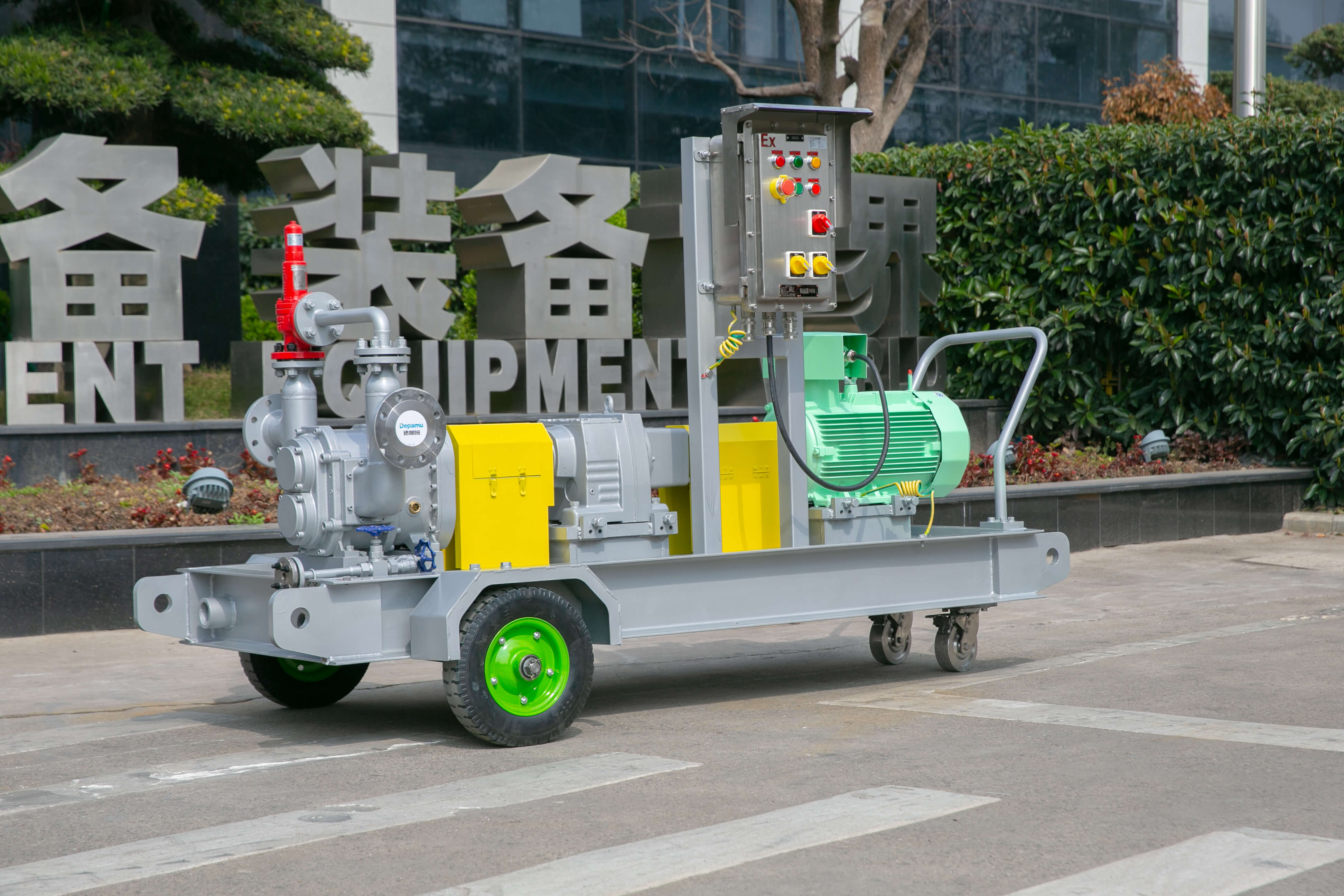
Selection Criteria for a Sludge Rotary Lobe Pump Custom Manufacturer
A custom manufacturer should be judged on four points: how precisely it captures your process data, how clearly it documents the proposed configuration, how it controls tolerances and testing, and how fast it responds once the pump is installed. Price alone rarely reflects the real cost of a unit that has to be rebuilt because the rotor profile or seal was mismatched.
The first test is data capture. A serious supplier asks about medium characteristics, flow, pressure, temperature, and site process requirements rather than quoting a catalogue reference. Those inputs drive rotor geometry, casing material, shaft and bearing selection, and the drive. If a supplier cannot explain how each answer changes the design, the customization is probably cosmetic.
The second test is documentation. Dimensional drawings, material specifications, a test record, a spare parts list, and an operation and maintenance manual should all exist before shipment. These documents are what allow a maintenance team to plan interventions and order replacements without reopening the original negotiation.
Questions Worth Asking Before You Order
A short, direct question list separates manufacturers who engineer from those who merely assemble. Ask who sets the rotor clearances, who signs the test record, what happens if the duty point changes after commissioning, and how spare rotors and seals are supplied over the life of the unit. The answers reveal how much of the work is actually done in-house.
- Who defines the rotor profile and clearance for this duty?
- Which parts are machined in-house and which are bought in?
- What test is performed before shipment, and who signs the record?
- How are spare rotors, seals, and wearing parts supplied later?
- What changes if the sludge characteristics shift after start-up?
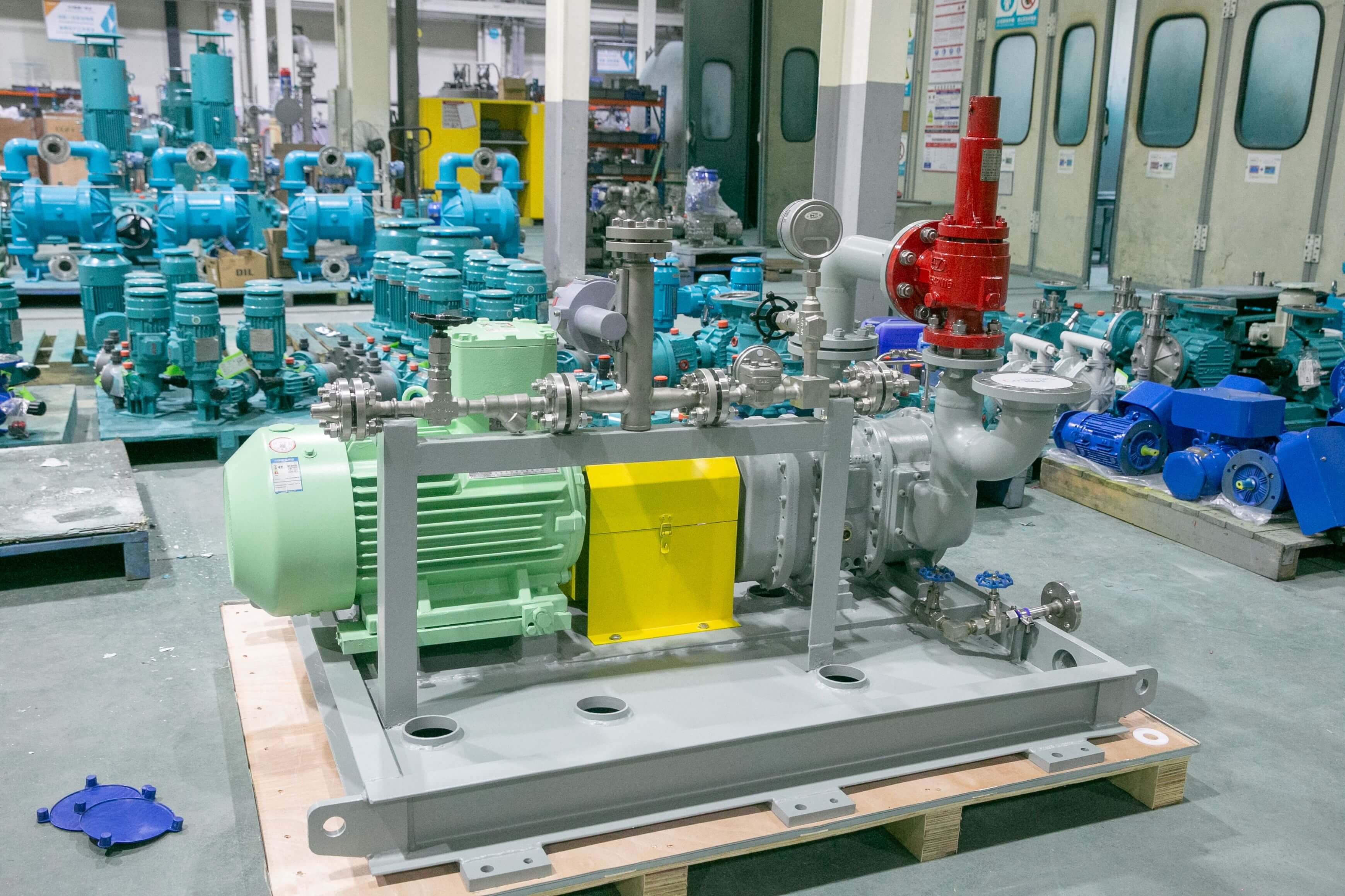
Customization, Supply, and Support from a Sludge Rotary Lobe Pump Supply Manufacturer
A supply manufacturer adds three things beyond the pump itself: a configuration built around the installation, a delivery plan that matches the project schedule, and technical support that continues after commissioning. Buyers should test all three, because a pump that arrives late or cannot be maintained on site costs more than the difference between two quotations.
Depamu (Hangzhou) Pump Industry Technology Co., Ltd. was founded in 2003 and focuses on high-end positive displacement pumps and fluid equipment. Its product range covers metering pumps, high-pressure process reciprocating pumps, pneumatic and electric pumps, chemical dosing systems, water sampling devices, water treatment equipment, and screw pumps, rotary lobe pumps, and gear pumps. The company provides standard products, non-standard products, and fully customized fluid solutions based on medium characteristics, flow, pressure, temperature, and site process requirements.
The company operates with more than 400 employees and a factory area of about 35,000 square meters, a registered capital of RMB 54 million, and an annual output value of about RMB 500 million. Its products are applied in petroleum refining and chemicals (about 41% of sales), oil and gas fields (about 23%), the nuclear industry, power generation, metallurgy, and new energy (about 15% combined), environmental water treatment (about 13%), new materials and food (about 3%), and other industries (about 5%). Reported sales were about RMB 450 million in 2023, about RMB 510 million in 2024, and about RMB 560 million in 2025.
Environmental water treatment, including wastewater handling, is one of the application areas the company serves, which is where rotary lobe pumps for sludge typically sit. Buyers evaluating any supplier should still confirm the specific duty with the manufacturer, because sludge characteristics vary from site to site and the configuration has to follow the medium rather than a standard template.
FAQ
What is a sludge rotary lobe pump source manufacturer?
A source manufacturer is the factory that designs and builds the pump itself rather than a trading company that resells it. Technical answers on rotor profile, materials, and drive selection therefore come from the people who manufacture the unit and can change the design before production starts.
How do I choose a sludge rotary lobe pump custom manufacturer?
Judge the supplier on data capture, documentation, tolerance control, and after-sales response. A manufacturer that asks about medium characteristics, flow, pressure, temperature, and site process requirements before quoting is easier to hold accountable than one that quotes from a catalogue alone.
Can a rotary lobe pump be customized for an existing installation?
Yes. Custom manufacturers normally adapt connections, materials of construction, sealing, drive arrangement, and mounting to suit existing pipework and floor space. The customization is only reliable when the duty point and the medium are clearly defined in advance.
What support should a sludge rotary lobe pump supply manufacturer provide after delivery?
After delivery the supplier should provide installation and commissioning guidance, a maintenance schedule, a spare parts list, and a clear route for technical questions. These items decide how quickly a maintenance team can react when wear parts eventually need replacement.
Summary
A sludge rotary lobe pump source manufacturer is worth the effort of a structured evaluation: confirm who actually machines the rotors, how process data becomes a documented configuration, and how spares and technical answers will be handled after commissioning. Compare suppliers on those points rather than on price alone, and ask for the duty point, the medium characteristics, and the documentation to be fixed in writing before production begins. That approach keeps a sludge rotary lobe pump predictable in service instead of turning into a rebuild project.