
A three-screw pump source manufacturer combines engineering, machining, assembly and testing in one organization, so buyers deal directly with the party that builds the pump. Choosing that partner carefully shortens customization loops, reduces interface risk and keeps spare-part supply predictable. This guide explains what to verify before you place an order.
What a Three-Screw Pump Source Manufacturer Actually Provides
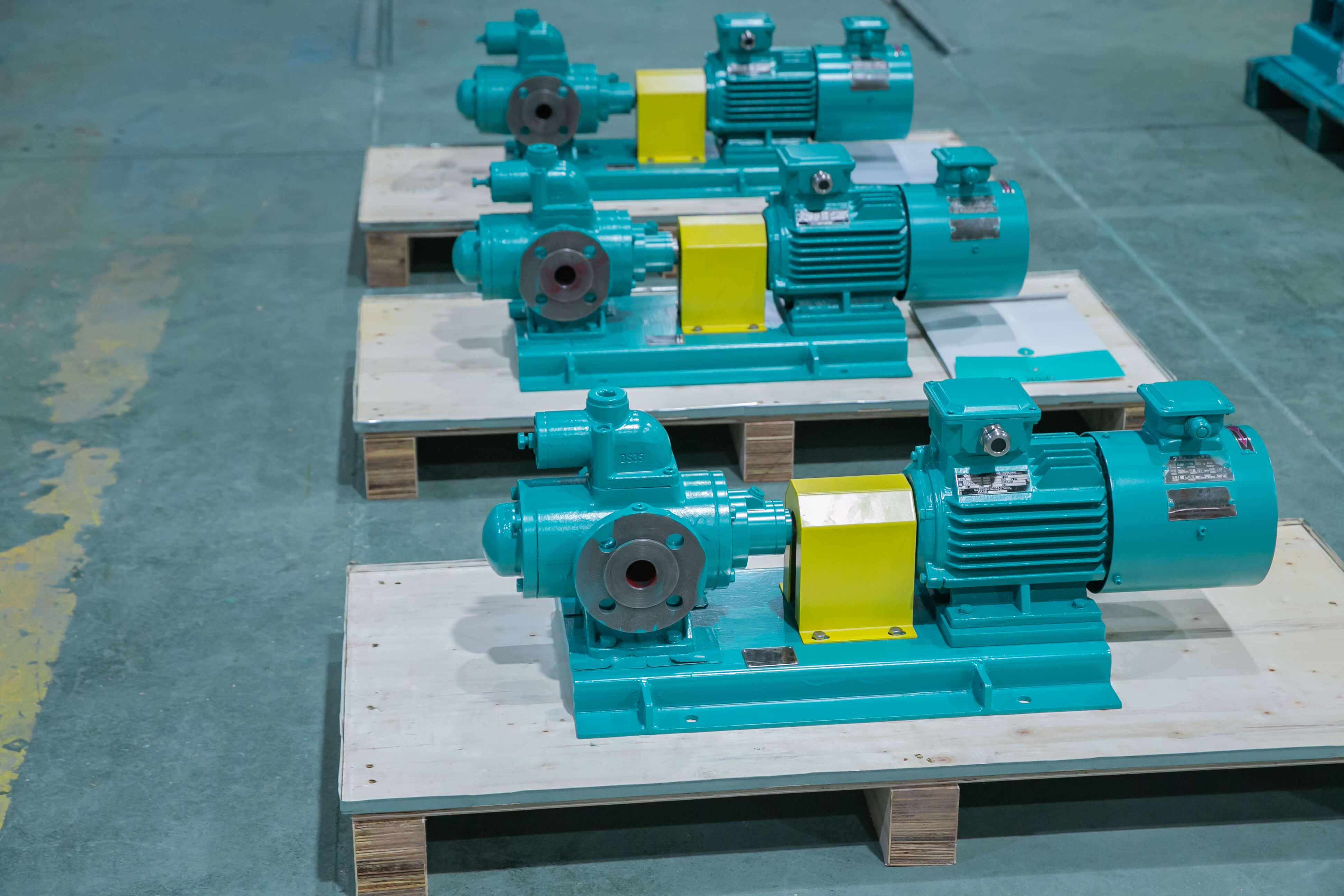
A three-screw pump source manufacturer owns the steps that determine pump behaviour: duty-point review, material selection, machining of the screw set and housing, assembly and performance testing. Because those steps sit inside one organization, technical questions travel a short path and responsibility for the final hydraulic result stays with a single party.
Depamu (Hangzhou) Pump Industry Technology Co., Ltd. has operated as a high-tech enterprise since 2003, combining research, production and sales of high-end volumetric pumps and fluid equipment. The company employs more than 400 people across a plant area of about 35,000 square meters, holds registered capital of RMB 54 million and reports an annual output value of about RMB 500 million. Its range covers metering pumps, high-pressure process reciprocating pumps, pneumatic and electric pumps, automatic chemical dosing packages, water-steam sampling devices, water treatment equipment, and screw pumps, rotary lobe pumps and gear pumps.
Why Buying at the Source Changes the Project
A reseller can quote a pump, but only the builder can adjust the hydraulic design when the duty point turns out to be harder than the datasheet suggested. Sourcing at the source keeps design authority, manufacturing records and after-sales support in the same chain, which matters most when the medium is viscous, hot or otherwise demanding.
- One engineering contact from duty-point review to final acceptance
- Material and clearance decisions taken by the builder rather than a reseller
- Customization loops that stay inside the same production system
- Spare-part references tied to the original build record
Evaluation Criteria for a Three-Screw Pump Source
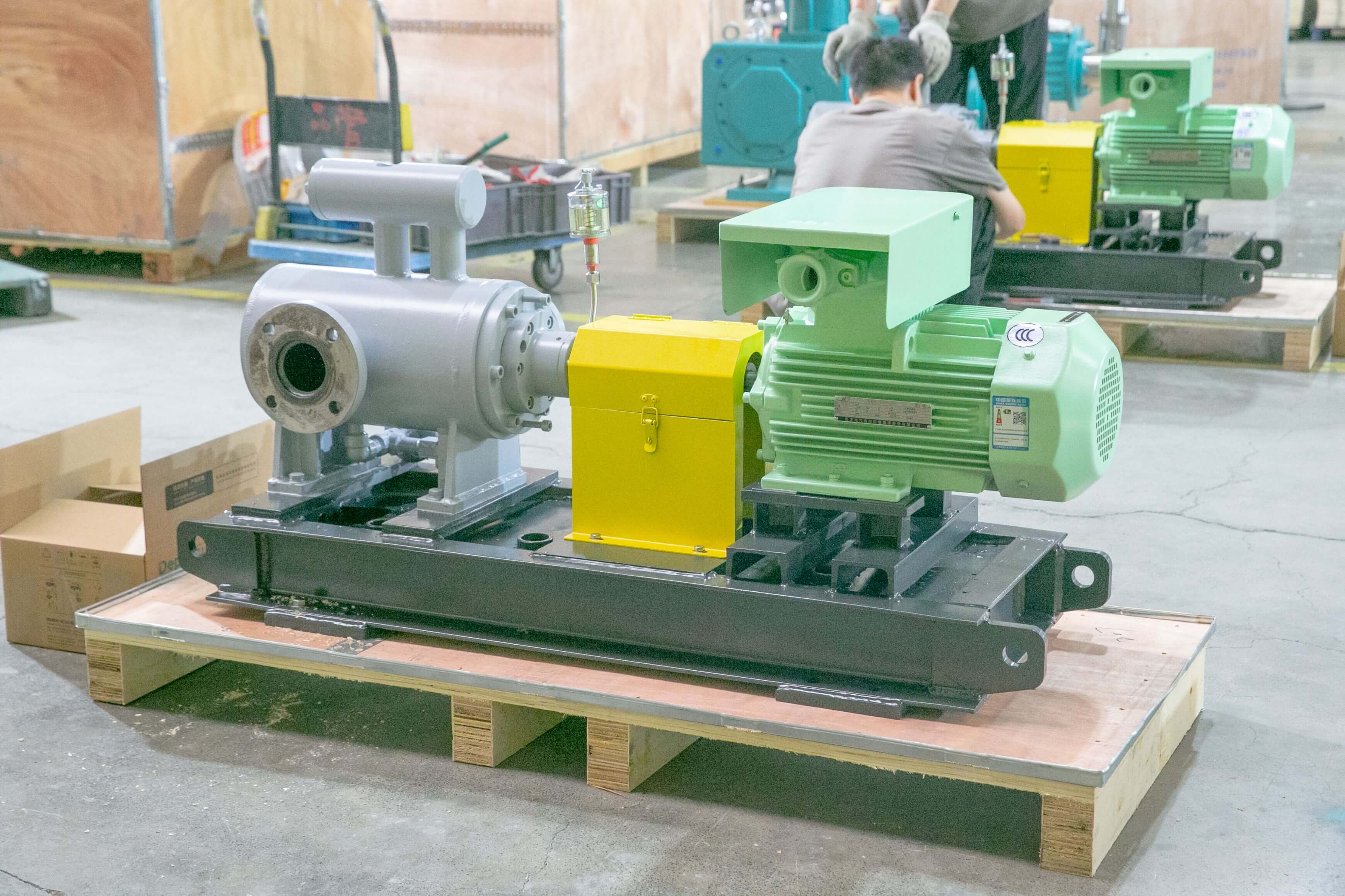
Evaluate a source on four fronts: engineering depth, manufacturing control, customization discipline and delivery reliability. Ask for the evidence behind each claim, including drawings, test records and a maintenance plan, and compare answers from at least two candidates before you commit. A supplier who explains its reasoning is easier to work with than one who only sends a price.
Technical Questions Worth Asking
- Which screw geometry and clearance are proposed for my fluid, and why?
- Which material or surface treatment is recommended for the wetted parts?
- What operating window applies to viscosity, temperature and differential pressure?
- How is the unit tested before shipment, and which records travel with it?
- What does the spare-part list contain, and how often should each item be replaced?
Commercial and Delivery Checks
A quotation is easier to compare when every line is defined. Ask for the scope of supply, the exclusions, the delivery basis and the documents that accompany the pump, and confirm who provides commissioning support. Vague answers at this stage usually reappear as delays during installation.
Customization, Testing and Delivery Capability
Customization is only credible when the manufacturer can change materials, connections, sealing or heating arrangements without losing control of the hydraulic design. The practical test is whether the same team that reviews the duty point also owns the drawing, the machining programme and the final test, because hand-offs are where custom projects usually fail.
Depamu (Hangzhou) Pump Industry Technology Co., Ltd. describes a single chain from product development and design manufacturing to packaged delivery, and offers standard products, non-standard products and customised fluid solutions based on the customer’s medium characteristics, flow rate, pressure, temperature and site process requirements. Its products are positioned for high-pressure transfer, precise metering, chemical dosing, process boosting and complex media transfer.
What a Customization Brief Should Contain
- The medium and the characteristics that affect wear, viscosity or stability
- The required flow rate and the pressure at both suction and discharge
- The temperature range expected in normal operation and during cleaning
- The site conditions, including available utilities, footprint and control signals
- The documentation, inspection and handover requirements agreed with the project team
A brief written in these terms lets the manufacturer answer with a concrete proposal instead of a generic catalogue page, and it gives both sides a shared baseline for the acceptance test.
Where These Pumps and Systems Are Applied
Three-screw pumps and the surrounding fluid systems are used wherever a plant must move lubricating, viscous or sensitive media at steady flow with low pulsation. The right supplier should be able to discuss the whole circuit rather than the pump alone, because filters, valves and control logic often decide whether the installation performs as designed.
The company’s products are applied in petroleum refining and chemicals, oil and gas fields, the nuclear industry, power generation, metallurgy, new energy, environmental water treatment, new materials and food. By sales share, petroleum refining and chemicals account for about 41%, oil and gas fields about 23%, nuclear, power, metallurgy and new energy together about 15%, environmental water treatment about 13%, new materials and food about 3%, and other industries about 5%.
Alongside screw pumps, the portfolio includes high-pressure process reciprocating pumps that reach pressures above 35 MPa, metering pumps for accurate chemical injection, and skid-mounted automatic dosing packages that integrate storage, dissolving, mixing, dosing and control. Reported sales have grown from about RMB 450 million in 2023 to about RMB 510 million in 2024 and about RMB 560 million in 2025.
FAQ
What is the difference between a three-screw pump source manufacturer and a trading company?
A source manufacturer designs and builds the pump itself, while a trading company resells equipment made by others. With a source manufacturer you can discuss screw geometry, clearances, materials and testing directly with the people who control them, which shortens the loop between a technical question and a design change.
Which criteria matter most when comparing three-screw pump manufacturers?
Engineering depth, manufacturing control, customization discipline and delivery reliability matter most. Ask each candidate to explain the proposed hydraulic design for your duty point, to describe how the unit is tested before shipment, and to set out the documentation, warranty and spare-part arrangements in the quotation, then compare the answers side by side.
Can a source manufacturer customize a three-screw pump for a specific duty point?
Yes, provided the manufacturer controls design and machining in house. Customization typically covers materials, connections, sealing and heating arrangements, and control interfaces, and it should be confirmed in writing with drawings and a test plan before production starts so that both sides share the same technical baseline.
What information should I prepare before requesting a quotation?
Prepare the medium and its key characteristics, the required flow rate, the operating pressure and differential, the temperature range, and the site conditions such as available utilities and control signals. Complete data at the enquiry stage reduces the number of design iterations and makes quotations from different suppliers comparable.
How can I keep lead time and maintenance cost under control?
Keep lead time under control by freezing the technical specification early and by confirming which items are standard and which are customized. Keep maintenance cost under control by agreeing a spare-part list and a replacement schedule at the order stage, and by recording operating data so that wear is detected before it becomes a failure.
Summary
A three-screw pump source manufacturer deserves a structured selection process: verify engineering depth, manufacturing control, customization discipline and delivery reliability, and insist on written specifications, test records and a spare-part plan. The same checklist applies whether you need a single unit or a repeatable supply programme, and it turns a price comparison into a decision you can defend later.