
Choosing a PAM dosing pump wholesale manufacturer comes down to verified metering accuracy, chemical compatibility, and dependable after-sales support rather than unit price alone. A qualified supplier should document pump construction, control method, and spare-part availability before quoting, so buyers can compare offers on the same technical basis.
What a PAM Dosing Pump Wholesale Manufacturer Should Provide
A PAM dosing pump wholesale manufacturer should supply a defined pump configuration, material declarations for wetted parts, calibration data, and clear operating limits for each unit. Buyers should confirm that the offered pump matches the required flow, pressure, and chemical resistance before commercial terms are discussed.
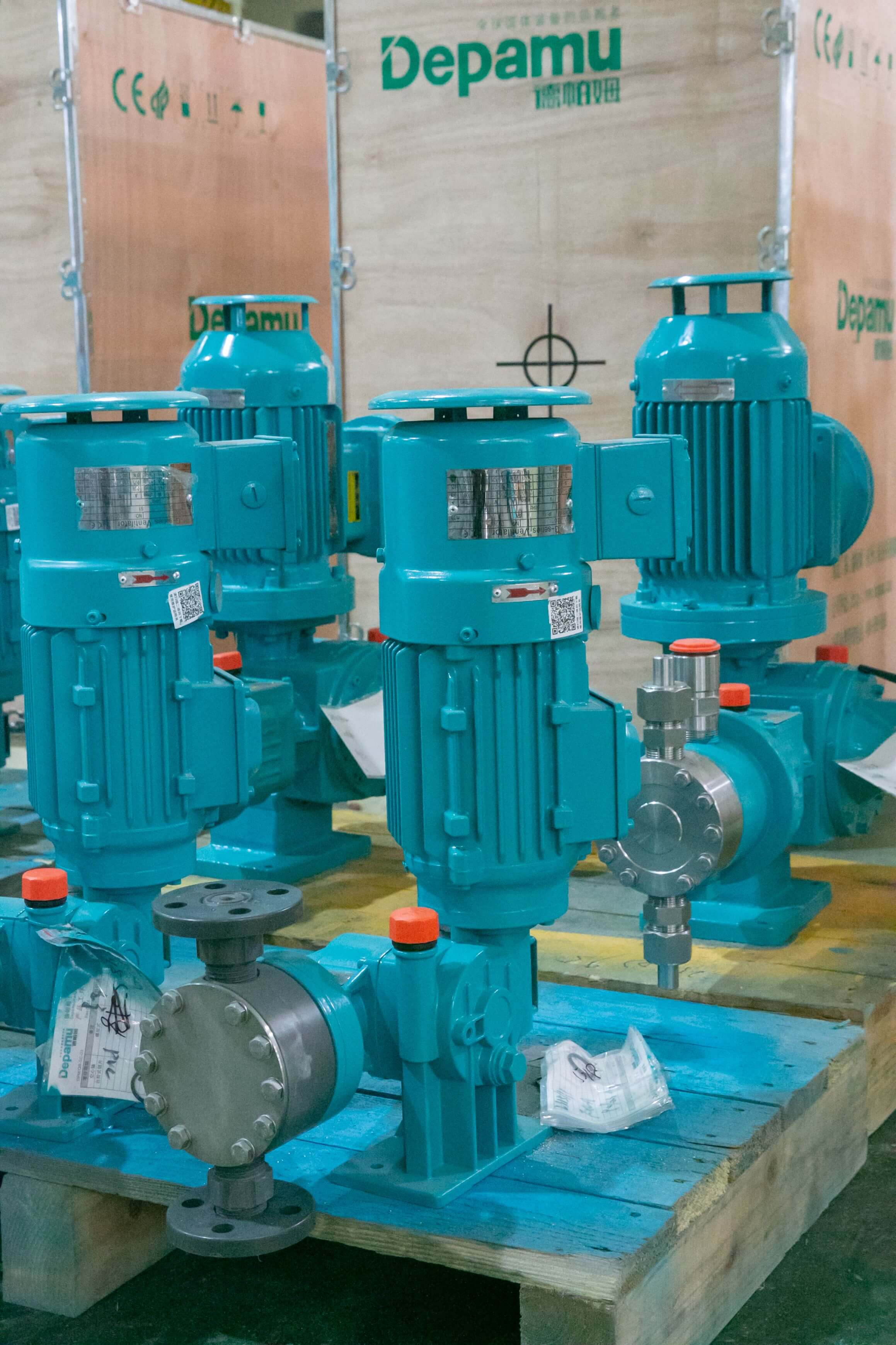
Polyacrylamide solutions behave differently from low-viscosity chemicals. The polymer chains are sensitive to mechanical shear, so a pump that looks adequate on paper can still damage the flocculant and waste chemical. Wholesale buyers should therefore describe the prepared solution behaviour, the dosing point, and the surrounding process when requesting a quotation, because those details decide whether a diaphragm metering pump, a screw pump, or a packaged dosing system is the sensible choice.
A serious wholesale supplier will also explain how the pump is calibrated after installation and which parts wear in normal service. Diaphragms, valves, and seals are replaced most often, and their availability affects total operating cost far more than the purchase price of the pump itself.
Configuration Details That Change the Quote
The same pump family can be quoted at very different prices depending on how it is configured. Ask for each of the following to be stated explicitly in the offer:
- Wetted material selection for the pump head and valves, matched to the chemical being dosed
- Diaphragm or plunger type, together with the seal arrangement that goes with it
- Control method, from manual stroke adjustment to automatic pacing from a flow or analyzer signal
- Motor enclosure and installation environment, including indoor or outdoor mounting
- Pulsation dampeners, safety valves, and back-pressure protection
- Packaged options such as dissolving tanks, mixers, and skid mounting
When every supplier prices the same scope, the comparison becomes meaningful and the cheapest offer is no longer automatically the lowest-cost installation.
PAM Dosing Pump Factory Checks Before You Place an Order
A PAM dosing pump factory should be assessed on manufacturing control, not on catalogue claims. Ask how wetted parts are machined and inspected, how each unit is pressure-tested before dispatch, and who handles warranty claims after installation. Answers that stay specific and traceable are a stronger signal than polished marketing material.
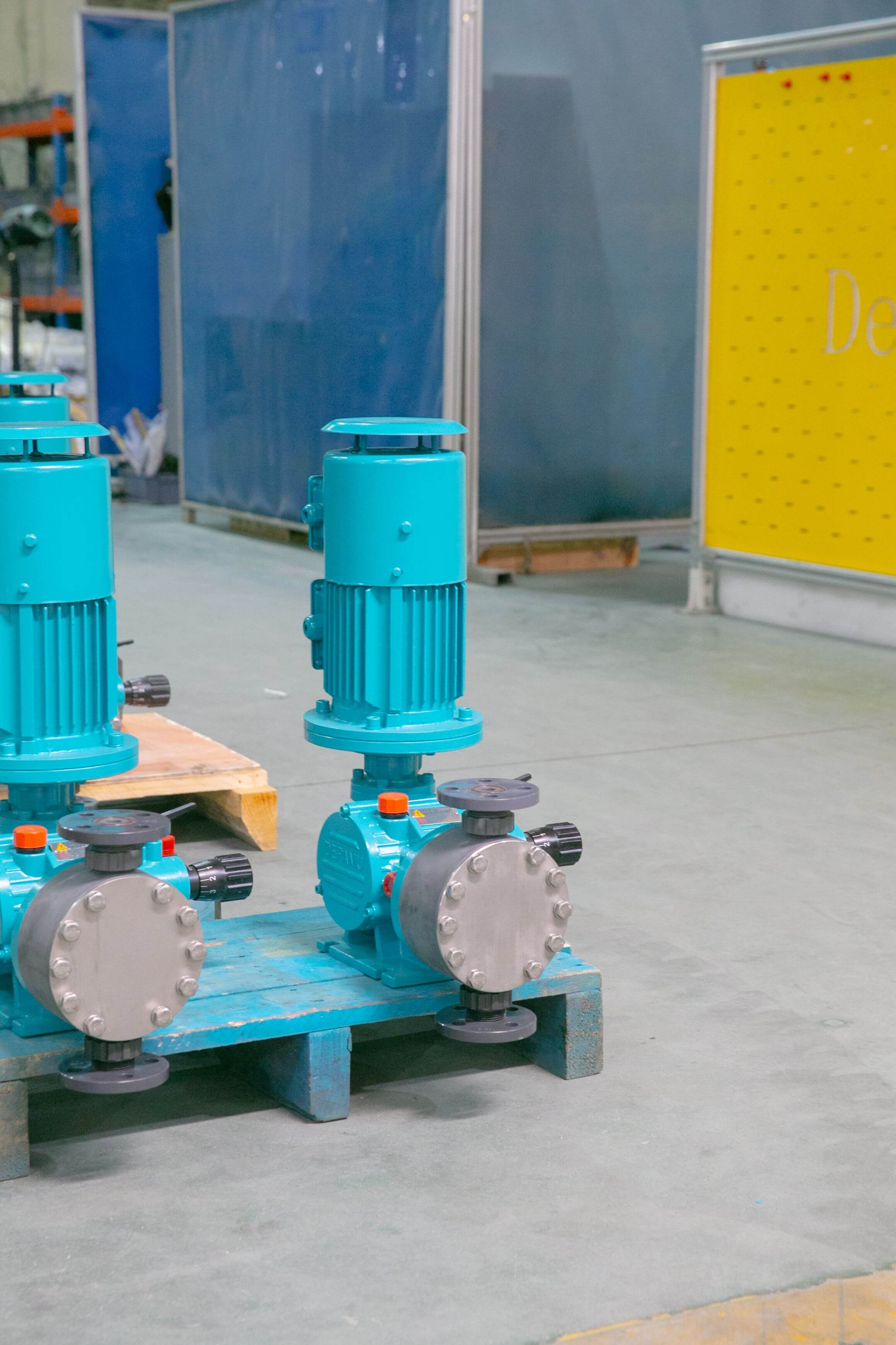
Factory assessment usually starts with the documentation package: dimension drawings, material declarations, wiring diagrams, and an operating manual in the buyer’s language. A plant that produces these documents routinely is usually also the one that can still support spare parts long after the original order has been delivered.
Production scheduling matters for wholesale volumes. Buyers should ask how orders are planned, whether accessories are assembled and tested together with the pump, and how units are packed for export. Crating, moisture protection, and labelling requirements differ by destination, and vague packaging terms are a common source of delay at the port.
It is equally reasonable to ask for references from comparable projects, and to check whether the factory can name the industries it normally serves. A supplier that answers such questions quickly is generally better prepared to handle technical changes during the project.
Which PAM Dosing Pump Is Good for Polymer Dosing Duty
For polymer dosing, the right pump is the one that delivers a steady, low-shear flow at the pressure your dosing point requires. Diaphragm metering pumps suit accurate chemical injection, while screw pumps handle viscous prepared solutions with less risk of damaging the polymer chain.
Diaphragm Metering Pumps
A hydraulic diaphragm metering pump keeps the chemical away from the drive and produces a repeatable injection rate, which makes it a sound default for continuous dosing into a pressurized line. Adjusting stroke length or running frequency changes the delivered dose, so operators can trim the dosage as the process load shifts. The key checks are diaphragm life, valve fouling, and whether the pump can be calibrated on site with the actual solution.
Plunger and Reciprocating Pumps
Plunger and other reciprocating designs are chosen when the discharge pressure requirement is demanding or when the medium carries solids that would stress a diaphragm. They need more attention to packing and seals, so they suit duty where pressure capability and ruggedness outweigh the simplicity of a sealed diaphragm head.
Screw Pumps and Packaged Dosing Systems
Prepared polyacrylamide solutions are viscous and easily sheared, and a screw pump moves them with a gentle, positive displacement action. For plants that prefer a single skid, a packaged dosing system combining a dissolving tank, a mixer, and metering pumps reduces site assembly work and makes the whole dosing loop easier to commission and clean.
How to Contact a PAM Dosing Pump Manufacturer and What to Prepare
Contacting a PAM dosing pump manufacturer is most effective when the first message already contains the duty conditions. Include the chemical, prepared solution behaviour, required flow and pressure, available utilities, and the control signal you intend to use, so the reply can be a real configuration instead of a general brochure.
Written inquiries through an official sales channel keep a record of what was asked and what was offered, which matters when several quotes have to be compared later. Attach a simple sketch of the dosing point and state the installation environment, because indoor or outdoor mounting, corrosive atmospheres, and limited floor space all influence the proposed arrangement.
A good reply will quote specific materials, name the accessories included in the scope, state the documentation provided with the unit, and identify the spare parts recommended for the first service interval. If a supplier answers only with a price and a model number, the offer is not yet a basis for a technical decision.
FAQ
Which PAM dosing pump is good for continuous duty?
A diaphragm metering pump is usually the better starting point for continuous PAM dosing, because the hydraulic diaphragm isolates the chemical from the drive and holds a steady injection rate. Confirm the diaphragm and valve materials against the prepared solution before the order is placed.
Which PAM dosing pump is stronger under high discharge pressure?
Plunger and other reciprocating pump designs generally hold higher discharge pressure than diaphragm metering pumps. The trade-off is that packing and seals need more attention, so the choice depends on whether pressure capability or chemical containment matters more at the dosing point.
How do I contact a PAM dosing pump wholesale manufacturer?
Contact a wholesale manufacturer through its published sales channel and send the duty conditions in the first message. A written inquiry covering flow, pressure, chemical, and control requirements usually produces a usable quotation faster than a general price request.
What should a PAM dosing pump factory send before shipment?
A factory should send the test record, dimension drawings, material declarations, wiring diagram, and operating manual before shipment. These documents let the site team prepare piping supports, electrical connections, and commissioning checks in advance.
Can a wholesale order be customized for a specific installation?
Yes. Wholesale orders can usually be customized on pump head material, diaphragm material, control method, and mounting arrangement. Describe the installation constraints early, because changes after the order is released cost more time than changes made during quotation.
Summary
In short, a PAM dosing pump wholesale manufacturer is worth shortlisting when it documents the configuration, tests each unit before dispatch, and supports the pump after installation. Match the pump type to the polymer solution and to the discharge pressure, prepare a complete duty specification before contacting suppliers, and compare quotations on the same technical scope rather than on price alone.