
A reliable stainless steel rotary lobe pump custom manufacturer should combine application engineering, material selection, fabrication control, and responsive supply support, so the pump matches the duty rather than only the catalog. Buyers should compare how a supplier defines scope, documents decisions, and supports installation and long-term operation.
What a Stainless Steel Rotary Lobe Pump Custom Manufacturer Should Provide
A stainless steel rotary lobe pump custom manufacturer should provide a documented path from process data to a build specification, including material review, dimensional fit, drive selection, and testing criteria. The supplier should make assumptions visible and confirm them before fabrication begins.
A custom build begins with the duty point, not with a model number. The buyer should describe the medium, flow, pressure, temperature, viscosity, solids, duty cycle, cleaning routine, and installation constraints. The supplier should then translate those inputs into a proposed configuration, identify assumptions, and state which items require confirmation. This step prevents a quote from becoming a loosely defined promise that is difficult to inspect or accept.
Stainless steel construction is usually selected when corrosion resistance, washdown, or product contact requirements matter, but the word stainless steel alone is not a specification. The supplier should explain which wetted parts use which material, how seams and surfaces are handled, and how the selected drive and sealing arrangement fit the duty. Buyers should ask for the reasoning behind each choice rather than accept a material label without context.
Documentation is part of the product. A useful custom manufacturer will define the approved drawing, bill of materials, inspection points, test records, operating limits, and spare-parts list before shipment. These records help the buyer verify the order, plan installation, and maintain the pump after startup. If the supplier cannot explain how decisions are recorded, the buyer has limited ability to compare offers or resolve later questions.
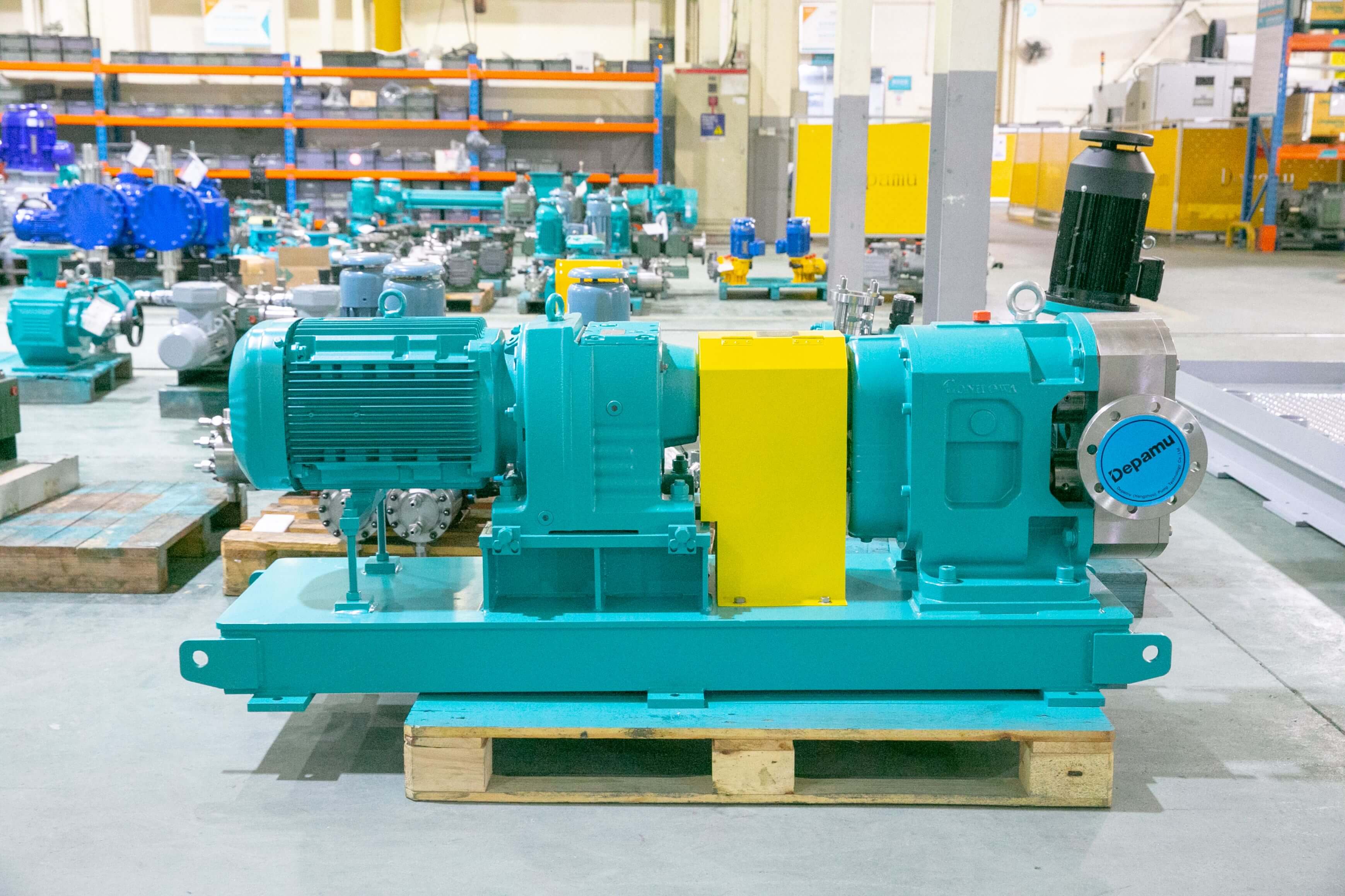
How to Compare Custom, Made-to-Order, and Supply Manufacturers
The terms custom, customized, made-to-order, supply, and direct sales describe commercial models rather than a fixed level of engineering support. Buyers should verify who controls design, who performs assembly, and who owns after-sales response. A clear comparison should also confirm which party handles technical clarification, documentation, and spare parts.
A custom manufacturer usually takes more responsibility for design decisions and may propose changes when the duty is not fully defined. A made-to-order manufacturer may work from a fixed platform with selected modifications. A supply manufacturer may coordinate sourcing and delivery, while a direct sales manufacturer may sell through its own commercial team. These labels are not quality grades; they describe where engineering authority and commercial responsibility sit.
Buyers should ask for a written scope that states what is standard, what is modified, and what is excluded. The scope should identify the party responsible for drawings, calculations, material confirmation, assembly, inspection, packing, transport, commissioning support, and warranty response. A low price with an unclear boundary often creates more cost later, especially when site interfaces or documentation requirements are discovered after the order.
A practical comparison also considers communication. The supplier should answer technical questions in specific terms, return marked drawings with clear comments, and explain the effect of any change. If replies remain general, the buyer should treat that as a warning sign. The goal is not to find the longest proposal, but to find a proposal that makes responsibilities and assumptions visible.
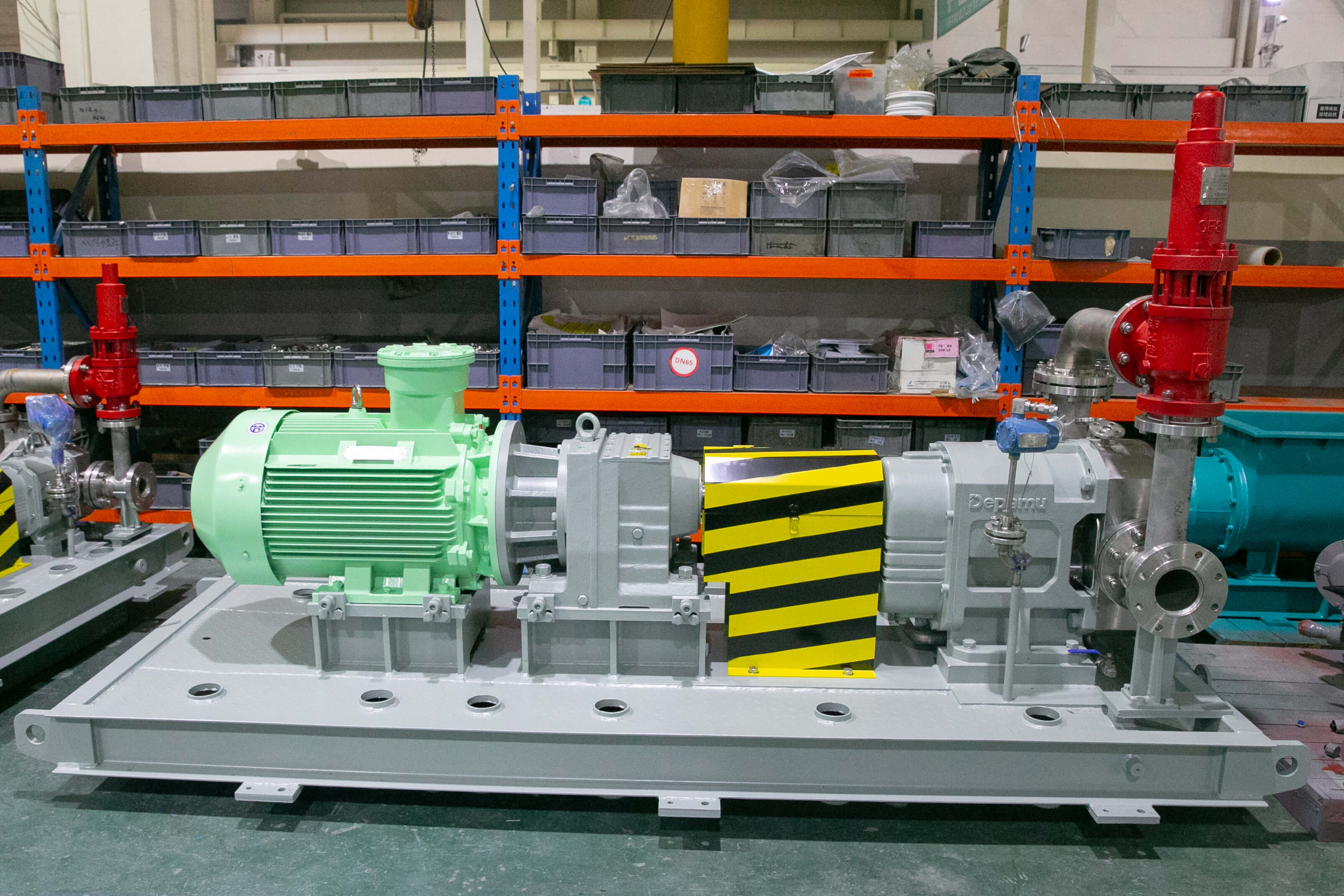
Manufacturing Capability and Application Experience
Manufacturing capability matters because a custom pump must be built, inspected, and delivered as a coordinated package, not as separate parts. A supplier with in-house engineering, fabrication, assembly, and testing can reduce interface risk and shorten problem resolution. This integration is especially important when the duty involves multiple interfaces.
Based in Hangzhou, the company was founded in 2003 and has more than 400 employees. Its production site covers about 35,000 square meters, with registered capital of RMB 54 million and annual output value of approximately RMB 500 million. The company focuses on high-end volumetric pumps and fluid equipment, including metering pumps, high-pressure process reciprocating pumps, pneumatic pumps, electric pumps, chemical dosing systems, water and steam sampling devices, water treatment equipment, screw pumps, rotary lobe pumps, gear pumps, emulsifying pumps, special centrifugal pumps, and supercritical extraction devices. It introduced technology from Germany and continues product development.
The company can provide standard products, non-standard products, and customized fluid solutions based on medium properties, flow, pressure, temperature, and site process requirements. Its products have been applied in petroleum refining, chemicals, oil and gas fields, nuclear industry, power, metallurgy, new energy, environmental water treatment, new materials, and food. By sales business, petroleum refining and chemicals account for about 41%, oil and gas fields about 23%, nuclear, power, metallurgy, and new energy about 15%, environmental water treatment about 13%, new materials and food about 3%, and other industries about 5%.
The company has comprehensive capability from product research and development, design and manufacturing to integrated delivery. Sales were about RMB 450 million in 2023, RMB 510 million in 2024, and RMB 560 million in 2025. The company reports continued sales growth. For buyers who need a coordinated fluid equipment package, this breadth of product and application experience can support a more informed technical discussion.
Customization Inputs Buyers Should Prepare
A clear inquiry helps a custom manufacturer quote accurately and reduces avoidable revisions later. Buyers should provide process data, material expectations, interface requirements, documentation needs, and the intended operating profile in one structured package. Missing information should be raised as a question rather than left for assumption.
A structured inquiry should separate fixed requirements from preferences. Fixed requirements are items that cannot change without affecting safety or process performance, such as the medium and design pressure. Preferences may include surface finish, control architecture, or documentation format. Separating the two helps the supplier propose alternatives without weakening essential requirements.
- Medium and concentration, including whether solids are present
- Required flow and pressure at the duty point
- Temperature, viscosity, and start-stop or continuous duty profile
- Installation layout, piping interfaces, and available space
- Cleaning method and surface requirements
- Drive, control, and instrumentation scope
- Documentation, inspection, and delivery expectations
- Spare-parts and service needs
The inquiry should also state who will review the offer, who will approve drawings, and how changes will be controlled. When these points are clear, the supplier can respond with a proposal that is easier to compare against other offers. The buyer can then focus on technical fit, not on reconstructing missing details.
Supply, Direct Sales, and After-Sales Support
A supply manufacturer and a direct sales manufacturer can both serve buyers, but the commercial path differs. Buyers should confirm whether the quote comes from the production entity, a channel partner, or a mixed model, and who is responsible for technical clarification, delivery coordination, and after-sales service.
The commercial model should be checked against the project risk. If the buyer needs fast technical clarification, the route to the engineering team matters. If the buyer needs long-term spare-parts support, the service path matters. If the buyer needs a coordinated package, the supplier’s ability to control interfaces matters. A direct sales route is not automatically better than a supply route, and a supply route is not automatically more flexible. The decision should follow the required support model.
Before release, the buyer should confirm the order owner, communication channel, change-control process, delivery documents, and service contact. These items are not technical details, but they determine how quickly problems are resolved. A supplier that names responsibilities clearly is easier to work with than one that relies on informal promises.
FAQ
The questions below address common procurement concerns for buyers comparing a stainless steel rotary lobe pump custom manufacturer, a made-to-order supplier, a supply manufacturer, and a direct sales manufacturer. Each answer focuses on the information needed to define scope, confirm responsibilities, and reduce avoidable project risk.
How can I evaluate a stainless steel rotary lobe pump custom manufacturer?
Evaluate the supplier by asking how it converts process data into a documented build specification, how it controls material and dimensional decisions, and how it handles testing, delivery, and after-sales support. A clear process is more useful than a broad product list.
What information should I prepare before requesting a custom rotary lobe pump?
Prepare the medium, flow, pressure, temperature, viscosity, solids content, duty cycle, installation layout, piping interface, control requirements, documentation needs, and expected delivery plan. Clear inputs reduce assumption-based quoting and later changes.
How should material selection be handled for a stainless steel rotary lobe pump?
Material selection should start from the medium, operating temperature, cleaning method, and corrosion risk, then be confirmed against the wetted parts and the fabrication method. The buyer should ask for the rationale, not only the material name.
What is the difference between a supply manufacturer and a direct sales manufacturer?
A supply manufacturer focuses on providing the pump and related supply coordination, while a direct sales manufacturer sells through its own commercial channel. The key question is which party owns technical clarification, order execution, documentation, and after-sales response.
What should be confirmed before approving a custom pump order?
Confirm the duty data, materials, dimensions, interfaces, drive and control scope, documentation package, inspection plan, delivery responsibilities, and service path. Approving a drawing without confirming these items can shift avoidable risk to the buyer.
Summary
For a stainless steel rotary lobe pump custom manufacturer, a practical choice is the supplier that turns process data into a documented build specification, confirms material and interface decisions, and remains accountable through delivery and service. Buyers should compare engineering depth, fabrication control, customization discipline, and support model rather than price alone.