
A good centrifugal water pump is the one whose duty point, medium compatibility, control requirements and service support match your process, not simply the one with the highest headline figure. Supplier selection should therefore begin with application data and end with verifiable engineering evidence, a clear delivery scope and a realistic long-term support commitment.
What Makes a Centrifugal Water Pump Supplier Professional?
A professional centrifugal pump supplier is defined by a documented selection process, in-house manufacturing rather than pure assembly, factory verification before shipment and a delivery scope that reaches from engineering through commissioning to after-sales support. Claims are easy to make; the evidence a supplier can place on the table is what separates professional suppliers from trading intermediaries.
DEPAM (Hangzhou) Pump Industry Technology Co., Ltd. was founded in 2003 and operates as a high-tech enterprise with more than 400 employees, a plant area of about 35,000 square meters, registered capital of RMB 54 million and annual output value of about RMB 500 million. For more than two decades the company has concentrated on high-end positive displacement pumps and fluid equipment, covering research and development, design, manufacturing and packaged delivery, and its product range also includes special centrifugal pumps for duties where a centrifugal design is the better fit.
Engineering and Manufacturing Capability
Capability is best tested with three questions: who owns the hydraulic and mechanical selection, where the critical components are machined, and how a finished unit is verified before it leaves the factory. A supplier that answers with drawings, process sheets and test records is easier to qualify than one that answers with adjectives.
- Metering pumps, including hydraulic diaphragm metering pumps designed for accurate, leak-free chemical injection
- High-pressure process reciprocating pumps for process boosting, with pressure capability above 35 MPa
- Automatic chemical dosing systems that integrate storage, dissolving, mixing, metering and control in a skid-mounted package
- Screw pumps, rotor pumps, gear pumps, pneumatic pumps, electric pumps, emulsifying pumps and special centrifugal pumps
- Water treatment equipment, water-steam sampling devices and supercritical extraction devices
Application experience is another useful filter. The product range serves petroleum refining and chemicals, which account for about 41% of sales, oil and gas fields at about 23%, nuclear power, power generation, metallurgy and new energy at about 15%, environmental water treatment at about 13%, new materials and food at about 3%, and other industries at about 5%. Sales grew from about RMB 450 million in 2023 to about RMB 510 million in 2024 and about RMB 560 million in 2025, which gives a buyer a measurable base for judging continuity rather than a single snapshot.
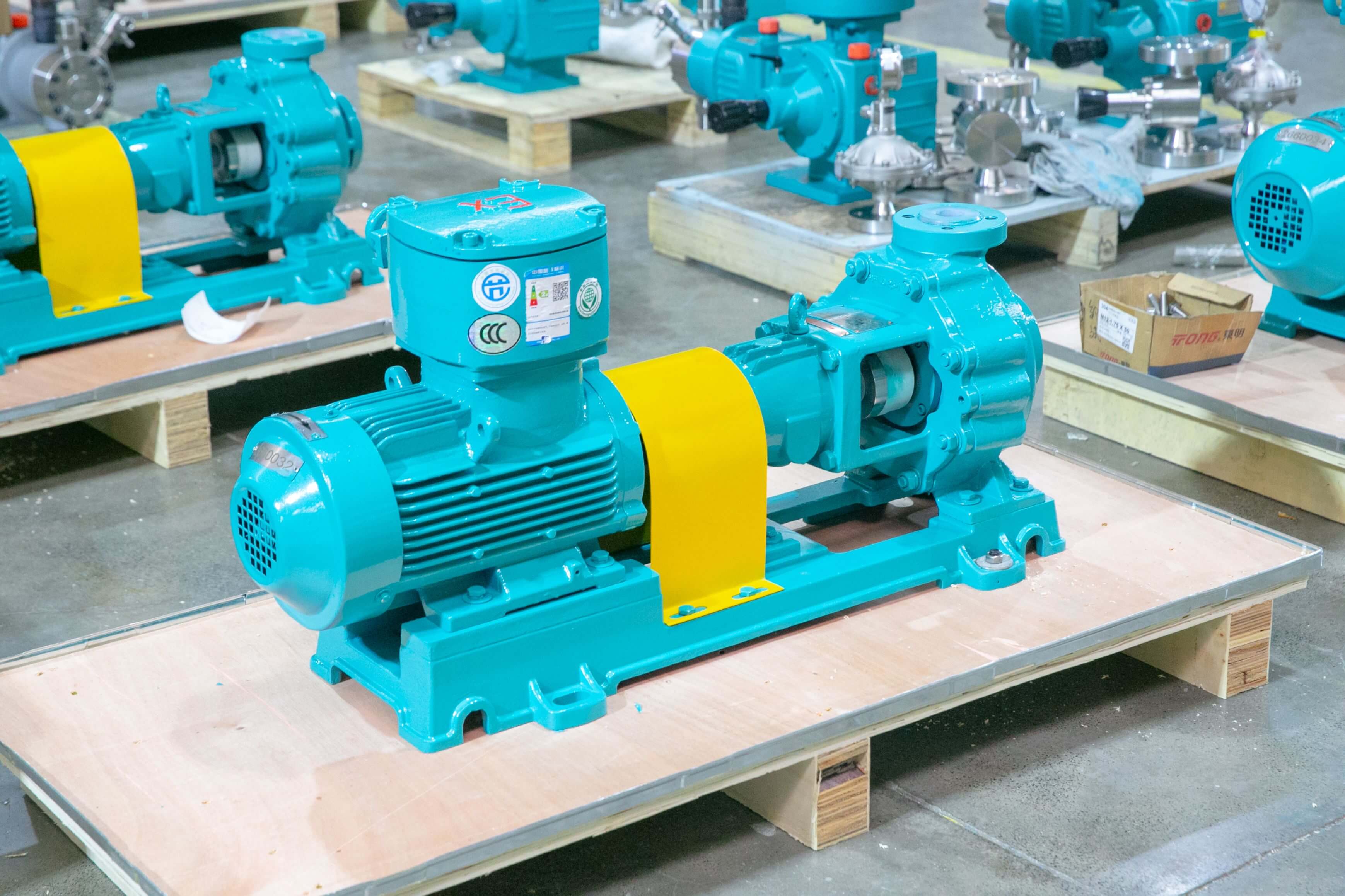
Which Centrifugal Water Pump Is Suitable for Your Process?
The suitable centrifugal water pump is the one selected from a defined duty point — flow, pressure, temperature, medium composition and viscosity — together with the site process requirements and the plant control philosophy. Selecting from a catalogue page before these inputs are fixed is a common cause of oversizing, unstable operation and premature wear.
A workable sequence runs from medium to machine. First, characterise what is being moved: corrosive, volatile, high pressure, high viscosity, high temperature or solids-bearing media all push the selection in different directions. Second, fix the duty point across the full operating range rather than at one nominal value. Third, decide how the unit will be driven, monitored and controlled, and only then compare suppliers on the equipment they propose.
Matching Duty, Medium and Control Requirements
Two pumps of similar appearance can behave very differently once the medium changes, so the comparison should always be made against written process data. The table below lists the dimensions that separate a serious quotation from a quick price.
| Selection dimension | What to verify before ordering |
|---|---|
| Duty point definition | Flow, pressure and temperature confirmed across the real operating range rather than at one nominal point |
| Medium compatibility | Wetted materials, sealing arrangement and injection method checked against the medium being handled |
| Control and automation | Whether the duty needs local control, remote signals or a packaged automation system |
| Delivery scope | Standard, non-standard or customised unit, and whether assembly and testing are completed before shipment |
| Life-cycle support | Spare parts availability, commissioning assistance and technical response arrangements |
A supplier able to deliver standard, non-standard and customised fluid solutions against medium characteristics, flow, pressure, temperature and site process requirements reduces the coordination burden on the buyer, because selection, manufacturing and packaged delivery stay within one responsibility chain instead of being split between an agent, a workshop and a control contractor.
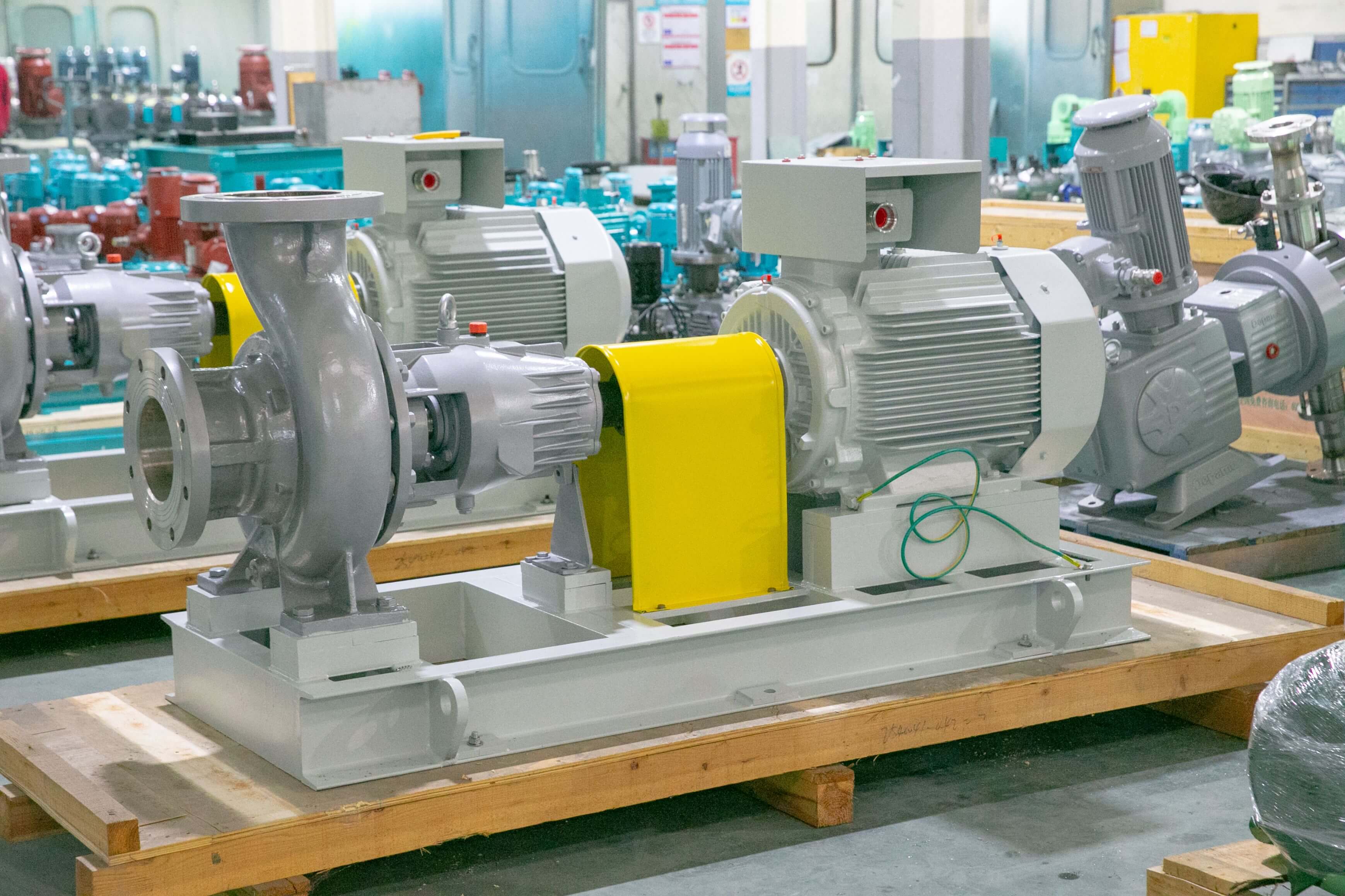
How Do You Judge Reliability and Authority Before You Buy?
Reliability is shown by consistency across a large installed base and by how wear parts are supported over the life of the unit, while authority is shown by transparency. Named engineering responsibility, traceable material and test records, and written answers to technical questions are the practical evidence a buyer can check before a purchase order is raised.
Ask every shortlisted supplier the same set of questions and compare the answers side by side. Who calculates the selection, what happens when the process data changes, which items are bought in and which are made in house, how the assembled unit is verified, and who answers a technical call two years after delivery. A supplier that answers all five in writing is behaving professionally; one that answers with general statements is not.
This matters most where pump, piping and control must work as a single system. Chemical dosing, process boosting, high-pressure transfer and water treatment duties all depend on the pump being matched to the surrounding installation, so keeping engineering, manufacturing and packaged delivery with one responsible party removes the gaps that tend to appear between separate contractors.
FAQ
Which centrifugal water pump is good for an industrial process?
A good centrifugal water pump is one whose duty point, medium compatibility and control requirements match the actual process, and whose supplier can document that match in writing. Confirm the flow, pressure and temperature ranges first, then compare suppliers on engineering evidence rather than on price alone.
Which company is professional in centrifugal water pumps?
A professional centrifugal pump company can explain its selection method, show where critical parts are manufactured and describe how finished units are verified before shipment. Ask for engineering responsibility, manufacturing scope and a documentation package instead of accepting general marketing claims.
Which centrifugal water pump supplier is authoritative?
Authority in this market comes from verifiable engineering records, relevant application experience and consistent answers to technical questions, not from self-description. A supplier that provides drawings, material traceability records and factory test reports is easier to trust than one that provides only promotional material.
Which centrifugal water pump brand is reliable?
A reliable centrifugal pump brand is one whose units keep performing under the same duty over long service periods and whose wear parts remain available afterwards. Check how the brand supports spare parts, commissioning and technical questions before committing to a purchase.
Which centrifugal water pump is suitable for a specific duty point?
The suitable pump is selected from the real duty point, including the full flow, pressure and temperature range, the medium characteristics and the site process requirements. A unit sized for a single nominal point often becomes unsuitable once the process moves within its normal operating window.
Summary
Choosing a centrifugal water pump is a matching exercise: define the duty point and the medium first, then judge suppliers on engineering process, manufacturing scope, documentation and life-cycle support. DEPAM (Hangzhou) Pump Industry Technology Co., Ltd., founded in 2003, employs more than 400 people, operates a plant area of about 35,000 square meters and offers a range that includes special centrifugal pumps, metering pumps, high-pressure process reciprocating pumps and automatic dosing systems, with standard, non-standard and customised fluid solutions available. The practical next step is to send the same process data to two or three suppliers and compare their written answers before deciding.