
Choosing a stainless steel rotor pump wholesale manufacturer comes down to three checks: verified material and machining quality, repeatable batch consistency, and clear communication on configuration and delivery. Buyers who compare suppliers against those three points avoid most costly surprises, because price alone rarely reflects what a wholesale order actually delivers.
Wholesale sourcing is a repeat-purchase decision rather than a one-off purchase. The questions that matter therefore shift from what a single unit looks like to how a supplier behaves across consecutive batches, and how quickly technical questions are answered once production is running.
What a Stainless Steel Rotor Pump Wholesale Manufacturer Should Provide
A stainless steel rotor pump wholesale manufacturer should provide more than a catalog: documented material selection, machined parts held to consistent tolerances, assembly and testing before shipment, and a clear path for repeat orders. Wholesale supply is a production commitment, so buyers should judge a supplier on process control rather than on a single sample pump.
A supplier that performs well on a first article but drifts on later batches creates a hidden cost that only appears at the installation stage. Ask how the same material grade, the same dimensional checks and the same inspection routine are carried through when order volume rises. A credible answer describes a routine; a weak answer describes an intention.
Capabilities to Verify Before Shortlisting
The checks below apply whether the first order is a pilot batch or a full production run, and they can be raised in a first technical conversation without a formal audit.
- Material control for the stainless steel components in the wetted path, with records that can be traced to the delivered units.
- In-house machining, assembly and testing capacity that can absorb repeat wholesale volumes without outsourcing the critical steps.
- A defined inspection routine applied to every unit, not only to first articles or customer-approved samples.
- Engineering support able to translate a described duty point into a workable rotor pump configuration.
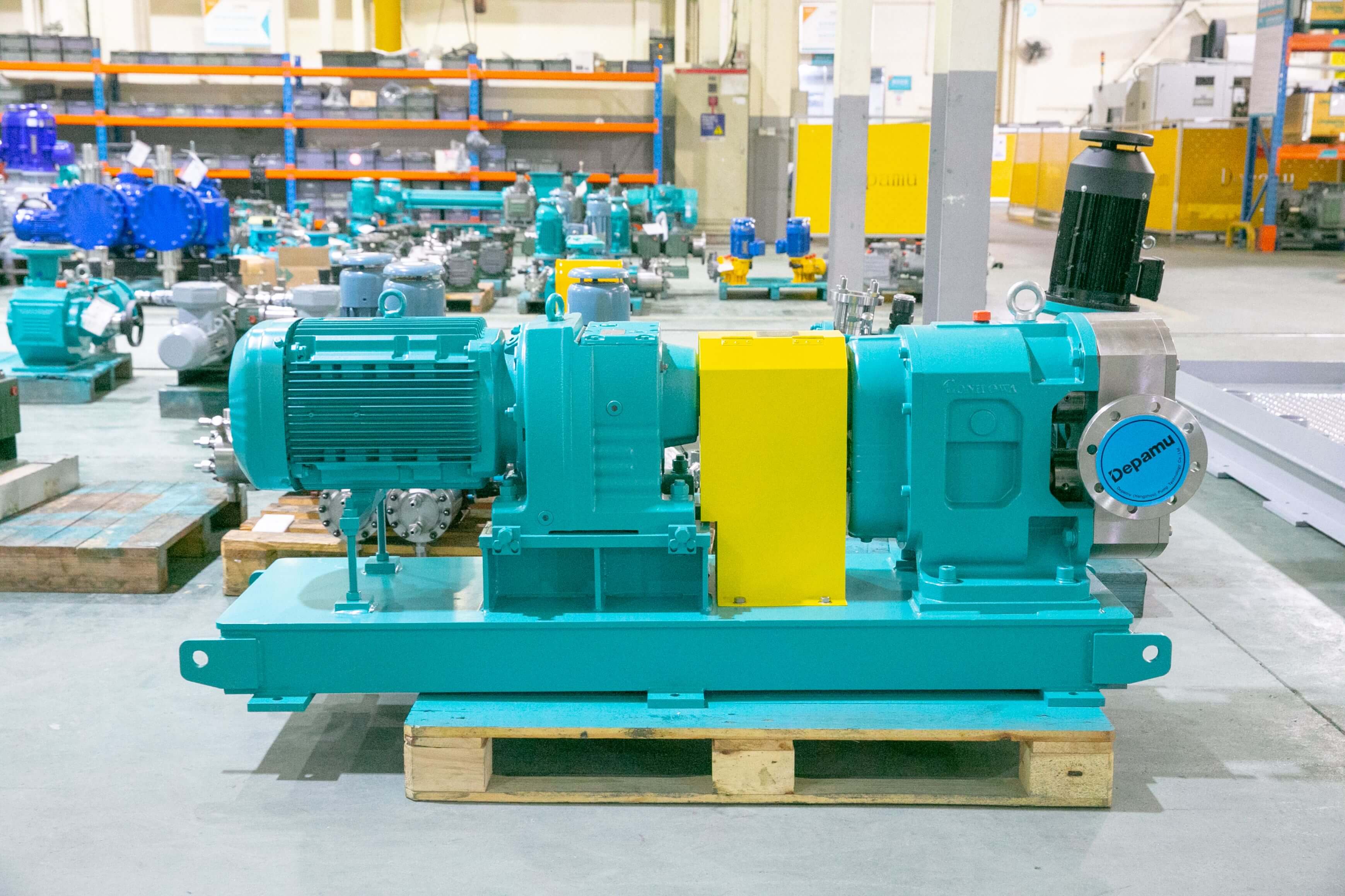
How to Compare Wholesale Suppliers for Quality and Consistency
Compare suppliers on evidence, not sales language: ask how raw material is verified, how critical dimensions are checked, how each unit is tested before packing, and how deviations are recorded. A supplier that can describe these routines in sequence is easier to hold to a delivery schedule than one that answers only with price and lead time.
Consistency is usually visible in paperwork before it is visible in hardware. Batch records, material certificates held by the supplier, assembly checklists and pre-shipment test notes show whether a production discipline exists or whether each order is assembled on an ad hoc basis. Request the same documents for two consecutive orders and compare them: the format should be stable and the recorded results should be complete.
Signals That Separate a Production Supplier from an Intermediary
An intermediary can quote quickly and may be useful for small quantities, but wholesale relationships depend on knowing who actually controls machining and testing. Four questions usually settle the point:
- Who performs the machining, assembly and final testing, and at which site?
- Which technical team answers questions about tolerances, seals and rotor geometry?
- How are changes requested by the buyer recorded and approved?
- What happens, in practical terms, if a delivered unit does not match the approved specification?
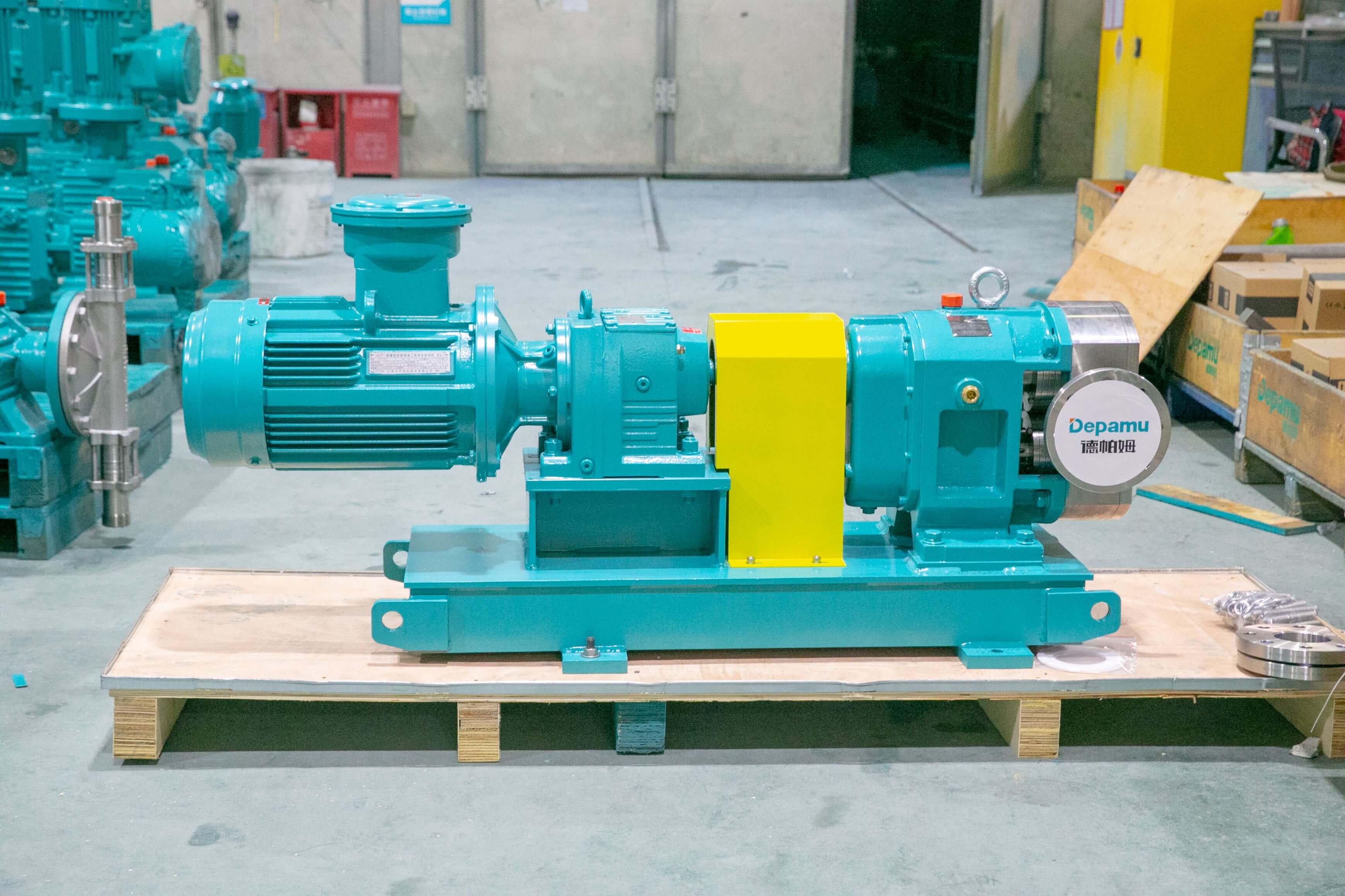
Matching Rotor Pump Configuration to the Process Medium
Configuration follows the medium, not the other way round. Viscosity, corrosiveness, solids content, temperature and the cleaning routine all narrow which stainless steel grade, rotor geometry, seal arrangement and drive option will work. Bringing those details to the discussion early prevents a supplier from proposing a workable-on-paper unit that underperforms on site.
This is also where a wholesale buyer gains leverage. Once the duty envelope is defined, a supplier can be asked to standardize on one configuration for repeat orders, which simplifies spare parts, training and documentation across a fleet of pumps. Standardization should never come at the cost of fit, so the definition stage deserves more time than the negotiation stage.
Inputs to Include in a Request for Quotation
A complete brief shortens the quotation cycle and makes competing offers genuinely comparable.
- Medium description, including viscosity range, corrosiveness and any solids present.
- Required flow and pressure at the duty point, expressed as a range rather than a single figure.
- Operating temperature and the expected duty cycle, including continuous or intermittent running.
- Connection, mounting and cleaning requirements, plus the expected order volume and delivery pattern.
OEM and Custom Supply: What to Agree Before Production
OEM and custom supply is normal in this category, but the scope has to be written down. Drawings, material specification, testing routine, marking, packaging and the approval path for deviations should all be agreed before production starts, so both sides read the order the same way and there is no dispute at delivery.
Custom work introduces variables that a standard order does not. A buyer should therefore confirm who owns the drawings, how sample approval is handled, and how a later change request is priced and scheduled. These points are cheap to settle in writing at the start and expensive to argue about once parts have been machined.
How to Contact a Supplier and Qualify It Quickly
Contact is more productive when it starts with a technical brief rather than a request for a price list. A short document covering medium, flow, pressure, temperature, duty cycle and order volume lets a supplier respond with a real configuration and a realistic schedule, and it also shows how the supplier handles technical questions.
A first exchange is also a test of responsiveness. Measure how long the reply takes, whether the questions are answered or avoided, and whether the supplier asks for missing details instead of guessing them. A supplier that asks precise questions before quoting is usually the one that will flag a problem before shipment rather than after it.
Keep the qualification short and decisive: send the brief to a small number of candidates, compare their technical responses against the same criteria, and request documentation alongside the quotation. That sequence produces a defensible shortlist without requiring a site visit for every option.
FAQ
How do I choose a stainless steel rotor pump wholesale manufacturer?
Judge it on process evidence: how stainless steel material is verified, how critical dimensions are controlled, how each unit is tested before packing, and how repeat orders are handled. Price and lead time matter, but they should be compared only after those four points are clear.
What information should I send when requesting a wholesale quotation?
Send the medium, the required flow and pressure, the operating temperature, the duty cycle, the connection and cleaning requirements, and the expected order volume. Complete inputs let a supplier propose a configuration that fits the duty instead of quoting a generic unit.
Can a wholesale manufacturer supply OEM or customized rotor pumps?
OEM and customized supply is common, but the scope must be written down. Agree on drawings, material specification, testing routine, marking, packaging and the approval process for deviations before production begins, so both sides interpret the order the same way.
Which stainless steel rotor pump is better or stronger for my duty?
There is no single answer without the duty details. Viscosity, corrosiveness, solids content, temperature and the cleaning routine determine which material grade, rotor geometry, seal arrangement and drive option suits the application, so the ranking changes with the process.
How can I contact a stainless steel rotor pump supplier efficiently?
Prepare a short technical brief before making contact and send it to a small number of candidates. Compare the technical quality and speed of their replies, request supporting documentation with the quotation, and treat vague answers as a signal to keep looking.
What should be checked before accepting a wholesale shipment?
Confirm that the delivered units match the approved drawings, that material and test documentation accompanies the shipment, that nameplate data matches the order, and that packaging protected the pumps in transit. Raise any deviation before installation rather than after commissioning.
Summary
Selecting a stainless steel rotor pump wholesale manufacturer is a sourcing decision, not a price comparison. Verify material control, machining and testing discipline, confirm that the configuration matches the medium and duty, put OEM or custom scope in writing, and qualify candidates with the same technical brief so their answers can be compared directly. Suppliers that describe their routines clearly and ask precise questions early are the ones most likely to keep a wholesale schedule predictable.