
Which high-pressure process diaphragm pump is good depends less on any single headline figure than on how completely the unit matches the duty. Diaphragm type, control method, wetted materials, pressure and flow range, and the engineering support behind the hardware all decide whether the pump holds up over years of service.
Which High-Pressure Process Diaphragm Pump Is Good: The Criteria That Decide It
A high-pressure process diaphragm pump is a positive-displacement unit that moves liquid by flexing a diaphragm, keeping the process fluid on one side of the membrane and the drive mechanism on the other. That separation is why the design is often chosen where the fluid is corrosive, volatile, or costly to lose, and where metering accuracy and repeatability matter as much as pressure.
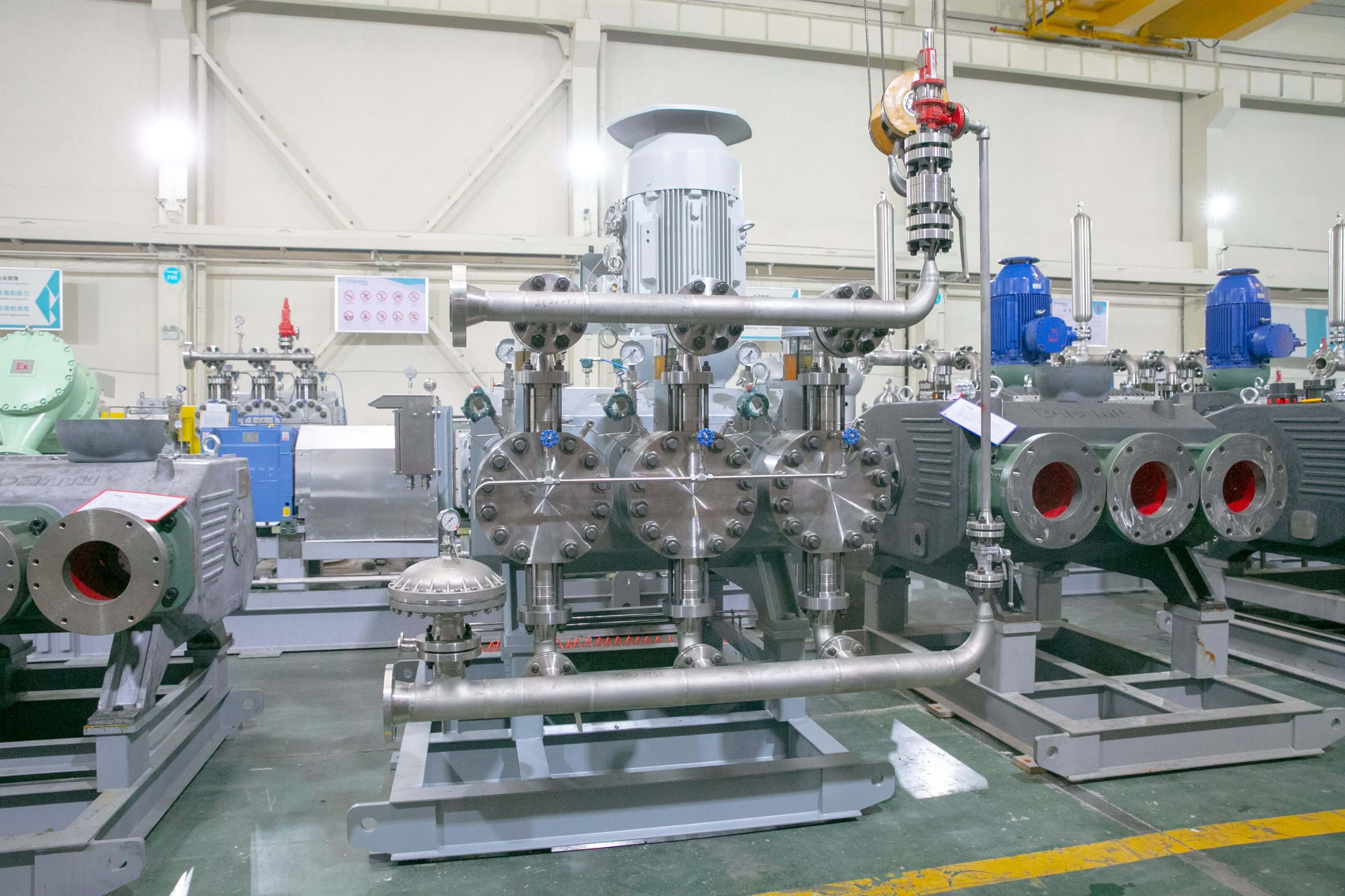
In high-pressure service the diaphragm carries the load, so the way it is actuated matters. Hydraulically actuated diaphragms spread the driving force across the membrane and are commonly used where discharge pressure is high and continuous operation is expected, while mechanically actuated designs are generally reserved for lighter duties. Flow is usually set by adjusting stroke length and running frequency, which is what allows a diaphragm pump to double as a metering device when a process needs a defined dose rather than a simple transfer.
Materials decide the working life of everything the liquid touches: the diaphragm, valve seats, check valves and liquid head. A pump that looks correct on paper can fail early if the wetted materials are matched to the wrong chemistry, so selection should begin from the media list rather than from a model list.
Duty Information to Collect Before Comparing Offers
Comparisons are only meaningful when every offer is priced against the same duty definition. Write down the answers below before requesting quotations, so that a supplier can size the pump and choose materials without guessing.
- Flow rate required, at minimum and maximum, and how often it changes
- Discharge pressure at the pump outlet, plus any back pressure from the line
- Fluid temperature range, including cleaning and standby conditions
- Viscosity, and whether the fluid carries solids or tends to crystallize
- Chemical composition and concentration, for wetted material selection
- Duty cycle: continuous, intermittent, or frequent start-stop operation
- Control requirement: local adjustment, remote signal, or linked to a dosing system
Which High-Pressure Process Diaphragm Pump Is Suitable for Your Process
Suitability is a match between the pump and the job it must do, not a ranking of models. A unit that suits one line may be the wrong choice a few meters away, because pressure, fluid chemistry, temperature and the way flow is controlled all shift the balance.
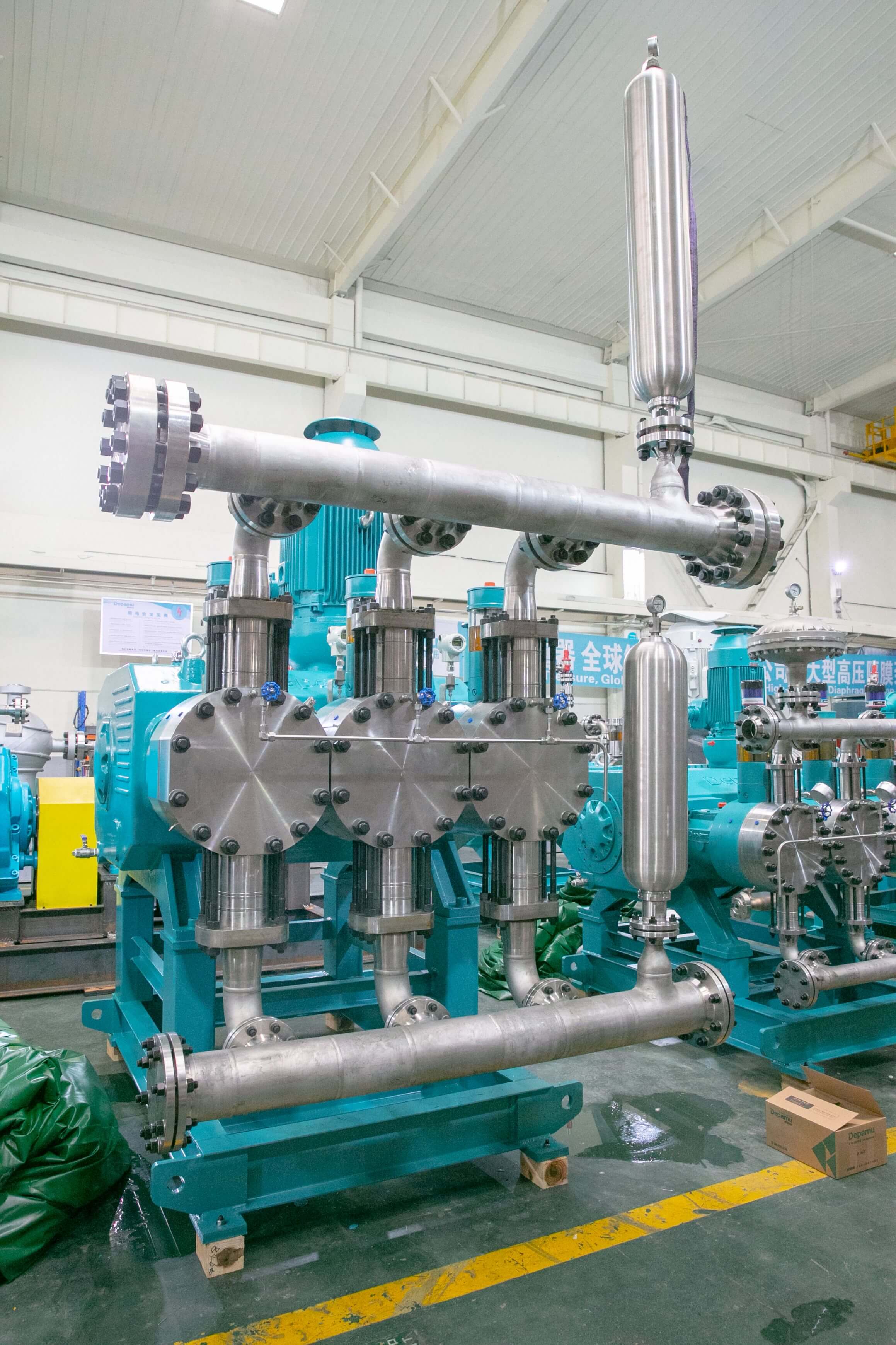
Diaphragm pumps appear across oil refining and petrochemical plants, oil and gas fields, nuclear and power generation, metallurgy, new energy, environmental water treatment, new materials, and food processing. Within those settings the same pump family is asked to do quite different work: high-pressure transfer, precise metering, chemical dosing, process boosting, and the movement of complex media that would wear out a simpler pump.
Where the fluid is corrosive, volatile or held at high pressure, the sealed liquid path becomes the deciding feature, because the drive never meets the process fluid. Where the fluid is viscous, hot or solids-bearing, the check valves and passage geometry deserve more attention than the diaphragm itself, since that is usually where a pump first begins to lose repeatability.
How to Tell Which Company Is Professional and Reliable
A professional supplier answers the duty question before the price question. That means asking about media, flow, pressure, temperature and site conditions, then proposing a configuration with a reason behind each material and control choice, instead of offering a catalogue number and leaving the match to the buyer.
Reliability shows up in the parts of the job that are easy to skip: a clear scope, a realistic lead time, documentation of the wetted materials, and a stated plan for commissioning and spares. Ask what happens after delivery, including who supports startup, how spare diaphragms and valves are supplied, and what information is needed to diagnose a drop in flow.
Scope matters as well. A supplier that can move from development and design through manufacturing to packaged delivery is easier to hold to a single point of responsibility than one that only assembles bought-in parts. Standard, non-standard and customized configurations should all be normal parts of the conversation, because high-pressure duties often include at least one detail that a standard range does not cover.
Which Company Is Authoritative, and How to Judge It
Authority in this field is built through demonstrated depth rather than a claim on a homepage. Look for a supplier whose experience spans both metering duties and high-pressure process duties, because those two pull pump design in different directions, and only a supplier that understands both can advise honestly on the trade-offs.
Depth also shows in how a supplier talks about media. A team that has worked with abrasive, viscous, high-temperature and aggressive fluids will ask about solids, vapour pressure and cleaning routines early, and will flag the points where the pump choice changes the rest of the installation instead of waiting for the buyer to discover them.
Because suppliers describe themselves in similar language, compare what can be checked: the engineering content of the proposal, the specificity of the material recommendations, the clarity of the interface between pump and control system, and the willingness to say when a diaphragm pump is not the right answer. A supplier that recommends a different pump type for a duty it does not suit is usually the one worth keeping in the conversation.
FAQ
Which high-pressure process diaphragm pump is good for a high-pressure dosing duty?
The one that matches the dose, the pressure and the fluid. For dosing work, confirm that flow can be adjusted finely through stroke length and running frequency, that the wetted materials suit the chemical, and that the pump can hold its accuracy when line pressure changes.
Which company is professional for high-pressure process diaphragm pumps?
A professional company asks about the duty before it quotes. Expect questions on flow, pressure, temperature, viscosity, solids and control requirements, and expect a proposal that explains why each material and configuration was chosen for your media.
Which company is reliable for high-pressure process diaphragm pumps?
Reliability is visible in delivery and support rather than in a slogan. Compare how clearly scope, lead time, documentation, spare parts and commissioning support are defined, and whether the supplier stays accountable after the pump is installed.
Which high-pressure process diaphragm pump is suitable for corrosive or viscous media?
Suitability comes from the wetted materials and the valve design. Corrosive fluids demand a chemically compatible diaphragm and liquid head, while viscous or solids-bearing fluids demand check valves and passages that will not clog or lose repeatability.
Which company is authoritative for high-pressure process diaphragm pumps?
The company whose advice holds up when the duty is difficult. Test this by asking how it would handle high temperature, solids or changing line pressure, and by checking whether its recommendations stay consistent between the technical discussion and the written proposal.
Summary
Which high-pressure process diaphragm pump is good is a question about fit, not about a ranking. Define the duty, match diaphragm actuation and wetted materials to the media, confirm that the control method suits your process, and then judge suppliers on the questions they ask and the support they commit to after delivery. A shortlist built that way is easier to defend than one built on catalogue claims.