
A reliable three screw pump supplier is judged less by a single price quote than by product depth, manufacturing consistency, and technical support. Buyers comparing options should confirm what a supplier actually builds, how it handles complex media, and whether its engineers can match equipment to real process conditions.
What a Reliable Three Screw Pump Supplier Should Provide
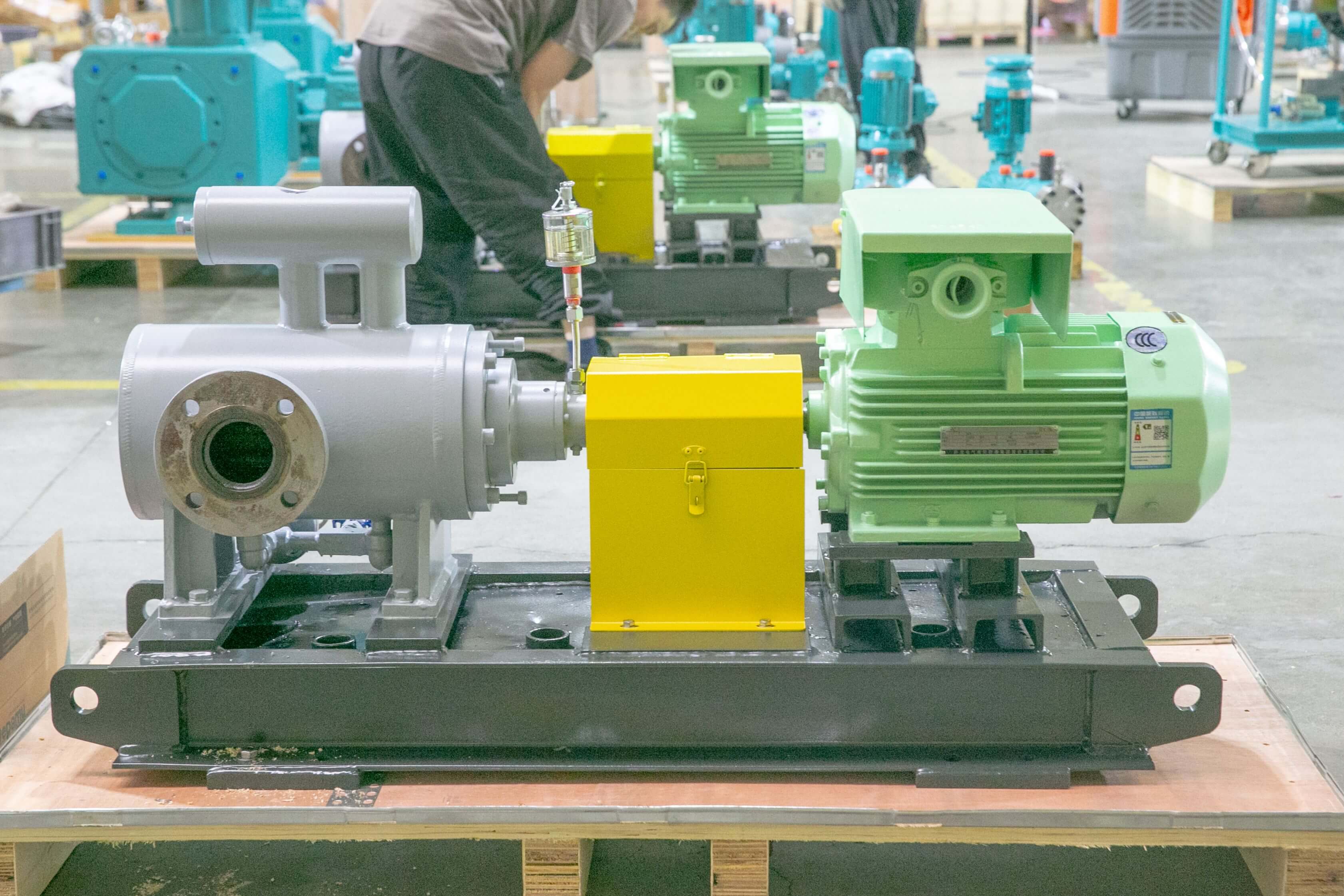
A reliable three screw pump supplier offers screw pumps within a broader fluid equipment portfolio, supports selection against the actual medium, flow, pressure and temperature, and can deliver standard, non-standard and customized solutions. Depth of range and clarity of technical communication matter more than a headline price.
Screw pumps are positive displacement rotary pumps used for steady, low-pulsation transfer of liquids, including viscous and difficult media. Because the equipment has to match the duty rather than the other way round, a supplier’s value shows up before the order: in how it reads a duty specification, asks about viscosity, temperature, solids content and duty cycle, and then proposes a configuration that fits the line instead of the catalogue.
DEPAM (Hangzhou) Pump Industry Technology Co., Ltd. is organised around this way of working. Founded in 2003, the company develops, manufactures and supplies high-end volumetric pumps and fluid equipment, offering screw pumps, rotary pumps and gear pumps alongside metering pumps, high-pressure reciprocating process pumps, pneumatic and electric pumps, chemical dosing systems, water-steam sampling devices, water treatment equipment and supercritical extraction units.
Product depth that supports real selection work
Range matters because pump selection is rarely a single-product decision. A supplier that also builds metering, dosing and high-pressure equipment can compare options honestly and integrate the pump into a complete package when the process calls for more than one machine.
- Screw pumps for transfer duties within a wider fluid equipment portfolio
- Rotary pumps and gear pumps when an alternative configuration is being compared
- Metering pumps, including hydraulic diaphragm metering pumps, for precise chemical injection
- High-pressure reciprocating process pumps for high-pressure transfer and injection duties
- Automatic chemical dosing systems that combine storage, dissolving, mixing, dosing and control in skid-mounted packages
- Water-steam sampling devices, water treatment equipment and supercritical extraction units as supporting process equipment
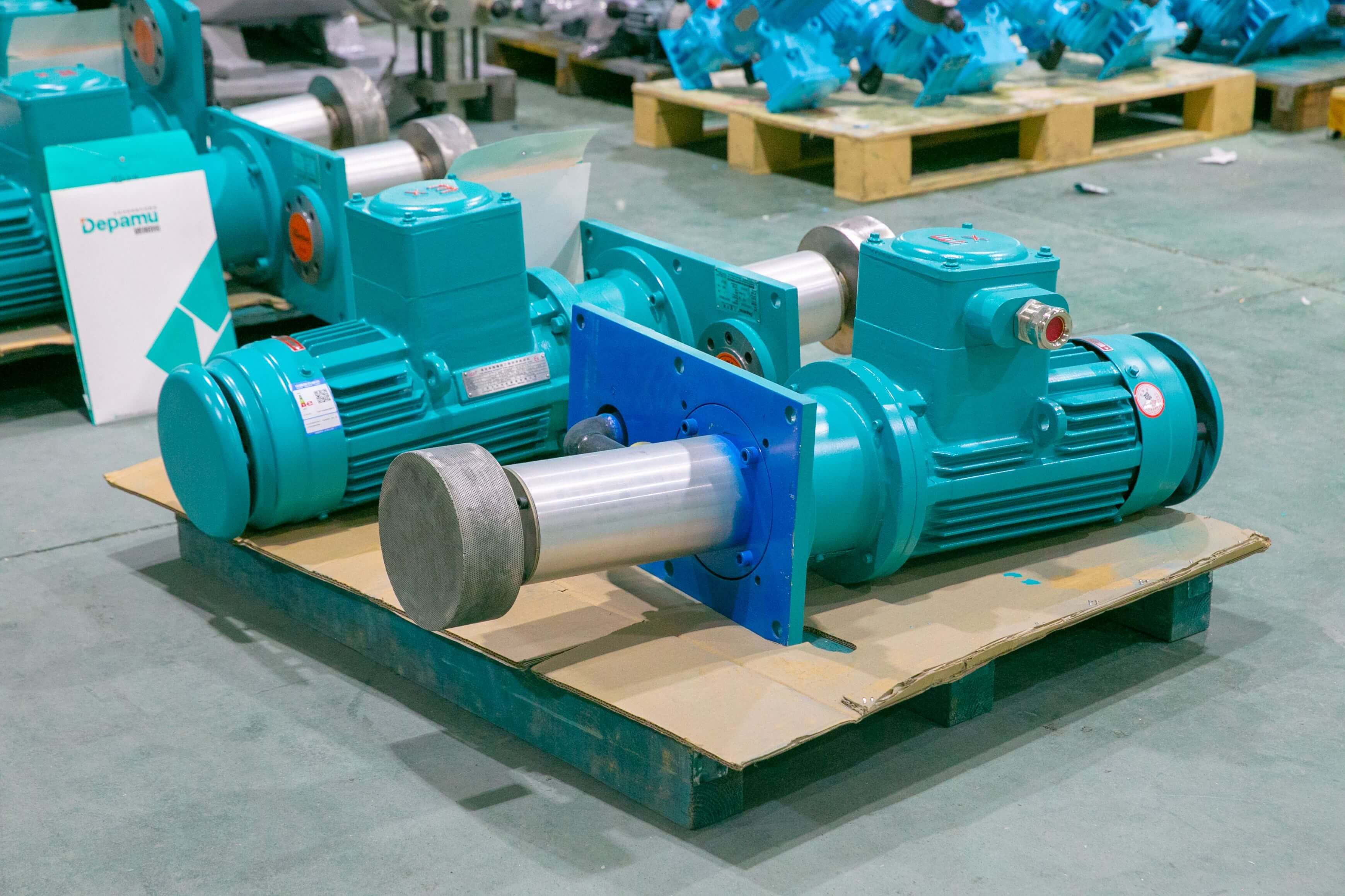
Manufacturing Capability Behind the Product Range
Manufacturing capability determines whether a supplier can repeat the same build quality across orders. The useful signals are plant scale, engineering headcount, in-house design and manufacturing, and the ability to deliver complete packages rather than loose components.
DEPAM (Hangzhou) Pump Industry Technology Co., Ltd. was founded in 2003 and employs more than 400 people across a plant of about 35,000 square meters, with registered capital of RMB 54 million and an annual output value of around RMB 500 million. The company operates three brands and has spent more than twenty years in high-end volumetric pumps and fluid equipment.
Recent sales have grown steadily, from about RMB 450 million in 2023 to about RMB 510 million in 2024 and about RMB 560 million in 2025. For buyers, growth of that kind is relevant only if it translates into stable production, documented processes and the engineering capacity to answer non-standard requests.
Capability runs from product development and design through manufacturing to complete-set delivery. On that basis the supplier provides standard products, non-standard products and customized fluid solutions shaped by the customer’s medium characteristics, flow, pressure, temperature and site process requirements — covering high-pressure transfer, precise metering, chemical dosing, process boosting and complex media handling.
How to Compare and Shortlist Suppliers
Comparing suppliers means testing every candidate against the same written duty description, so that differences in scope and configuration become visible. A structured comparison is more informative than a stack of quotations that each answer a slightly different question.
Start with the duty, not the product name. Record the medium, its viscosity and temperature, any solids content, the required flow and pressure, and the way the pump will run — continuous or intermittent, indoors or outdoors, standalone or inside a package. Send the same description to every candidate and compare the responses on substance.
- Confirm that the offered pump type suits the medium, including viscosity, temperature and solids content
- Check whether the supplier designs and manufactures in-house or mainly assembles bought-in components
- Ask how the pump will integrate with dosing, sampling or water treatment equipment if the process needs it
- Request a configuration that states flow, pressure and temperature requirements explicitly rather than a generic model number
- Compare quotations on scope, materials, ancillaries and documentation, not on unit price alone
- Confirm the supplier can move between standard, non-standard and fully customized solutions when the duty changes
Price comparison is where most shortlists begin and where many go wrong. A low unit price that ignores the duty conditions tends to reappear later as rework, spares or downtime, while a supplier that asks detailed questions at quotation stage is usually the one that has understood the process. Treat a cheaper quote as a question to investigate, not as a conclusion.
Applications and Industry Fit
These pumps and supporting systems are applied where fluids must be transferred, metered or boosted under defined conditions. Application fit, rather than catalogue size, decides which configuration is appropriate for a given line.
The equipment is used in petroleum refining and chemical processing, oil and gas fields, nuclear, power, metallurgy, new energy, environmental water treatment, new materials and food. Each of these environments places different demands on the pump, from continuous process duty to precise chemical dosing and high-pressure injection.
| Industry Area | Share of Sales Business |
|---|---|
| Petroleum refining and chemical | about 41% |
| Oil and gas fields | about 23% |
| Nuclear, power, metallurgy and new energy | about 15% |
| Environmental water treatment | about 13% |
| New materials and food | about 3% |
| Other industries | about 5% |
The concentration in petroleum refining and chemical work, together with oil and gas fields, means most of the sales business sits in continuous process environments where pumps run for long periods and configuration decisions carry operational weight. That context is worth checking against your own duty, because a supplier’s strongest area should match the conditions the equipment will actually face.
FAQ
How can buyers identify a reliable three screw pump supplier?
Start with evidence rather than claims: check the product range, the manufacturing base, and whether the supplier designs and builds in-house. Then test the supplier on a real duty description and see whether the proposal reflects the medium, flow, pressure and temperature requirements.
What information should I prepare before requesting a quotation?
Prepare the medium characteristics, the required flow, pressure and temperature, and the site process requirements. Suppliers that offer customized solutions need these inputs before they can propose a standard, non-standard or fully tailored configuration.
Is the lowest price the best measure of value?
Not usually. A quotation should be compared on scope, configuration and the engineering work behind it, because a low unit price that ignores duty conditions tends to shift cost into installation, operation or maintenance later on.
Can screw pumps be supplied as customized solutions?
Yes. Suppliers with in-house design and manufacturing can provide standard products, non-standard products and customized fluid solutions, adjusted to the medium characteristics, flow, pressure, temperature and site process requirements.
Which industries use these pumps and fluid systems?
They are applied in petroleum refining and chemical processing, oil and gas fields, nuclear, power, metallurgy, new energy, environmental water treatment, new materials and food, as well as other industries.
Summary
A reliable three screw pump supplier is best identified by matching a written duty description to a supplier’s actual product range, manufacturing base and application experience. Compare quotations on scope rather than headline price, confirm that customization is genuinely available, and check that the supplier can support the wider fluid system around the pump. On those four points, the choice becomes an engineering decision instead of a price contest.