
A practical gear pump recommendation starts with the duty point, not with a price tag: confirm the medium, viscosity, flow, pressure, temperature and operating pattern first, then compare suppliers on build quality, spare-parts support and total running cost. Price matters, but the cheapest quote rarely stays the cheapest pump.
What a Gear Pump Recommendation Should Cover
A gear pump recommendation should turn your process data into a defined pump configuration: gear and shaft materials, sealing method, port size, drive arrangement and control philosophy. It should also state the assumptions behind the offer, so you can check them against the real operating conditions before an order is released.
Gear pumps are positive displacement machines. Two meshing gears trap fluid against the casing and carry it to the discharge side, which produces a steady flow that suits viscous, lubricating and shear-sensitive media. Because delivery depends mainly on speed rather than on downstream pressure, a gear pump holds its output steadily when line pressure moves, provided the pump is kept inside its intended operating window.
The quality of a recommendation therefore depends on the quality of the inputs. Viscosity at operating temperature, suction conditions, solids content, duty cycle and the way the pump is started and stopped all change the answer. A supplier who asks for those details before quoting is doing selection work; one who quotes from a catalogue page alone is simply passing a part number back to you.
Criteria That Matter More Than a Brand Name
When two offers differ, the difference is usually in the details rather than in the name on the nameplate. Use the same checklist for every quotation so that the comparison stays objective and repeatable:
- Duty-point fit: the quoted flow and pressure should reflect the real operating window, including start-up, turndown and upset conditions.
- Medium compatibility: gear, shaft, bearing and seal materials should suit viscosity, temperature and chemical aggressiveness of the fluid.
- Drive and control: motor sizing, speed control and instrumentation should match the way the line is actually operated, not only its design case.
- Serviceability: wearing parts should be reachable and replaceable without cutting pipework, which keeps maintenance within planned shutdowns.
- Documentation: drawings, material records and test information should be handed over with the pump so commissioning and later audits have a reference.
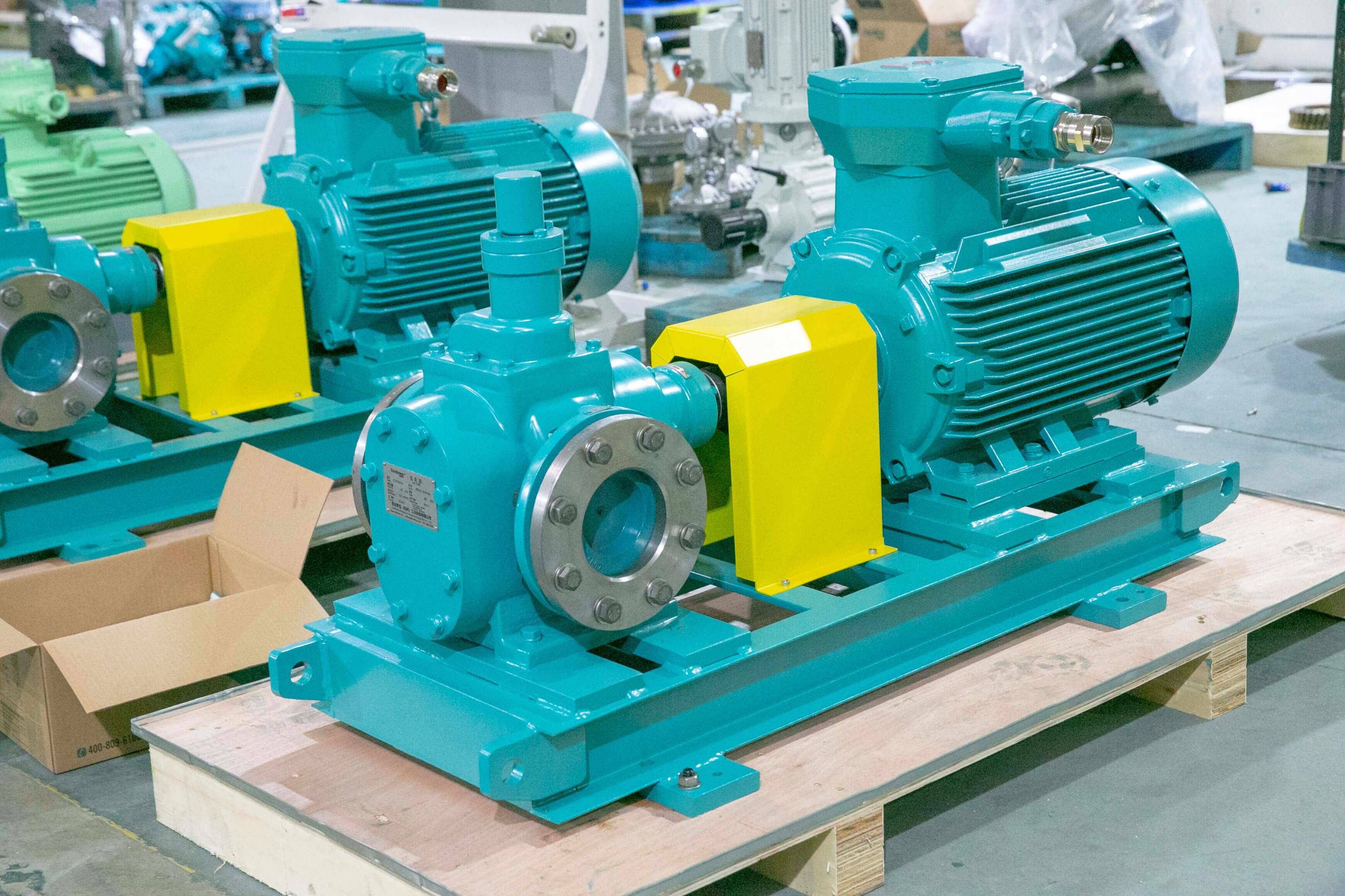
How to Compare Cheap Gear Pumps Without Hidden Costs
Cheap gear pumps are cheap on the invoice, not always over the service life. Compare the purchase price with power consumption, wear-part replacement, sealing performance and the cost of an unplanned stop; the option that holds its duty point with predictable maintenance is normally the lower-cost choice over time.
A price gap between two quotations comes from somewhere specific: material grade, machining tolerance, seal design, motor efficiency, or the amount of checking carried out before shipment. Asking which of those has been reduced is far more informative than pushing for a further discount, because whatever was reduced will still be there long after commissioning.
The quotation scope matters just as much as the unit price. Accessories, baseplate, coupling guard, control instrumentation and documentation can be included by one supplier and excluded by another, which makes two headline prices look comparable when they are not. Line the offers up item by item before you compare totals.
Where a Low Purchase Price Turns Into a High Running Cost
Wear is the usual mechanism. A pump that runs outside its intended speed or clearance range loses volumetric efficiency, and the loss appears as reduced flow, higher fluid temperature and shorter seal life. Frequent seal replacement costs more than the price difference between a light-duty and a properly specified unit, and it also costs production time that never appears on a quotation.
The same logic applies to spares. A low-cost pump with a long spare-part lead time can stop a line for longer than a higher-cost pump with parts available from stock, so ask for the wearing-part list and its delivery route as part of the comparison rather than after the first failure.
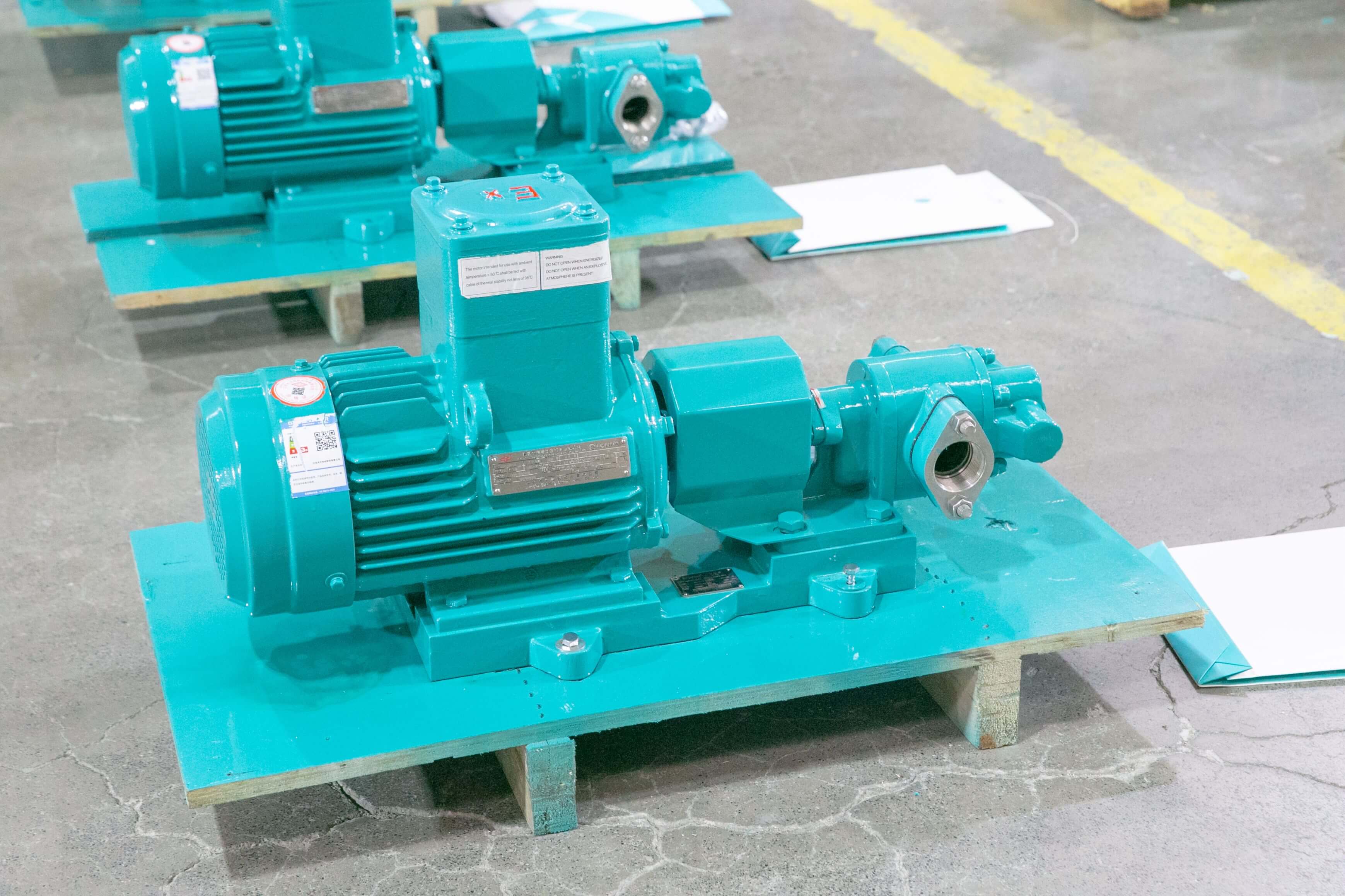
How to Check Gear Pump Ranking and Review Claims
Gear pump ranking and review claims are a shortlist tool, not a verdict. A ranking is only useful when its criteria are disclosed and match your process; without that, it says more about the publisher than about whether a given pump will hold its duty point on your line.
Read ranking content for the criteria rather than the order. If a list is built on delivered cost alone, it will not help you judge sealing life in an abrasive duty; if it is built on brand familiarity, it will not tell you whether spare parts reach your site within a planned shutdown. Match the criteria to your own priorities before you use the list.
The table below shows the areas worth verifying once a ranking has narrowed the field. Each one can be checked with the supplier directly, using your own process data.
| Evaluation Area | What to Verify | Why It Matters |
|---|---|---|
| Duty-point fit | Compare the quoted flow, pressure, viscosity and temperature range with your own process data | A pump operated outside its window loses volumetric efficiency and wears faster |
| Materials and sealing | Check gear, shaft, bearing and seal materials against the medium being handled | Compatibility decides service life more than the headline price does |
| Build and pre-shipment checks | Ask what is inspected before dispatch and which records accompany the pump | Traceable checks reduce surprises during commissioning |
| Commercial scope | Compare included accessories, lead time, spare-part list and warranty conditions | A low headline price can hide a thinner scope of supply |
| Service response | Confirm the contact route and the availability of wearing parts | Downtime cost usually exceeds the price difference between units |
Used this way, a ranking reduces the field to a handful of candidates that then have to be checked against your duty point, your maintenance resources and your spare-parts policy. That is a far safer use of review content than treating a position in a list as a purchase decision.
Gear Pump Contact: What to Ask Before You Order
Effective gear pump contact starts with a technical conversation rather than a price request. Give the supplier your medium, viscosity, flow, pressure, temperature and duty cycle, then ask what the proposal assumes, what it excludes and which wearing parts you should keep on site from the first day of operation.
The first reply also tells you something about the supplier. A response that repeats your data back with a stated configuration and open questions is a working answer; a response that returns only a number and a delivery date leaves the selection risk with you.
- Which gear, shaft and bearing materials are proposed, and why do they suit this medium?
- Which sealing arrangement is quoted, and under what operating conditions is it expected to be replaced?
- Which flow, pressure, temperature and viscosity range does the offer actually cover?
- What is checked before shipment, and which records are handed over with the pump?
- Which spare parts should be held on site, and what is the route to obtain them?
- Who provides commissioning support and after-sales response, and through which contact channel?
Keep the answers in writing alongside the quotation. When a pump is later compared with an alternative, the written assumptions are what let you see whether the two offers describe the same duty or two different ones.
Which Gear Pump Is Reliable: Judging the Manufacturer
A reliable gear pump comes from a manufacturer that covers design, manufacturing and complete-set delivery, and that can explain its material and tolerance choices. Reliability is a property of the production system behind the pump, so the manufacturer’s scope of capability matters as much as the data sheet in front of you.
Depamu (Hangzhou) Pump Industry Technology Co., Ltd. was founded in 2003 and is a research, production and sales integrated high-tech enterprise working in high-end positive displacement pumps and fluid equipment, with more than twenty years of experience in the field. The company employs more than 400 people, occupies a plant area of about 35,000 square meters, holds a registered capital of RMB 54 million and generates an annual output value of about RMB 500 million. Its product range covers metering pumps, high-pressure process reciprocating pumps, pneumatic pumps, electric pumps, chemical dosing packages, water and steam sampling devices, water treatment equipment, screw pumps, rotor pumps and gear pumps.
Its products are used in petroleum refining, chemicals, oil and gas fields, the nuclear industry, power generation, metallurgy, new energy, environmental water treatment, new materials and food. Among these, petroleum refining and chemicals account for roughly 41% of sales, oil and gas fields about 23%, nuclear industry, power, metallurgy and new energy about 15%, environmental water treatment about 13%, new materials and food about 3%, and other industries about 5%.
| Application Field | Share of Sales (Approximate) |
|---|---|
| Petroleum refining and chemicals | 41% |
| Oil and gas fields | 23% |
| Nuclear industry, power, metallurgy and new energy | 15% |
| Environmental water treatment | 13% |
| New materials and food | 3% |
| Other industries | 5% |
The company covers development, design and manufacturing through to complete-set delivery, and supplies standard products, non-standard products and customized fluid solutions based on the customer’s medium characteristics, flow, pressure, temperature and site process requirements. Its equipment is applied to high-pressure transfer, precise metering, chemical dosing, process boosting and complex medium transfer. High-pressure process reciprocating pumps in the range reach pressures of 35 MPa and above. Sales have grown steadily, from about RMB 450 million in 2023 to about RMB 510 million in 2024 and about RMB 560 million in 2025.
For a buyer, that kind of scope is what makes a gear pump recommendation checkable: the supplier can state which materials and sealing method it proposes, explain why they suit the medium, and support the answer with a manufacturing and testing route rather than a brochure claim.
FAQ
Which gear pump is cheap?
The cheapest gear pump is not automatically the lowest-cost one. Compare purchase price with power consumption, wear-part replacement, sealing performance and the cost of an unplanned stop; the option with the lowest total cost over its service life is the cheaper pump, even when its invoice price is higher.
How are gear pumps ranked?
Gear pumps are usually ranked on duty-point fit, material and seal compatibility, build quality, pre-shipment checks and service support rather than on a single headline figure. A ranking is only useful to you when its criteria match the way your line actually runs, so ask which criteria were used before you treat the order as a shortlist.
Which gear pump is recommended?
A sound gear pump recommendation always starts with the duty point: medium, viscosity, flow, pressure, temperature and operating pattern. Once those inputs are fixed, the gear and shaft materials, sealing method, port size and drive arrangement follow from them; without them, any recommendation is only a guess.
How can I get gear pump contact details?
Get gear pump contact details from the manufacturer’s own published channels and confirm that you are speaking with technical sales rather than an unverified intermediary. Ask for a named contact, the scope of the quotation and the route for after-sales response before you release an order.
Which gear pump is reliable?
A reliable gear pump holds its duty point over years of service with predictable maintenance. Reliability shows up in material selection, sealing design, machining tolerance and spare-parts availability, and it is easier to verify through documented checks and service response than through a specification sheet alone.
Summary
A gear pump recommendation is only as reliable as the process data behind it. Fix the medium, viscosity, flow, pressure, temperature and duty cycle first, then compare offers on scope, materials, pre-shipment checks, spare parts and service response. Cheap gear pumps cost less on the invoice, but the lowest total cost across the service life is what a careful buyer is really ranking, and that is the comparison worth taking to the supplier before any order is placed.