
Choosing a reliable eccentric screw pump supplier comes down to verified manufacturing capability, honest technical communication, and a clear match between the pump and your duty conditions. Price matters, but it should be compared on equal technical terms, because the lowest offer often hides differences in materials, drive configuration, and after-delivery support.
What Makes an Eccentric Screw Pump Supplier Reliable
A reliable supplier proves three things: that the pump is configured for your medium, flow, pressure, and temperature; that the manufacturer controls design and production rather than reselling; and that technical contact continues after delivery. Documentation, material traceability, and a named engineer who answers process questions matter more than a polished catalogue.
Reliability is therefore an evidence question rather than a branding question. Buyers who shortlist suppliers on visible claims alone tend to discover the gaps later, when a stator needs replacing or a quotation has to be reconciled against the actual process data. Suppliers who can answer technical questions early usually keep answering them later.
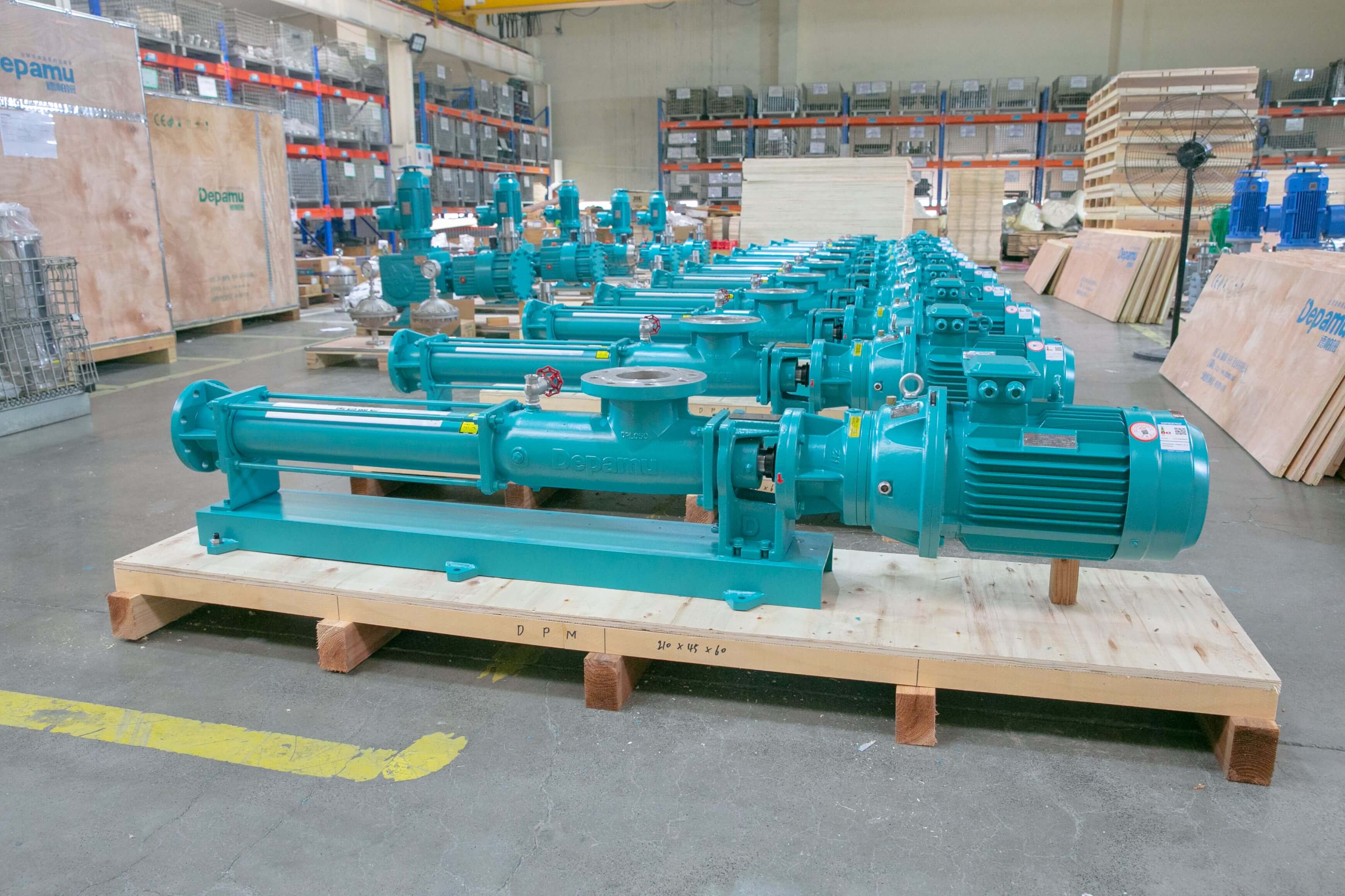
Signals to check before shortlisting
- Whether the supplier can name the pump family that fits your medium and duty point, and explain the reasoning
- Whether rotor, stator, and drive selections are described openly instead of being left blank in the quotation
- Whether drawings, material lists, and stated operating limits are provided before purchase
- Whether one technical contact handles both the quotation and the commissioning questions
- Whether wear components and spare parts can be identified from the delivered documentation
Red flags in low-priced offers
A quotation that lists only a model reference and a total price gives you nothing to compare. When a supplier cannot state which materials are used for the rotor and stator, which drive arrangement is assumed, or which operating limits apply, the difference in price usually reflects an unstated difference in scope.
Another warning sign is a supplier who answers process questions with marketing language instead of application detail. If the first conversation does not move toward medium characteristics, flow, pressure, and temperature, the same gap is likely to appear during commissioning.
How to Read Supplier Rankings and Recommendations
Rankings and recommendations are only as good as their criteria. A list that orders suppliers without stating the duty point, medium, and evaluation method tells you about market visibility, not application fit. Use rankings to build a shortlist, then test every candidate against your own process data and documentation requirements.
Recommendations carry more weight when they come with reasons: why a particular pump family suits a viscous or solids-bearing medium, why one drive arrangement was preferred over another, and which assumptions the recommendation depends on. A recommendation without stated assumptions cannot be checked, and an unchecked recommendation is simply a preference.
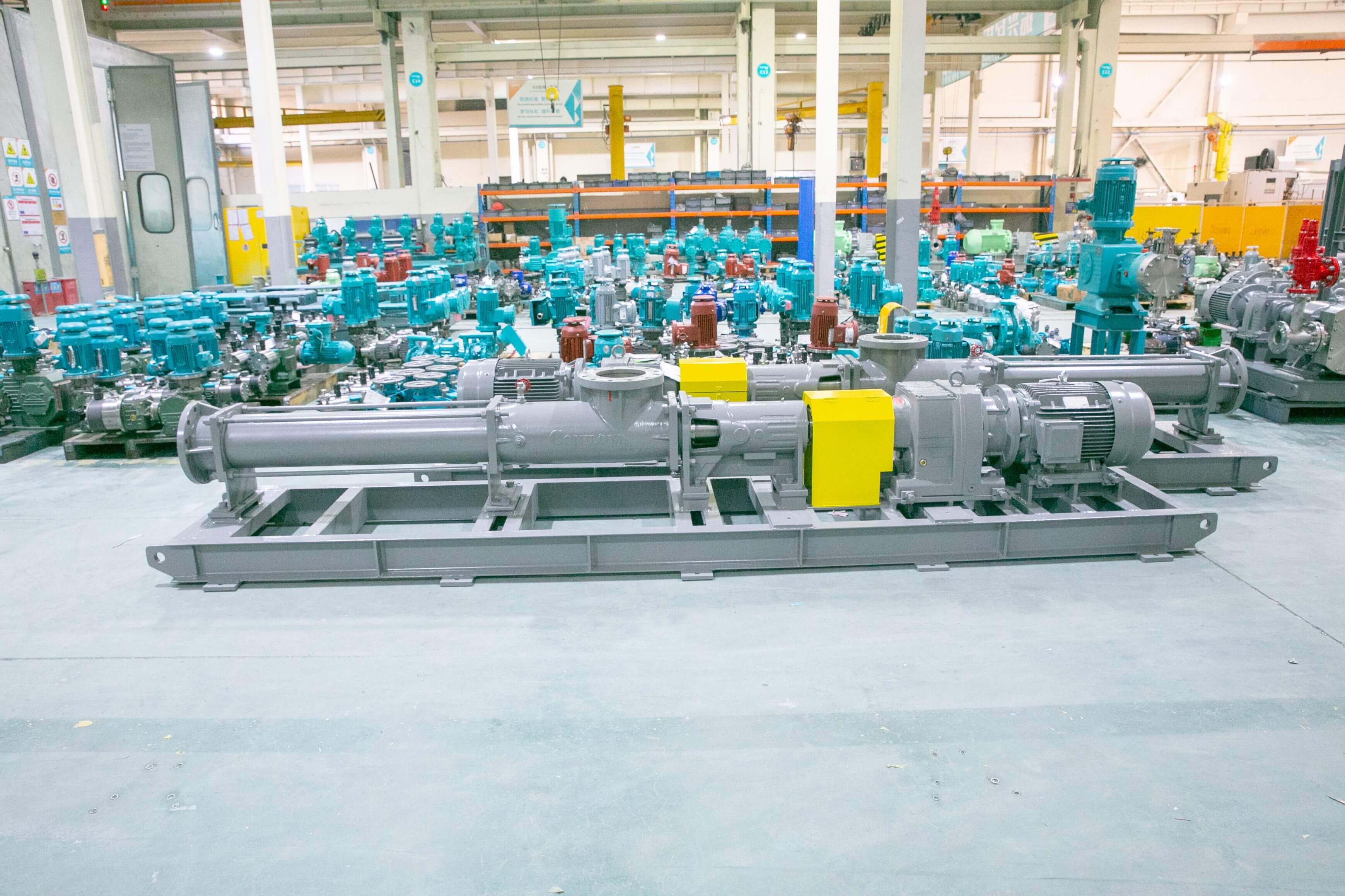
Position in a ranking also says nothing about spare parts availability, response time for technical questions, or whether the supplier will still support the unit several years after delivery. Those factors belong in the evaluation, because they determine the cost of ownership far more than the position on a list.
What to Verify in Manufacturing Capability
Manufacturing capability should be verifiable through company facts rather than adjectives. Buyers can reasonably ask when the company was founded, how many people it employs, how large its production site is, which product families it actually builds, and which industries its products are used in. Answers that can be documented are more useful than claims that cannot.
As one reference point, DEPAMU (Hangzhou) Pump Industry Technology Co., Ltd. was founded in 2003 and today employs more than 400 people at a plant of roughly 35,000 square meters, with registered capital of 54 million yuan and annual output value of about 500 million yuan. Its portfolio covers metering pumps, high-pressure process reciprocating pumps, pneumatic and electric pumps, chemical dosing packages, water and steam sampling devices, water treatment equipment, and screw pumps, rotary pumps, and gear pumps. Screw pumps therefore sit inside a broader fluid equipment range rather than standing alone as a catalogue item.
Reported sales were about 450 million yuan in 2023, about 510 million yuan in 2024, and about 560 million yuan in 2025. Roughly 41% of sales come from petroleum refining and chemical processing, about 23% from oil and gas fields, about 15% from nuclear power, electric power, metallurgy, and new energy, about 13% from environmental water treatment, about 3% from new materials and food, and about 5% from other industries. These figures describe scale and sector spread, not pump performance, so a specific model still has to be checked against your own duty conditions.
- Does the supplier build the pump or only resell it
- Can the supplier deliver standard, non-standard, and customized fluid solutions rather than a single fixed configuration
- Is there a documented path from design and manufacturing through to packaged delivery
- Can the supplier describe which industries its products already serve
Getting Contact and Technical Support Right
Contact quality is a practical selection criterion, not an afterthought. The right contact is the engineer who will handle your application, not a general sales line, and the first conversation should produce technical questions rather than a brochure. A supplier who asks about medium, flow, pressure, temperature, and duty cycle before quoting is easier to work with over the life of the installation.
Prepare your data before you reach out. Medium characteristics, required flow, discharge pressure, temperature, solids content, duty cycle, and any site constraints on installation or control all shape the configuration. With that information in hand, competing quotations become genuinely comparable, and the supplier who answers in engineering terms rather than slogans is usually the one worth keeping in contact with.
FAQ
Which eccentric screw pump is more affordable?
Affordability is only meaningful when offers are compared on the same duty point, materials, drive arrangement, and spare parts scope. A lower purchase price often reflects a different stator material, a smaller drive margin, or fewer documentation commitments, so the total cost over the service life can be higher. Ask each supplier to quote against identical technical requirements before judging price.
How useful are supplier rankings when comparing pumps?
Rankings are useful for building a shortlist and for spotting which suppliers are visible in a given market, but they rarely state the duty point or evaluation method behind the order. Treat them as a starting point, then verify manufacturing capability, documentation, and technical responsiveness directly with each candidate.
Which eccentric screw pump supplier is reliable?
A reliable supplier can explain why a specific pump family, rotor, and stator suit your medium, provides drawings and material lists before purchase, and keeps a named technical contact available after delivery. Verifiable manufacturing capability and written commitments matter more than promotional claims.
How do I get contact information for a pump supplier?
Request contact details through the supplier official channel and ask for the engineer who will handle your application rather than a general sales line. Prepare your medium, flow, pressure, temperature, and duty cycle in advance so the first conversation produces a technical answer instead of a brochure.
What information should I prepare before asking for a recommendation?
Prepare the medium and its characteristics, required flow, discharge pressure, temperature, solids content, and duty cycle, together with any site constraints on installation or control. Clear input data lets a supplier recommend a configuration instead of guessing, and it makes competing quotations genuinely comparable.
Summary
Choosing an eccentric screw pump supplier is a technical decision before it is a commercial one. Compare offers on the same duty point, ask for documentation that matches your medium and operating limits, confirm who answers technical questions after delivery, and treat rankings as a shortlisting aid rather than proof of fit. A supplier that explains its reasoning and puts commitments in writing is usually the safer choice, even when the initial price is not the lowest.