
A sludge rotary pump recommendation is only useful when it starts from the duty point rather than the price tag. Flow rate, solids content, particle size, viscosity, and operating hours decide which rotor geometry, materials, and drive package will survive the application. Only after that does it make sense to compare suppliers, quotes, and service terms.
What a Useful Sludge Rotary Pump Recommendation Must Include
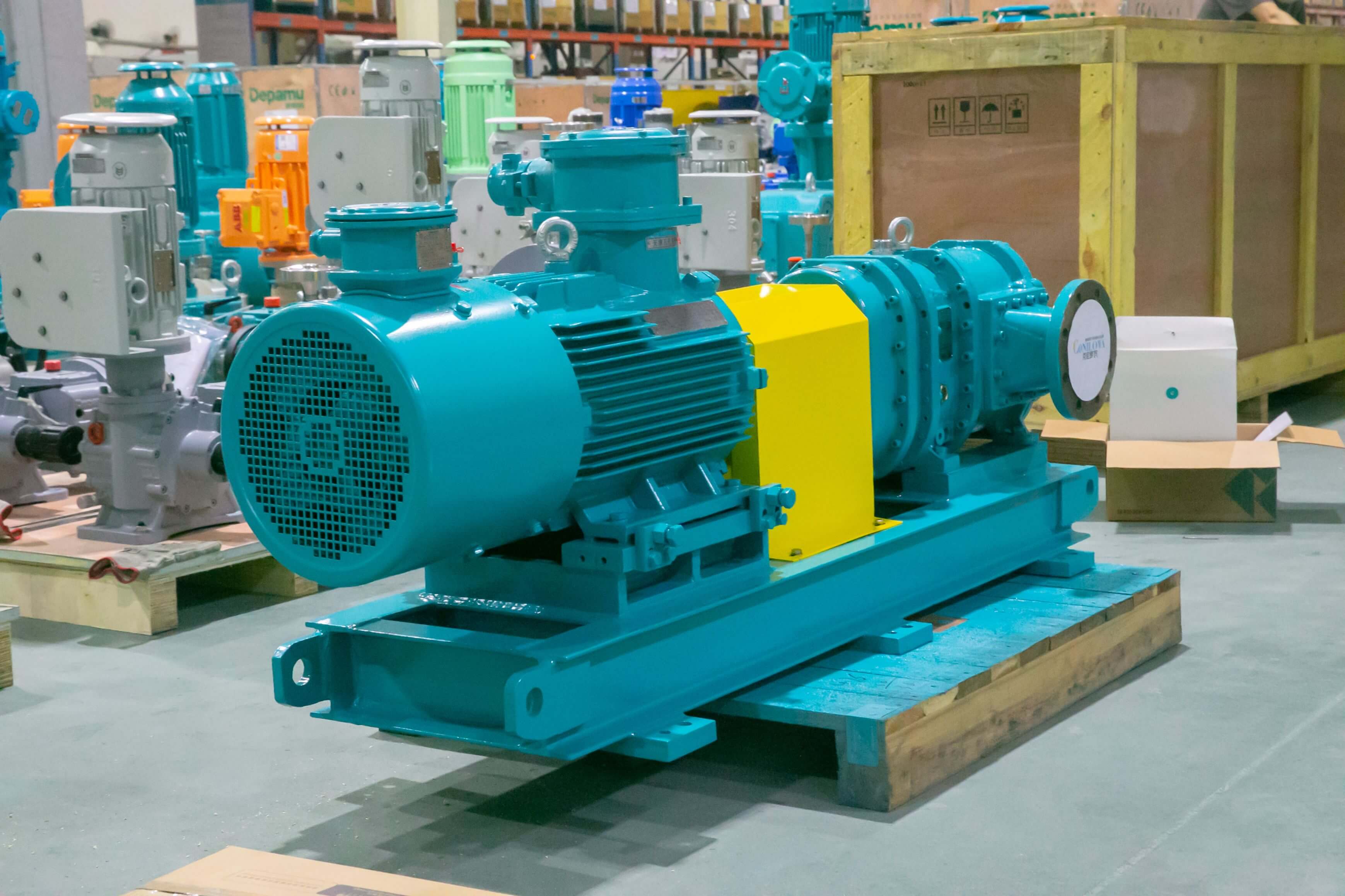
A useful sludge rotary pump recommendation covers five things: the duty conditions, the pump type and materials that suit them, the drive and control arrangement, the maintenance routine, and the support available after commissioning. Price belongs in the comparison, but it should follow those five items rather than lead them.
Recommendations that begin with a model number are hard to trust, because two plants handling sludge of different solids content, particle size, or chemical character rarely need the same machine. A recommendation becomes credible only when the person making it can point back to the duty data it was built on and explain why a particular rotor profile, running clearance, and seal arrangement suits that data.
This is also why a recommendation borrowed from a neighbouring plant is a starting point rather than a decision. The two duties may look similar on paper while differing in abrasiveness, fibre content, operating hours, or cleaning routine, and each of those differences changes wear rate and the maintenance burden that follows.
Duty Conditions Come First
Before any pump is discussed, the duty point has to be written down. The list below is the minimum information a supplier needs in order to make a defensible recommendation; without it, every offer is an assumption dressed as a specification.
- Flow rate and discharge pressure required at the duty point
- Solids content, particle size, and the abrasive or fibrous character of the sludge
- Viscosity, temperature, and chemical compatibility of the medium
- Continuous or intermittent duty, plus the cleaning and flushing routine
- Footprint, pipe layout, and the available driver and control arrangement
Matching Rotor, Material, and Seal to the Medium
Sludge is rarely a single, stable fluid. Solids content and particle size can shift with whatever happens upstream, and abrasive grit or fibrous material changes how a rotary pump should be built. Rotor profile, running clearance, and the choice of wear-resistant or corrosion-resistant materials all follow from that assessment, and so does the seal arrangement.
Ask the supplier to explain the reasoning, not just the part numbers. A written explanation of why a rotor profile, clearance, and material were selected for your medium is the most valuable part of any sludge rotary pump recommendation, because it tells you what the pump is expected to tolerate and where its limits sit.
How to Turn a Sludge Rotary Pump Recommendation into a Shortlist
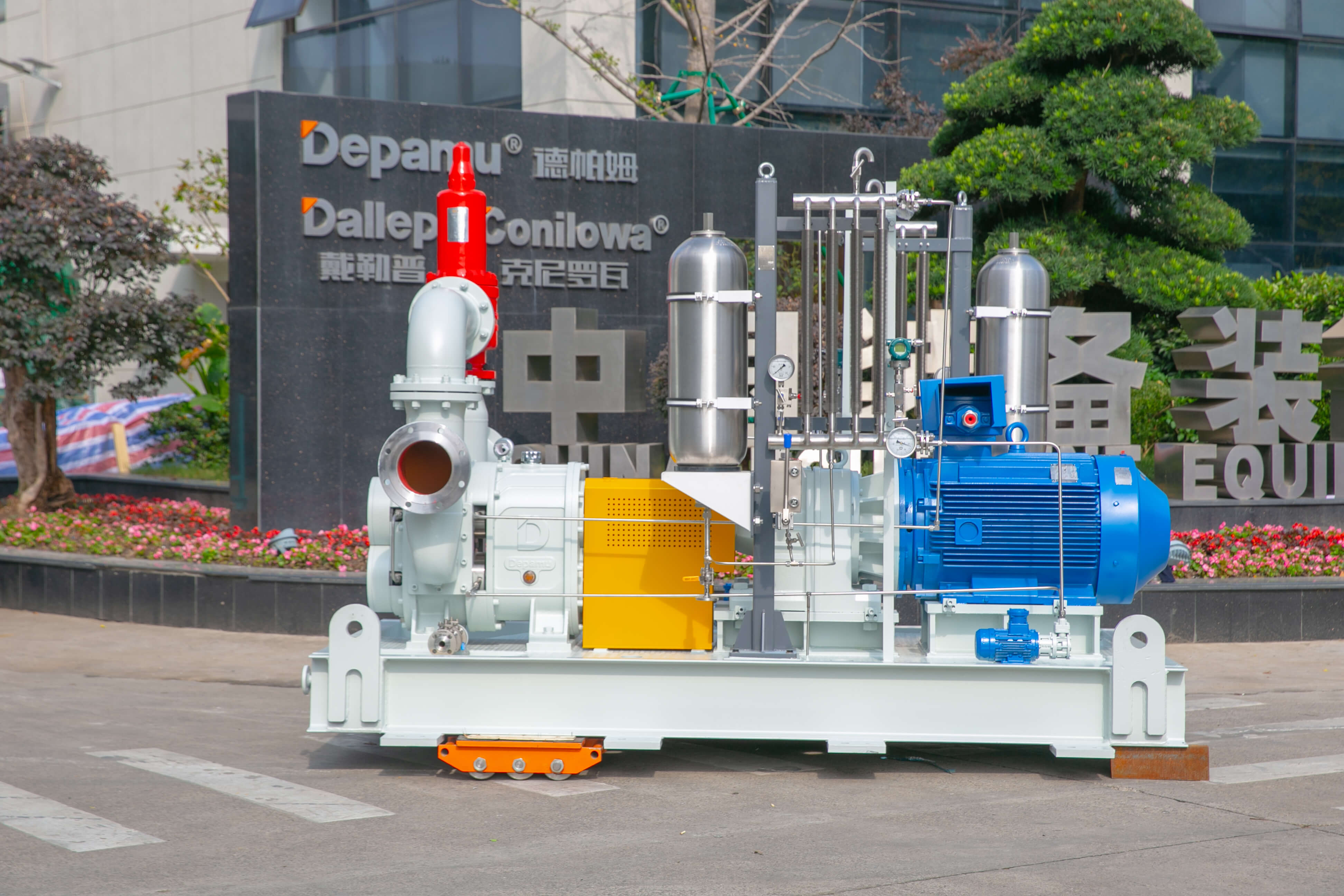
Turning a recommendation into a shortlist means scoring every candidate against the same duty data. Give each supplier identical flow, pressure, and material requirements, then compare what sits inside the offer: pump type, materials, seal arrangement, driver, controls, documentation, and after-sales support.
The easy mistake is to compare headline prices from offers that describe different scopes. One quote may include the driver, baseplate, and control panel; another may leave them out and add them later. Normalising the scope first turns a confusing set of numbers into a comparison that actually means something.
Compare Quotes on Identical Terms
A comparable quote contains enough detail to be checked line by line. Use the list below as a checklist when reading offers; if an item is missing, ask for it in writing before the shortlist is fixed.
- Duty point: flow, discharge pressure, and a full description of the medium
- Wetted materials and the specification of wear parts
- Seal arrangement and any flushing requirement
- Driver, coupling, baseplate, and control scope
- Documentation, spare parts list, and commissioning support
Check What the Price Actually Covers
Two quotes at the same figure can differ substantially once freight, installation support, spare parts, and start-up assistance are counted. Write the exclusions down next to the price. An offer that leaves commissioning and spares outside its scope is not cheaper for long, because those costs return later with less room to negotiate.
Why a Cheaper Sludge Rotary Pump Price Can Cost More
A cheaper sludge rotary pump price is often produced by removing something from the specification rather than by improving efficiency. Lower-grade wear parts, a thinner material section, a simpler seal, or a lighter driver can all reduce the headline figure while shifting cost into maintenance, downtime, and premature replacement.
The practical way to compare is total cost across the service life you expect: purchase price, wear-part consumption given your solids load, energy draw from the selected driver and control, planned maintenance hours, and the cost of an unplanned stop. Buyers rarely hold all of these figures at the quotation stage, but asking the question changes which offers survive the shortlist.
None of this means the cheapest offer is always wrong. If the duty is light, intermittent, and easy to clean, a simpler specification may be the sensible engineering choice. The point is to know which item was downgraded and whether your process can tolerate that downgrade without adding risk elsewhere.
Sludge Rotary Pump Contact Information: What to Prepare Before You Call
Good sludge rotary pump contact information is not just a phone number; it is a route to an application engineer who can read your duty data. Prepare the medium description, the flow and pressure requirements, and the installation constraints before the first call, and the conversation moves from catalogue ranges to your actual duty.
Buyers often spend the first call on lead time alone. Lead time matters, but it is decided by the specification, so the specification has to be settled first. Bring the pipe layout drawing and the available footprint if they exist, and note which operating hours and cleaning routines the plant can realistically sustain, because both affect the maintenance plan the supplier proposes.
Questions Worth Asking on the First Call
- Which pump type and rotor profile suits this medium, and why?
- What is included in the quoted scope, and what is excluded?
- Which parts are expected to wear, and how are they replaced?
- What does start-up and commissioning support cover?
- Who handles service and spare parts after handover?
Do Sludge Rotary Pump Rankings Reflect Your Duty Point?
Rankings describe visibility, not fit. A sludge rotary pump ranking built from sales volume, search interest, or generic reviews tells you which names are easy to find, not which machine suits an abrasive, fibrous, or variable sludge at your flow and pressure. Treat the ranking as a long list, not a verdict.
Use rankings for what they do well: naming suppliers worth approaching and showing which units attract repeated service comments. Then apply your own scoring, weighted to what matters on your site, such as wear life, cleaning time, spare parts availability, and how quickly the service team responds when a pump is down.
FAQ
Which sludge rotary pump is recommended for a given duty?
The recommended pump is the one whose rotor geometry, materials, and seal arrangement match the measured duty point. Start from flow, pressure, solids content, particle size, viscosity, and temperature, then ask suppliers to confirm their offer against those figures in writing. A recommendation made without duty data is only a guess.
Where can I find a cheaper sludge rotary pump price?
A lower price usually comes from the specification rather than from a supplier being generous. Compare offers on identical flow, pressure, material, and control requirements, then check what each price excludes, including driver, baseplate, controls, spares, freight, and commissioning support. Wider competition on a fixed specification is the most dependable way to reduce cost.
Do sludge rotary pump rankings help buyers choose?
Rankings can narrow the field but they do not measure fit. A pump ranked highly for one duty may be a poor choice for an abrasive or fibrous sludge. Use rankings to build a long list, then score each candidate against your own duty data and service requirements before you shortlist.
How do I get sludge rotary pump contact information?
Contact information should come from the supplier’s official channel rather than a forwarded message. Request a named sales or application engineer, the address used for spare parts service, and a response commitment in writing. Confirm those details on the supplier’s own website before you share duty data or place an order.
Which sludge rotary pump supplier is reliable?
A reliable supplier answers technical questions with evidence, quotes against a fixed specification, and explains the maintenance routine and spare parts lead times. Test this during the enquiry: ask for material documentation on the offered parts, a comparable duty the supplier has handled, and a clear statement of warranty and service scope.
Summary: Building a Sludge Rotary Pump Recommendation You Can Defend
A sound sludge rotary pump recommendation follows a fixed sequence: define the duty point, match rotor and materials to the medium, compare quotes on identical terms, and verify the supplier’s service capability. Price should be evaluated last, against the total cost of ownership. Buyers who keep that order get a pump that fits the application and a supplier they can still reach when something does not go to plan.