
A high pressure process tubular pump is only as reliable as the supplier behind it. Quality shows up in three places: how precisely the supplier asks about your process data, how openly it puts materials and test records in writing, and how quickly it can support the unit after startup. Judging those three points separates engineering capability from sales talk.
Quality Signals in a High Pressure Process Tubular Pump Offer
Quality is judged less by the brochure than by the information exchanged before the quotation. A supplier that asks for the medium, flow, pressure, temperature, solids content and duty cycle is working from engineering data, while one that quotes from a single flow figure is working from a price list.
That difference matters. Pressure, temperature and medium decide wall thickness, sealing arrangement and drive sizing, and a supplier that never asked about them cannot have made those decisions deliberately. Ask to see how your duty was translated into a configuration, and expect the answer to reference your own numbers rather than generic ranges.
The Process Data a Serious Supplier Will Ask For
Prepare the following before the first technical conversation, because a supplier can only quantify what you define:
- Medium, concentration and solids content
- Required flow rate and its turndown range
- Suction and discharge pressure
- Operating temperature and any temperature excursions
- Viscosity, density and corrosive or abrasive behaviour
- Duty cycle: continuous, intermittent, or frequent start and stop
- Site conditions, including indoor or outdoor installation and utility availability
Documentation That Should Travel With the Unit
Ask, before ordering, which documents are issued with the pump: dimensional and assembly drawings, material data sheets, test records, operating and maintenance instructions, and the spare parts list. A supplier that can name these items in advance is usually the one that can produce them on schedule, and the list also shows how much of the verification work has already been done.
Reading the Available Options List Correctly
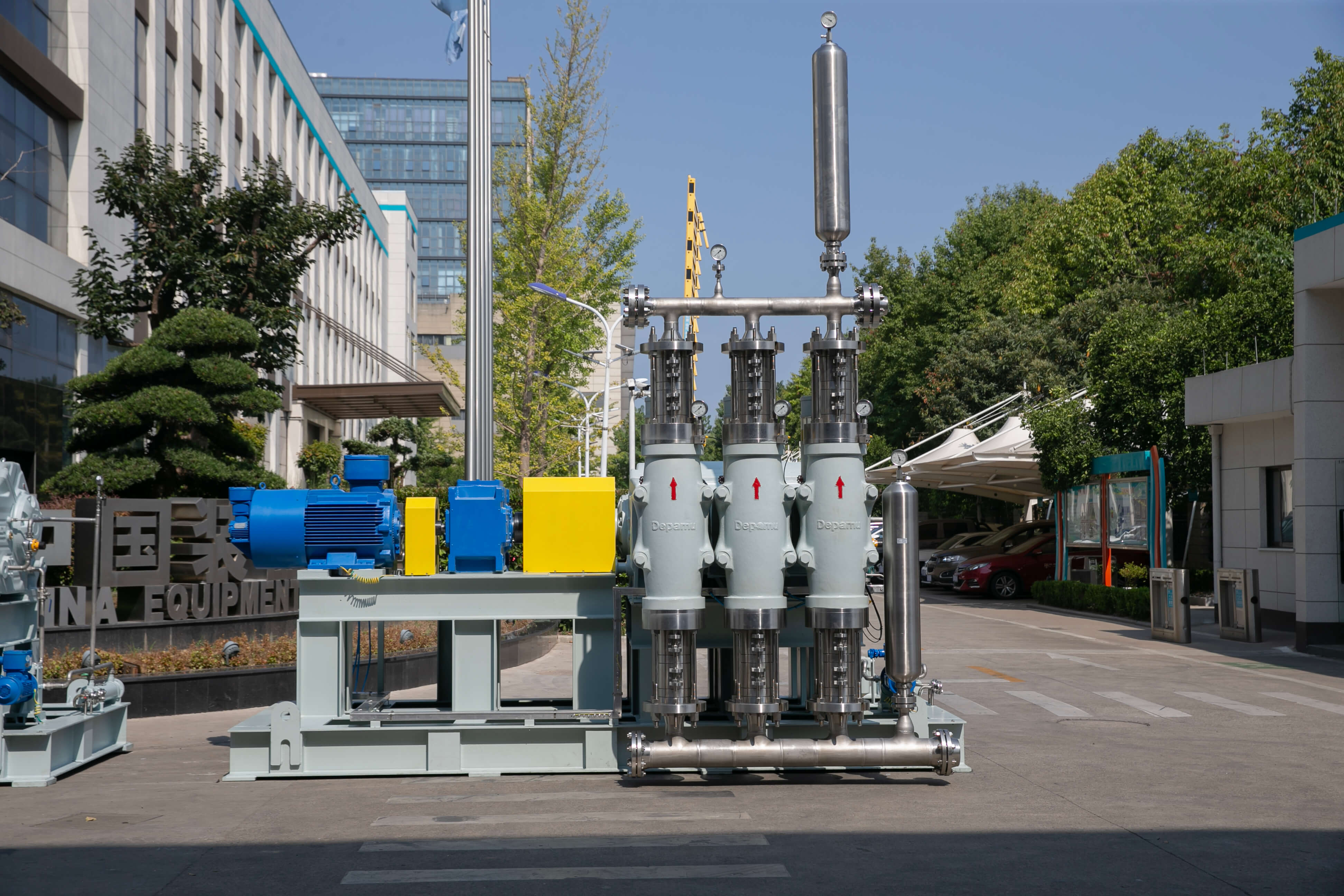
Availability is defined by duty, not by catalogue length. Suppliers assemble variants around pressure level, flow range, material of construction, drive arrangement, sealing method and control type, so the useful question is not how many models exist but which configuration matches your process data and which parts of it are standard.
A long list that never states the conditions behind each entry tells you very little. Ask instead which items are standard, which are options, and which would require new design work, because that answer shapes both the delivery schedule and the support burden later. Then ask how a change in one parameter, such as a higher discharge pressure or a more abrasive medium, would change the configuration and the price.
When a supplier can answer those questions in sequence, the available options stop being a catalogue and become a specification you can compare against other offers.
How to Choose a High Pressure Process Tubular Pump Supplier
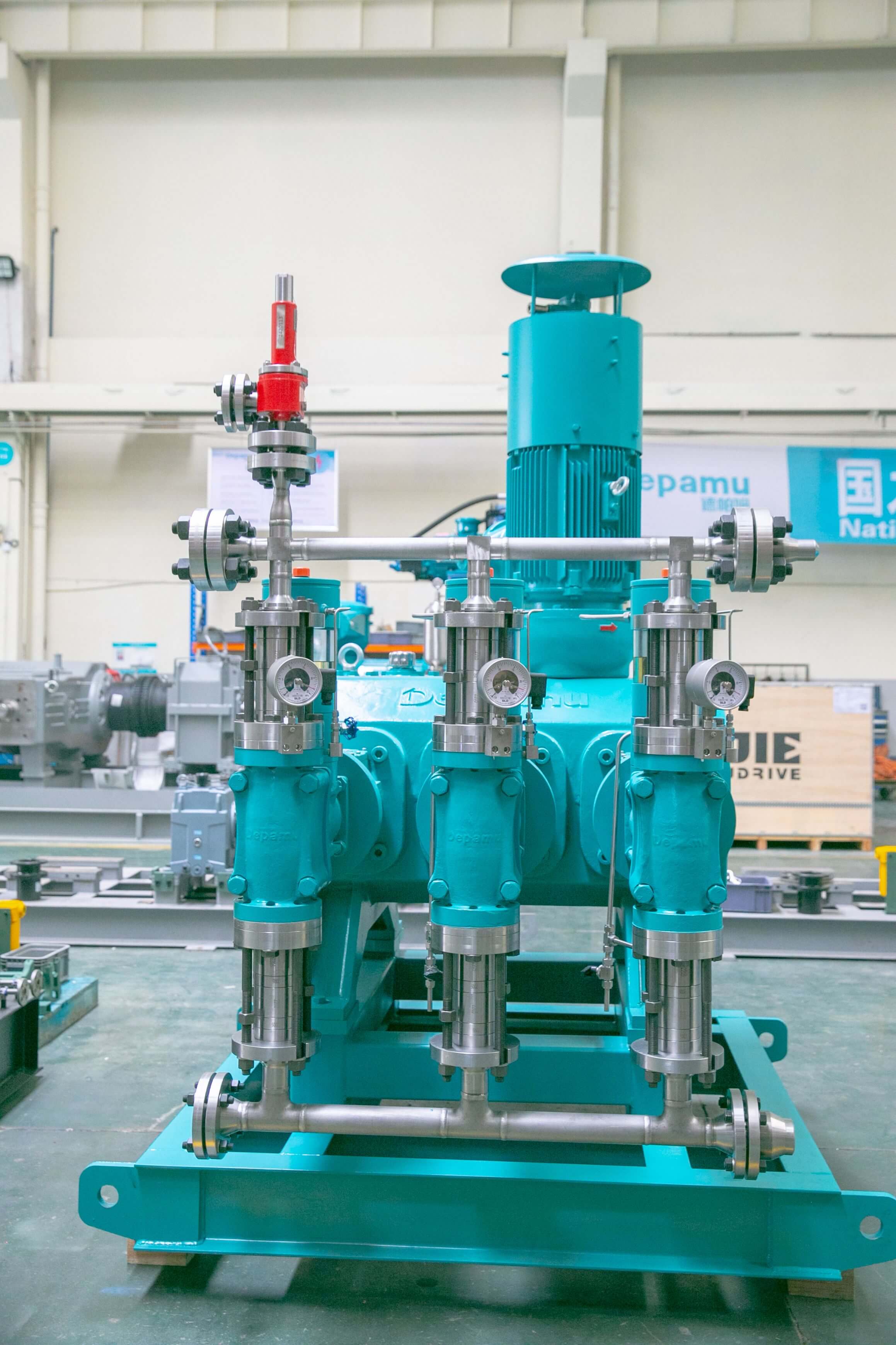
Choosing a high pressure process tubular pump supplier comes down to evidence: a supplier should be able to explain your duty in engineering terms, put the scope of supply and test records in writing, and show how the unit will be supported after installation. Price matters, but it only compares fairly once the scope is identical.
Questions That Reveal Engineering Depth
Ask how the configuration was sized, which parts are wear items and how often they are expected to be replaced, what happens at low flow or high temperature, which installation tolerances apply, how the unit is tested before shipment, and what the maintenance interval depends on. The precision of the answers is the signal; a confident tone is not.
Comparing Quotations on Equal Terms
Two offers can look similar on the last page and differ on every page before it. Line up the following items side by side before you read the total:
- Scope of supply: pump, drive, controls, baseplate and accessories
- Spare parts and wear items, listed by item
- Test scope and documentation scope, stated explicitly
- Delivery schedule, defined from order confirmation rather than from enquiry
- Warranty terms and the response route, in writing
If one supplier cannot answer an item, that gap is the comparison result, not a detail to settle later.
What a Supplier Reputation Ranking Really Measures
A reputation ranking is a filter, not a verdict. Rankings usually reflect how visible a supplier is, in search results, directories and trade coverage, more than how well a specific pump will perform in your process. Treat a high position as a reason to look closer and a low one as a reason to ask why.
Sample bias, review incentives, language coverage and the size of the market a ranking covers all shift the order, and none of them is related to your duty conditions. A ranking also rarely distinguishes between a supplier that sells this equipment and one that manufactures it.
Use rankings to build a shortlist, then replace opinion with documents: configuration explanations, drawings, test records, scope statements and direct answers about your own process data.
Manufacturing Capability Worth Verifying Before You Commit
Selection becomes concrete once you can see the manufacturing base behind the quotation. DEPAMU (Hangzhou) Pump Industry Technology Co., Ltd. was founded in 2003 and employs more than 400 people at a plant covering roughly 35,000 square meters, with registered capital of RMB 54 million and an annual output value of about RMB 500 million.
The product range covers metering pumps, high pressure process reciprocating pumps, pneumatic pumps, electric pumps, chemical dosing skids, water and steam sampling devices, water treatment equipment, screw pumps, rotor pumps and gear pumps. Production combines research and design with manufacturing and packaged delivery, and units can be supplied as standard products, non-standard products or customized fluid solutions built around the medium, flow, pressure, temperature and site process requirements.
That range is relevant to buyers checking process pump capability, because the same engineering questions about medium behaviour, pressure level, sealing, metering accuracy and control recur across these pump types. High pressure transfer, precise metering, chemical dosing, process boosting and complex medium transfer are the duties these products are built for.
Application data gives a further view of where the equipment is used: petroleum refining and chemicals account for about 41 percent of sales, oil and gas fields about 23 percent, nuclear power, power generation, metallurgy and new energy about 15 percent, environmental water treatment about 13 percent, new materials and food about 3 percent, and other industries about 5 percent. Sales have grown from about RMB 450 million in 2023 to about RMB 510 million in 2024 and about RMB 560 million in 2025.
FAQ
Which high pressure process tubular pump supplier has good quality?
The supplier that can evidence quality, not the one that claims it. Look for full questions about your process data, materials and test records stated in writing, and a clear route for support after startup; those three items tell you more than any brochure claim.
What options are usually available for this pump type?
Options are defined by duty rather than by a fixed model list. Pressure level, flow range, material of construction, drive arrangement, sealing method and control type are the variables that change between applications, so ask for a configuration matched to your own process data.
Where can buyers find a suitable supplier?
Begin with manufacturers that will answer technical questions before asking for an order. Shortlist a few names, then verify each one against documents, drawings and test records rather than against directory listings or advertising.
How should two similar quotations be compared?
Compare them item by item, not in total. Scope of supply, spare parts, documentation, test records, delivery definition and warranty terms should be identical before the price is read, because an apparently cheaper offer often leaves items out that the other one includes.
How much weight should a reputation ranking carry?
Use it as an opening filter and nothing more. A ranking reflects visibility and market coverage more than the fit of a specific pump to your duty, so confirm every shortlisted supplier with drawings, test records and direct answers about your own process data.
Summary
Quality in this category is verifiable, and the verification path is short: define the duty, ask how the configuration follows from it, demand documentation and test scope in writing, and check the manufacturing base behind the offer. Use reputation rankings to build a shortlist, then let evidence decide. A high pressure process tubular pump supplier worth shortlisting will welcome those questions rather than avoid them.