
Choosing an electric double diaphragm pump starts with knowing what the equipment must do, which quality signals can be checked, and how suppliers answer technical questions. This guide explains the available options, the evaluation steps, and the way reputation rankings should be read before a purchase decision.
What Is an Electric Double Diaphragm Pump?
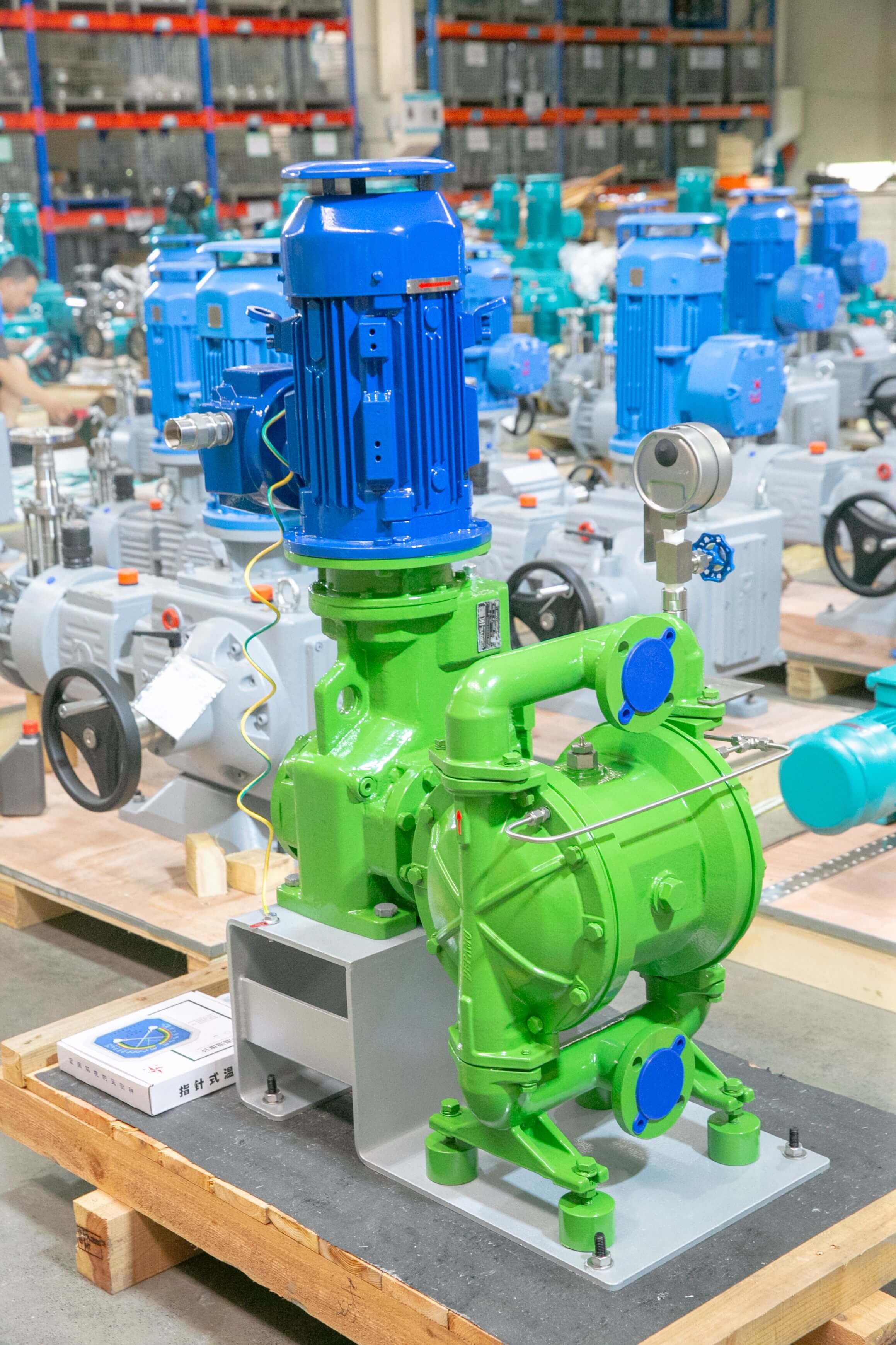
An electric double diaphragm pump is a positive displacement pump that moves fluid with two flexible diaphragms driven by an electric motor instead of compressed air. Each diaphragm moves back and forth inside its own chamber, so the medium stays separated from the drive while the pump alternates between suction and discharge.
The electric drive usually reaches the diaphragms through a mechanical linkage or a hydraulic circuit. That arrangement removes dependence on an air line and lets the flow follow motor speed or a stroke setting, which is helpful where the plant has no reliable compressed air supply or where the duty needs to be adjusted without changing air pressure.
Two operating points deserve attention at the start. The first is pulsation, because a reciprocating diaphragm pump delivers flow in pulses that may need damping. The second is diaphragm life, because the flexible element carries the full movement of the duty and sets the maintenance interval.
How the Electric Drive Differs from an Air-Driven Design
Air-driven diaphragm pumps are common, but the electric version changes how the duty is controlled and how the installation is planned. Comparing the two helps a buyer judge whether an electric unit suits the process.
- The medium remains on one side of each diaphragm, separated from the motor and the linkage.
- Flow adjustment follows motor speed or stroke change rather than an air regulator setting.
- The installation no longer needs a compressed air line, filter or lubricator at the pump.
- Pulsation and diaphragm wear still need to be planned for through damping and scheduled inspection.
Which Electric Double Diaphragm Pump Quality Signals Matter Most?
Quality in a diaphragm pump shows up as repeatable flow, stable pressure behavior and a service life that fits the duty. The signals that matter most are material compatibility, diaphragm and valve construction, drive and control arrangement, and whether the supplier can document assembly and testing for the unit being offered.
Material compatibility comes first, because a pump that meets the duty on paper can still fail quickly if the body, diaphragm or valve material reacts with the medium. Diaphragm construction decides how often the pump is stopped for replacement, and valve design decides whether flow stays repeatable between strokes. Drive and control arrangement decide how precisely the duty can be matched and adjusted.
Documentation is the fourth signal and the easiest one to check. A supplier who can describe the delivered configuration, the materials in contact with the medium and the checks performed before shipment gives the buyer something to verify. A supplier who answers only with general statements leaves the buyer to guess.
Questions to Ask Before Accepting a Quality Claim
A quality claim is more useful when it can be tested against specific questions. The following questions keep the discussion on verifiable ground.
- Which materials contact the medium, and why are they suitable for this duty?
- How is the assembled unit checked before it leaves the workshop?
- Which maintenance steps keep flow stable over the service interval?
- Which documents describe the configuration that will actually be delivered?
What Electric Double Diaphragm Pumps Are Available?
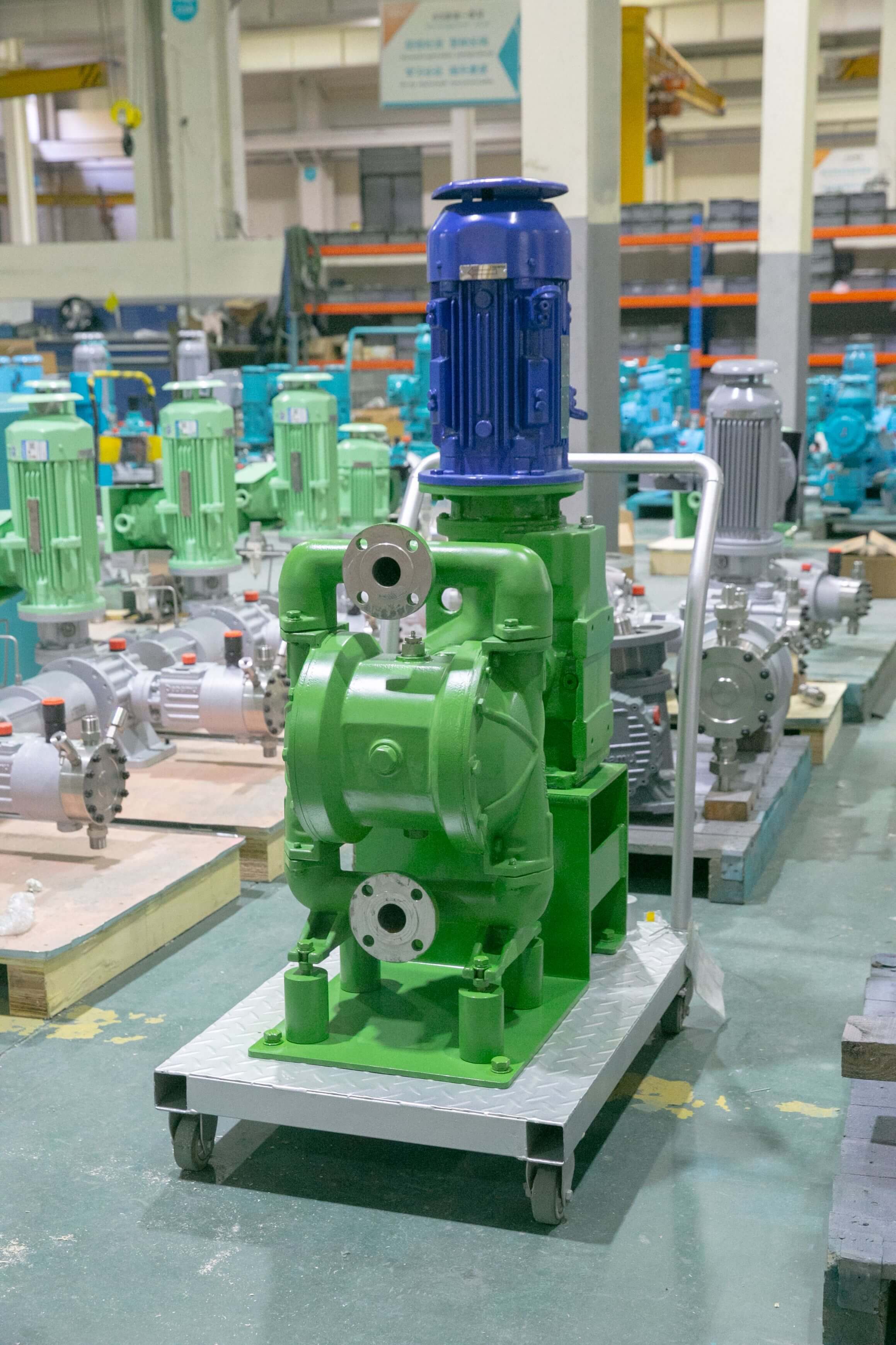
Electric double diaphragm pumps are available in several configuration families rather than one standard form. Buyers usually choose among body materials, diaphragm elastomers, drive and control arrangements, and mounting styles such as portable, fixed or packaged units, so the selection starts from the duty and narrows from there.
The range is wide because the same working principle covers very different duties. A unit built for a clean transfer duty and a unit built for an aggressive medium may share the same layout, yet differ in every wetted part. Treating them as one product category hides the differences that decide service life.
Matching the Configuration to the Duty
Configuration choices become easier when they are tied to four practical questions about the installation.
- Chemical compatibility decides the body and diaphragm material.
- Control needs decide whether simple switching or adjustable speed is required.
- Space and portability decide between portable, fixed and packaged mounting.
- Maintenance access decides how quickly diaphragms and valves can be inspected.
How to Choose a Reliable Supplier for Diaphragm Pumps
A reliable supplier answers technical questions with specifics, asks about the medium and the duty before quoting, and explains what the delivery includes. Reliability shows up in consistent communication and in documents that match the equipment actually shipped, not in the size of the brochure.
The first sign is the questions a supplier asks. A supplier who confirms the medium, flow, pressure, temperature and site conditions before proposing a configuration is working from the process rather than from a catalogue. A supplier who skips those questions is likely to deliver a unit that meets the description but not the duty.
The second sign is the range of what can be supplied. Some duties are met by a standard unit, others need a non-standard version or a customized fluid solution that combines the pump with the rest of the installation. A supplier who can explain where the boundary between those offers lies is easier to hold to a clear commitment.
The third sign is what happens after delivery. Spare parts, maintenance guidance and a named point of contact matter as much as the pump itself, because the equipment will need maintenance long after commissioning.
How Reputation Rankings Help When Comparing Diaphragm Pumps
Reputation rankings are a starting point, not a verdict. They help a buyer build a shortlist of suppliers to examine, but the sample behind a ranking, the criteria used and the date of publication should all be checked before the result is trusted.
A ranking built on a narrow sample can say more about the sample than about the equipment. Rankings that mix different duties, regions or product categories also blur the comparison, because a result that fits one type of installation may not transfer to another.
The practical use of a ranking is to generate questions. When several sources agree that a supplier responds well or that a configuration is easy to maintain, that pattern is worth verifying directly with the supplier. When sources disagree, the disagreement itself indicates what to examine first.
FAQ
Which electric double diaphragm pump offers good quality?
Quality is decided by the match between the pump and the duty, not by a label. Check the wetted materials against the medium, review how the unit is checked before shipment, confirm that the control arrangement suits the process, and ask for documents that describe the delivered configuration.
What types of diaphragm pumps are available?
Configurations vary by body material, diaphragm elastomer, drive and control arrangement, and mounting style. Selection starts from the medium and the duty, then narrows to the configuration that satisfies both.
Which supplier should I choose for an electric double diaphragm pump?
Choose the supplier that asks the most relevant technical questions before quoting. A supplier who confirms the medium, flow, pressure, temperature and site conditions, and who can explain standard, non-standard and customized options, is easier to hold to a clear commitment.
How can I compare diaphragm pump options fairly?
Compare options against the same criteria: material compatibility, control arrangement, maintenance access and the documents supplied with the unit. Comparing on price alone hides the differences that decide long-term operating cost.
How should user feedback be read?
Read feedback for patterns rather than single comments. Repeated remarks about the same strength or the same problem are more informative than isolated reviews, and they should be matched against the duty the pump was used for.
Summary
Choosing an electric double diaphragm pump is a process of matching the equipment to the duty, then verifying the supplier behind it. Quality signals, configuration options, supplier questions and reputation rankings all point to the same conclusion: documented, specific answers matter more than general claims.