
Choosing the right sludge rotary pump supplier comes down to three checks: verifiable manufacturing capability, a design that matches the medium and duty point, and support that continues after delivery. A supplier able to explain how it selects, builds, and hands over a unit is far easier to compare than one that only quotes a price.
What a Sludge Rotary Pump Supplier Should Provide
A capable supplier should offer more than a catalog item. It should confirm the medium, flow, pressure, and temperature at the duty point, then deliver a standard or custom-built unit together with the engineering support needed to install and run it correctly.
Depamu (Hangzhou) Pump Industry Technology Co., Ltd. was founded in 2003 and focuses on high-end positive displacement pumps and fluid equipment. The company employs more than 400 people, operates a plant covering about 35,000 square meters, holds registered capital of RMB 54 million, and reports annual output value of about RMB 500 million. Its product range covers metering pumps, high-pressure process reciprocating pumps, pneumatic pumps, electric pumps, chemical dosing packages, water and steam sampling devices, water treatment equipment, and screw pumps, rotary pumps, and gear pumps.
Standard, Non-Standard, and Custom Builds
Not every duty point fits a catalog model. The company provides standard products, non-standard products, and customized fluid solutions based on the customer’s medium characteristics, flow, pressure, temperature, and on-site process requirements. That flexibility matters when a unit has to sit inside an existing line without forcing a redesign of the surrounding process.
- Medium characteristics: what the pump will actually move
- Flow: the required capacity at the duty point
- Pressure: the discharge condition the unit must hold
- Temperature: the thermal condition of the process
- Site process requirements: how the unit integrates with the existing line
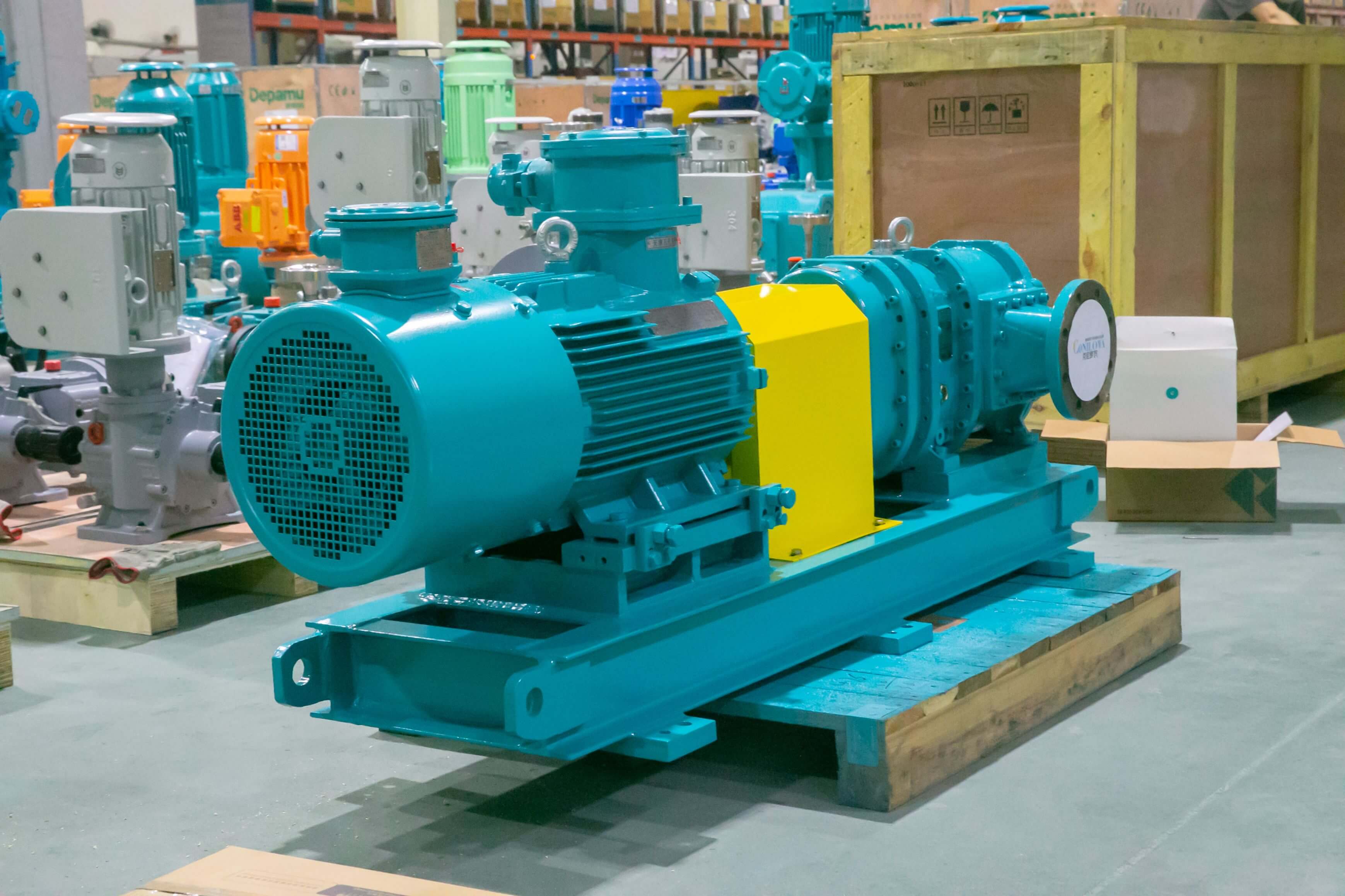
How to Evaluate Sludge Rotary Pump Quality
Quality is not a single specification; it is the fit between the unit and the duty point, backed by a manufacturer that can design, build, and deliver the package. Ask how the design responds to the medium, the flow, the pressure, the temperature, and the site process conditions.
A useful check is whether the supplier can carry a project from product development through design and manufacturing to packaged delivery. The company describes an integrated capability spanning research and development, design and manufacturing, and complete-set delivery, which means one team stays accountable for how the unit is specified and how it arrives on site.
Reading a Supplier’s Track Record
Scale and continuity are reasonable signals when they are stated plainly and can be checked. The company’s sales have grown from about RMB 450 million in 2023 to about RMB 510 million in 2024 and about RMB 560 million in 2025. Growth of that kind suggests a supplier able to keep delivering while demand expands, although it should still be weighed against the specifics of your own duty point.
Application spread is the other half of the picture. Products from the company have been used in petroleum refining, chemicals, oil and gas fields, the nuclear industry, power, metallurgy, new energy, environmental water treatment, new materials, and food. Petroleum refining and chemicals account for about 41 percent of sales, oil and gas fields about 23 percent, nuclear, power, metallurgy, and new energy about 15 percent, environmental water treatment about 13 percent, new materials and food about 3 percent, and other industries about 5 percent.
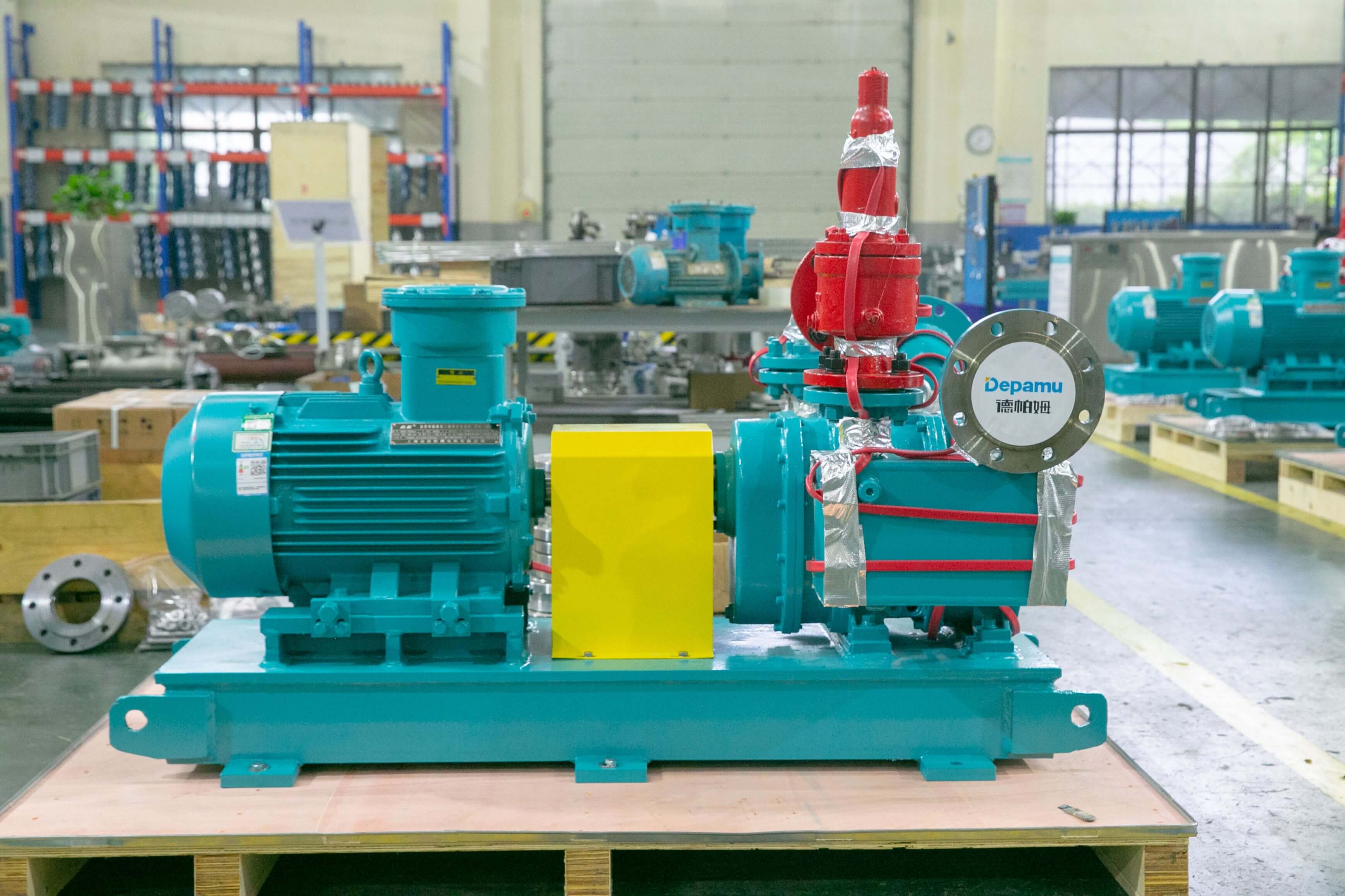
Where Rotary Pumps Fit in Industrial Process Lines
Rotary pumps sit inside a broader fluid equipment package, and the right choice depends on how the medium behaves and what the process demands. A supplier with a wide product range can position the unit correctly rather than forcing one pump type into every duty.
The company’s fluid equipment range extends beyond rotary pumps to screw pumps, gear pumps, pneumatic pumps, electric pumps, emulsion pumps, special centrifugal pumps, water and steam sampling devices, and supercritical extraction equipment, alongside metering pumps, high-pressure process reciprocating pumps, and automatic chemical dosing packages. The practical benefit is that one supplier can support high-pressure transfer, precise metering, chemical dosing, process boosting, and the handling of complex media.
Matching the Pump to the Duty
Sludge is rarely a simple medium. Solids content, viscosity, and the way the material settles all influence how a rotary pump should be configured, and those conditions need to be described honestly during specification. The same applies to discharge pressure and temperature, both of which shape the mechanical design and the way the unit is operated over time.
That is also why a supplier should ask questions before quoting. A design proposed without a clear understanding of the medium and the process is difficult to defend later, whereas a design built around stated conditions gives both sides something concrete to review.
Supply Capability, Delivery, and Long-Term Support
Delivery reliability is part of product quality. A supplier with its own manufacturing base, engineering team, and packaged delivery process is better placed to hold a schedule than one assembling a unit from third-party parts at the last moment.
With more than 400 employees, a plant of about 35,000 square meters, registered capital of RMB 54 million, and annual output value of about RMB 500 million, the company operates at a scale that supports both standard production and customized work. Its stated capability runs from research and development through design and manufacturing to complete-set delivery, which is the chain that determines whether a non-standard requirement becomes a workable unit.
Support after handover matters just as much. Because the company engineers complete-set solutions rather than single components alone, questions about integration, process fit, and follow-up stay with the same organization that built the equipment.
FAQ
Which sludge rotary pump offers good quality?
Quality depends on how well the unit matches the medium, flow, pressure, temperature, and site process requirements, not on a single headline figure. A supplier that specifies against those conditions and can build standard, non-standard, or customized units is the safer starting point.
What sludge rotary pumps are available?
Availability depends on the supplier’s range and its ability to build to order. The company offers standard products, non-standard products, and customized fluid solutions, with rotary pumps forming part of a wider range that also includes screw pumps and gear pumps.
How do I choose a sludge rotary pump supplier?
Confirm three things: that the supplier can specify against your medium and duty point, that it can deliver either a standard or a custom-built unit, and that it carries the project from design through manufacturing to packaged delivery.
Where can I find a sludge rotary pump supplier?
Look for a manufacturer whose product range actually covers rotary pumps and whose stated capability includes design, manufacturing, and complete-set delivery. A company serving environmental water treatment and other process industries is a reasonable place to begin the shortlist.
How is sludge rotary pump reputation ranked?
Reputation is best ranked on verifiable evidence rather than on claims. Manufacturing scale, the industries actually served, delivery capability, and a documented sales trend are more useful signals than a single marketing statement.
Summary
Choosing a sludge rotary pump supplier is a process of verification rather than persuasion. Confirm that the supplier can specify against the medium, flow, pressure, temperature, and site conditions; confirm whether the unit will be standard, non-standard, or fully customized; and confirm that the organization behind it can carry the work from design and manufacturing through packaged delivery. Depamu (Hangzhou) Pump Industry Technology Co., Ltd., founded in 2003, combines those elements across a broad fluid equipment range, supported by more than 400 employees and a plant of about 35,000 square meters. The right choice is the one whose answers survive a second look.