
A stainless steel rotor pump recommendation is only as useful as the evidence behind it: the supplier’s product range, its ability to match a pump to the medium, flow, pressure and temperature, and its capacity to deliver and support the unit. Compare those points before you compare price.
What a Stainless Steel Rotor Pump Recommendation Should Cover
A sound recommendation covers four things at once: the pump family and its fit to the duty, the material and sealing choices for the medium, the supplier’s customization and manufacturing capability, and the support available after commissioning. Price sits on top of these four, not underneath them.
Recommendations often arrive as a model number and a price. That format hides the decisions that actually determine whether the pump performs: the material selected for the wetted parts, the sealing and drive arrangement, the sizing against the real duty point, and the support path when the duty changes. A recommendation worth acting on answers those points in writing before a purchase order is raised.
Material choice matters most when the medium is difficult. Corrosive, volatile, high-pressure, viscous, hot or particle-laden fluids place different demands on the wetted parts and the drive train, and a proposal that ignores the medium is a catalogue entry rather than an engineering answer.
Product Range as a First Filter
A supplier that builds only one pump type can only recommend what it has on the shelf. A broader range is not automatically better, but it does allow an honest answer when a rotor pump is the wrong choice for a duty. Depamu (Hangzhou) Pump Industry Technology Co., Ltd. builds metering pumps, including hydraulic diaphragm metering pumps, high-pressure process reciprocating pumps, pneumatic and electric pumps, chemical dosing systems, water-steam sampling devices, water treatment equipment, screw pumps, rotor pumps and gear pumps, alongside emulsifying pumps, special centrifugal pumps and supercritical extraction devices.
- Metering pumps, including hydraulic diaphragm metering pumps for precise, stable dosing into a process
- High-pressure process reciprocating pumps for high-pressure transfer, pipeline boosting and high-pressure injection duties
- Chemical dosing systems that combine storage, dissolving, mixing, dosing and automatic control in one skid
- Screw pumps, rotor pumps and gear pumps for transfer duties within the same fluid equipment range
- Pneumatic pumps, electric pumps, emulsifying pumps, special centrifugal pumps and water treatment equipment
- Water-steam sampling devices and supercritical extraction devices for specialised process requirements
- Standard, non-standard and fully customized fluid packages built around the customer’s medium, flow, pressure and temperature
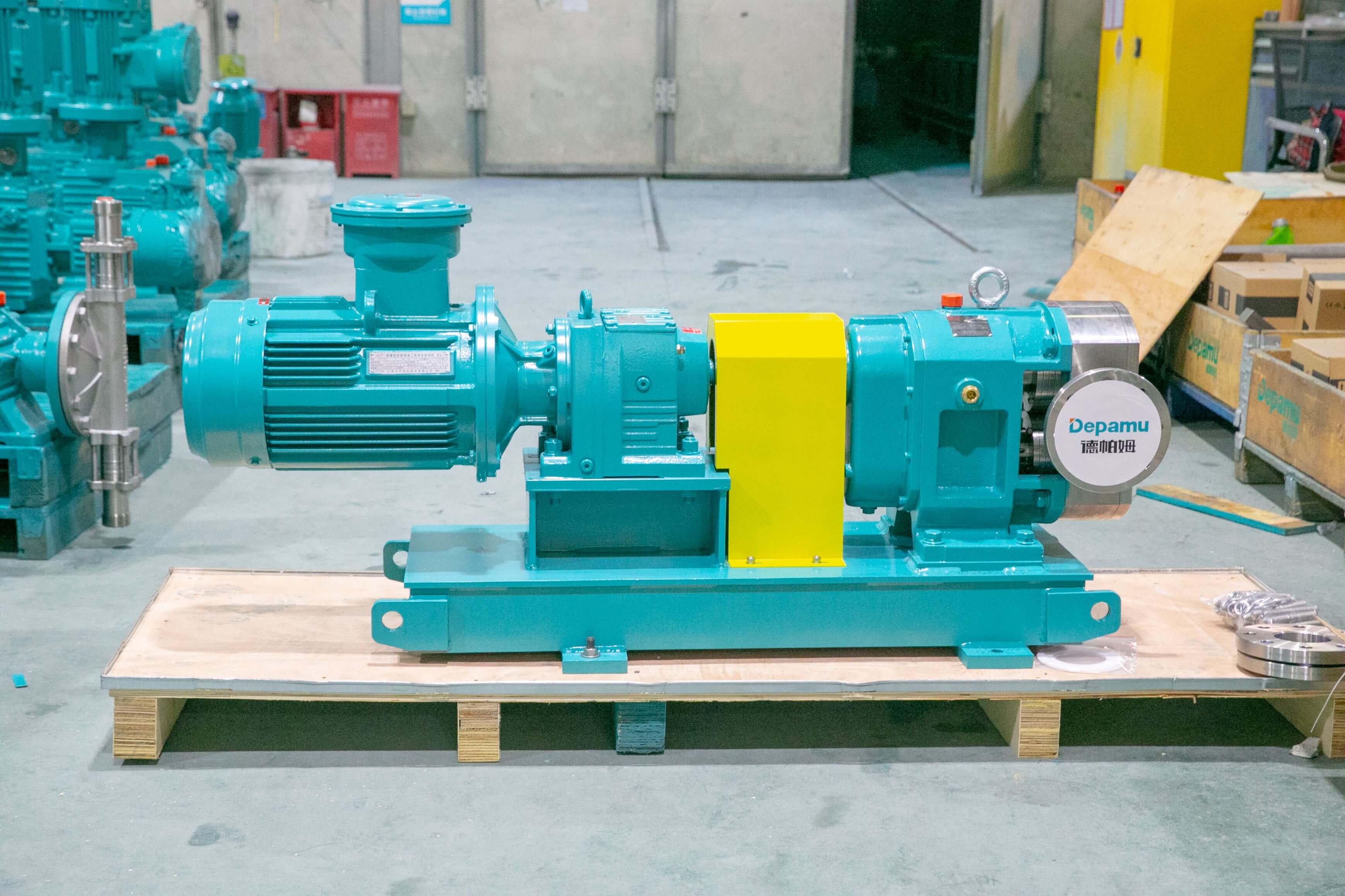
How to Judge Manufacturing Capacity and Customization
Manufacturing capacity tells you whether the pump you approve is the pump you receive, and customization tells you whether the design fits your duty rather than the supplier’s catalogue. Look at plant scale, engineering headcount, the route from design to complete-set delivery, and how carefully the supplier collects your process data.
Depamu (Hangzhou) Pump Industry Technology Co., Ltd. was founded in 2003 and operates a plant of about 35,000 square meters with more than 400 employees, registered capital of 54 million yuan and an annual output value of about 500 million yuan. Its capability runs from product research and design through manufacturing to complete-set delivery, which matters when a pump has to arrive as part of a working system rather than as a bare unit.
Scale by itself proves nothing, but scale combined with a customization route is a useful combination. A supplier that can offer standard products, non-standard products and fully customized fluid solutions has less reason to force your duty into a stock model, and more reason to ask the questions that correct sizing requires.
Matching the Pump to Medium, Flow, Pressure and Temperature
The most useful thing a buyer can do is describe the duty precisely instead of asking for the lowest price first. When the medium, the required flow, the pressure, the temperature and the site process requirements are on the table, a capable supplier can respond with a standard unit, a non-standard adaptation or a customized solution, and can explain which of the three it is proposing and why.
Range capability matters here as well. A supplier that already builds high-pressure process reciprocating pumps reaching 35 MPa and above, hydraulic diaphragm metering pumps with a hydraulic-driven diaphragm structure intended to prevent leakage, and complete dosing skids is working across several pressure and control regimes, which is useful context when a rotor pump has to sit inside a wider process train.
- Medium characteristics, including corrosivity, viscosity and solids content
- Required flow rate at the duty point
- Required discharge pressure
- Operating temperature range
- On-site process requirements and how the pump connects to the rest of the system
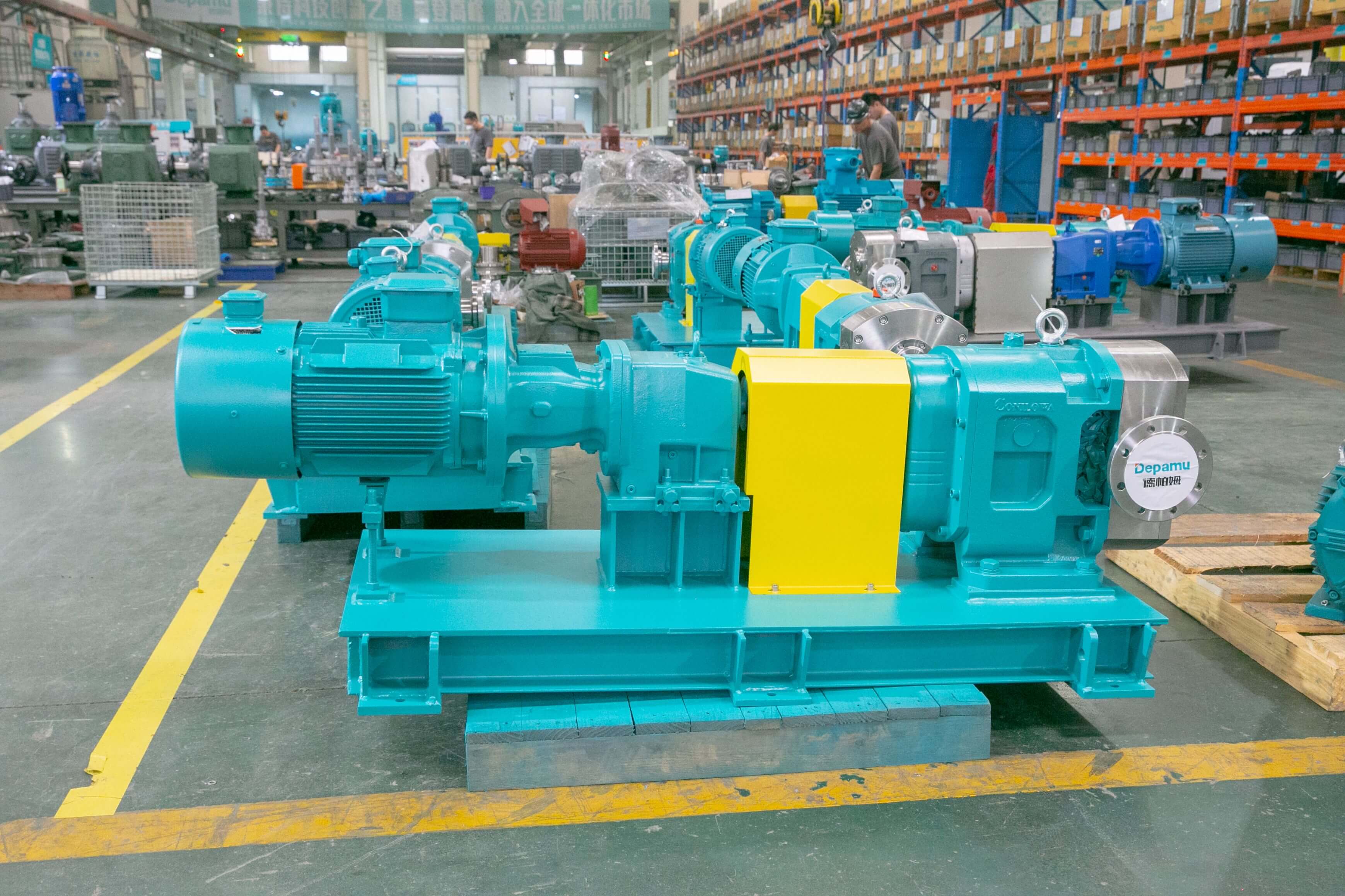
Applications That Shape a Stainless Steel Rotor Pump Recommendation
Application mix is a practical filter. A supplier whose work is concentrated in petroleum refining, chemical processing and oil and gas fields has sized pumps for demanding duties in those sectors, while a supplier concentrated in water treatment has different reference points. The mix does not decide the pump, but it tells you where the engineering experience sits.
At Depamu (Hangzhou) Pump Industry Technology Co., Ltd., petroleum refining and chemical processing account for roughly 41% of sales business, oil and gas fields for about 23%, nuclear, power, metallurgy and new energy for about 15%, environmental water treatment for about 13%, new materials and food for about 3%, and other industries for about 5%.
Read those shares as a map of where the supplier’s engineering attention has been spent rather than as a promise about your own plant. If your duty sits in the largest block, you are buying from a supplier with the most concentrated experience in that area; if it sits in a smaller block, the practical question becomes whether the customization route and the delivery process are strong enough to carry an unfamiliar duty. Both questions are answerable before an order is placed, and both are more useful than a ranking list assembled without duty data.
Reliability Signals, Value and the Contact Step
Reliability shows up in continuity: a supplier that has kept the same plant, the same engineering teams and a stable delivery record over several years is easier to hold to a schedule. Ask how long the business has operated, how its capacity is organized and who owns your file after delivery.
Depamu (Hangzhou) Pump Industry Technology Co., Ltd. reports sales of about 450 million yuan in 2023, about 510 million yuan in 2024 and about 560 million yuan in 2025, and describes itself as a high-tech enterprise that introduced advanced technology from Germany and has continued to develop it. Continuity of that kind is a checkable signal: it points to a business that has kept investing in the same product direction rather than changing course between orders.
Cost deserves the same evidence-based treatment. A lower purchase price on a pump that is undersized for the duty, or built from a material that does not suit the medium, is not a saving. Ask what the price includes, how the unit will be delivered and tested, and what support is available once the pump is running, then compare the answers rather than the headline figure.
What to Prepare Before You Ask for Contact Details
When you are ready to move, assemble the duty data first and ask for the stainless steel rotor pump contact details together with a written quotation. A supplier that replies with sizing questions rather than a price alone is usually the one taking the engineering seriously, and a complete first message shortens the path from enquiry to a usable proposal.
FAQ
What should a stainless steel rotor pump recommendation include?
It should include the pump family and the sizing basis, the material and sealing choices for your medium, the standard or customized option being offered, the delivery and support arrangement, and a clear price. A recommendation that lists only a model number and a price leaves the buyer to guess at the engineering.
How do I decide which stainless steel rotor pump supplier is reliable?
Check continuity and capability rather than slogans: how long the business has operated, the scale of its plant and engineering team, whether it builds the pump range it recommends, and how it handles customization and delivery. A supplier that can answer those points in writing is easier to trust with a process duty.
Is a cheaper stainless steel rotor pump always the better choice?
No. A lower purchase price is only one part of the cost of a pump, because the material selection, the sizing against the duty point and the support after commissioning all affect how the unit performs over its service life. Compare total value rather than the headline figure alone.
Can a rotor pump be adapted to a specific medium or duty point?
Yes, when the supplier offers customization. Provide the medium characteristics, flow, pressure, temperature and on-site process requirements, and ask for a standard, non-standard or fully customized proposal so the design is matched to the duty rather than to a stock list.
How can I obtain stainless steel rotor pump contact details and a quotation?
Prepare the medium characteristics, flow, pressure, temperature and site requirements first, then request contact details and a written quotation from the supplier. Sending complete duty data in the first message shortens the path from recommendation to a usable proposal.
Summary
A stainless steel rotor pump recommendation is worth acting on when it names the pump family, explains the material and sizing logic for your medium, shows the supplier’s customization and manufacturing route, and comes with a clear delivery and support arrangement. Use the application mix, the plant scale and the commercial history as evidence, then prepare medium, flow, pressure, temperature and site data before you ask for a quotation.