
In industrial processes across petrochemical, environmental protection, pharmaceutical, and food production sectors, chemical dosing pumps play a crucial role as the “precision infusion devices” of manufacturing systems. These specialized pumps ensure accurate, stable, and reliable injection of various chemical agents into production lines, directly impacting product quality, process efficiency, and operational safety. With over 20 years of expertise in high-end positive displacement pumps and fluid equipment, Depamp Pump Technology (Hangzhou) Co., Ltd. has developed a comprehensive guide to help global customers navigate the complex world of chemical dosing pump selection.
Understanding Chemical Dosing Pump Fundamentals
Chemical dosing pumps are specialized positive displacement pumps designed to deliver precise volumes of liquid chemicals at controlled rates. Unlike general-purpose pumps, these specialized devices incorporate advanced metering technologies and corrosion-resistant materials to handle the unique challenges of chemical injection applications. The core principle involves converting mechanical energy into hydraulic energy to move fluids through the system with exceptional accuracy.
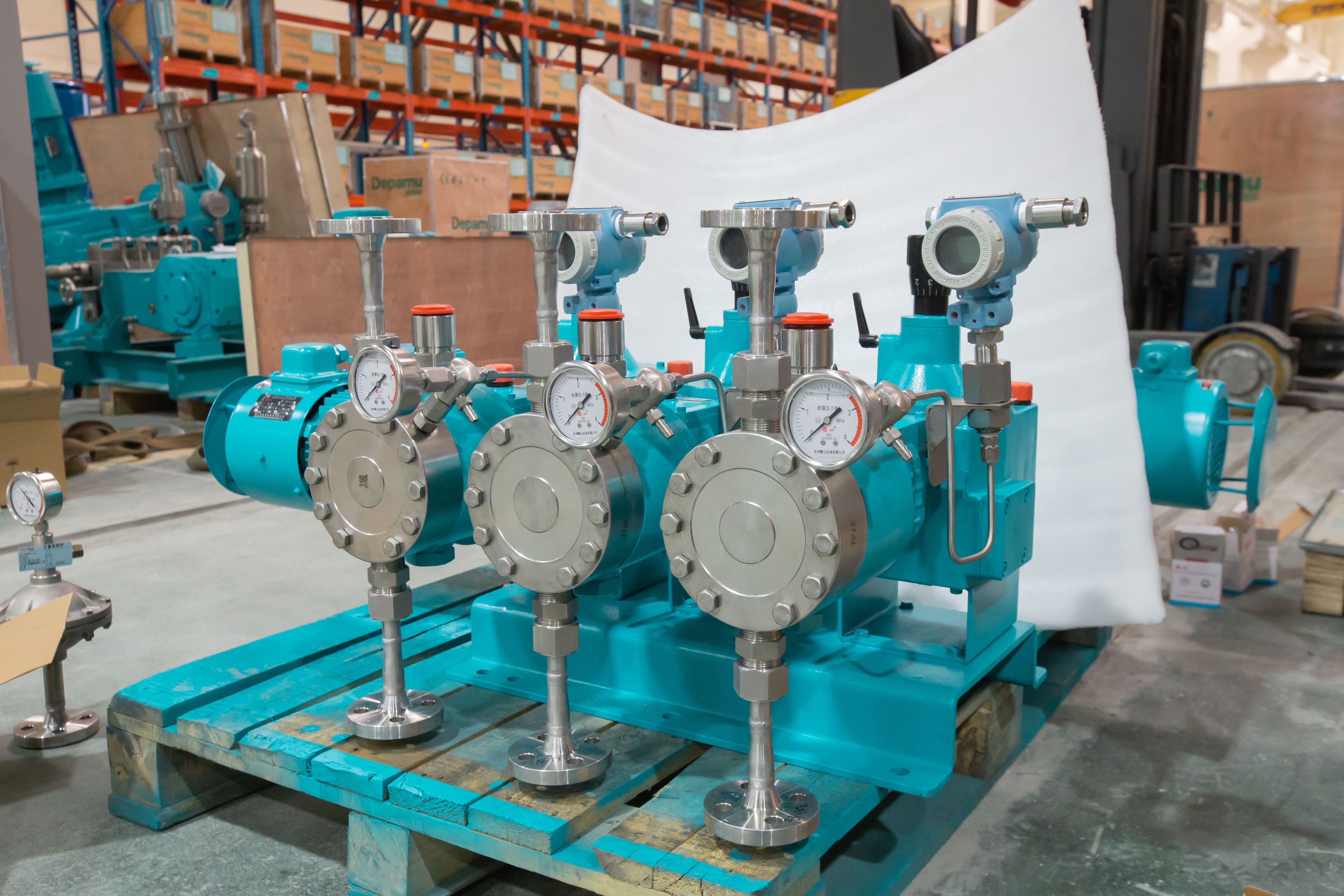
Depamp’s hydraulic diaphragm dosing pumps represent the pinnacle of this technology, featuring a dual-diaphragm design that completely isolates the process fluid from mechanical components. This innovative structure ensures zero leakage even when handling highly corrosive, volatile, or hazardous chemicals under high pressure conditions. The pumps achieve metering accuracy of ±1% through adjustable stroke length and variable frequency control, meeting the stringent requirements of modern industrial processes.
Key Selection Criteria for Chemical Dosing Pumps
Selecting the right dosing pump requires careful evaluation of multiple technical parameters and operational requirements. The first critical factor is flow rate capacity, which should match the application’s maximum and minimum dosing volumes while allowing for future process modifications. Depamp offers pumps with flow ranges from 0.5 L/h to 50,000 L/h, covering virtually all industrial dosing needs.
Pressure rating constitutes another essential consideration. Different applications demand varying discharge pressures – from atmospheric conditions in water treatment to over 35MPa in enhanced oil recovery operations. Depamp’s high-pressure process reciprocating pumps can generate pressures exceeding 350 bar, making them ideal for demanding applications like pipeline增压 (pipeline boosting) and hydraulic fracturing.
Material Compatibility Considerations
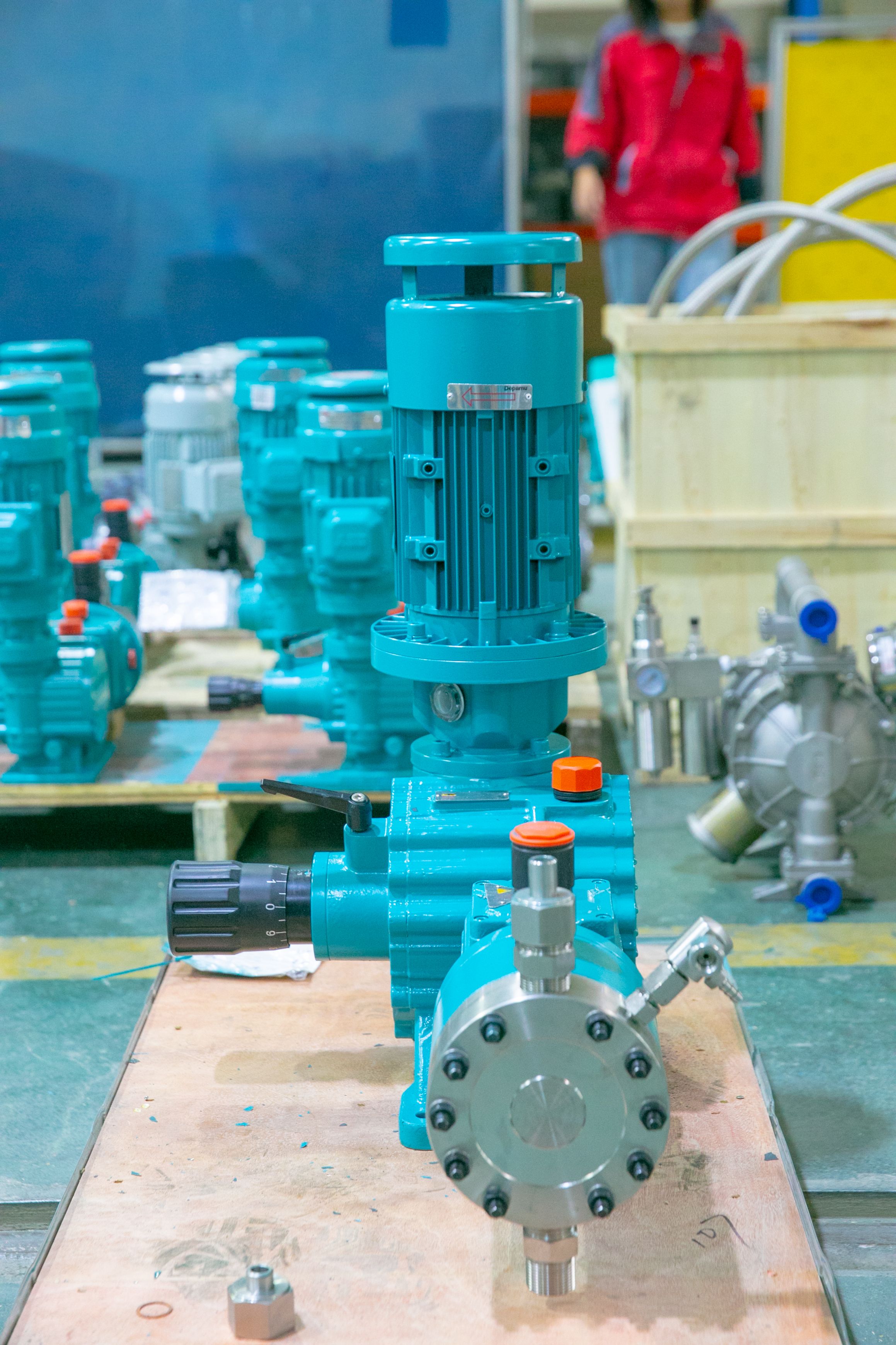
Chemical resistance proves particularly crucial when selecting dosing pumps, as the wetted components must withstand prolonged exposure to various reagents without degradation. Depamp engineers conduct thorough material compatibility analyses for each application, considering factors like chemical concentration, temperature, and potential reaction products. The company maintains an extensive database of material performance data to recommend optimal solutions for even the most aggressive chemicals.
For sulfuric acid dosing at 98% concentration and 80°C, for example, Depamp specifies PVDF (polyvinylidene fluoride) pump heads with Hastelloy C-276 valves and diaphragms. When handling sodium hypochlorite solutions, the company recommends PTFE (polytetrafluoroethylene) components to prevent chlorine-induced stress cracking. This meticulous approach to material selection ensures long-term reliability and safety in chemical dosing applications.
Application-Specific Dosing Solutions
The petrochemical industry represents Depamp’s largest market segment, accounting for 41% of sales, where dosing pumps play vital roles in catalyst injection, corrosion inhibition, and pH control applications. In a typical refinery catalytic cracking unit, Depamp’s hydraulic diaphragm pumps precisely inject 5-10 ppm of antifoaming agents into the reactor at flow rates of 200-500 L/h under 3.5MPa pressure, maintaining optimal reaction conditions while preventing foam-induced operational issues.
Environmental protection water treatment applications constitute another major field, requiring reliable dosing of coagulants, flocculants, and disinfectants. Depamp’s fully automatic chemical dosing systems integrate storage, dissolution, metering, and control functions into skid-mounted packages, simplifying installation and operation. These systems have been successfully implemented in municipal wastewater treatment plants, industrial effluent processing facilities, and seawater desalination projects worldwide.
| Application Field | Typical Dosage Requirement | Recommended Pump Type |
|---|---|---|
| Petrochemical Processing | 0.1-10,000 L/h @ 0.1-35MPa | Hydraulic Diaphragm Metering Pump |
| Water Treatment | 5-5,000 L/h @ 0.1-1.6MPa | Mechanical Diaphragm Metering Pump |
| Oil & Gas Production | 100-20,000 L/h @ 10-70MPa | High-Pressure Reciprocating Pump |
Customized Dosing Solutions for Complex Requirements
Depamp’s engineering team excels at developing tailored solutions for unique application challenges. In a recent project for a Middle Eastern petrochemical complex, the customer required a dosing system capable of injecting three different catalysts simultaneously into a high-pressure reactor. Depamp designed a triple-head dosing unit with independent flow control for each catalyst, integrated with a common hydraulic system to maintain consistent injection pressure across all channels.
The solution featured special materials selection to handle the catalysts’ corrosive nature at 220°C operating temperature, along with redundant safety systems to prevent accidental overdosing. This customized approach not only met the customer’s technical requirements but also reduced equipment footprint by 40% compared to conventional solutions, demonstrating Depamp’s capability to deliver innovative, value-engineered solutions.
FAQ
What factors determine the selection of a chemical dosing pump?
The primary factors include required flow rate and pressure, chemical properties (corrosiveness, viscosity, temperature), accuracy requirements, and installation environment. Depamp’s engineering team evaluates these parameters along with process control needs to recommend optimal pump models and materials.
How does Depamp ensure material compatibility for aggressive chemicals?
We maintain an extensive material performance database covering over 200 chemicals and mixtures. For each application, our engineers analyze chemical composition, concentration, temperature, and potential reactions to select wetted materials from options including stainless steel, Hastelloy, PVDF, PTFE, and ceramic composites.
What maintenance is required for chemical dosing pumps?
Regular maintenance includes diaphragm condition checks, valve seat inspections, lubrication of moving parts, and calibration verification. Depamp provides detailed maintenance manuals with each pump and offers training programs for customer personnel. Our global service network ensures prompt support when needed.
Can Depamp provide complete dosing systems with automation?
Yes, we offer fully integrated dosing systems combining pumps, storage tanks, mixers, and control panels on skid-mounted packages. These systems feature PLC-based automation with remote monitoring capabilities, HMI interfaces, and safety interlocks to ensure reliable operation in unattended environments.
Summary
Selecting the right chemical dosing pump requires comprehensive evaluation of technical requirements, chemical properties, and operational conditions. Depamp Pump Technology’s 20+ years of industry expertise, combined with our advanced manufacturing capabilities and global service network, enables us to deliver optimal solutions for even the most demanding applications. From standard metering pumps to fully customized dosing systems, our products help customers worldwide achieve precise chemical injection, improved process efficiency, and enhanced operational safety.