
Electric diaphragm pumps are essential in industries where precise, leak-free transfer of aggressive or sensitive fluids is required. From chemical dosing to water treatment, these pumps provide reliable performance, low maintenance, and excellent chemical compatibility. However, selecting the right electric diaphragm pump supplier can be challenging. Buyers often ask: Which electric diaphragm pump manufacturer has a good reputation? How does an electric diaphragm pump perform in demanding applications? Where can I find a trustworthy supplier? This guide answers these questions, explains how electric diaphragm pumps work, outlines key selection criteria, and introduces Depamu (Hangzhou) Pump Industry Technology Co., Ltd. as a experienced manufacturer of high-end positive displacement pumps and fluid equipment.
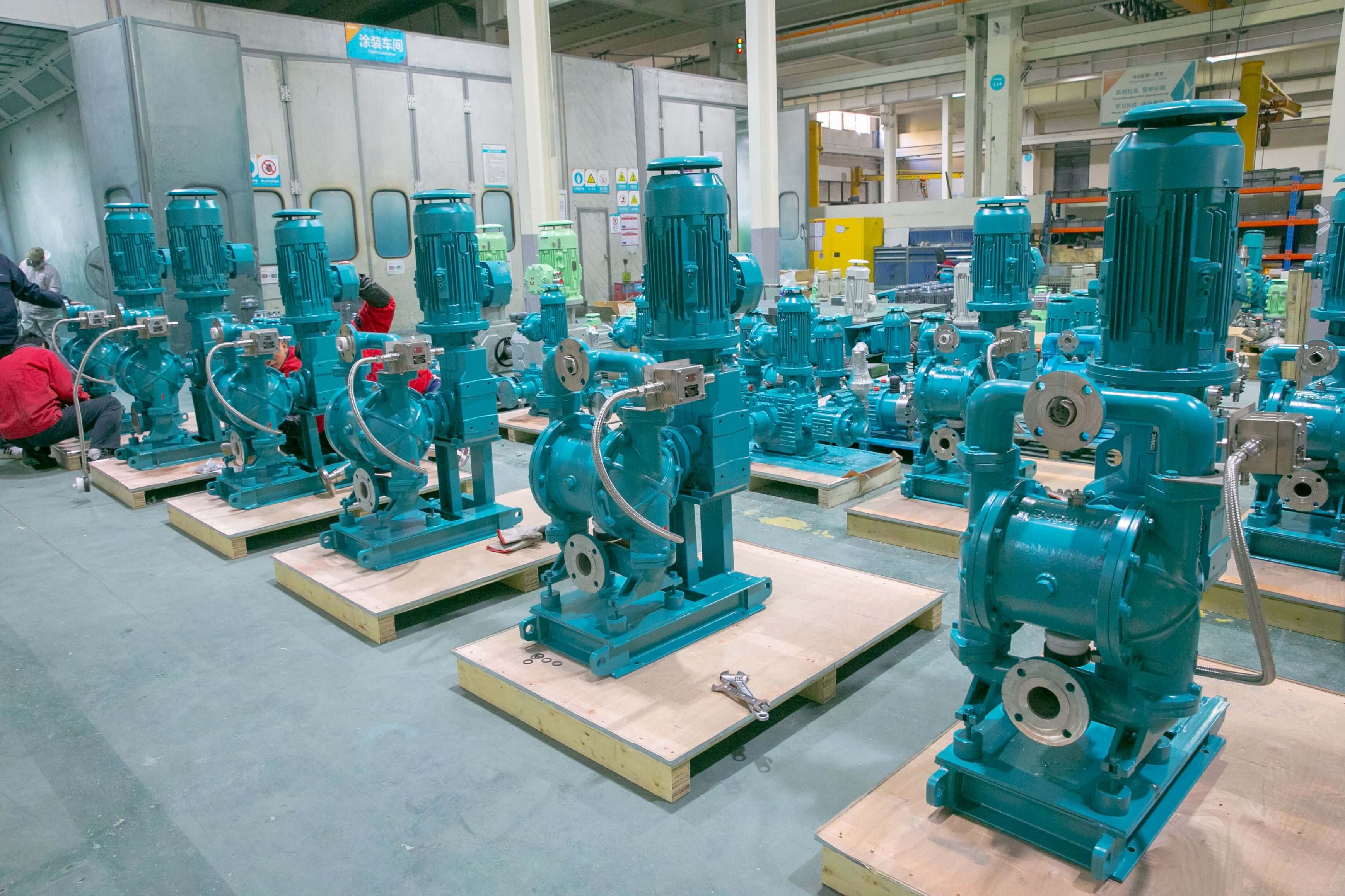
What Is an Electric Diaphragm Pump and How Does It Work?
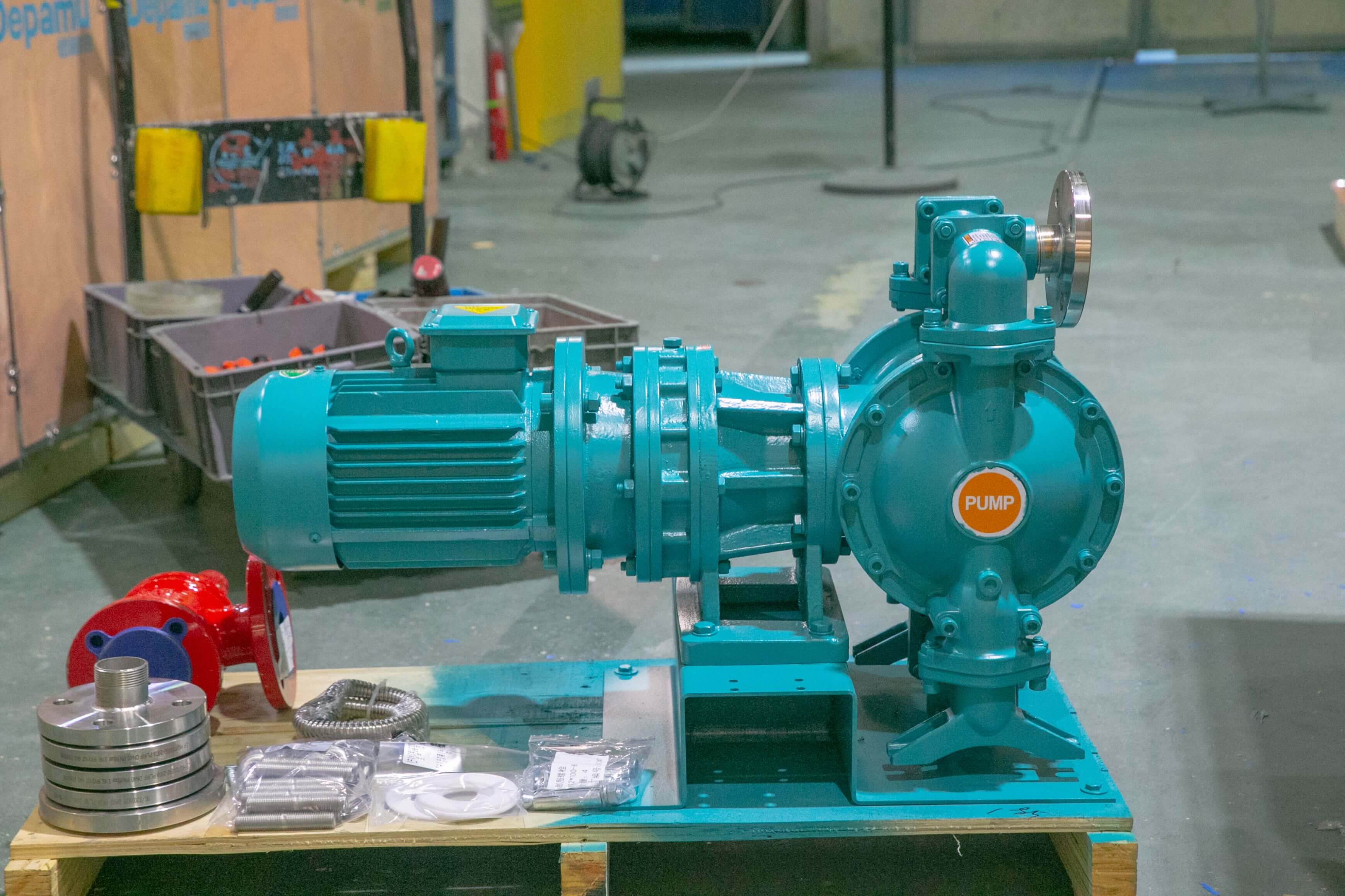
An electric diaphragm pump is a positive displacement pump that uses an electric motor to drive a flexible diaphragm back and forth. As the diaphragm flexes, it changes the volume of the pump chamber, drawing fluid in through an inlet check valve and pushing it out through a discharge check valve. Because the diaphragm separates the fluid from the mechanical drive, these pumps are ideal for handling corrosive, abrasive, viscous, or shear-sensitive media without leakage. This design also makes them suitable for applications where contamination must be minimized, such as chemical dosing, water treatment, food processing, and pharmaceutical production.
Key Components and Working Principle
The main components of an electric diaphragm pump include the electric motor, a gearbox or mechanical drive, the diaphragm, check valves, and the pump head. The motor rotates and converts rotary motion into reciprocating motion through a cam, eccentric, or crank mechanism. This reciprocating motion deflects the diaphragm, creating suction and discharge cycles. The check valves ensure that fluid flows in only one direction. In metering versions, the stroke length can be adjusted manually or automatically to control flow rate with high precision. Some models also use variable frequency drives (VFDs) to adjust motor speed and achieve accurate dosing.
The diaphragm material is critical to pump performance. Common materials include PTFE, rubber, and thermoplastic elastomers. PTFE diaphragms offer excellent chemical resistance and are often used for aggressive acids and solvents. Rubber diaphragms provide good flexibility and are suitable for less corrosive media. The pump head and wetted parts can be made from stainless steel, PVC, PVDF, or PTFE-lined materials to match the fluid being handled.
Advantages of Electric Diaphragm Pumps
Electric diaphragm pumps offer several advantages over other pump types. They are self-priming, can run dry for limited periods without damage, and provide leak-free operation because the diaphragm seals the fluid from the environment. They handle viscous and shear-sensitive fluids gently, making them suitable for polymers, slurries, and biological solutions. When equipped with stroke adjustment or variable speed control, they deliver excellent dosing accuracy. They are also relatively easy to maintain, with replaceable diaphragms and valves. For many B2B buyers, these benefits translate into lower operating costs, improved safety, and reduced downtime.
- Leak-free operation and excellent chemical compatibility
- Self-priming and limited dry-run capability
- Gentle handling of shear-sensitive and viscous fluids
- Accurate dosing when combined with stroke or speed control
- Easy maintenance with replaceable wear parts
- Wide range of materials for different media
Electric Diaphragm Pump Applications in Modern Industry
Electric diaphragm pumps are used across many sectors, including petrochemical, chemical, oil and gas, power generation, water treatment, new energy, and food processing. Depamu’s product portfolio, which includes metering pumps, high-pressure reciprocating pumps, electric pumps, pneumatic pumps, and chemical dosing systems, serves these industries with reliable fluid handling solutions. The company’s products are applied in石油炼化 (petroleum refining and petrochemical), chemical, oil and gas fields, nuclear industry, power, metallurgy, new energy, environmental water treatment, new materials, and food sectors. This broad application experience helps Depamu recommend the right pump configuration for each process.
Chemical Dosing and Petrochemical Processing
In chemical plants and refineries, electric diaphragm pumps inject additives, catalysts, corrosion inhibitors, and pH adjusters with high precision. They handle acids, bases, solvents, and slurries without leakage. Depamu’s diaphragm metering pumps are designed for accurate chemical dosing and can be integrated into automated control systems. The company’s high-pressure reciprocating pumps are also used for process boosting and high-pressure injection in petrochemical processes. With petrochemical and chemical applications accounting for about 41% of Depamu’s sales, the company has deep experience in this demanding sector.
Water and Wastewater Treatment
Electric diaphragm pumps are widely used in municipal and industrial water treatment for dosing coagulants, flocculants, disinfectants such as sodium hypochlorite, and pH adjustment chemicals. They resist corrosion and provide stable flow rates, which are essential for consistent water quality. Depamu’s chemical dosing systems combine metering pumps with dissolution tanks, mixers, and intelligent control systems to create turnkey dosing stations. These systems support dry powder or liquid dosing, multi-point injection, and automatic linkage control. Environmental water treatment accounts for approximately 13% of Depamu’s business, reflecting the company’s focus on this important market.
Oil & Gas, Power, and New Energy
In oil and gas operations, electric diaphragm pumps can be used for chemical injection, methanol dosing, and produced water treatment. In power plants, they support boiler water treatment, water sampling, and chemical dosing. New energy applications include electrolyte dosing, battery material production, and wastewater treatment in manufacturing. Depamu’s products serve the oil and gas field sector (about 23% of sales) and the nuclear, power, metallurgy, and new energy sectors (about 15% of sales). The company’s high-pressure reciprocating pumps are particularly suited for high-pressure injection and pipeline boosting in these industries.
How to Choose the Right Electric Diaphragm Pump for Your Process
Selecting an electric diaphragm pump requires a systematic evaluation of fluid properties, process conditions, and control requirements. Buyers should consider flow rate, discharge pressure, temperature, viscosity, chemical compatibility, and automation needs. Depamu’s engineers work closely with customers to specify standard, non-standard, or fully customized pumps based on medium characteristics, flow, pressure, temperature, and site process requirements. The following table summarizes the key parameters to review before requesting a quotation.
| Parameter | Why It Matters | Typical Considerations |
|---|---|---|
| Flow rate | Determines pump size, motor power, and dosing accuracy | From small dosing rates to higher transfer capacities |
| Discharge pressure | Affects diaphragm, motor, and pump head design | Low to high pressure; Depamu high-pressure reciprocating pumps can reach 35 MPa and above |
| Medium compatibility | Prevents corrosion, contamination, and premature failure | PTFE, PVDF, stainless steel, rubber, and other materials |
| Temperature | Influences material selection and seal performance | Ambient to high-temperature process fluids |
| Viscosity | Affects self-priming, flow stability, and valve design | Low-viscosity chemicals to high-viscosity slurries |
| Control method | Determines dosing precision and automation compatibility | Manual stroke adjustment, variable speed drive, PLC, 4-20 mA, pulse input |
Medium Compatibility and Material Selection
The diaphragm and wetted parts must be compatible with the fluid being pumped. For aggressive chemicals such as concentrated acids, bases, and solvents, PTFE diaphragms and PTFE-lined pump heads are often recommended. For abrasive slurries, rubber diaphragms may offer better durability. In food and pharmaceutical applications, materials must meet hygiene requirements, and the pump should be easy to clean. Depamu evaluates the customer’s medium characteristics and recommends suitable materials for the pump head, diaphragm, valves, and seals. This engineering support helps prevent corrosion, leakage, and product contamination.
Flow Rate, Pressure, and Control Requirements
Determine the maximum and minimum flow rates required by the process, as well as the discharge pressure and whether the pump will operate continuously or intermittently. For precise chemical dosing, a diaphragm metering pump with adjustable stroke length or a variable frequency drive is preferred. Automation requirements should be defined early. Modern dosing systems may require 4-20 mA signals, pulse inputs, Modbus communication, or integration with a plant-wide control system. Depamu’s chemical dosing systems can be supplied with intelligent control panels that automate chemical preparation and injection, reducing operator workload and improving consistency.
Electric Diaphragm Pump vs. Other Pump Types: A Quick Comparison
Buyers often compare electric diaphragm pumps with centrifugal pumps, screw pumps, and gear pumps. Each pump type has strengths and limitations. Electric diaphragm pumps excel in chemical compatibility, self-priming, and precision dosing. Centrifugal pumps are better for high-flow, low-viscosity transfer but are not self-priming and can damage shear-sensitive fluids. Screw pumps handle viscous fluids well but are generally more expensive and less suited to precise dosing. Gear pumps are compact and efficient for lubricating fluids but can generate high shear. The following table provides a quick comparison to help buyers evaluate options.
| Feature | Electric Diaphragm Pump | Centrifugal Pump | Screw Pump | Gear Pump |
|---|---|---|---|---|
| Working principle | Positive displacement | Rotodynamic | Positive displacement | Positive displacement |
| Self-priming | Yes | Usually no | Yes | Yes |
| Shear-sensitive fluids | Gentle | Moderate | Moderate | High shear |
| Precision dosing | Excellent with control | Poor | Moderate | Moderate |
| Chemical compatibility | Excellent | Depends on materials | Good | Good |
Why Work with Depamu as Your Electric Diaphragm Pump Supplier?
Depamu (Hangzhou) Pump Industry Technology Co., Ltd. was founded in 2003 and has more than 20 years of experience in high-end positive displacement pumps and fluid equipment. The company has over 400 employees, a factory area of approximately 35,000 square meters, registered capital of 54 million RMB, and an annual output value of about 500 million RMB. Depamu introduced advanced technology from Germany and continues to innovate. The company operates three brands and aims to be a global leader in fluid equipment. Its product portfolio includes metering pumps, high-pressure reciprocating pumps, pneumatic pumps, electric pumps, chemical dosing systems, water sampling devices, water treatment equipment, screw pumps, rotary lobe pumps, and gear pumps.
Manufacturing Strength and Quality Control
Depamu has comprehensive capabilities from product research and development to design, manufacturing, and complete system delivery. The company can supply standard products, non-standard products, and customized fluid solutions based on customer requirements. Its products are used in petroleum refining and petrochemicals (about 41% of sales), oil and gas fields (about 23%), nuclear, power, metallurgy, and new energy (about 15%), environmental water treatment (about 13%), new materials and food (about 3%), and other industries (about 5%). Sales have grown steadily, reaching approximately 450 million RMB in 2023, 510 million RMB in 2024, and 560 million RMB in 2025. This growth reflects the company’s commitment to quality, technical support, and customer service.
Customization and Engineering Support
Every application has unique requirements. Depamu’s engineers analyze the medium characteristics, flow rate, pressure, temperature, and site process conditions to recommend the most suitable pump and materials. For electric diaphragm pump applications, the company can provide standard pumps or customize the diaphragm material, pump head material, control method, and accessories. Depamu can also integrate pumps with chemical dosing tanks, mixers, sensors, and control systems to deliver a complete dosing station. This turnkey approach reduces installation time and ensures reliable operation.
Global Service and Contact Information
Depamu serves customers in China and international markets. If you are asking “where can I find a reliable electric diaphragm pump supplier” or “which electric diaphragm pump manufacturer has a good reputation,” Depamu is a strong candidate. To request a quotation, discuss a custom solution, or obtain electric diaphragm pump contact details, please contact Depamu through its official website or authorized sales representatives. The company’s sales team can provide technical guidance, pricing information, and delivery schedules based on your specific requirements.
Electric Diaphragm Pump Maintenance and Troubleshooting Tips
Regular maintenance extends the service life of an electric diaphragm pump and helps maintain dosing accuracy. A preventive maintenance schedule should include diaphragm inspection, check valve cleaning, and verification of flow rate and pressure. The diaphragm is a wear part and should be inspected every three to six months, depending on the duty cycle and fluid aggressiveness. Check valves should be cleaned or replaced if debris or crystallization is present. The stroke length and control settings should be checked periodically to ensure the pump is delivering the required dose. Lubrication of moving parts should follow the manufacturer’s manual. After handling aggressive chemicals, flush the pump with a compatible cleaning fluid to prevent corrosion and residue buildup.
- Inspect diaphragms and replace if worn, cracked, or deformed
- Clean check valves and remove debris or scale
- Verify flow rate and calibration regularly
- Check motor temperature and electrical connections
- Keep spare diaphragms, valves, and seals in stock
- Flush the pump after handling corrosive or crystallizing media
Common troubleshooting issues include low flow, no flow, leakage, and excessive noise. Low flow may be caused by worn check valves, a damaged diaphragm, or a blocked suction line. No flow may indicate a motor or coupling problem, an airlock, or closed valves. Leakage usually points to a ruptured diaphragm or loose fittings. Excessive noise may be caused by cavitation, worn bearings, or improper installation. Always depressurize and flush the pump before maintenance, and follow safety procedures for hazardous chemicals.
FAQ
What is an electric diaphragm pump used for?
An electric diaphragm pump is used for transferring and dosing liquids in applications where leak-free operation and chemical compatibility are important. Common uses include chemical dosing, water and wastewater treatment, petrochemical processing, oil and gas chemical injection, food processing, and pharmaceutical manufacturing. It is especially suitable for corrosive, viscous, or shear-sensitive fluids.
How do I choose the right electric diaphragm pump for my application?
Start by defining the fluid properties, required flow rate, discharge pressure, temperature, viscosity, and control requirements. Then select a pump with compatible wetted materials and diaphragm material. For precise dosing, choose a model with adjustable stroke length or variable speed control. Working with an experienced manufacturer like Depamu can help you specify the correct pump and avoid costly mistakes.
Can Depamu customize an electric diaphragm pump for aggressive chemicals?
Yes. Depamu provides standard, non-standard, and customized fluid solutions. The company evaluates the medium characteristics and can select appropriate materials such as PTFE, PVDF, stainless steel, or rubber for the diaphragm, pump head, valves, and seals. Custom control options and complete dosing systems are also available.
What is the typical price of an electric diaphragm pump?
The price of an electric diaphragm pump depends on flow rate, pressure, materials, control method, and accessories. Standard models are generally more affordable, while custom configurations with special materials or automation can cost more. For an accurate quotation, contact Depamu with your process requirements and specifications.
How do I contact Depamu for an electric diaphragm pump quotation?
You can contact Depamu through its official website or authorized sales representatives. Provide details such as fluid type, flow rate, pressure, temperature, control requirements, and installation environment. The sales team will respond with technical recommendations, pricing, and lead time information.
Is Depamu a reliable electric diaphragm pump manufacturer?
Depamu has been manufacturing high-end positive displacement pumps and fluid equipment since 2003. With over 400 employees, a 35,000 square meter facility, and steady sales growth, the company has extensive experience in petrochemical, chemical, oil and gas, water treatment, power, and new energy industries. Its engineering support and customization capabilities make it a reliable supplier for demanding applications.
What maintenance does an electric diaphragm pump require?
Regular maintenance includes inspecting the diaphragm, cleaning check valves, verifying flow rate and pressure, checking motor temperature, and lubricating moving parts as needed. Replace wear parts such as diaphragms and valves according to the manufacturer’s recommendations. Flush the pump after handling corrosive or crystallizing fluids.
Where can I buy electric diaphragm pump spare parts?
Spare parts should be purchased from the original manufacturer or authorized distributor to ensure compatibility and quality. Depamu can supply spare diaphragms, check valves, seals, and other wear parts for its pumps. Contact the company with the pump model and serial number to order the correct parts.
Summary
Electric diaphragm pumps are versatile, reliable, and precise, making them a preferred choice for chemical dosing, water treatment, oil and gas, power, and new energy applications. Choosing the right supplier is critical to ensuring performance, safety, and long-term cost efficiency. Depamu (Hangzhou) Pump Industry Technology Co., Ltd. offers more than 20 years of experience, a broad product portfolio, customized engineering support, and a strong track record in major industrial sectors. Whether you need a standard electric diaphragm pump or a fully customized dosing system, Depamu can provide a solution tailored to your process. For electric diaphragm pump contact, pricing, and technical consultation, reach out to Depamu through its official channels and let its engineers help you select the best pump for your application.