
When it comes to industrial fluid handling, precision and reliability are non-negotiable. In sectors like petrochemical processing, nuclear power generation, and environmental protection, the right pumping solution can mean the difference between smooth operations and costly downtime. Depamp (Hangzhou) Pump Technology Co., Ltd. has established itself as a trusted partner in these critical industries, specializing in high pressure sealed diaphragm pumps that deliver unmatched performance and safety.
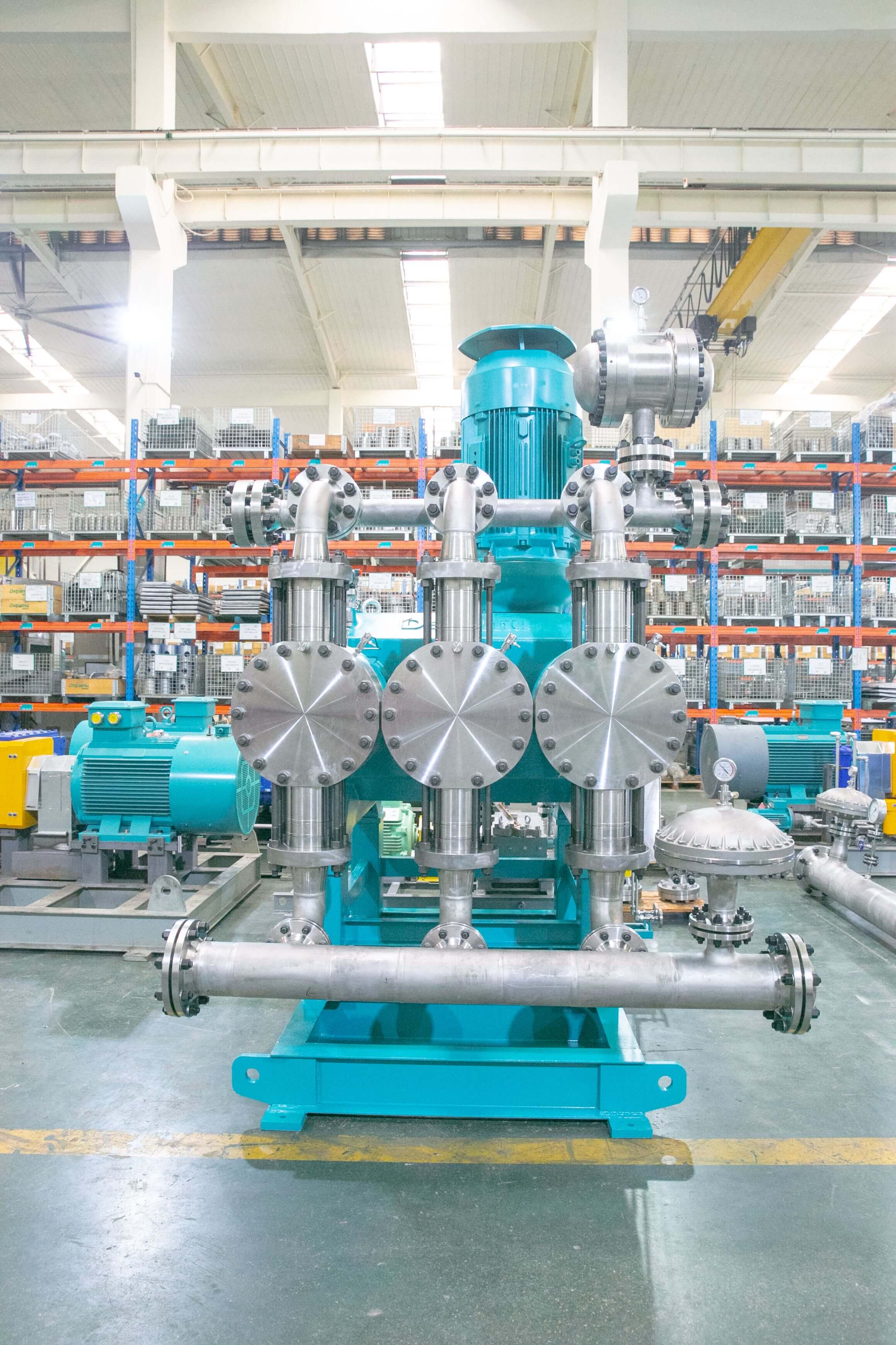
Why High Pressure Sealed Diaphragm Pumps Matter
In industrial processes requiring precise chemical dosing or handling of corrosive, volatile, or high-pressure fluids, traditional pumps often fall short. This is where high pressure sealed diaphragm pumps shine. These specialized pumps use a hydraulic diaphragm mechanism that completely isolates the pumping chamber from the drive mechanism, eliminating any risk of leakage. This design makes them ideal for applications where:
- Precise metering is required (±1% accuracy)
- The fluid is hazardous or toxic
- High pressures (up to 35MPa or more) are involved
- The fluid contains solids or has high viscosity
- Explosion-proof operation is necessary
Depamp’s diaphragm pumps incorporate advanced German technology with continuous innovation to meet the most demanding industrial requirements. With over 400 employees and a 35,000m² manufacturing facility, the company has the capacity to deliver both standard products and customized solutions at scale.
Key Applications Across Industries
Depamp’s high pressure sealed diaphragm pumps serve as the backbone of fluid handling systems in multiple sectors:
Petrochemical & Chemical Processing (41% of sales)
In refineries and chemical plants, these pumps precisely dose catalysts, inhibitors, and other chemicals into reaction vessels or pipelines. Their ability to handle corrosive substances at high pressures makes them indispensable for processes like:
- Catalyst injection in cracking units
- Polymer additive dosing
- Acid/alkali neutralization systems
- Wastewater treatment
One major refinery reported a 30% reduction in chemical waste after switching to Depamp’s hydraulic diaphragm pumps due to their superior metering accuracy.
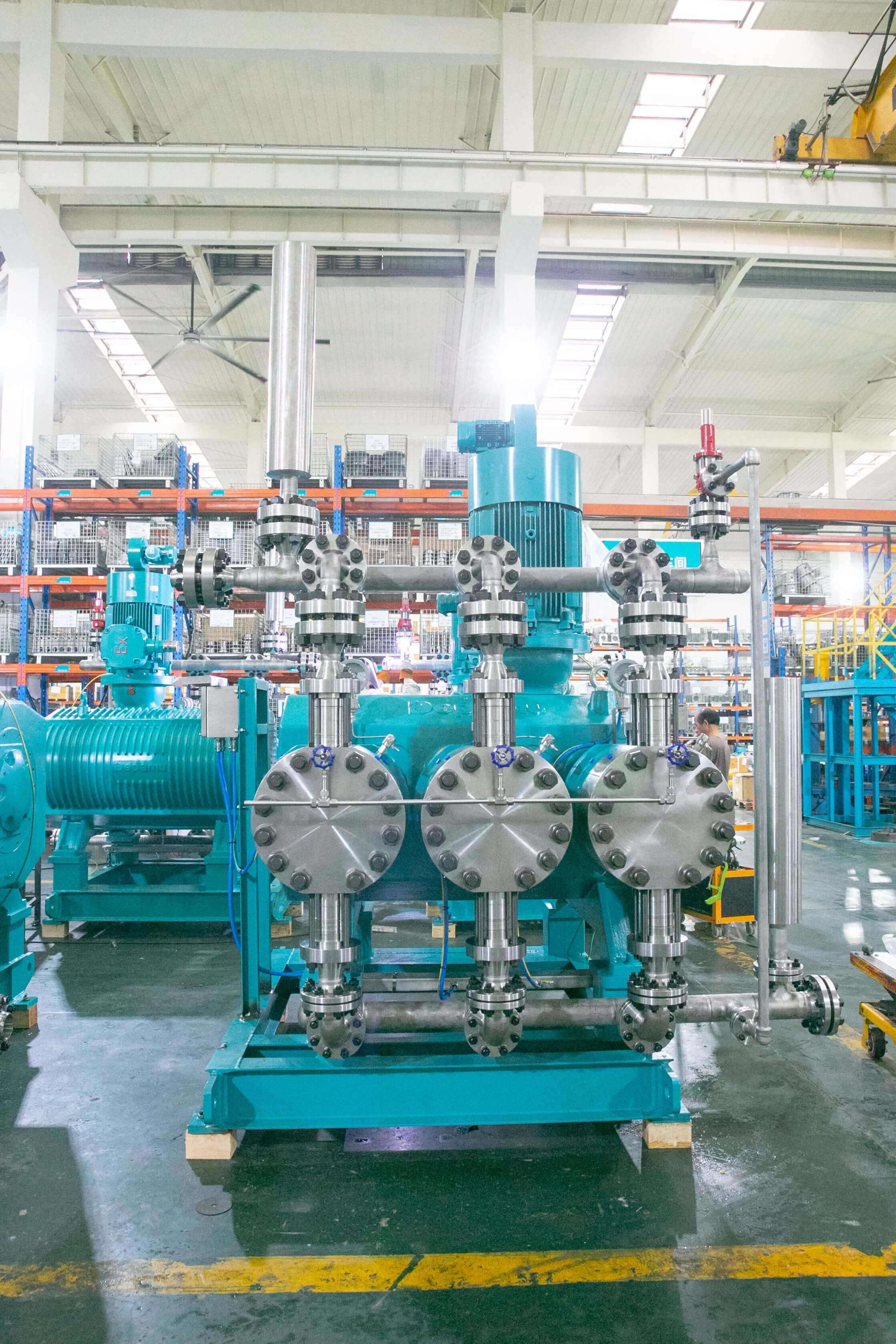
Nuclear Power Industry (Part of 15% energy sector sales)
Safety is paramount in nuclear facilities, where even minor leaks could have catastrophic consequences. Depamp’s sealed diaphragm pumps meet stringent nuclear industry standards (including RCC-M and ASME codes) for:
- Boron injection systems
- Coolant chemical dosing
- Waste treatment processes
- Decontamination solutions
The pumps’ all-metal construction and double diaphragm design provide redundant safety barriers, while their ability to operate continuously for 8,000+ hours between maintenance cycles minimizes downtime.
Oil & Gas Field Applications (23% of sales)
From offshore platforms to onshore processing facilities, these pumps handle the toughest conditions:
- Water injection for pressure maintenance
- Chemical scale inhibitors in production wells
- Methanol injection for hydrate control
- High-pressure cementing operations
A Middle Eastern operator reported a 40% extension in pump service life when using Depamp’s special alloy diaphragm pumps in sour gas service compared to competing models.
Environmental Protection (13% of sales)
In wastewater treatment plants and pollution control systems, these pumps ensure precise dosing of:
- Flocculants and coagulants
- Disinfectants (chlorine, ozone)
- pH adjustment chemicals
- Nutrient removal agents
Municipal treatment facilities appreciate the pumps’ ability to handle variable flows while maintaining consistent dosing accuracy, helping them meet stringent discharge regulations.
Technical Advantages of Depamp’s Diaphragm Pumps
What sets Depamp apart in the competitive diaphragm pump market? Several key innovations:
| Feature | Depamp Advantage | Customer Benefit |
|---|---|---|
| Diaphragm Design | Hydraulic-driven, multi-layer composite diaphragm | Zero leakage, 50% longer service life |
| Pressure Rating | Up to 40MPa continuous duty | Handles most industrial processes without boosters |
| Metering Accuracy | ±0.5% with variable speed drive | Reduces chemical consumption by 15-20% |
| Material Options | SS316, Hastelloy, PTFE, PVDF, etc. | Corrosion resistance for any fluid |
| Seal Design | Double mechanical seals with flush | ATEX Zone 2 compliance for explosive atmospheres |
Customization Capabilities
While standard models cover 80% of applications, Depamp excels at solving unique challenges through custom engineering. Recent projects include:
- A -50°C cryogenic diaphragm pump for LNG processing
- A 450°C high-temperature pump for geothermal power
- A sand-tolerant pump for hydraulic fracturing operations
- A multi-head pump for simultaneous dosing of 8 chemicals
The company’s R&D team works closely with customers to analyze fluid properties, process requirements, and environmental conditions before proposing optimized solutions. This approach has helped Depamp secure long-term partnerships with Fortune 500 companies in 30+ countries.
FAQ
What makes a diaphragm pump “sealed” and why does it matter?
A sealed diaphragm pump uses a hydraulic mechanism where the diaphragm is actuated by pressurized fluid rather than a mechanical linkage. This creates a physical separation between the process fluid and the pump’s moving parts, eliminating any possibility of leakage. In industries handling toxic, flammable, or valuable chemicals, this design prevents environmental contamination, protects personnel, and reduces product loss.
How do I select the right diaphragm pump for high pressure applications?
Key considerations include: 1) Maximum system pressure (choose a pump rated 20% above this), 2) Required flow rate at operating pressure, 3) Fluid properties (viscosity, corrosiveness, temperature), 4) Metering accuracy needs, and 5) environmental conditions (explosion risk, space constraints). Depamp’s engineers provide free application reviews to help customers specify the optimal model.
What maintenance is required for high pressure diaphragm pumps?
Typical maintenance includes: 1) Monthly inspection of diaphragm condition (using built-in sensors or manual checks), 2) Quarterly lubrication of drive components, 3) Annual replacement of wear parts like seals and valves, and 4) periodic calibration of flow meters. Depamp’s pumps are designed for easy maintenance with quick-access panels and modular components, reducing downtime.
Can diaphragm pumps handle abrasive slurries?
Yes, with proper design modifications. Depamp offers hardened valve seats, thickened diaphragms, and specialized materials like tungsten carbide for abrasive service. In one case, a mining company achieved 18 months of continuous operation pumping 30% solids slurry by using Depamp’s abrasion-resistant package, compared to just 3 months with standard pumps.
What certifications should I look for in an industrial diaphragm pump supplier?
Essential certifications include ISO 9001 (quality management), ISO 14001 (environmental), and ATEX/IECEx (explosion-proof). For specific industries: API 675 for oil/gas, ASME B31.3 for piping, and RCC-M for nuclear. Depamp holds all these certifications plus CE marking, earning them approvals from major companies like Shell, ExxonMobil, and EDF Energy.
Summary
Depamp (Hangzhou) Pump Technology Co., Ltd. stands out as a global leader in high pressure sealed diaphragm pumps by combining German-engineered precision with Chinese manufacturing efficiency. Their comprehensive product range, customization capabilities, and industry-specific solutions have made them the preferred choice for demanding applications in petrochemical, nuclear, oil & gas, and environmental protection sectors. With a focus on zero-leakage performance, extreme reliability, and long-term cost savings, Depamp continues to push the boundaries of what’s possible in industrial fluid handling.